The healthcare landscape continues to evolve rapidly, with patients demanding more coordinated, accessible, and holistic approaches to their medical needs. Primary comprehensive care represents a transformative shift from traditional episodic treatment models to integrated, patient-centered wellness strategies that address the full spectrum of health concerns. This approach combines preventive services, acute care, chronic disease management, and coordinated specialist referrals under one unified framework, ensuring patients receive seamless care that addresses their physical, mental, and emotional wellbeing. As healthcare systems nationwide recognize the value of comprehensive models, understanding what distinguishes this approach from conventional primary care becomes essential for patients seeking optimal health outcomes.
Understanding the Foundation of Primary Comprehensive Care
Primary comprehensive care extends beyond the traditional scope of basic medical services to encompass a wide-ranging, integrated approach that treats the whole person rather than isolated symptoms. According to the American Academy of Family Physicians’ definition of primary care, this model emphasizes integrated, accessible health services delivered through sustained partnerships between patients and clinicians. The comprehensive aspect amplifies these core principles by adding layers of coordination, prevention, and continuous care management.
Core Components That Define Comprehensive Models
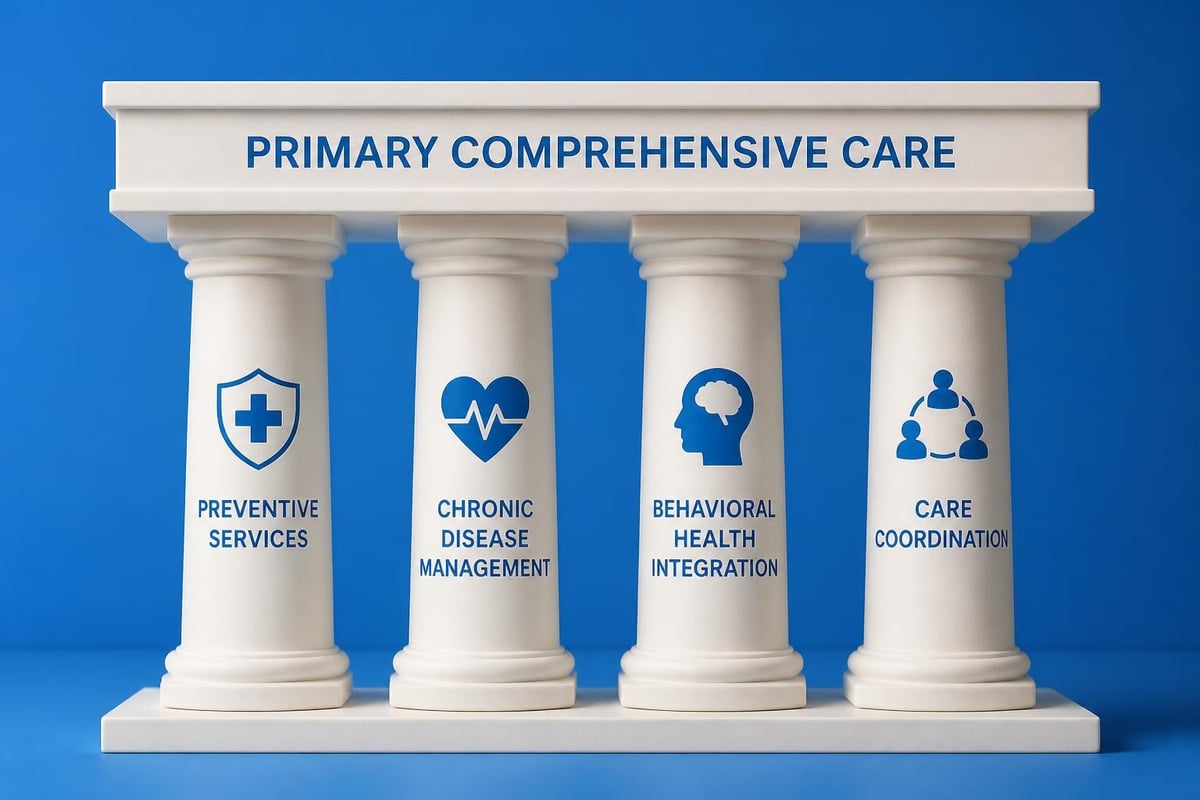
The distinguishing features of primary comprehensive care include several interconnected elements that work together to deliver superior patient outcomes:
- Continuous relationship management between patients and their primary care team
- Coordinated care delivery across multiple specialists and ancillary services
- Preventive health focus with regular screenings and wellness assessments
- Chronic disease management programs tailored to individual patient needs
- Behavioral health integration addressing mental and physical health simultaneously
- Care coordination ensuring seamless transitions between different levels of care
- Enhanced access through same-day appointments and extended availability
These components create a healthcare ecosystem where patients benefit from proactive, personalized attention rather than reactive, fragmented treatment episodes.
The Evolution Toward Comprehensive Primary Care Models
Healthcare delivery has undergone significant transformation over the past decade, driven by recognition that fragmented care leads to poor outcomes and excessive costs. The Comprehensive Primary Care initiative by CMS emerged as a multi-payer program designed to strengthen primary care through enhanced payment structures and coordinated service delivery. This initiative demonstrated that when primary care practices receive support for comprehensive care management, patient satisfaction increases while total healthcare costs decrease.
Payment Models Supporting Comprehensive Care
Traditional fee-for-service models often incentivize volume over value, creating barriers to the time-intensive work required for comprehensive care delivery. Modern payment structures address these limitations through several innovative approaches:
| Payment Model | Key Features | Benefits for Patients |
|---|---|---|
| Capitation | Fixed per-patient payment | More time with providers, focus on prevention |
| Value-based care | Rewards for quality outcomes | Better health results, coordinated services |
| Hybrid models | Combines fee-for-service with quality bonuses | Balanced access and quality emphasis |
| Care management fees | Additional payment for complex cases | Enhanced support for chronic conditions |
The Primary Care First model by CMS exemplifies these newer approaches, emphasizing patient outcomes and advanced care delivery methods that align financial incentives with health improvements.
Benefits That Matter Most to Patients
Primary comprehensive care delivers measurable advantages that directly impact patient experiences and health trajectories. Research consistently demonstrates that patients engaged in comprehensive care models experience better chronic disease control, fewer emergency department visits, and higher satisfaction with their healthcare experiences.
Improved Health Outcomes Through Integration
When all aspects of a patient's care connect seamlessly, health outcomes improve substantially. Studies highlighted in NCBI’s analysis of primary care value show that comprehensive primary care enhances quality, efficiency, and access across diverse patient populations.
Key outcome improvements include:
- Better management of chronic conditions like diabetes and hypertension
- Reduced hospital readmission rates through coordinated discharge planning
- Earlier detection of serious conditions through consistent preventive screening
- Improved medication adherence with comprehensive medication management
- Enhanced mental health outcomes through integrated behavioral services
These results stem from the fundamental shift toward treating patients as whole individuals rather than collections of separate conditions requiring isolated interventions.
Enhanced Patient Experience and Satisfaction
Beyond clinical metrics, primary comprehensive care transforms how patients interact with the healthcare system. The model prioritizes accessibility, communication, and relationship continuity in ways that resonate deeply with patient preferences.
Patients benefit from:
- Same-day appointments for acute concerns, eliminating lengthy waits
- Extended visit times allowing thorough discussion of health concerns
- Direct communication channels with care team members
- Coordinated referrals to specialists with seamless information sharing
- Proactive outreach for preventive care and chronic disease management
- Reduced need to repeat medical history across multiple providers
This patient-centered approach acknowledges that healthcare delivery must align with the realities of patients' lives, schedules, and preferences.

Essential Services Within Comprehensive Care Frameworks
The breadth of services available within primary comprehensive care distinguishes it from traditional primary care practices. According to definitions outlined by healthcare experts, comprehensive models integrate multiple service categories under coordinated oversight.
Preventive and Wellness Services
Prevention forms the cornerstone of comprehensive care, with systematic approaches to maintaining health and detecting problems early:
- Annual wellness examinations with comprehensive health risk assessments
- Age-appropriate cancer screenings (mammograms, colonoscopies, skin checks)
- Cardiovascular risk evaluation and management
- Immunization programs for all age groups
- Nutritional counseling and weight management support
- Tobacco cessation programs with behavioral and pharmaceutical support
These services shift healthcare focus from disease treatment to health optimization, reducing long-term complications and healthcare costs.
Acute and Chronic Care Management
Comprehensive models excel at managing both immediate health concerns and long-term conditions through integrated protocols:
| Service Category | Examples | Integration Approach |
|---|---|---|
| Acute care | Infections, injuries, sudden illness | Same-day access, rapid assessment |
| Chronic disease management | Diabetes, heart disease, asthma | Regular monitoring, care planning |
| Mental health | Anxiety, depression screening | Integrated behavioral health visits |
| Medication management | Complex regimen oversight | Pharmacist collaboration, regular review |
Ancillary and Specialty Support
In-house ancillary services eliminate fragmentation by providing diagnostic and therapeutic services within the primary care setting. These typically include:
- Laboratory testing with rapid results turnaround
- Diagnostic imaging (X-ray, ultrasound, ECG)
- Physical therapy and rehabilitation services
- Minor procedure capabilities
- Specialty consultations coordinated through the primary care team
This integration means patients receive comprehensive evaluation and treatment without navigating multiple disconnected facilities.
Care Coordination as the Central Organizing Principle
Effective care coordination separates truly comprehensive primary care from practices that simply offer multiple services. As detailed in research on primary care attributes, coordination ensures that all elements of a patient's care align toward common goals, with information flowing seamlessly between providers.
Information Systems Enabling Coordination
Modern comprehensive care relies on robust information technology infrastructure:
- Electronic health records accessible to all team members
- Patient portals providing direct access to results and communications
- Care management platforms tracking preventive services and chronic disease metrics
- Referral tracking systems ensuring follow-through on specialist recommendations
- Population health tools identifying patients requiring proactive outreach
These systems transform coordination from aspirational to operational, ensuring no aspect of patient care falls through gaps.
Team-Based Care Delivery Models
Primary comprehensive care operates through multidisciplinary teams rather than individual providers working in isolation. Care teams typically include:
Core team members:
- Primary care physicians or nurse practitioners
- Registered nurses managing care coordination
- Medical assistants handling rooming and basic assessments
- Administrative staff scheduling and managing communications
Extended team members:
- Behavioral health specialists for integrated mental health care
- Pharmacists optimizing medication regimens
- Dietitians providing nutritional guidance
- Care managers for complex or high-risk patients
- Specialty consultants available for coordinated consultations
This team structure distributes responsibilities according to training and expertise, ensuring patients receive appropriate care from the right team member at the right time.

Access and Availability in Comprehensive Models
Traditional primary care often struggles with access limitations, forcing patients toward urgent care centers or emergency departments for timely attention. Primary comprehensive care addresses these gaps through deliberate scheduling innovations and capacity management.
Same-Day Appointment Capabilities
Research from healthcare accessibility studies emphasizes that true comprehensive care must include readily available access when patients need attention. Same-day scheduling accomplishes multiple objectives:
- Reduces emergency department utilization for non-emergent concerns
- Prevents minor conditions from escalating due to delayed treatment
- Builds patient trust and satisfaction with the care relationship
- Enables early intervention for potentially serious conditions
- Decreases overall healthcare system costs through appropriate utilization
Implementing same-day access requires capacity planning that reserves appointment slots specifically for acute needs while maintaining scheduled preventive and chronic care visits.
Extended Hours and Communication Options
Comprehensive care extends beyond traditional office hours through varied access channels:
- Extended weekday hours accommodating work schedules
- Weekend availability for urgent concerns
- Secure messaging through patient portals
- Telephone triage for after-hours questions
- Telehealth options for appropriate conditions
These access points recognize that health concerns arise on schedules that rarely align with standard business hours.
Population Health Management Through Comprehensive Care
Primary comprehensive care enables proactive population health management by systematically tracking and addressing the needs of entire patient panels rather than responding only to those who schedule appointments. This population-level perspective identifies gaps in care and opportunities for intervention before problems escalate.
Risk Stratification and Targeted Interventions
Comprehensive care teams analyze their patient populations to identify individuals at varying risk levels:
| Risk Level | Characteristics | Intervention Approach |
|---|---|---|
| Low risk | Generally healthy, minimal chronic conditions | Annual preventive visits, routine screening |
| Moderate risk | Stable chronic conditions, manageable complexity | Quarterly visits, care plan monitoring |
| High risk | Multiple chronic conditions, recent hospitalizations | Monthly contact, intensive care management |
| Very high risk | Frequent ED use, poorly controlled conditions | Weekly touchpoints, multidisciplinary team meetings |
This stratification ensures resources concentrate where they create the greatest impact, while maintaining preventive focus across all patients.
Preventive Care Gap Closure
Systematic tracking identifies patients overdue for recommended preventive services, enabling proactive outreach:
- Automated reminders for cancer screenings based on age and risk factors
- Immunization tracking with outreach to those missing recommended vaccines
- Chronic disease monitoring ensuring regular laboratory testing and assessments
- Behavioral health screening integrated into routine visits
- Social determinants assessment identifying barriers to care adherence
These processes transform preventive care from opportunistic to systematic, dramatically improving screening rates and early disease detection.
Measuring Success in Comprehensive Primary Care
Quality measurement provides accountability and continuous improvement opportunities within comprehensive care models. Multiple frameworks assess performance across clinical outcomes, patient experience, and operational efficiency dimensions.
Clinical Quality Metrics
Comprehensive practices track numerous clinical indicators:
- Diabetes control rates (HbA1c levels within target ranges)
- Hypertension management (blood pressure control percentages)
- Cancer screening completion rates across eligible populations
- Immunization rates for children and adults
- Preventive service delivery (cholesterol screening, depression screening)
- Medication adherence for chronic conditions
These metrics enable benchmarking against national standards and identification of improvement opportunities.
Patient-Centered Outcome Measures
Beyond clinical metrics, comprehensive care emphasizes patient-reported outcomes and experiences:
- Patient satisfaction scores across multiple dimensions
- Access metrics (third-next-available appointment, same-day availability)
- Patient activation measures assessing engagement in self-care
- Health-related quality of life assessments
- Care coordination experience ratings
Together, clinical and experiential metrics provide comprehensive performance evaluation ensuring alignment with patient needs and preferences.
Implementation Considerations for Comprehensive Models
Transitioning to primary comprehensive care requires substantial operational and cultural shifts within healthcare organizations. Success depends on thoughtful planning, adequate resources, and commitment to the comprehensive care philosophy throughout the organization.
Staffing and Team Development
Building effective care teams necessitates:
- Recruiting professionals aligned with team-based care values
- Cross-training staff for expanded roles and responsibilities
- Regular team meetings fostering communication and collaboration
- Professional development supporting skill enhancement
- Clear role definition preventing duplication and gaps
Investment in team development pays dividends through improved efficiency, job satisfaction, and patient outcomes.
Technology Infrastructure Requirements
Comprehensive care delivery demands robust technological support:
Essential technology components:
- Integrated electronic health record systems
- Patient portal platforms with messaging and appointment capabilities
- Population health management tools
- Care coordination platforms tracking referrals and transitions
- Telehealth infrastructure for remote visits
- Quality measurement and reporting systems
These investments enable the information flow and process efficiency that comprehensive care requires.
The Role of Patients in Comprehensive Care Success
While comprehensive care models provide structural support, patient engagement remains essential for achieving optimal outcomes. The model works best when patients actively participate in their care through informed decision-making and adherence to care plans.
Patient Responsibilities and Engagement
Effective partnerships between patients and care teams involve:
- Attending scheduled preventive and chronic care appointments
- Communicating openly about symptoms, concerns, and barriers
- Following through on specialist referrals and recommended testing
- Adhering to medication regimens and lifestyle modifications
- Utilizing patient portal tools for communication and information access
- Providing feedback on care experiences to enable continuous improvement
When patients embrace these responsibilities, comprehensive care achieves its full potential in supporting health and wellness across the lifespan.
Shared Decision-Making Frameworks
Primary comprehensive care emphasizes shared decision-making where patients and providers collaborate on treatment choices. This approach:
- Presents evidence-based options with risks and benefits
- Incorporates patient values, preferences, and life circumstances
- Supports informed consent beyond simple agreement
- Builds patient confidence in care decisions
- Improves adherence through ownership of chosen approaches
Shared decision-making respects patient autonomy while leveraging professional expertise, creating care plans that align with individual goals and priorities.
Primary comprehensive care represents the future of healthcare delivery, offering integrated, accessible, and coordinated services that address the full spectrum of patient needs across all life stages. By combining preventive care, chronic disease management, behavioral health services, and coordinated specialty support within a patient-centered framework, this model delivers measurable improvements in both health outcomes and patient satisfaction. Dominion health provides exactly this comprehensive approach, with in-house ancillary services, subspecialty support, and same-day appointment availability ensuring you receive coordinated, convenient care whenever you need it. Experience the difference that truly comprehensive primary care makes in your health journey.