Choosing the right healthcare provider for your entire family represents one of the most important decisions you'll make for your household's wellbeing. The family clinic has evolved significantly over the past decade, transforming from basic primary care facilities into comprehensive healthcare hubs that serve patients across all life stages. Modern family-oriented medical practices now offer integrated services, same-day appointments, and coordinated specialty care that simplifies healthcare management for busy families. Understanding what distinguishes exceptional family clinics from standard medical offices helps patients make informed choices about their healthcare home.
What Defines the Family Clinic Model
The family clinic operates on a patient-centered philosophy that treats individuals within the context of their family unit and community. Unlike specialty practices that focus on specific age groups or medical conditions, family medicine providers deliver continuity of care from infancy through senior years. This longitudinal relationship allows physicians to understand genetic predispositions, family health patterns, and environmental factors that influence patient outcomes.
Key characteristics that define quality family clinics include:
- Comprehensive age-span care from pediatrics through geriatrics
- Preventive health services and wellness counseling
- Acute illness management and urgent care capabilities
- Chronic disease monitoring and treatment coordination
- Integration with diagnostic services and specialty providers
The modern family clinic model emphasizes accessibility and convenience. Practices like those offering primary care services demonstrate how integrating physical health, mental health, and social determinants creates better patient outcomes. When families can address multiple healthcare needs in one location, they experience fewer barriers to consistent care.

Scope of Services at Family-Focused Practices
Family medicine encompasses an impressive breadth of clinical services. Primary care physicians trained in family medicine complete residency programs covering internal medicine, pediatrics, obstetrics, and minor surgical procedures. This broad training enables them to manage most health concerns without requiring specialty referrals for routine matters.
| Service Category | Examples | Frequency |
|---|---|---|
| Preventive Care | Annual physicals, immunizations, cancer screenings | Annually or as recommended |
| Acute Care | Infections, injuries, minor illnesses | As needed |
| Chronic Management | Diabetes, hypertension, asthma monitoring | Quarterly to biannually |
| Mental Health | Depression screening, anxiety management, counseling referrals | Ongoing as needed |
| Women's Health | Contraception, prenatal care, menopause management | Varies by life stage |
The family clinic serves as the medical home where care coordination happens. When specialists order advanced testing or recommend treatments, family physicians integrate those recommendations into the patient's overall care plan. This coordination prevents conflicting treatments and ensures all providers work toward common health goals.
Same-Day Access and Urgent Care Integration
Healthcare needs don't follow schedules, and progressive family clinics recognize that accessibility directly impacts health outcomes. The traditional model of waiting days or weeks for appointments creates gaps where minor issues escalate into serious conditions. Forward-thinking practices have redesigned their scheduling systems to accommodate same-day visits for acute concerns.
Same-day appointment availability transforms how families interact with healthcare. Rather than choosing between waiting for their regular physician or visiting an unfamiliar urgent care center, patients can see providers who know their medical history and can access complete records. This continuity improves diagnostic accuracy and treatment effectiveness.
Implementing Open Access Scheduling
The family clinic that offers same-day services typically employs open access scheduling strategies. These systems reserve appointment slots specifically for same-day requests rather than booking the schedule solid weeks in advance. Physicians might see a mix of scheduled wellness visits and acute care appointments throughout each day.
Benefits of same-day access include:
- Reduced emergency department visits for non-emergent concerns
- Earlier intervention for developing health problems
- Increased patient satisfaction and treatment compliance
- Stronger physician-patient relationships through responsive care
- Lower overall healthcare costs by preventing condition escalation
Many patients appreciate the convenience of addressing urgent concerns without sacrificing the relationship they've built with their regular provider. When symptoms arise, knowing you can contact your established physician the same day provides significant peace of mind for families managing multiple schedules.
Ancillary Services Within the Family Clinic
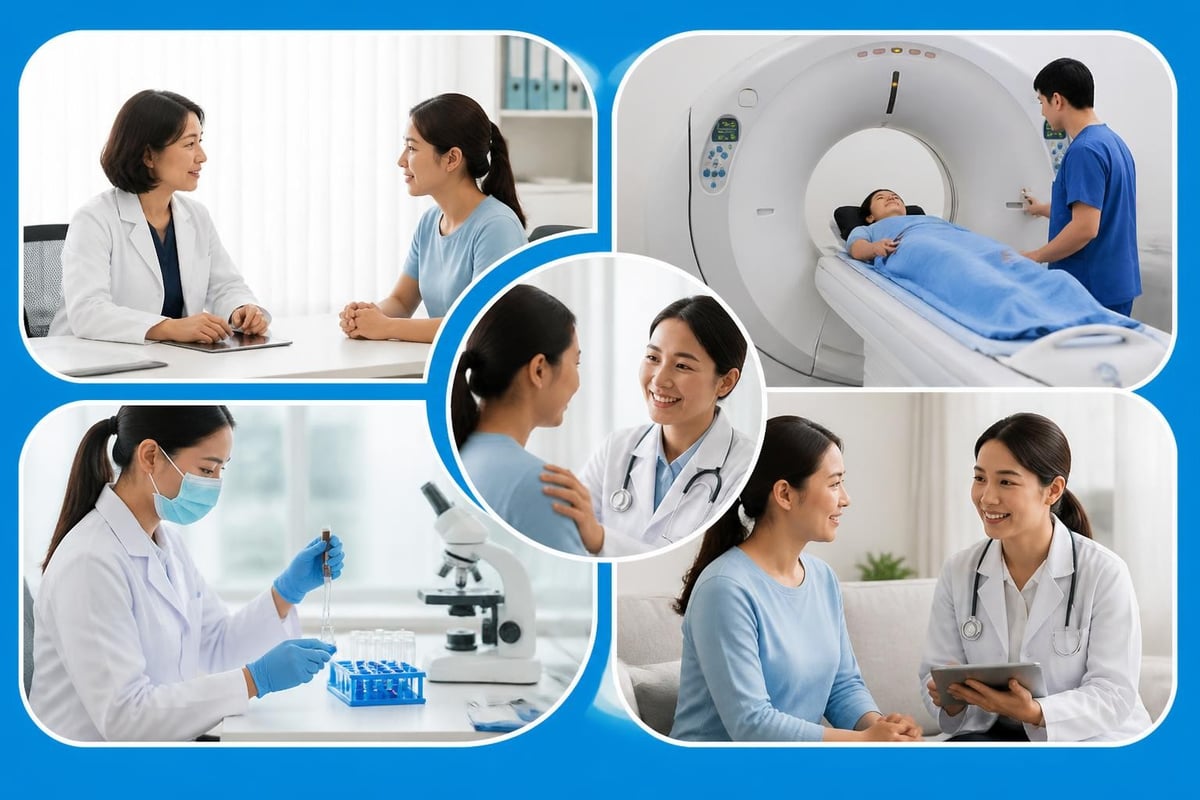
Integrated ancillary services represent a major advancement in family medicine delivery. Rather than referring patients to separate facilities for diagnostic testing, imaging, or specialized procedures, comprehensive family clinics bring these services in-house. This integration streamlines care, reduces delays, and improves communication between providers.
Common in-house ancillary services include laboratory testing, radiology imaging, minor surgical procedures, and physical therapy. When your physician orders bloodwork during your appointment, having results available within hours rather than days accelerates diagnosis and treatment initiation. Similarly, on-site imaging capabilities mean suspicious findings can be investigated immediately.
Laboratory and Diagnostic Capabilities
In-house laboratory services enable the family clinic to perform routine blood tests, urinalysis, strep tests, flu screening, and other common diagnostics without external referrals. Point-of-care testing delivers results during the visit, allowing physicians to make treatment decisions before patients leave the office.
| Test Type | In-House Capability | Result Timeline | Clinical Benefit |
|---|---|---|---|
| Complete Blood Count | Standard in comprehensive clinics | 15-60 minutes | Immediate infection or anemia detection |
| Basic Metabolic Panel | Common for chronic disease monitoring | 1-2 hours | Real-time diabetes and kidney function assessment |
| Rapid Strep/Flu | Point-of-care testing | 10-15 minutes | Same-visit antibiotic or antiviral prescription |
| Urinalysis | Standard screening tool | 5-10 minutes | Quick UTI diagnosis and pregnancy confirmation |
| HbA1c Testing | Diabetes management essential | 6-10 minutes | Immediate diabetes control evaluation |
Radiology services vary by facility size and investment, but many progressive family clinics now offer digital X-ray, ultrasound, and sometimes advanced imaging. These capabilities prove particularly valuable for evaluating injuries, monitoring pregnancy, and screening for conditions that require visual assessment.
Subspecialty Support and Referral Coordination
No family clinic can manage every medical condition independently, which makes subspecialty relationships essential. The distinction between average and exceptional family practices often lies in how effectively they coordinate specialist care. Strong family clinics maintain networks of trusted subspecialists and actively manage the referral process rather than simply handing patients a phone number.
Effective clinical practice guidelines help family physicians determine when specialty referral becomes necessary. These evidence-based protocols ensure patients receive specialized care at the appropriate time while maintaining the family physician as the central coordinator of all treatment efforts.
The Care Coordination Process
When subspecialty consultation becomes necessary, the family clinic initiates a coordinated referral process. This includes transmitting relevant medical records, communicating the specific clinical question to the specialist, and scheduling follow-up appointments to review specialist recommendations.
Steps in effective specialty coordination:
- Family physician identifies need for specialized evaluation
- Medical records and test results compiled for specialist review
- Referral submitted with specific clinical questions
- Patient scheduled with appropriate subspecialist
- Specialist report reviewed by family physician
- Treatment plan integrated into overall care strategy
- Family physician monitors implementation and outcomes
This structured approach ensures nothing falls through communication gaps. Patients benefit from having their family physician translate specialist recommendations into practical next steps and monitor whether treatments achieve desired outcomes. The family clinic serves as the consistent thread connecting various healthcare experiences.
Pediatric Through Geriatric Care Continuum
One defining feature of the family clinic is its ability to care for patients across their entire lifespan. This continuity offers unique advantages as family physicians develop deep understanding of how individual patients age, how family health patterns emerge across generations, and how to adapt care strategies to changing life circumstances.
Pediatric care within family practices emphasizes developmental monitoring, immunization schedules, and parent education. Family physicians track growth patterns, identify developmental delays early, and provide anticipatory guidance about nutrition, safety, and behavioral expectations. Many families appreciate having one provider who knows their children from birth through adolescence.
Adult and Senior Care Specialization
As patients transition into adulthood, the family clinic adapts to focus on preventive screenings, chronic disease prevention, and lifestyle counseling. Young adults receive guidance on reproductive health, mental wellness, and establishing healthy habits. Middle-aged patients benefit from cardiovascular risk assessment, cancer screening, and management of emerging chronic conditions.
Senior care requires particular expertise in managing multiple chronic conditions simultaneously, adjusting medications as kidney and liver function change, and addressing quality-of-life concerns. Family physicians trained in geriatric principles understand how aging affects medication metabolism, fall risk, cognitive function, and social isolation. Practices offering patient- and family-centered care recognize that senior healthcare often involves family caregivers who need support and education.

Preventive Medicine and Wellness Programs
The family clinic excels at preventive care delivery, which represents medicine's most cost-effective intervention category. Regular wellness visits enable early disease detection when conditions are most treatable, establish baseline health metrics for future comparison, and provide opportunities for lifestyle counseling before problems develop.
Preventive services vary by age and risk factors but typically include immunizations, cancer screenings, cardiovascular assessments, and mental health evaluations. Family physicians follow evidence-based screening guidelines to determine which tests benefit specific patients at particular life stages.
Core preventive services at comprehensive family clinics:
- Childhood and adult immunization programs
- Cancer screening (breast, cervical, colorectal, lung, skin)
- Cardiovascular risk assessment and cholesterol management
- Diabetes screening and prevention programs
- Osteoporosis screening and bone health counseling
- Depression and anxiety screening protocols
- Substance use screening and intervention
Wellness programs extend beyond individual screening tests to address lifestyle factors that determine long-term health. Family clinics often provide nutritional counseling, weight management support, smoking cessation programs, and stress reduction strategies. These services recognize that chronic disease prevention depends largely on daily health behaviors.
Chronic Disease Management Excellence
Managing chronic conditions represents a significant portion of family medicine practice. Diabetes, hypertension, asthma, heart disease, and arthritis require ongoing monitoring, medication adjustment, and lifestyle modification support. The family clinic model proves particularly effective for chronic disease management because of the continuous physician-patient relationship that develops over years of care.
Successful chronic disease management requires regular monitoring visits, patient education, medication optimization, and complication prevention. Family physicians track disease control metrics like HbA1c for diabetes or blood pressure readings for hypertension, adjusting treatments when targets aren't met. They also screen for complications, such as diabetic eye disease or kidney damage, initiating specialist referrals when advanced interventions become necessary.
Technology-Enabled Chronic Care
Modern family clinics leverage technology to enhance chronic disease management. Patient portals allow individuals to track their health metrics, communicate with providers between visits, and access educational resources. Remote monitoring devices transmit blood pressure, glucose readings, or weight measurements directly to the care team, enabling proactive intervention before problems escalate.
Care management programs identify high-risk patients who need additional support beyond routine office visits. Nurses or health coaches contact these patients regularly to reinforce medication adherence, answer questions, and identify emerging concerns. This proactive approach reduces emergency department visits and hospitalizations while improving quality of life for patients managing complex conditions.
Mental Health Integration in Family Practice
Mental health concerns affect millions of Americans, yet traditional healthcare models separated mental and physical health treatment. Progressive family clinics now integrate behavioral health services, recognizing that mental wellbeing directly impacts physical health outcomes. Depression, anxiety, and stress contribute to chronic disease development and interfere with treatment adherence.
The family clinic is ideally positioned to identify mental health concerns during routine visits. Physicians screen for depression and anxiety using validated questionnaires, discuss mental health as routinely as they check blood pressure, and either provide initial treatment or coordinate with mental health specialists. Practices like Cleveland Clinic’s family health centers demonstrate how behavioral health counseling can be seamlessly integrated into primary care settings.
Many family practices now employ embedded behavioral health consultants who see patients the same day concerns are identified. This warm handoff from physician to counselor reduces the stigma some patients feel about mental health treatment and ensures they actually connect with support services rather than receiving a referral they never follow through on.
Choosing the Right Family Clinic for Your Needs
Selecting where to establish your family's medical home requires evaluating several factors beyond simple geographic convenience. Consider the breadth of services offered, availability of same-day appointments, quality of specialist networks, and how well the practice's philosophy aligns with your healthcare preferences. Visiting potential practices and meeting physicians helps assess whether you'll feel comfortable developing a long-term relationship.
Questions to ask when evaluating family clinics:
- What age ranges does the practice serve?
- How quickly can urgent concerns be addressed?
- What ancillary services are available on-site?
- How does the practice coordinate specialist referrals?
- What are typical wait times for appointments?
- Does the practice offer patient portal access?
- What hospital systems is the practice affiliated with?
- How are after-hours emergencies handled?
Insurance acceptance represents a practical consideration that limits options for many families. Verify that potential practices participate in your insurance network and understand any referral requirements your plan might impose. Some families prioritize practices offering comprehensive care for all ages under one roof, while others prefer physicians with specific training in areas relevant to their family's health concerns.
The relationship you develop with your family physician becomes one of your most important healthcare assets. This person will guide you through health challenges, celebrate wellness achievements, and serve as your advocate when navigating complex medical situations. Investing time to find the right fit pays dividends for years to come.
Technology and Modern Family Medicine
Digital health tools have transformed how the family clinic delivers care and communicates with patients. Electronic health records enable instant access to complete medical histories, test results, and medication lists. Patient portals extend clinic services beyond office hours, allowing prescription refills, appointment scheduling, and secure messaging with care teams.
Telemedicine capabilities expanded dramatically in recent years, and many family clinics now offer virtual visits for appropriate concerns. Video consultations work well for follow-up appointments, medication adjustments, minor illnesses, and mental health counseling. While telehealth can't replace hands-on physical examinations, it provides convenient access for situations that don't require in-person assessment.
Remote monitoring technologies enable continuous health tracking between office visits. Patients with hypertension might use connected blood pressure cuffs that automatically transmit readings to their care team. Diabetics can share continuous glucose monitor data that reveals patterns invisible during quarterly clinic visits. These technologies enhance the family physician's ability to make informed treatment decisions based on comprehensive data rather than single point-in-time measurements.
Understanding Visitor Guidelines and Safety Protocols
Family clinics must balance accessibility with safety, particularly regarding who can accompany patients to appointments. Understanding visitor policies helps families plan appointments appropriately and ensures compliance with clinic protocols designed to protect vulnerable patients.
Most practices welcome parents or guardians for pediatric appointments and support persons for elderly patients who need assistance. However, limiting visitors helps maintain efficient patient flow and reduces infection transmission in waiting areas. During illness outbreaks, clinics may implement stricter visitor restrictions to protect immunocompromised patients.
Safety protocols extend beyond visitor policies to encompass infection control measures, emergency preparedness, and quality assurance programs. Reputable family clinics maintain accreditation through organizations that verify compliance with safety standards, staff training requirements, and equipment maintenance protocols.
Comprehensive family healthcare requires a medical partner who understands your unique needs across all life stages and can coordinate every aspect of your care journey. The family clinic model offers unmatched continuity, convenience, and coordination that simplifies healthcare for busy families while improving health outcomes through consistent, personalized attention. Dominion health provides exactly this type of comprehensive primary care for all ages, with in-house ancillary services, subspecialty support, and same-day appointment availability that eliminates the barriers too many families face when seeking quality healthcare. Whether you need routine preventive care, urgent illness treatment, or chronic disease management, establishing your medical home with a practice designed around your family's complete health needs ensures you'll always have expert guidance and support.