
As adults face new health challenges in 2026, having a trusted doctor is more important than ever. The landscape of healthcare continues to grow more complex, from preventive screenings to managing chronic conditions.
Navigating these changes requires reliable guidance. The right primary doctors for adults can make a significant difference in quality of life, healthcare outcomes, and overall peace of mind.
This essential guide will help you understand what primary care means, how to find the right doctor, and how to make the most of your partnership.
You’ll discover the different types of primary doctors, their roles, tips for choosing wisely, what to expect during visits, and strategies for building a lasting relationship with your healthcare provider.
Understanding Primary Doctors for Adults
Navigating the healthcare system as an adult often starts with having a reliable primary doctor. Primary doctors for adults serve as the main point of contact for most health concerns, offering a foundation for both preventive and ongoing care. They coordinate treatments, provide guidance on healthy living, and help patients manage complex medical needs. For a detailed overview of these roles, you can explore Primary care doctors for adults, which further clarifies their significance in adult health.

Definition and Core Functions
Primary doctors for adults are medical professionals who oversee and coordinate the majority of an adult patient’s healthcare. Their main function is to provide comprehensive, continuous care, addressing routine health maintenance and urgent concerns alike.
They are distinct from specialists, who focus on specific medical areas. Primary doctors for adults handle preventive care, such as screenings and vaccinations, diagnose and treat common illnesses, and refer patients to specialists when needed. Their responsibilities also include chronic disease management and health education.
Types of Primary Doctors for Adults
Several types of primary doctors for adults are available, each with unique training and focus areas:
| Type | Patient Focus | Key Strengths |
|---|---|---|
| Family Medicine Physician | All ages, families | Broad care, continuity |
| Internal Medicine Doctor | Adults only | Complex adult conditions |
| Geriatrician | Seniors (65+) | Aging-related expertise |
| Nurse Practitioner/PA | All ages, teams | Accessible, collaborative |
Family medicine physicians are trained to care for patients of all ages, while internal medicine doctors center their practice on adult health. Geriatricians specialize in the unique needs of older adults. Nurse practitioners and physician assistants often provide primary care in collaboration with physicians, expanding access for adults.
The Evolving Landscape in 2026
The role of primary doctors for adults is rapidly changing with advances in technology and healthcare delivery. Telemedicine has become an integral part of routine care, allowing adults to consult their doctors virtually for convenience and accessibility.
Multidisciplinary teams are now standard, bringing together physicians, nurse practitioners, specialists, and support staff to deliver holistic care. There is a growing focus on prevention, with digital health records and patient portals making it easier for adults to track their health and communicate with their care team. These innovations help primary doctors for adults offer more personalized, proactive care.
Key Benefits of Having a Primary Doctor
Choosing one of the experienced primary doctors for adults has clear advantages:
- Improved health outcomes and longer life expectancy
- Early detection of illnesses with routine screenings
- Personalized, long-term health tracking and advice
- Cost savings by focusing on prevention
For instance, research indicates that adults with a dedicated primary doctor experience 33 percent lower healthcare costs. These benefits highlight the value of consistent, relationship-based care.
Common Myths and Misconceptions
Despite the value of primary doctors for adults, several misconceptions persist:
- Myth: You only need a doctor when you are sick.
- Myth: Any doctor can act as your primary doctor.
- Myth: Virtual care is less effective than in-person visits.
It is important to know that many insurance plans require you to designate a primary care provider. Virtual visits with primary doctors for adults can be just as thorough as in-person care, especially with today’s digital tools. Understanding the true role of primary doctors for adults helps adults make informed healthcare choices.
How to Choose the Right Primary Doctor
Selecting primary doctors for adults is a significant decision impacting your long-term health. With so many options, it is essential to approach the process thoughtfully and methodically. Here, we break down each step to make your choice easier and more informed.
Assessing Your Health Needs and Preferences
Begin by considering your unique health profile. Primary doctors for adults should align with your age, gender, chronic conditions, and lifestyle requirements. If you manage ongoing illnesses like diabetes or hypertension, seek physicians with relevant expertise.
Cultural competence and language are vital. A doctor who understands your background and communicates effectively can greatly enhance care quality. For example, patients with chronic diseases often experience better outcomes when their primary doctor is familiar with their specific needs.
Think about your comfort level with technology, too. In 2026, many practices offer digital tools and telemedicine, which may influence your decision.
Researching Your Options
Once you know your priorities, it is time to explore available primary doctors for adults. Start by checking your health insurance provider’s directory to find in-network options. This can help avoid unexpected costs.
Look at patient reviews and satisfaction scores. According to recent data, 78 percent of adults consider online reviews before choosing a doctor. These insights can reveal how doctors communicate and manage appointments.
Verify board certification and credentials. Confirming this information ensures your doctor meets established standards for primary care. Ask friends, family, or colleagues for recommendations to add another layer of trust.
Evaluating Clinic Accessibility and Services
Convenience plays a crucial role when choosing primary doctors for adults. Consider whether the clinic’s location is close to home or work. Review office hours and appointment availability, especially if you have a busy schedule.
Check if the clinic provides in-house services like labs, imaging, or urgent care. These features can save time and simplify your healthcare experience. Virtual care and telemedicine support are also important, offering flexibility for routine visits or follow-ups.
Accessibility for people with disabilities should not be overlooked. Make sure the clinic design, parking, and communication tools meet your needs.
Dominion Health: Comprehensive Primary Care in San Antonio
Dominion Health is a leading choice among primary doctors for adults in San Antonio. They deliver family and internal medicine, geriatric care, and specialty support within one location. Patients benefit from same-day appointments, urgent care, and virtual visits.
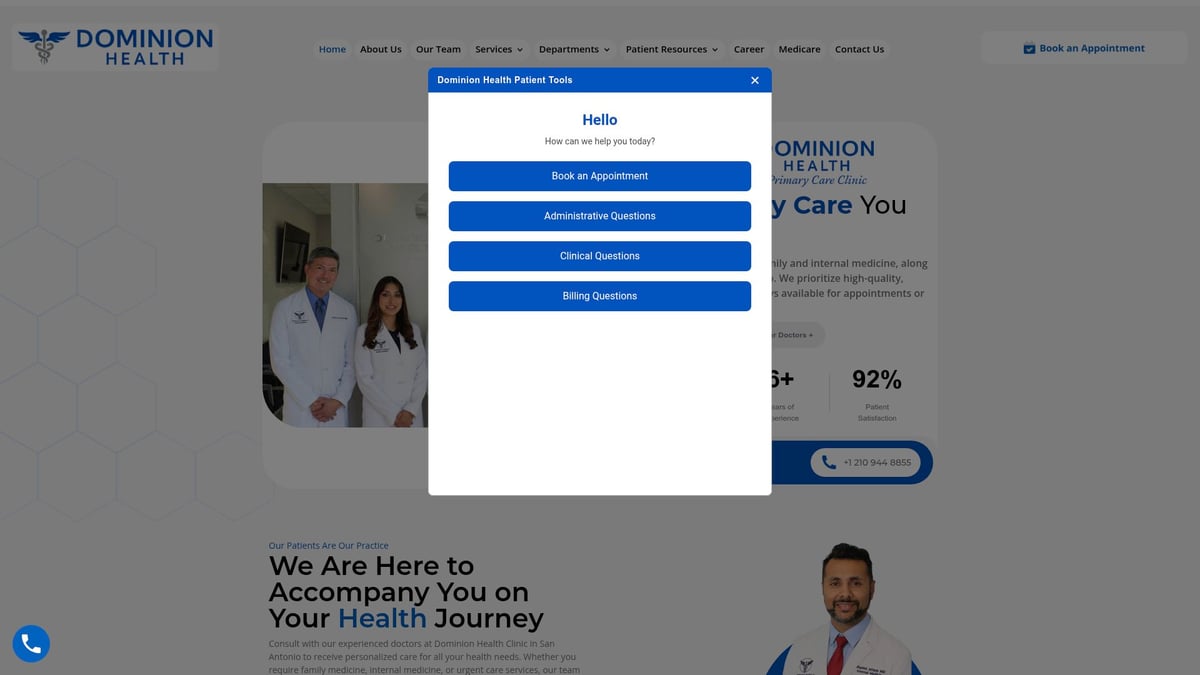
Their integrated digital tools, such as a patient portal and online booking, streamline healthcare management. Dominion Health’s insurance-friendly processes and high patient satisfaction ratings set them apart. For a deeper look at how family medicine and internal medicine are central to adult care, explore their Family medicine and primary care page.
Recognized among San Antonio’s best, Dominion Health supports adults through every stage of life with accessible, coordinated care.
Questions to Ask Before Making a Choice
Before selecting primary doctors for adults, prepare a list of essential questions. Start by asking about their approach to preventive care and how the clinic manages after-hours concerns.
Consider these important points:
- Are there language or cultural barriers that might affect communication?
- How are referrals and specialist coordination handled?
- What digital tools are available for communication and record-keeping?
Clear answers to these questions can help you gauge the clinic’s ability to meet your expectations.
Red Flags to Watch For
Be alert for warning signs when evaluating primary doctors for adults. Poor communication or rushed appointments may indicate a lack of patient-centered care.
Other red flags include:
- Lack of transparency on billing or insurance matters
- Consistently negative reviews or unresolved complaints
- Limited access to care or long wait times
Trust your instincts. If something feels off during your initial interactions, it may be best to continue your search for the right doctor.
What to Expect During Your Primary Care Visits
Visiting primary doctors for adults is more than just a routine appointment. Each visit is an opportunity to build a solid foundation for your ongoing health and well-being. Understanding what to expect during these visits can help you feel confident, prepared, and empowered in managing your health.

The Initial Appointment: Setting the Foundation
Your first visit with primary doctors for adults sets the stage for a lasting partnership. Expect a detailed review of your health history, including family medical background, medications, and lifestyle habits.
The doctor will conduct baseline screenings, such as blood pressure and body mass index. You will discuss your health goals and concerns, which helps tailor care to your unique needs. Communication preferences are established, ensuring your voice is heard from the start.
Routine Checkups and Preventive Screenings
Regular checkups with primary doctors for adults are crucial for maintaining good health. These visits often include a physical exam, bloodwork, and age-appropriate screenings for cholesterol, cancer, and other conditions.
Immunizations, such as annual flu shots, are updated as needed. By keeping up with preventive care, you reduce your risk of serious illness and catch potential issues early. The focus is always on proactive health management.
Managing Chronic Conditions
If you have ongoing health concerns, primary doctors for adults play a central role in monitoring and managing chronic diseases. You will receive personalized care plans, medication adjustments, and referrals to specialists as necessary.
For adults seeking comprehensive support, internal medicine for adults offers expertise in conditions like diabetes and hypertension. Consistent follow-up appointments help track your progress and ensure your treatment remains effective.
Navigating Referrals and Specialist Care
Primary doctors for adults coordinate your care when you need to see a specialist. They manage the referral process, explain insurance requirements, and facilitate communication between providers.
This seamless approach ensures your health information is shared accurately and efficiently. You can expect guidance on next steps, follow-up appointments, and clear answers to your questions about specialist care.
Virtual and In-Person Visit Expectations
With advancements in healthcare, primary doctors for adults now offer both virtual and in-person appointments. Virtual visits are ideal for follow-ups, medication refills, or discussing minor concerns. In-person visits remain essential for physical exams and certain screenings.
Before each visit, prepare your questions and gather relevant health information. Privacy and security are prioritized, especially during virtual consultations. Knowing when to choose each type of visit helps you get the most from your primary care experience.
The Role of Primary Doctors in Preventive Health
Preventive health is at the core of adult medicine today. As people age, the need for proactive care grows, making primary doctors for adults essential partners in long-term wellness. These physicians focus on stopping illness before it starts and guiding patients through every stage of prevention.

Preventive Care Services for Adults
Primary doctors for adults provide a wide range of preventive services designed to catch health problems early. These include screenings for common conditions such as cancer, heart disease, and diabetes. Regular counseling on nutrition, exercise, and mental health also plays a vital role.
Immunizations are another key preventive service. Adults may need vaccines for shingles, pneumonia, and tetanus, depending on age and health status. By keeping up with these services, patients lower their risk of serious illness and maintain a higher quality of life.
Routine preventive care helps adults stay ahead of potential health issues, creating a foundation for lifelong wellness.
Health Risk Assessments and Personalized Plans
A cornerstone of care from primary doctors for adults is the health risk assessment. Doctors use risk calculators and detailed health assessments to identify each person’s unique risk factors.
Based on these findings, the doctor builds a personalized prevention strategy. This might include more frequent screenings, tailored lifestyle recommendations, or early interventions for high-risk conditions. For example, adults with personalized prevention plans see a 23 percent reduction in hospitalization rates.
These customized plans empower patients to take control of their health and make informed choices about their care.
Early Detection and Intervention
Early detection is a key reason why primary doctors for adults are so important. Regular checkups allow for the identification of health problems before they become serious. For instance, routine blood pressure checks can reveal hypertension in its early stages, which can then be treated before complications arise.
A case study demonstrates how early intervention in hypertension prevents heart attacks and strokes. The doctor’s role is to spot these warning signs and act quickly, ensuring that minor health issues do not escalate.
By addressing problems early, patients benefit from better outcomes and fewer long-term complications.
Wellness and Lifestyle Support
Primary doctors for adults do more than diagnose and treat—they also help patients build healthier lifestyles. They offer support for quitting smoking, managing weight, and reducing stress. Many clinics refer patients to nutritionists, counselors, or structured wellness programs.
Studies show that primary care-led weight loss programs have an 8 to 10 percent higher success rate than self-guided efforts. Doctors create personalized plans that fit each patient’s needs and goals, offering encouragement and resources along the way.
This ongoing support helps adults maintain positive health habits and reduces the risk of chronic disease.
Monitoring and Follow-Up
Effective preventive care requires regular monitoring and timely follow-up. Primary doctors for adults schedule check-ins after abnormal test results and track each patient’s progress on health goals. Digital tools, like patient portals, make it easier to communicate and set reminders for future visits.
Continuity is vital here. According to a Benefits of Primary Care Continuity review, ongoing relationships with primary care physicians result in lower costs and better health utilization. This highlights the value of having a trusted doctor overseeing long-term preventive care.
Through consistent monitoring, doctors ensure that preventive measures are working and adjust plans as needed.
Building a Long-Term Relationship with Your Primary Doctor
Establishing a lasting relationship with primary doctors for adults is vital for long-term health and well-being. With consistent care, adults benefit from a provider who understands their medical history, lifestyle, and evolving needs. This section explores how continuity, communication, and teamwork with your primary care provider can transform your healthcare experience.
The Value of Continuity in Adult Care
Continuity with primary doctors for adults builds trust and leads to better health outcomes. When you see the same doctor over several years, your provider develops a deep understanding of your medical history, preferences, and risk factors. This familiarity helps prevent misdiagnoses and ensures treatments are tailored to your unique needs.
Research shows that patients who maintain a relationship with their primary doctors for adults for five or more years report higher satisfaction and improved management of chronic conditions. As more primary care providers affiliate with hospitals, Rising Affiliation of Primary Care Providers with Hospitals examines how these partnerships impact continuity and patient costs.
Effective Communication and Shared Decision-Making
Open communication is the foundation of successful relationships with primary doctors for adults. Preparing questions before appointments, discussing concerns honestly, and sharing feedback help your provider deliver more personalized care.
Shared decision-making means you and your doctor collaborate on treatment choices. This approach respects your values and preferences, resulting in better adherence to care plans. Always clarify instructions, ask about alternatives, and ensure you understand next steps.
Navigating Life Transitions and Changing Health Needs
As you age or face new health challenges, your needs from primary doctors for adults may shift. Life events such as moving, retirement, or developing chronic conditions often require adjustments in care.
Smooth transitions between providers are crucial to avoid gaps in treatment. For older adults, considering specialized geriatric care services can support complex health needs and ensure continuity. Keep your medical records updated and inform your new doctor about past treatments and preferences.
Advocacy and Patient Empowerment
Empowering yourself in healthcare means understanding your rights and responsibilities as a patient. Primary doctors for adults encourage you to access your health records, use patient portals, and actively participate in care decisions.
Do not hesitate to seek a second opinion if you have doubts about a diagnosis or treatment. Being proactive, informed, and assertive helps you get the most from your primary care experience. Remember, your voice matters in every healthcare encounter.
Maximizing the Benefits of Your Primary Care Team
Today, primary doctors for adults often work with a team including nurse practitioners, physician assistants, and specialists. Leveraging this team approach ensures comprehensive care and more efficient management of your health.
Take advantage of ancillary services like on-site labs and wellness programs. Integrated care teams have been shown to reduce emergency room visits and improve outcomes for adults. By actively engaging with your entire care team, you optimize every aspect of your healthcare journey.
The Future of Primary Care for Adults: Trends to Watch in 2026
As we look to 2026, the landscape for primary doctors for adults is rapidly evolving. New technologies, changing patient expectations, and a focus on proactive health are reshaping the way adults receive care. Understanding these trends can help adults make informed choices and maximize their health outcomes.
Personalized Medicine and Genomics
Primary doctors for adults are now leveraging advances in genomics and personalized medicine. By analyzing a patient’s genetic profile, physicians can tailor screening schedules, medication choices, and prevention strategies. This individualized approach leads to earlier interventions and improved long-term health.
Telehealth and AI-Powered Diagnostics
The integration of telehealth and artificial intelligence is transforming daily practice for primary doctors for adults. Virtual visits are more common, allowing adults to access care from home or work. AI-powered tools assist with diagnosis, risk assessment, and population health trends. For a deeper dive into how AI is scaling innovation in healthcare, see AI in Healthcare: Scaling Innovation Amid Compliance Challenges.
Mental Health Integration and Value-Based Care
The role of primary doctors for adults increasingly includes mental health support. Clinics now integrate behavioral health screenings and offer therapy referrals as part of routine visits. Value-based care models reward practices for improving patient outcomes, not just delivering services. This shift encourages more holistic, preventive care and stronger doctor-patient relationships.
Increased Accessibility and Hybrid Care Models
Accessibility is expanding through community clinics, mobile health units, and hybrid models that blend in-person and virtual care. According to a 2025 survey, 62 percent of adults prefer a combination of office and online visits. For more on the technology trends reshaping patient care, visit Top Five Health Care Trends of 2026. These changes make it easier for adults to connect with the right primary doctors for adults, regardless of location or schedule.
In summary, the future for primary doctors for adults is bright, with technology, personalization, and accessibility at the forefront. Adults can expect more tailored care, better health outcomes, and a stronger partnership with their doctor as these trends continue to develop.
As you’ve seen, having a trusted primary doctor is key to navigating the complexities of adult healthcare, from preventive screenings to managing chronic conditions. At Dominion Health, you get the advantage of same day appointments, integrated specialty support, and a seamless experience—whether you visit in person or connect virtually. If you’re ready to take charge of your health and build a long term partnership with a primary care team dedicated to your well being, don’t wait. You can easily take the next step and Book Appointment today.