Choosing the right primary care provider transforms how you experience healthcare. When people say "my doctor office," they're talking about more than just a building where they receive medical care. They're describing a relationship with a healthcare team that understands their needs, provides comprehensive services, and offers convenient access to medical expertise. In 2026, the best medical offices combine cutting-edge technology with compassionate care, creating environments where patients feel valued and supported throughout their healthcare journey.
What Defines an Exceptional Primary Care Practice
The foundation of any outstanding medical practice starts with accessibility and comprehensive care delivery. My doctor office should function as a healthcare hub where all your medical needs can be addressed under one roof. This integrated approach eliminates the frustration of coordinating multiple appointments across different locations and specialists.
Modern primary care clinics now offer in-house ancillary services that previously required separate referrals. These services include laboratory work, diagnostic imaging, physical therapy, and specialized consultations. When these capabilities exist within a single practice, patients benefit from faster results, better care coordination, and improved health outcomes.
Same-Day Appointment Availability
Access to timely medical care represents one of the most critical factors in patient satisfaction. Research indicates that patient satisfaction in healthcare centers directly correlates with appointment availability and wait times. My doctor office should accommodate urgent concerns without forcing patients into emergency room visits for non-emergency situations.
Same-day appointment systems require:
- Flexible scheduling protocols
- Adequate staffing levels
- Efficient triage processes
- Extended operating hours
- Walk-in capabilities for acute issues
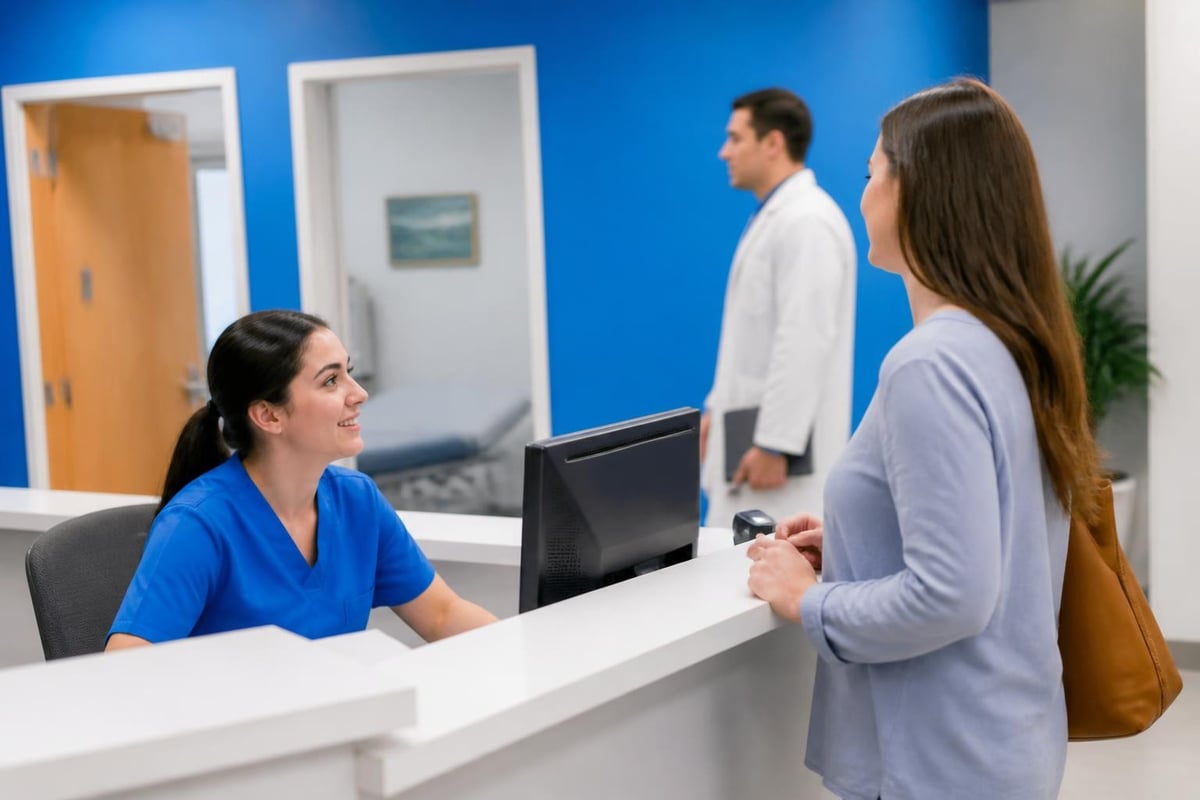
The ability to see your regular physician on the same day you experience symptoms creates continuity that improves diagnostic accuracy. Your doctor already knows your medical history, current medications, and health concerns, allowing for more informed decision-making.
Comprehensive Services Within Your Medical Home
The concept of a medical home has evolved significantly over recent years. My doctor office now serves as a centralized point for all healthcare needs, from routine preventive care to management of chronic conditions and acute illnesses. This comprehensive approach follows best practices for managing a successful medical office that prioritize patient-centered care delivery.
In-House Ancillary Services
Having diagnostic and therapeutic services available on-site dramatically improves the patient experience. Consider the difference between these two scenarios:
| Traditional Model | Integrated Model |
|---|---|
| Doctor orders lab work at separate facility | Lab work completed during same visit |
| Wait 3-5 days for results | Results available within hours |
| Return for follow-up discussion | Discuss results same day or next day |
| Multiple co-pays and bills | Single streamlined billing |
| Coordination across providers | Seamless internal communication |
In-house capabilities typically include:
- Complete laboratory services
- Diagnostic imaging (X-ray, ultrasound)
- Physical therapy and rehabilitation
- Minor surgical procedures
- Preventive screenings
- Vaccination programs
This integration ensures that my doctor office can address most healthcare needs without requiring patients to navigate complex healthcare systems independently.
Subspecialty Support and Coordination
Even the most comprehensive primary care practice occasionally needs specialist input for complex cases. The distinction lies in how that coordination occurs. Quality medical offices maintain relationships with subspecialists who can provide consultations, second opinions, or ongoing specialized care when needed.
Effective subspecialty support means:
- Direct communication channels between primary care and specialists
- Shared electronic health records for seamless information transfer
- Coordinated treatment plans that avoid contradictory recommendations
- Regular case conferences for complex patients
- Clear care transition protocols
When subspecialty support functions properly within my doctor office ecosystem, patients experience cohesive care rather than fragmented services from disconnected providers.
Patient-Centered Care Across All Ages
Family medicine practices that serve patients across the lifespan create unique value for households. When my doctor office provides care for all ages, families can consolidate appointments, build long-term relationships with providers, and ensure consistency in healthcare philosophy across generations.
Pediatric Through Geriatric Care
Comprehensive age-spanning services require:
- Pediatric expertise for well-child visits, immunizations, and developmental assessments
- Adolescent care addressing physical and mental health transitions
- Adult preventive medicine and chronic disease management
- Geriatric care focusing on aging-related concerns and quality of life
- Women's health services throughout reproductive years and beyond
- Men's health screening and disease prevention

This cradle-to-grave approach creates medical records that span decades, providing invaluable historical context for diagnosing and treating new conditions. Studies on continuity of care and patient satisfaction demonstrate that long-term relationships between patients and providers improve health outcomes and patient contentment.
Building Trust Through Consistent Relationships
The relationship between patient and physician develops over time through repeated interactions and shared experiences. My doctor office becomes truly effective when patients trust their providers enough to discuss sensitive health concerns, follow treatment recommendations, and engage in preventive care.
Trust-building elements include:
- Consistent provider assignments rather than rotating staff
- Adequate appointment times for thorough discussions
- Follow-up communication after visits
- Accessibility for questions between appointments
- Respect for patient preferences and values
Research into overlooked attributes of patient satisfaction reveals that interpersonal dynamics often matter more than technical competence in patient perceptions of care quality.
Operational Excellence in Medical Practice Management
Behind every exceptional patient experience lies operational infrastructure that supports efficient, high-quality care delivery. My doctor office must balance clinical excellence with sound business practices to remain sustainable and accessible. Managing a physician’s office effectively requires attention to multiple operational domains.
Staffing and Team Dynamics
The clinical team extends far beyond physicians to include:
- Nurse practitioners and physician assistants providing extended care capacity
- Registered nurses managing clinical workflows and patient education
- Medical assistants supporting examination and procedures
- Front desk staff creating first impressions and managing logistics
- Billing specialists ensuring financial operations
- Care coordinators facilitating complex case management
Team cohesion directly impacts patient experience. When staff members communicate effectively, share information seamlessly, and support one another professionally, patients receive more coordinated and compassionate care.
Technology Integration
Modern medical offices leverage technology to enhance both clinical care and operational efficiency:
| Technology | Patient Benefit | Operational Benefit |
|---|---|---|
| Electronic Health Records | Accessible medical history | Reduced documentation time |
| Patient Portals | Lab results, messaging, scheduling | Decreased phone volume |
| Telehealth Platforms | Remote consultations | Expanded access capacity |
| Automated Appointment Reminders | Fewer missed appointments | Optimized scheduling |
| E-Prescribing | Faster pharmacy fulfillment | Reduced errors |
These systems work together to create an environment where my doctor office operates smoothly while delivering personalized attention to each patient.
The Financial Aspects of Primary Care
Understanding the financial relationship between patients and their medical office promotes transparency and reduces stress around healthcare costs. My doctor office should provide clear information about pricing, insurance coverage, and payment options before services are rendered whenever possible.
Insurance Navigation and Billing Practices
Primary care practices typically accept multiple insurance plans, creating complexity in billing and reimbursement. Quality offices assist patients by:
- Verifying insurance coverage before appointments
- Explaining benefits and out-of-pocket costs clearly
- Submitting claims accurately and promptly
- Addressing billing questions and disputes
- Offering payment plans for uninsured or underinsured patients
Transparent financial practices reduce one significant source of healthcare-related anxiety and improve overall satisfaction with my doctor office experience.
Value-Based Care Models
The healthcare industry is transitioning from fee-for-service models toward value-based care that rewards outcomes rather than volume. This shift aligns provider incentives with patient interests, encouraging:
- Preventive care that reduces future disease burden
- Chronic disease management that prevents complications
- Care coordination that eliminates unnecessary services
- Patient education that promotes health literacy
- Population health initiatives addressing community needs
When my doctor office participates in value-based arrangements, patients often benefit from enhanced services, improved access, and more proactive health management.

Mental Health Integration in Primary Care
The recognition that mental and physical health are inseparable has prompted integration of behavioral health services into primary care settings. Research examining patient satisfaction with primary healthcare and mental health demonstrates significant relationships between these domains.
Addressing Whole-Person Health
My doctor office increasingly screens for depression, anxiety, substance use disorders, and other mental health conditions during routine visits. This integration allows for:
- Early identification of mental health concerns
- Reduced stigma through normalization in primary care
- Coordinated treatment of co-occurring conditions
- Medication management in familiar settings
- Referrals to specialized mental health providers when needed
Comprehensive primary care addresses the complete person, recognizing that untreated mental health conditions complicate physical disease management and reduce quality of life.
Preventive Care and Wellness Programs
The most effective medical interventions are those that prevent disease before it develops. My doctor office should emphasize preventive services that keep patients healthy rather than only treating illness after it occurs.
Essential preventive services include:
- Age-appropriate health screenings
- Immunization programs for all ages
- Cancer screening protocols
- Cardiovascular risk assessment
- Diabetes prevention programs
- Weight management support
- Smoking cessation assistance
- Exercise and nutrition counseling
These services require systematic approaches to ensure eligible patients receive appropriate screenings and interventions at recommended intervals. Patient satisfaction measurement often incorporates preventive care delivery as a key quality indicator.
Communication and Health Literacy
Effective healthcare requires clear communication between providers and patients. My doctor office should prioritize health literacy, ensuring that patients understand their diagnoses, treatment options, and self-care instructions.
Enhancing Patient Understanding
Communication strategies include:
- Using plain language rather than medical jargon
- Providing written summaries of visit discussions
- Utilizing teach-back methods to confirm comprehension
- Offering educational materials at appropriate reading levels
- Supporting decision-making with visual aids and decision tools
When patients truly understand their health conditions and treatment plans, they're more likely to follow recommendations and achieve better outcomes.
Digital Communication Channels
Modern patient-provider communication extends beyond office visits through:
- Secure messaging through patient portals
- Email updates about test results
- Text message appointment reminders
- Video consultations for follow-up discussions
- Mobile apps for symptom tracking and medication adherence
These channels increase accessibility while respecting patient preferences for communication methods. Quality medical practices at Dominion health recognize that different patients prefer different communication modes and accommodate those preferences.
Quality Improvement and Patient Feedback
Continuous quality improvement distinguishes exceptional medical offices from merely adequate ones. My doctor office should systematically collect patient feedback, analyze performance data, and implement changes based on findings.
Measuring and Responding to Patient Satisfaction
Quality metrics tracked by leading practices include:
| Metric | Measurement Method | Target |
|---|---|---|
| Appointment Access | Days to third available appointment | ≤ 3 days |
| Wait Times | Minutes from scheduled time to provider | ≤ 15 minutes |
| Patient Satisfaction | Post-visit surveys | ≥ 90% satisfied |
| Clinical Outcomes | Disease-specific quality measures | Meet benchmarks |
| Care Coordination | Specialist referral completion rates | ≥ 85% |
Regular review of these metrics allows my doctor office to identify improvement opportunities and track progress over time.
The Future of Primary Care
Healthcare continues evolving rapidly, with innovations that will reshape how my doctor office operates in coming years. Emerging trends include:
- Artificial intelligence supporting diagnostic accuracy
- Wearable devices providing continuous health monitoring
- Genomic medicine personalizing treatment approaches
- Social determinants of health screening and intervention
- Community partnerships addressing population health
Forward-thinking primary care practices prepare for these changes while maintaining focus on fundamental principles: accessibility, comprehensiveness, coordination, continuity, and patient-centeredness.
Modern primary care has evolved into a comprehensive, patient-centered model that addresses the full spectrum of health needs across all life stages. The best medical offices combine clinical excellence with operational efficiency, creating environments where patients receive timely, coordinated, and compassionate care. Whether you need same-day appointments for acute concerns, management of chronic conditions, or preventive services to maintain wellness, Dominion health provides the comprehensive primary care your family deserves, with in-house ancillary services and subspecialty support that keeps your healthcare simple and effective.