Finding quality healthcare starts with locating the right primary care provider in your community. When you search for a "family physician near me," you're taking the first step toward establishing a long-term relationship with a medical professional who can address your entire family's health needs. Family physicians provide comprehensive care across all ages, from newborns to seniors, making them uniquely positioned to understand your family's complete medical history and deliver personalized treatment plans.
Understanding What Family Physicians Offer
Family medicine represents one of the most versatile medical specialties in healthcare today. Unlike specialists who focus on specific body systems or age groups, family physicians receive extensive training to treat a wide range of conditions affecting patients throughout their lifetime.
Comprehensive Primary Care Services
Family physicians serve as your first point of contact for most health concerns. They diagnose and treat acute illnesses like infections, injuries, and sudden symptoms while also managing chronic conditions such as diabetes, hypertension, and asthma. The American Academy of Family Physicians recognizes these providers as uniquely trained to deliver continuous, comprehensive care.
Core services typically include:
- Annual physical examinations and wellness visits
- Immunizations and preventive screenings
- Acute illness treatment and minor injury care
- Chronic disease management and monitoring
- Mental health support and counseling
- Women's health services and prenatal care
- Pediatric care from infancy through adolescence
- Geriatric care for aging patients
The breadth of training family physicians receive enables them to handle approximately 90% of patient concerns without requiring specialist referrals. This continuity of care improves health outcomes and reduces unnecessary healthcare costs.

Same-Day Appointments and Accessibility
Modern family medicine practices recognize that health concerns don't always occur during convenient business hours. The ability to see patients the same day they call represents a significant advantage when searching for a family physician near me. Prompt access to care prevents minor issues from escalating into serious complications.
Same-day availability particularly benefits families with young children, elderly relatives, or members managing chronic conditions that occasionally require immediate attention. Quick access reduces emergency room visits for non-emergent issues, saving both time and money.
The Role of In-House Ancillary Services
Advanced primary care clinics now offer diagnostic and therapeutic services on-site, eliminating the need for multiple appointments at different locations. This integrated approach streamlines care delivery and improves patient convenience.
| Service Type | Benefits | Common Applications |
|---|---|---|
| Laboratory Testing | Immediate results, faster diagnosis | Blood work, urinalysis, cultures |
| Imaging Services | On-site X-rays and diagnostics | Fractures, chest infections, joint problems |
| Minor Procedures | Same-visit treatment | Wound care, biopsies, injections |
| Physical Therapy | Coordinated rehabilitation | Injury recovery, mobility improvement |
Having these services available where you receive primary care creates seamless coordination between your family physician and support services. Your doctor can order tests, review results, and adjust treatment plans during the same visit, significantly accelerating the diagnostic process.
Subspecialty Support Integration
While family physicians handle the majority of health concerns, certain conditions benefit from subspecialist consultation. The evolving role of family physicians includes coordinating with specialists to ensure patients receive comprehensive care without losing the continuity that primary care provides.
Modern primary care clinics establish relationships with subspecialists in:
- Cardiology for complex heart conditions
- Endocrinology for diabetes and thyroid disorders
- Orthopedics for musculoskeletal injuries
- Dermatology for skin conditions
- Gastroenterology for digestive system issues
This integrated network means your family physician remains your healthcare quarterback, coordinating all aspects of your treatment while bringing in specialists when needed. You maintain one central medical home while accessing advanced expertise.
Finding the Right Family Physician Near Me
Location matters, but proximity shouldn't be your only consideration. The ideal family physician combines accessibility with quality care, patient-centered communication, and comprehensive services.
Key Factors to Evaluate
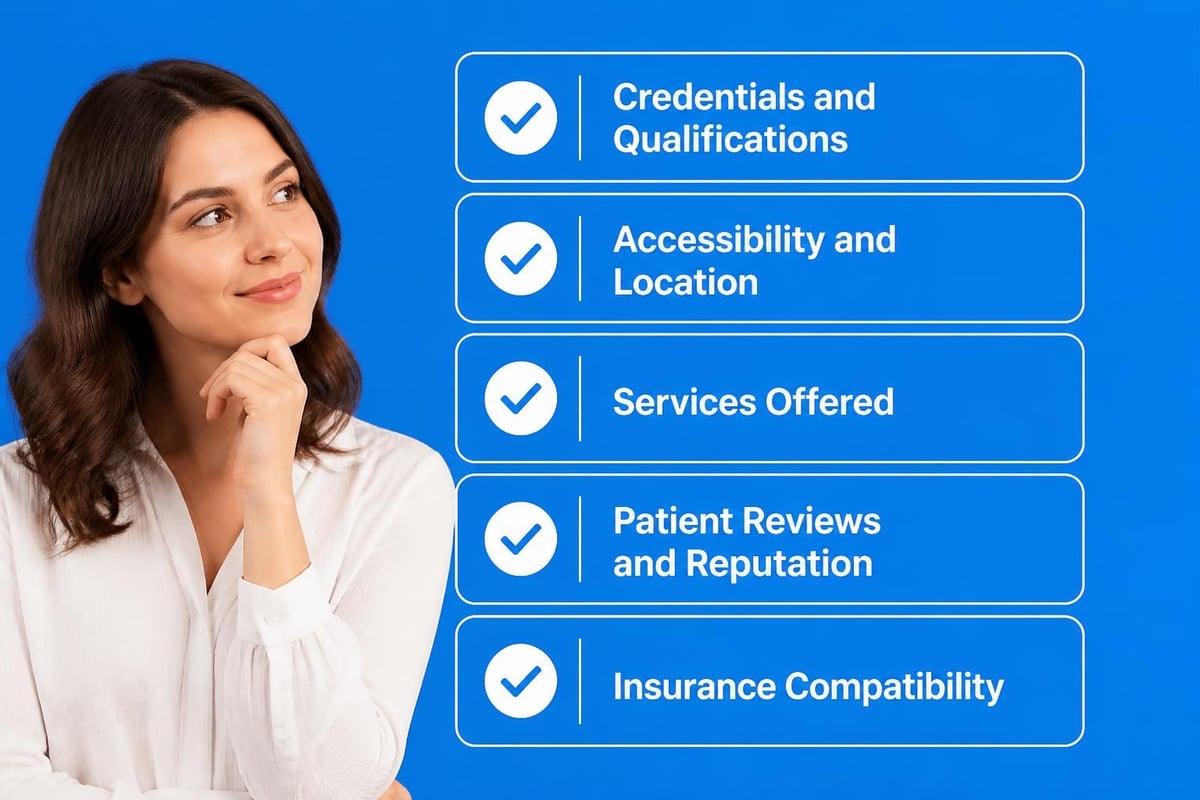
Board Certification and Training: Verify that potential physicians completed accredited family medicine residency programs and maintain current board certification. This ensures they've met rigorous educational and examination standards.
Office Hours and Availability: Consider practices offering extended hours, weekend availability, or same-day appointments. Healthcare needs don't always align with traditional 9-to-5 schedules.
Patient Reviews and Reputation: Research online reviews and ask neighbors for recommendations. Pay attention to comments about wait times, staff courtesy, and physician communication style.
Insurance Acceptance: Confirm the practice accepts your insurance plan before scheduling appointments. Understanding coverage prevents unexpected bills.
- Check credentials through state medical boards
- Review patient satisfaction scores and testimonials
- Evaluate office location and parking convenience
- Assess communication methods (patient portal, telehealth options)
- Verify in-network status with your insurance provider
The Importance of Continuity in Primary Care
Establishing a long-term relationship with one family physician creates significant health advantages. Primary health care systems emphasize continuity as essential for optimal outcomes. Your physician learns your medical history, understands your health goals, and recognizes subtle changes that might indicate developing problems.
Continuity enables:
- Better preventive care through consistent monitoring and screening
- Improved chronic disease management with ongoing treatment adjustments
- Enhanced communication built on established trust and rapport
- Reduced medical errors from comprehensive knowledge of your health history
- Lower healthcare costs through coordinated, efficient care delivery
Patients who maintain long-term relationships with family physicians experience fewer hospitalizations, better medication adherence, and higher satisfaction with their healthcare experience.
What to Expect During Your First Visit
Your initial appointment with a new family physician establishes the foundation for your ongoing healthcare relationship. Come prepared to discuss your complete medical history, current concerns, and health goals.
Essential Information to Bring
Documentation helps your physician understand your health status quickly and accurately. Gather these materials before your appointment:
- Previous medical records including recent test results and imaging reports
- Current medication list with dosages and frequencies
- Immunization records for yourself and family members
- Insurance cards and identification
- Family health history noting chronic conditions in blood relatives
Many practices send new patient questionnaires before your first visit. Complete these thoroughly, as they help your physician prepare for your consultation and use appointment time efficiently.
Building Your Care Plan
Your family physician will conduct a comprehensive assessment covering your physical health, mental wellbeing, and lifestyle factors. This holistic approach, supported by research on primary care quality, identifies opportunities for preventive interventions and early disease detection.
Expect discussion about:
- Current symptoms or health concerns
- Preventive screenings appropriate for your age and risk factors
- Lifestyle modifications supporting better health
- Medication management and potential interactions
- Referrals to specialists if needed
- Follow-up schedules for ongoing conditions
Your physician should encourage questions and ensure you understand recommendations before leaving. Good communication forms the cornerstone of effective primary care.
Age-Specific Care Across the Lifespan
Family physicians uniquely provide care continuity as your family grows and ages. This cradle-to-grave approach means one physician can serve multiple generations, understanding how health patterns run through families.
Pediatric and Adolescent Care
Children benefit from consistent relationships with physicians who track their growth, development, and changing health needs. Family physicians provide:
| Age Group | Key Services | Focus Areas |
|---|---|---|
| Infants (0-1 year) | Well-baby checks, immunizations, feeding guidance | Growth monitoring, developmental milestones |
| Toddlers (1-3 years) | Vaccinations, injury prevention, behavioral guidance | Motor skills, speech development, nutrition |
| School Age (4-12 years) | Sports physicals, acute illness care, health education | Academic performance, physical activity, safety |
| Adolescents (13-18 years) | Reproductive health, mental health screening, preventive counseling | Independence, risky behaviors, college preparation |
Family physicians address both physical and emotional development, preparing young patients for healthy adulthood.
Adult and Geriatric Services
As patients mature, healthcare needs shift toward chronic disease prevention and management. Adults searching for a family physician near me should prioritize providers experienced in:
- Cardiovascular risk assessment and cholesterol management
- Cancer screenings including mammograms, colonoscopies, and skin checks
- Metabolic health monitoring for diabetes and obesity
- Mental health support for depression and anxiety
- Reproductive health including contraception and menopause management
Senior patients require specialized attention to multiple chronic conditions, medication interactions, fall prevention, and cognitive health. Family physicians coordinate care across these complex needs while maintaining quality of life.

The Value of Preventive Care and Screenings
Family physicians excel at keeping patients healthy through proactive interventions. Regular preventive visits identify risk factors before they develop into serious conditions, significantly reducing morbidity and healthcare costs.
Evidence-Based Screening Schedules
Professional guidelines recommend specific screenings based on age, gender, and risk factors. Your family physician customizes these recommendations to your individual situation:
Routine screenings for adults include:
- Blood pressure checks at every visit
- Cholesterol panels every 4-5 years (more frequently with risk factors)
- Diabetes screening for adults over 35 or with risk factors
- Colorectal cancer screening beginning at age 45
- Breast cancer mammography for women starting at age 40
- Cervical cancer screening every 3-5 years for women
- Osteoporosis screening for women over 65 and high-risk men
- Depression and anxiety screenings during annual visits
Preventive care extends beyond screenings to include immunizations, lifestyle counseling, and early intervention strategies. Family physicians help patients understand their personal risk profiles and take action to maintain optimal health.
Chronic Disease Prevention
Many serious conditions develop gradually over years before symptoms appear. Regular visits with your family physician enable early detection and intervention. Through monitoring trends in weight, blood pressure, blood sugar, and cholesterol, physicians identify concerning patterns and implement prevention strategies.
Effective prevention strategies include:
- Nutrition counseling tailored to your health goals
- Exercise recommendations appropriate for your fitness level
- Stress management techniques
- Sleep hygiene improvement
- Tobacco cessation support
- Alcohol consumption guidance
These interventions prevent or delay conditions like diabetes, heart disease, stroke, and certain cancers. The investment in preventive care pays substantial dividends through improved health and reduced medical expenses.
Making the Most of Your Primary Care Relationship
Your partnership with your family physician works best when both parties actively participate. Patients who engage in their healthcare achieve better outcomes and higher satisfaction.
Communication Best Practices
Effective communication ensures your physician understands your concerns and you comprehend their recommendations. Prepare for appointments by listing questions and prioritizing your most important concerns. Be honest about symptoms, medication adherence, and lifestyle factors, even when difficult.
Between visits, many practices offer patient portals for:
- Viewing test results and medical records
- Requesting prescription refills
- Sending non-urgent messages to your care team
- Scheduling appointments and accessing telehealth services
- Receiving educational resources and health reminders
These digital tools enhance communication and make healthcare more convenient. Dominion health provides comprehensive support systems helping patients stay connected with their care teams.
When to Schedule Appointments
Beyond annual wellness visits, contact your family physician when experiencing:
- New or worsening symptoms that concern you
- Medication side effects or questions about prescriptions
- Follow-up needs after emergency room or urgent care visits
- Specialist recommendations requiring primary care coordination
- Life changes affecting health (pregnancy, job stress, family illness)
Don't hesitate to seek care for concerns that seem minor. Family physicians prefer addressing issues early rather than treating preventable complications. Same-day appointment availability makes prompt evaluation convenient and accessible.
Integrated Care Models in Modern Primary Care
Contemporary family medicine embraces team-based care delivery, expanding capabilities beyond traditional physician-only models. Integrated practices employ nurse practitioners, physician assistants, medical assistants, care coordinators, and other professionals working collaboratively.
This team approach provides several advantages:
- Extended access through multiple providers offering same-day appointments
- Specialized expertise from team members with focused training
- Comprehensive services addressing medical, behavioral, and social health needs
- Improved coordination through regular team communication
- Patient education from multiple touchpoints reinforcing key messages
Your family physician leads this team, ensuring coordinated care aligned with your health goals and preferences. Team members contribute their specialized skills while maintaining the continuity that makes primary care effective.
Behavioral Health Integration
Mental and physical health interconnect profoundly, yet healthcare traditionally separates these domains. Modern family medicine practices increasingly integrate behavioral health services, recognizing that depression, anxiety, stress, and substance use significantly impact overall health.
Integrated behavioral health offers:
- Screening for mental health conditions during routine visits
- Brief counseling interventions for common concerns
- Medication management for psychiatric conditions
- Referrals to specialty mental health providers when needed
- Coordination between physical and mental health treatments
This holistic approach, detailed in American Family Physician journal articles, improves outcomes for patients managing both physical and mental health conditions.
Technology and Convenience in Family Medicine
Modern primary care leverages technology to improve access, quality, and patient experience. When searching for a family physician near me in 2026, expect practices offering digital conveniences that complement in-person care.
Telehealth Services
Virtual visits expanded dramatically in recent years, providing convenient access for appropriate conditions. Telehealth works well for:
- Follow-up appointments after procedures or hospitalizations
- Medication management and adjustment discussions
- Minor acute illnesses requiring evaluation but not physical examination
- Mental health counseling and support
- Chronic disease monitoring and education
While telehealth doesn't replace all in-person visits, it offers flexibility for busy patients and those with transportation challenges. Many insurance plans now cover telehealth services comparably to office visits.
Digital Health Tools
Progressive practices integrate technology supporting better health management:
| Technology | Function | Patient Benefit |
|---|---|---|
| Patient Portals | Secure messaging, records access, appointment scheduling | 24/7 access to health information |
| Remote Monitoring | Track blood pressure, glucose, weight at home | Early detection of concerning trends |
| Mobile Apps | Symptom tracking, medication reminders, educational content | Improved self-management capabilities |
| Electronic Prescribing | Direct medication orders to pharmacies | Reduced errors, improved convenience |
These tools enhance communication between visits and empower patients to participate actively in their healthcare. Your family physician can monitor data between appointments and intervene promptly when needed.
Insurance, Costs, and Healthcare Value
Understanding the financial aspects of primary care helps you maximize your healthcare investment. Family physicians typically represent excellent value, providing comprehensive services at lower costs than urgent care or emergency department visits.
Insurance Coverage and Primary Care
Most insurance plans, including Medicare and Medicaid, cover preventive services at 100% without copays or deductibles. Annual wellness visits, recommended screenings, and immunizations fall under this preventive coverage, making regular care affordable.
For non-preventive services, your out-of-pocket costs depend on your specific plan:
- Copayments: Fixed amounts per visit (typically $20-50 for primary care)
- Coinsurance: Percentage of costs you pay after meeting deductibles
- Deductibles: Amount you pay before insurance coverage begins
Verify your family physician participates in your insurance network. Out-of-network care typically costs significantly more, with higher deductibles and reduced coverage percentages.
The Economic Value of Primary Care
Investing in regular primary care produces substantial long-term savings. Studies consistently show that patients with established primary care relationships experience:
- Fewer emergency department visits for non-urgent conditions
- Lower hospitalization rates through better chronic disease management
- Reduced specialist visits through comprehensive primary care treatment
- Earlier disease detection, enabling less expensive interventions
- Better medication management, preventing adverse events and complications
These savings far exceed the cost of regular primary care visits, making family physicians essential for both health and financial wellbeing.
Finding the right family physician near me establishes the foundation for lifelong health and wellbeing across all life stages. Quality primary care combines accessibility, comprehensive services, preventive focus, and coordinated specialty support within trusting patient-physician relationships. When you're ready to experience primary care that serves your entire family with same-day availability, in-house ancillary services, and subspecialty coordination, Dominion health welcomes patients of all ages to our comprehensive clinic. Schedule your first appointment today and discover how integrated, patient-centered care transforms your healthcare experience.