Finding quality healthcare in the Lone Star State requires understanding what a modern texas primary care clinic offers and how it serves as the foundation of your health journey. Primary care has evolved significantly in 2026, with clinics now providing comprehensive services that extend far beyond basic checkups. Today's primary care facilities combine traditional medical expertise with advanced diagnostic capabilities, specialty support, and patient-centered convenience that makes managing your health simpler than ever before.
Understanding the Role of Primary Care in Texas
Primary care serves as the first point of contact for patients seeking medical attention, functioning as the cornerstone of the healthcare system. A texas primary care clinic coordinates all aspects of your healthcare, from preventive services to chronic disease management, ensuring continuity across your medical journey.
What Primary Care Services Include
Modern primary care encompasses a broad spectrum of medical services designed to keep you healthy throughout your lifetime. These services address both immediate health concerns and long-term wellness goals.
Core primary care services include:
- Annual wellness examinations and physical assessments
- Immunizations and preventive screenings
- Acute illness treatment (infections, injuries, minor emergencies)
- Chronic disease management (diabetes, hypertension, asthma)
- Health counseling and lifestyle modification guidance
- Prescription management and medication reviews
- Referrals to specialists when needed
The Texas Medical Board establishes standards and requirements that govern how primary care providers practice in the state, ensuring quality care across all facilities. These regulations protect patients while maintaining professional accountability among healthcare providers.
The Advantage of In-House Ancillary Services
A comprehensive texas primary care clinic distinguishes itself by offering ancillary services under one roof. This integration eliminates the hassle of visiting multiple locations for diagnostic testing or specialized procedures.
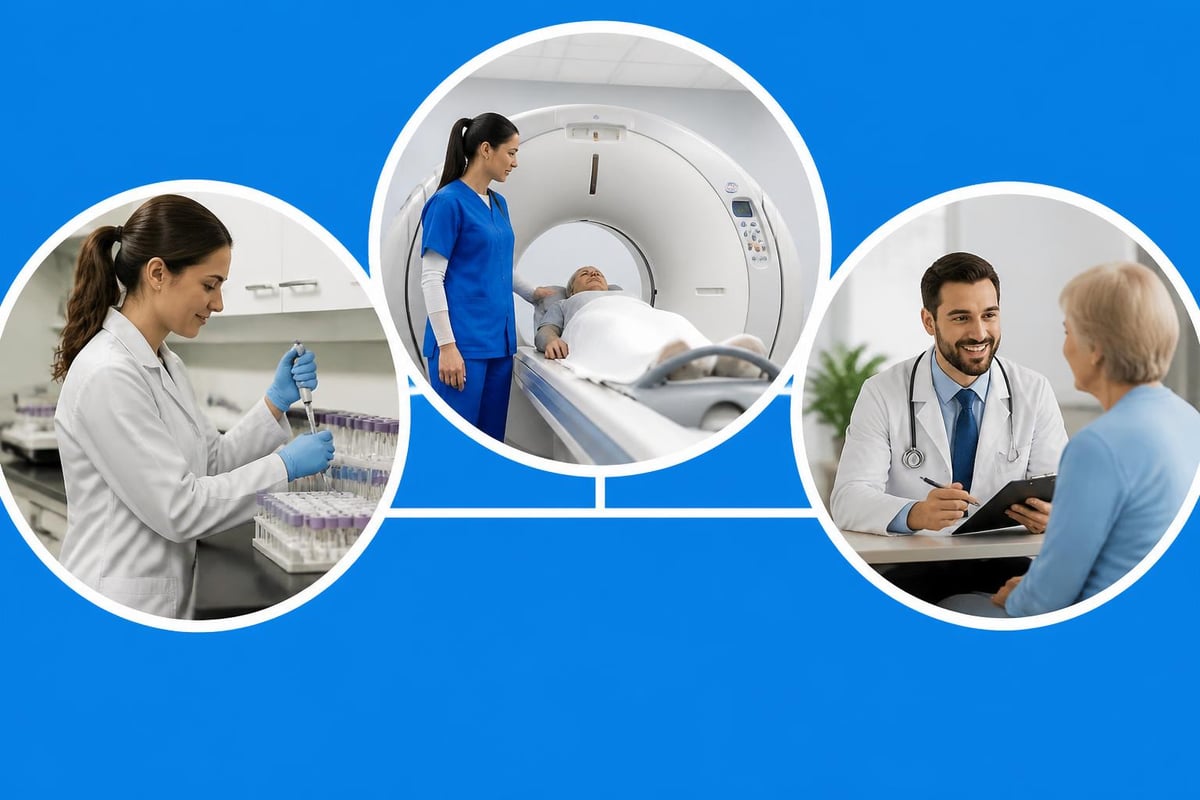
In-house ancillary services typically encompass laboratory testing, diagnostic imaging, minor surgical procedures, and physical therapy. When your primary care provider can order bloodwork and receive results within hours rather than days, diagnosis becomes faster and treatment starts sooner. This efficiency proves particularly valuable for managing acute conditions or monitoring chronic diseases that require frequent testing.
Same-Day Appointments: Changing Healthcare Access
The traditional model of waiting days or weeks for a doctor's appointment no longer meets patient needs in 2026. A texas primary care clinic that offers same-day appointments recognizes that health concerns don't follow convenient schedules.
When Same-Day Care Matters Most
Same-day access becomes critical for various health situations that fall between minor inconveniences and emergency room visits. Understanding when to seek immediate primary care helps you make informed decisions about your health.
| Condition Type | Examples | Why Same-Day Matters |
|---|---|---|
| Acute Infections | UTIs, strep throat, ear infections | Early treatment prevents complications |
| Minor Injuries | Sprains, cuts requiring evaluation, minor burns | Proper wound care reduces infection risk |
| Chronic Disease Flares | Asthma exacerbations, diabetes concerns | Quick intervention prevents hospitalization |
| Medication Issues | Side effects, dosage concerns, lost prescriptions | Medication continuity maintains health stability |
Facilities offering same-day appointments typically reserve slots throughout each day or extend hours to accommodate urgent needs. This flexibility ensures you receive timely care without resorting to costly emergency department visits for non-emergency situations.
Choosing a Texas Primary Care Clinic
Selecting the right primary care provider represents one of the most important healthcare decisions you'll make. The ideal clinic combines medical expertise, convenience, and comprehensive services tailored to your specific needs.
Key Factors to Evaluate
When researching potential primary care options, consider both practical factors and quality indicators that signal excellent patient care.
Essential evaluation criteria:
- Provider credentials and experience – Verify board certifications and years in practice
- Service comprehensiveness – Confirm availability of needed services and specialties
- Location and accessibility – Consider travel time and parking convenience
- Insurance acceptance – Ensure your coverage is accepted to minimize out-of-pocket costs
- Technology integration – Look for patient portals, telehealth options, and electronic records
- Patient reviews – Read testimonials about wait times, staff friendliness, and care quality
The distribution of licensed medical professionals varies across Texas, with some regions facing provider shortages. Understanding these patterns helps you appreciate the value of accessible primary care in your community.
Understanding Health Professional Shortage Areas
Texas has designated Health Professional Shortage Areas where primary care access remains limited. These designations identify regions with insufficient medical services relative to population needs, helping direct resources and healthcare providers to underserved communities.
If you live in or near a shortage area, finding a texas primary care clinic becomes even more crucial for maintaining consistent access to medical care. Clinics in these regions often receive additional support and may participate in programs that expand services to meet community needs.

Specialty Support Within Primary Care
The integration of specialty support within primary care settings represents a significant advancement in healthcare delivery. Rather than managing all aspects of complex conditions alone, your primary care physician coordinates with specialists to provide comprehensive treatment.
How Specialty Integration Works
Modern primary care clinics establish relationships with specialists across multiple disciplines, creating a network of expertise accessible through your primary provider. This coordination ensures seamless transitions when specialized care becomes necessary.
Common specialties integrated with primary care:
- Cardiology for heart health and cardiovascular conditions
- Endocrinology for diabetes and hormonal disorders
- Dermatology for skin conditions and cancer screenings
- Orthopedics for musculoskeletal issues and joint problems
- Mental health services for behavioral health support
Your primary care provider serves as the quarterback of your healthcare team, maintaining oversight of all treatments and ensuring specialists work together cohesively. This coordination prevents duplicate testing, conflicting treatments, and communication gaps that can compromise patient safety.
For those interested in comprehensive approaches to chronic conditions, practices like Rooted Functional Medicine & Longevity Lab demonstrate how specialized functional medicine can complement traditional primary care by addressing root causes of persistent health issues. While primary care manages immediate needs and coordinates overall health, functional medicine approaches may provide additional insights for complex chronic conditions resistant to conventional treatment.
Primary Care for All Ages
A family-oriented texas primary care clinic serves patients from infancy through senior years, providing age-appropriate care that adapts to changing health needs throughout life. This continuity creates lasting patient-provider relationships built on trust and comprehensive understanding of individual health histories.
Pediatric Primary Care
Children require specialized attention focused on growth, development, and preventive care that establishes healthy foundations. Pediatric primary care includes well-child visits, immunizations according to recommended schedules, developmental screenings, and treatment of common childhood illnesses.
Regular checkups during childhood allow providers to monitor growth patterns, identify developmental delays early, and address nutritional concerns before they impact long-term health. Establishing care with a texas primary care clinic during childhood creates medical records that prove invaluable as children mature into adolescence and adulthood.
Adult and Senior Care
Adult primary care shifts focus toward disease prevention, health maintenance, and management of conditions that develop with age. Regular health screenings detect problems like hypertension, diabetes, and high cholesterol before they cause serious complications.
| Age Group | Key Screening Focus | Frequency |
|---|---|---|
| 18-39 | Blood pressure, cholesterol, diabetes screening | Every 2-5 years |
| 40-64 | Cancer screenings, cardiovascular assessment, bone density | Annually or per guidelines |
| 65+ | Comprehensive geriatric assessment, fall risk, cognitive function | Annually |
Senior patients benefit from comprehensive geriatric assessments that evaluate mobility, cognitive function, medication management, and social support systems. These evaluations help prevent hospitalizations and maintain independence as long as possible.
Navigating Texas Healthcare Regulations
Understanding the regulatory framework governing primary care in Texas helps patients make informed decisions and know their rights. State regulations ensure quality standards while defining how healthcare services are delivered and reimbursed.
The Texas Administrative Code includes specific regulations defining primary care services and eligible client populations, establishing clear standards for what constitutes primary care in the state. These definitions matter when determining coverage, benefits, and provider qualifications.
Insurance and Payment Options
A texas primary care clinic typically accepts various insurance plans, including commercial insurance, Medicare, Medicaid, and CHIP for children. Understanding your coverage before seeking care prevents unexpected bills and ensures you maximize your benefits.
Payment considerations to discuss:
- Copayment amounts for office visits
- Coverage for preventive services versus diagnostic visits
- In-network versus out-of-network status
- Deductibles and out-of-pocket maximums
- Self-pay options for uninsured patients
Federally Qualified Health Centers provide another option for primary care in Texas, particularly for underserved populations. These centers offer comprehensive services on a sliding fee scale based on income, ensuring access regardless of ability to pay.

Maximizing Your Primary Care Relationship
The value you receive from a texas primary care clinic depends largely on how actively you engage in your own healthcare. Building a strong partnership with your provider requires communication, preparation, and follow-through.
Preparing for Appointments
Maximize appointment efficiency by arriving prepared with relevant information and questions. This preparation helps providers address your concerns thoroughly within the time available.
- Document symptoms – Note when symptoms started, their frequency, and severity
- List medications – Include prescriptions, over-the-counter drugs, and supplements
- Prepare questions – Write down concerns you want to discuss
- Bring records – Share test results or records from other providers
- Update information – Report changes in family history or health status
Effective communication during appointments ensures your provider understands your concerns and you comprehend the recommended treatment plan. Don't hesitate to ask for clarification if medical terminology seems confusing or instructions aren't clear.
Following Treatment Plans
The best medical advice provides no benefit if patients don't follow through with recommendations. Adherence to treatment plans, whether they involve medications, lifestyle changes, or follow-up appointments, directly impacts health outcomes.
Common barriers to adherence include medication costs, side effects, complex regimens, and lack of understanding about treatment importance. Discuss these challenges openly with your primary care provider, who can often suggest alternatives or provide resources to overcome obstacles.
Technology in Modern Primary Care
Digital health tools have transformed how patients interact with their texas primary care clinic, making healthcare more accessible and convenient than ever before. These technologies complement traditional in-person visits while expanding access to care.
Patient Portals and Telehealth
Patient portals allow secure online access to medical records, test results, appointment scheduling, and direct messaging with healthcare providers. These platforms empower patients to take active roles in managing their health while reducing phone calls and administrative burdens.
Telehealth services expanded dramatically in recent years, providing remote consultations for conditions that don't require physical examination. Video visits work well for medication management, follow-up appointments, mental health counseling, and many acute concerns where visual assessment suffices.
Benefits of integrated technology:
- 24/7 access to health information and records
- Prescription refill requests without phone calls
- Secure messaging for non-urgent questions
- Reduced travel time and waiting room exposure
- Easier coordination between multiple providers
For comprehensive primary care services that leverage these technologies while maintaining personalized attention, explore what Dominion health offers through their patient-centered approach.
Preventive Care: The Primary Care Priority
Prevention remains the most cost-effective and health-preserving strategy in medicine. A quality texas primary care clinic emphasizes preventive services that detect problems early or prevent them entirely, saving patients from more serious health issues down the road.
Essential Preventive Services
Age-appropriate preventive care includes screenings, vaccinations, and counseling services recommended by leading medical organizations. These services often receive full insurance coverage under preventive care benefits.
Core preventive services by category:
- Cancer screenings – Mammograms, colonoscopies, cervical cancer screening, skin checks
- Cardiovascular health – Blood pressure monitoring, cholesterol testing, EKG when indicated
- Metabolic screening – Diabetes testing, thyroid function, kidney function assessment
- Immunizations – Flu shots, pneumonia vaccines, shingles prevention, COVID-19 boosters
- Lifestyle counseling – Nutrition guidance, exercise recommendations, smoking cessation support
The value of preventive care extends beyond individual health to reduce overall healthcare costs by avoiding expensive treatments for advanced diseases that could have been prevented or detected earlier.
Managing Chronic Conditions Through Primary Care
Chronic disease management represents a significant portion of primary care work, as conditions like diabetes, hypertension, and asthma require ongoing monitoring and treatment adjustment. Effective chronic disease management prevents complications and maintains quality of life.
Coordinated Care Approaches
Managing chronic conditions successfully requires a team approach coordinating primary care, specialists, pharmacists, and sometimes allied health professionals like dietitians or diabetes educators. Your texas primary care clinic serves as the central hub orchestrating this care.
Regular monitoring through scheduled visits and laboratory testing tracks disease progression and treatment effectiveness. When values deviate from target ranges, providers adjust medications or recommend lifestyle modifications to restore control.
| Chronic Condition | Key Monitoring | Target Goals |
|---|---|---|
| Diabetes | HbA1c, blood glucose, kidney function | HbA1c < 7% for most patients |
| Hypertension | Blood pressure readings | < 130/80 mmHg generally |
| High Cholesterol | Lipid panel | LDL < 100 mg/dL for most |
| Asthma | Peak flow, symptom frequency | Minimal symptoms, normal activity |
Patient education forms a critical component of chronic disease management, helping you understand your condition, recognize warning signs, and make daily decisions that support your health goals.
Quality primary care provides the foundation for lifelong health, combining preventive services, acute care, and chronic disease management in a coordinated, patient-centered approach. Whether you need same-day attention for an urgent concern, annual preventive screenings, or ongoing management of chronic conditions, comprehensive primary care delivers the expertise and convenience modern healthcare demands. Dominion health offers all-ages primary care with in-house ancillary services and specialty support, providing same-day appointments when you need them most-making quality healthcare accessible and convenient for you and your family.