Navigating healthcare options in your community can feel overwhelming, especially when you need reliable, accessible medical care for your entire family. West side primary care has evolved significantly in recent years, offering comprehensive services that go beyond traditional doctor visits. Today's primary care clinics integrate multiple specialties, provide same-day appointments, and deliver coordinated care that addresses all aspects of your health journey. Understanding what modern primary care offers and how to maximize these services can transform your healthcare experience and improve outcomes for you and your loved ones.
Understanding Modern West Side Primary Care Services
West side primary care encompasses a broad range of healthcare services designed to serve as your first point of contact for medical needs. These practices focus on preventive care, chronic disease management, acute illness treatment, and health maintenance across all age groups.
The landscape of primary care has shifted dramatically toward integrated service models. Rather than referring patients to multiple outside specialists and facilities, modern clinics now incorporate ancillary services directly on-site. This approach streamlines care delivery and ensures better coordination between different aspects of your treatment plan.
Key services typically include:
- Annual wellness examinations and health screenings
- Immunizations and preventive care for all ages
- Chronic disease management (diabetes, hypertension, asthma)
- Acute illness treatment for infections, injuries, and sudden health concerns
- Laboratory testing and diagnostic services
- Minor procedural services
- Health education and lifestyle counseling

The Family-Centered Approach to Healthcare
One distinguishing feature of comprehensive west side primary care is the ability to serve patients across the entire age spectrum. From pediatric care through geriatric services, family-focused practices allow multiple generations to receive care in one location.
This model offers significant advantages. Parents can schedule appointments for children and themselves on the same day, reducing time away from work and school. Healthcare providers gain a more complete understanding of family health patterns, genetic predispositions, and environmental factors that influence wellness.
According to the American Academy of Family Physicians, integrated primary care creates stronger patient-physician relationships and improves health outcomes through continuity of care. When your doctor understands your complete health history and family context, they can make more informed decisions about preventive strategies and treatment approaches.
Same-Day Access and Urgent Care Integration
The traditional model of scheduling appointments weeks in advance no longer meets patient needs in 2026. West side primary care practices have adapted by offering same-day appointments for urgent concerns, bridging the gap between scheduled visits and emergency room care.
When to Utilize Same-Day Primary Care
Same-day access proves invaluable for numerous health situations that require prompt attention but don't constitute true emergencies. Understanding when to seek immediate primary care versus emergency services helps you receive appropriate treatment in the right setting.
Ideal situations for same-day primary care appointments:
- Respiratory infections, coughs, and cold symptoms
- Minor injuries including sprains, minor cuts, and bruises
- Skin conditions, rashes, or allergic reactions
- Urinary tract infections and bladder concerns
- Digestive issues and abdominal discomfort
- Fever in children and adults
- Back pain and musculoskeletal complaints
The availability of same-day appointments at west side primary care facilities significantly reduces unnecessary emergency room visits, which cost substantially more and often involve lengthy wait times. Research published in BMC Primary Care demonstrates that effective team-based primary care with expanded access improves patient satisfaction and reduces overall healthcare costs.
| Service Type | Average Wait Time | Cost Range | Best For |
|---|---|---|---|
| Same-Day Primary Care | 0-2 hours | $100-$200 | Non-emergency urgent needs |
| Emergency Room | 2-6 hours | $500-$3,000 | Life-threatening conditions |
| Walk-in Clinic | 1-3 hours | $150-$250 | Limited acute care only |
| Scheduled Primary Care | 1-3 weeks | $100-$200 | Preventive and routine care |
Ancillary Services and In-House Capabilities
One of the most significant advancements in west side primary care involves bringing diagnostic and treatment services directly into the primary care setting. In-house ancillary services eliminate the hassle of traveling to multiple locations for basic medical needs.
Common in-house services now include laboratory testing, diagnostic imaging, pharmacy services, and specialized procedures. When your blood work, X-rays, or other tests happen on-site, results become available faster, allowing your physician to make treatment decisions during the same visit.
Laboratory and Diagnostic Testing Benefits
Having laboratory capabilities within your west side primary care facility accelerates diagnosis and treatment. Rather than waiting days for results from an external lab, many tests provide same-day or next-day results. This speed particularly benefits patients with acute infections who need prompt antibiotic therapy or those managing chronic conditions requiring regular monitoring.
Common in-house diagnostic services:
- Complete blood counts and metabolic panels
- Urinalysis and culture tests
- Blood glucose and hemoglobin A1C testing
- Cholesterol and lipid panels
- Rapid strep and flu tests
- Pregnancy testing
- Basic imaging services (X-ray, ultrasound)
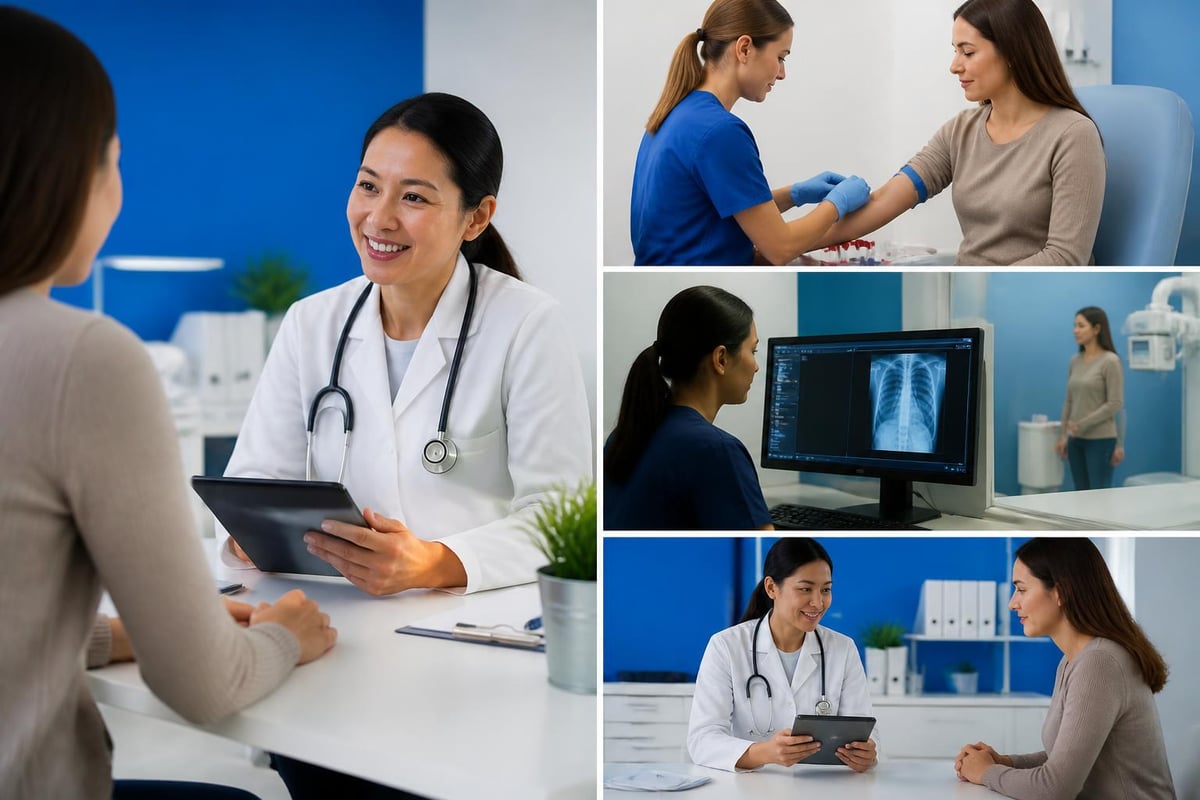
The National Academies report on primary care emphasizes that integrated diagnostic capabilities represent a crucial component of high-quality primary care delivery, reducing fragmentation and improving care coordination.
Specialty Support and Coordinated Care Networks
While west side primary care handles the majority of health concerns, certain conditions require specialized expertise. Modern primary care practices establish strong relationships with subspecialists, creating seamless referral pathways when advanced care becomes necessary.
How Specialty Integration Works
The most effective primary care models maintain on-site or closely affiliated specialists in cardiology, endocrinology, orthopedics, dermatology, and other common subspecialties. This arrangement allows your primary care physician to consult with specialists quickly, often facilitating same-day or next-day specialist appointments.
Coordination between your primary physician and specialists ensures everyone involved in your care stays informed. Your primary doctor receives consultation notes, test results, and treatment recommendations, maintaining oversight of your overall health strategy.
Established practices like Weill Cornell Medicine’s Primary Care services demonstrate how academic medical centers integrate primary and specialty care, providing patients with comprehensive resources while maintaining the personal touch of primary care relationships.
| Care Model | Referral Speed | Coordination Quality | Patient Convenience |
|---|---|---|---|
| Integrated Network | 1-3 days | Excellent | High |
| Traditional Referral | 2-6 weeks | Variable | Moderate |
| Independent Specialists | 1-4 weeks | Limited | Low |
Preventive Care and Wellness Programs
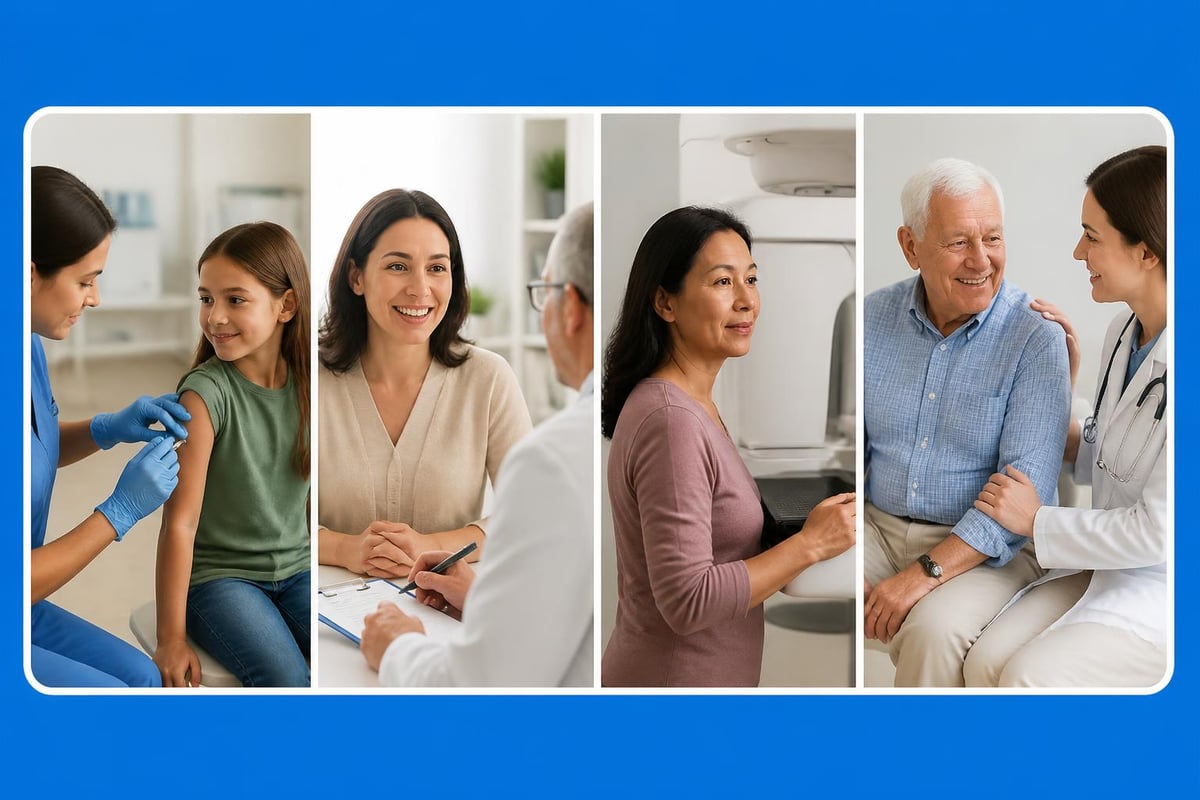
Beyond treating illness, west side primary care emphasizes keeping patients healthy through preventive strategies. Annual wellness visits, age-appropriate screenings, and lifestyle counseling form the foundation of preventive medicine.
Preventive care identifies health risks before they develop into serious conditions. Regular blood pressure monitoring catches hypertension early, allowing lifestyle modifications or medications to prevent heart disease and stroke. Cancer screenings detect abnormalities when treatment proves most effective.
Age-Specific Preventive Recommendations
Different life stages require different preventive approaches. Pediatric patients need immunizations, developmental assessments, and growth monitoring. Adults require cardiovascular screening, cancer prevention, and mental health support. Older adults benefit from fall prevention, cognitive assessments, and medication reviews.
Comprehensive preventive services include:
- Immunization schedules for children and adults
- Cancer screenings (mammography, colonoscopy, cervical cancer screening)
- Cardiovascular risk assessment and management
- Diabetes screening and prevention programs
- Bone density testing for osteoporosis
- Depression and anxiety screening
- Substance use assessment and counseling
- Nutritional counseling and weight management
Organizations like UCLA Health’s Westside Primary Care exemplify comprehensive approaches to preventive medicine, offering evidence-based screening programs tailored to individual risk factors and family history.
Chronic Disease Management Through Primary Care
Approximately 60% of American adults live with at least one chronic condition, making ongoing disease management a central function of west side primary care. Conditions like diabetes, hypertension, asthma, and heart disease require consistent monitoring, medication management, and lifestyle support.
Primary care physicians excel at coordinating long-term treatment plans. Regular appointments track disease progression, adjust medications as needed, and prevent complications through early intervention. The continuous relationship between patient and provider creates accountability and support for lifestyle changes that improve disease outcomes.
Team-Based Care for Complex Conditions
Modern chronic disease management employs multidisciplinary teams. Your primary care physician collaborates with nurses, dietitians, pharmacists, and care coordinators to address all aspects of your condition. This team approach, detailed in research from University of Michigan Health-West, produces better outcomes than traditional physician-only care models.
Diabetes management illustrates this approach effectively. Your physician prescribes medications and monitors overall health, while a diabetes educator teaches glucose monitoring and insulin administration. A dietitian creates meal plans that stabilize blood sugar, and a pharmacist ensures medications don't interact negatively. This coordinated effort achieves better glucose control and prevents complications.
Choosing the Right West Side Primary Care Practice
Selecting a primary care provider represents one of the most important healthcare decisions you'll make. The right practice becomes your healthcare home, supporting you through illnesses, preventive care, and major health decisions for years to come.
Consider several factors when evaluating west side primary care options. Location and office hours matter significantly for maintaining regular visits and accessing same-day care when needed. Available services determine whether the practice can meet your complete healthcare needs or requires frequent outside referrals.
Essential selection criteria:
- Provider credentials, training, and board certification
- Same-day appointment availability
- In-house diagnostic and laboratory services
- Affiliated specialists and referral networks
- Office location and parking accessibility
- Accepted insurance plans
- Patient portal and telehealth capabilities
- Patient satisfaction ratings and reviews
Technology integration also deserves consideration. Patient portals allowing online appointment scheduling, prescription refills, and secure messaging with your care team improve convenience and communication. Telehealth options provide access to your physician for minor concerns without requiring office visits.
| Practice Feature | Impact on Care Quality | Convenience Factor |
|---|---|---|
| Same-Day Appointments | High | Very High |
| In-House Labs | High | High |
| Specialty Network | Very High | Moderate |
| Extended Hours | Moderate | Very High |
| Patient Portal | Moderate | High |
| Multiple Locations | Low | Moderate |
Insurance Navigation and Cost Considerations
Understanding insurance coverage and healthcare costs helps you maximize your west side primary care benefits while managing expenses. Most insurance plans emphasize primary care through lower copayments and preventive services covered at 100%.
Primary care visits typically cost significantly less than specialist appointments or urgent care facilities. Your annual deductible often doesn't apply to preventive services, making wellness visits, screenings, and immunizations completely free under most plans.
Maximizing Your Healthcare Value
Strategic use of primary care services reduces overall healthcare spending. Establishing care with a primary physician who knows your medical history prevents duplicate testing and unnecessary specialist referrals. Managing chronic conditions through regular primary care visits prevents expensive complications and hospitalizations.
Many west side primary care practices offer transparent pricing and payment plans for services not covered by insurance. Cash-pay options sometimes cost less than insurance copayments for simple visits, particularly for patients with high-deductible health plans.
The complexity of healthcare costs makes communication with your primary care office essential. Administrative staff can verify insurance coverage, estimate costs for specific services, and identify alternative options when price concerns arise. This transparency helps you make informed decisions about your care.
Technology and Modern Patient Experience
Digital health tools have transformed how patients interact with west side primary care providers. Online scheduling systems eliminate phone tag, allowing you to book appointments 24/7. Patient portals provide access to test results, visit summaries, and medication lists from any device.
Telehealth capabilities expanded dramatically during the pandemic and now represent a permanent feature of primary care delivery. Video visits work well for follow-up appointments, medication adjustments, minor illness assessment, and mental health counseling. This flexibility particularly benefits patients with mobility challenges, transportation barriers, or demanding work schedules.
Modern technology features include:
- Secure messaging with healthcare teams
- Prescription refill requests through patient portals
- Electronic health records accessible across facilities
- Automated appointment reminders via text or email
- Integration with wearable health devices
- Virtual waiting rooms for telehealth visits
- Digital check-in reducing waiting room time
These technological advances complement rather than replace in-person care. Physical examinations, procedures, and complex diagnostic work still require office visits, but technology handles routine communication and simple needs efficiently.
Building Long-Term Healthcare Partnerships
The relationship between patient and primary care physician develops over years, creating familiarity and trust that improves health outcomes. Your doctor learns your health patterns, family history, lifestyle factors, and personal preferences, enabling personalized care recommendations.
Continuity of care through a consistent west side primary care provider prevents medical errors and duplicative testing. When hospitalization or emergency care becomes necessary, your primary physician coordinates with specialists and reviews your care plan, ensuring all treatments align with your overall health strategy.
This partnership requires active participation from both parties. Patients contribute by attending regular appointments, following treatment recommendations, communicating symptoms clearly, and maintaining open dialogue about concerns and preferences. Providers reciprocate through accessibility, clear communication, evidence-based recommendations, and respect for patient values.
Research demonstrates that strong primary care relationships correlate with better health outcomes, higher patient satisfaction, and lower healthcare costs. The investment in building this relationship pays dividends throughout your lifetime.
West side primary care has evolved into a comprehensive healthcare solution that addresses your entire family's medical needs through coordinated, accessible, and patient-centered services. From same-day appointments for urgent concerns to preventive care that keeps you healthy, modern primary care practices deliver the full spectrum of medical support in one convenient location. Dominion health provides exactly this type of comprehensive primary care for patients of all ages, with in-house ancillary services, specialty support, and same-day appointment availability that ensures you receive the right care at the right time. Whether you need routine preventive care, chronic disease management, or immediate attention for an urgent health concern, our integrated approach puts your health first with the convenience and expertise you deserve.