The modern healthcare landscape demands more than isolated treatments and fragmented care. Patients today expect comprehensive, coordinated medical services that address their complete health picture. The synergy primary clinic approach represents a shift toward integrated care models where primary care providers, specialists, and ancillary services work together seamlessly. This holistic framework ensures that patients receive timely, effective treatment while building lasting relationships with healthcare professionals who understand their medical history and personal health goals.
Understanding the Synergy Model in Primary Care
The concept of synergy in healthcare originates from recognizing that patient outcomes improve dramatically when clinical competencies align precisely with patient needs. The AACN Synergy Model for Patient Care established foundational principles showing how matching provider capabilities with patient characteristics creates optimal results. When applied to primary care settings, this philosophy transforms how clinics structure their services and approach patient relationships.
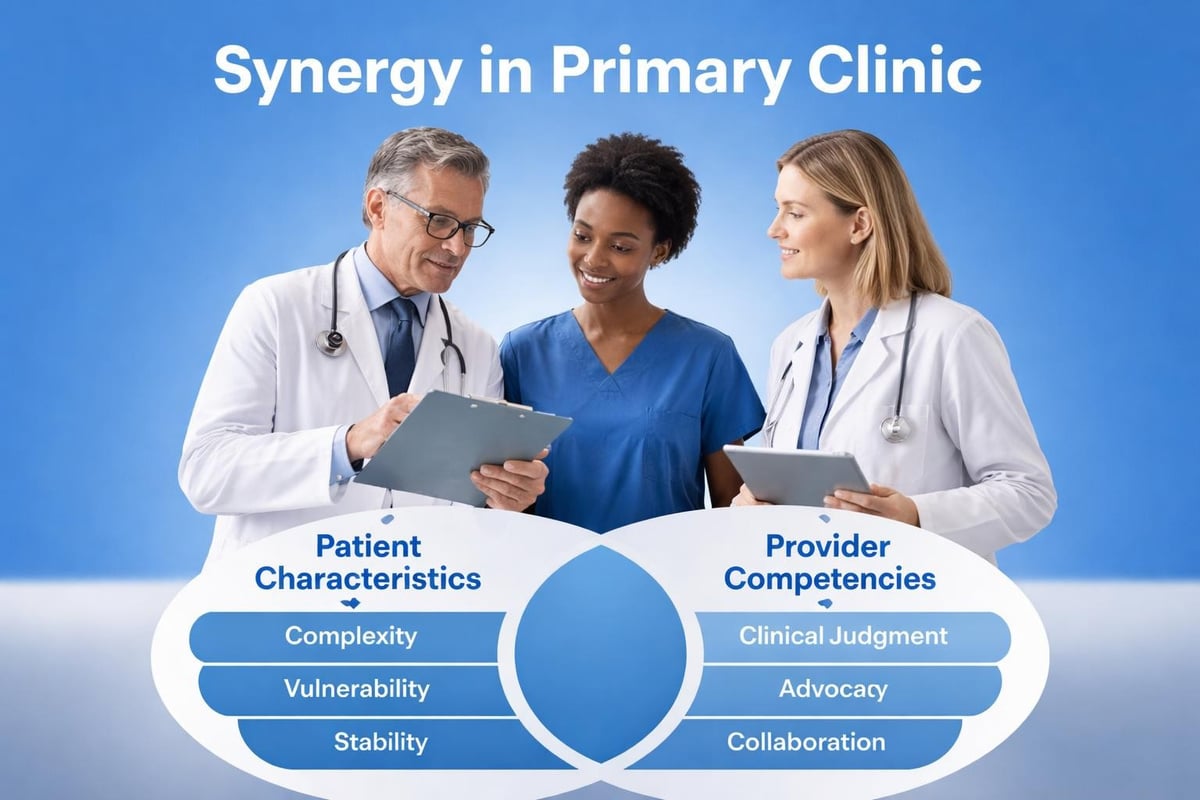
A synergy primary clinic operates on several core principles:
- Patient-centered coordination that places individual needs at the treatment center
- Integrated service delivery combining multiple healthcare disciplines under one roof
- Continuous relationship building through consistent provider access
- Proactive health management focusing on prevention alongside treatment
- Same-day accessibility reducing barriers to timely care
Key Components of Integrated Care
The strength of a synergy primary clinic lies in its comprehensive service array. Rather than requiring patients to navigate multiple facilities for different needs, these clinics consolidate essential services. In-house ancillary services typically include laboratory testing, diagnostic imaging, and minor procedures. This integration eliminates scheduling delays and ensures test results reach providers quickly, enabling faster diagnosis and treatment initiation.
Subspecialty support represents another critical element. While primary care physicians manage most health concerns, certain conditions require specialized expertise. A well-designed clinic maintains strong relationships with specialists who can see patients promptly, often within the same facility. This arrangement preserves care continuity while providing expert intervention when needed.
Same-Day Access and Patient Convenience
One defining feature of an effective synergy primary clinic is same-day appointment availability. Traditional healthcare models often force patients to wait days or weeks for non-emergency concerns, leading to delayed treatment, worsening symptoms, or unnecessary emergency room visits. By prioritizing accessibility, modern primary care clinics address health issues before they escalate.
| Traditional Model | Synergy Primary Clinic |
|---|---|
| 3-7 day wait times | Same-day appointments available |
| Multiple facility visits for tests | In-house ancillary services |
| Referral delays for specialists | Integrated subspecialty support |
| Fragmented medical records | Unified patient health records |
| Limited provider continuity | Consistent care team relationships |
Same-day access benefits patients across all demographics. Working adults can address acute illnesses without extended absences from employment. Parents can bring sick children in promptly, reducing anxiety and preventing complications. Elderly patients with mobility challenges avoid multiple trips for various services. This accessibility directly supports the synergy model by ensuring provider intervention occurs at the optimal moment in the patient's health journey.
Scheduling Flexibility and Technology Integration
Modern synergy primary clinic operations leverage technology to enhance patient access. Online appointment booking systems allow patients to schedule visits at their convenience, viewing real-time availability and selecting times that fit their schedules. These platforms often include patient portals where individuals can review test results, request prescription refills, and communicate with their care team between visits.
Technology also supports clinical decision-making. Electronic health records provide comprehensive patient histories at providers' fingertips, including medication lists, allergy information, previous test results, and consultation notes from specialists. This information accessibility ensures every clinical decision considers the patient's complete medical context.
Comprehensive Care Across the Lifespan
A true synergy primary clinic serves patients of all ages, from newborns to seniors. This multigenerational approach offers significant advantages for families, allowing them to establish relationships with a single healthcare home rather than seeking separate providers for different family members.
Pediatric Primary Care
Children require specialized attention as they grow and develop. Pediatric primary care within a synergy framework includes:
- Well-child visits tracking developmental milestones
- Immunization management following current guidelines
- Acute illness treatment for common childhood conditions
- Chronic disease management for conditions like asthma or allergies
- Behavioral health screening and intervention
Parents appreciate the convenience of bringing children to a familiar clinic where providers understand their family's medical history. When siblings require care, or when parents and children need appointments, coordinated scheduling within one facility saves time and reduces stress.

Adult and Geriatric Services
Adult patients benefit from preventive care, chronic disease management, and acute illness treatment. Primary care services for adults typically encompass annual physicals, health screenings, management of conditions like diabetes and hypertension, and coordination of specialized care when needed.
Geriatric patients often present complex medical needs requiring careful coordination. A synergy primary clinic excels in managing multiple chronic conditions, monitoring medication interactions, addressing mobility and cognitive concerns, and coordinating with specialists in cardiology, endocrinology, or other fields as needed.
In-House Ancillary Services and Their Impact
The presence of ancillary services within a synergy primary clinic fundamentally changes the patient experience. Laboratory services enable providers to order blood work, urinalysis, or other tests with results often available within hours rather than days. This rapid turnaround allows for same-visit diagnosis and treatment initiation in many cases.
Diagnostic imaging capabilities, including X-rays or ultrasounds, eliminate referrals to separate imaging centers. When a provider suspects a fracture, lung infection, or other condition requiring visual confirmation, in-house imaging provides immediate answers. This efficiency particularly benefits patients with acute injuries or illnesses where diagnostic delays could worsen outcomes.
Procedural Capabilities
Many synergy primary clinics perform minor procedures on-site:
- Wound care and suturing for lacerations requiring closure
- Joint injections for arthritis or inflammatory conditions
- Skin biopsies for suspicious lesions
- Minor surgical procedures like cyst removal or wart treatment
- Nebulizer treatments for respiratory conditions
These capabilities reduce emergency department visits for non-emergency situations while ensuring patients receive appropriate interventions without delay.
Subspecialty Support and Care Coordination
While primary care physicians manage the majority of health concerns, certain conditions require specialized expertise. A synergy primary clinic maintains strong relationships with subspecialists, creating referral pathways that prioritize patient needs. Rather than generic referrals leaving patients to navigate specialty scheduling independently, coordinated clinics often facilitate appointments and ensure specialists receive comprehensive patient information.
| Primary Care Management | Requires Subspecialty Support |
|---|---|
| Hypertension | Complex cardiac arrhythmias |
| Type 2 diabetes (stable) | Endocrine disorders requiring specialist management |
| Minor skin conditions | Dermatologic conditions requiring biopsy or advanced treatment |
| Acute respiratory infections | Chronic respiratory diseases needing pulmonology |
| Routine musculoskeletal pain | Orthopedic injuries requiring surgical evaluation |
This collaborative approach ensures patients receive the right level of care from the appropriate provider. Primary care physicians continue managing ongoing health maintenance while specialists address specific complex issues, with both providers communicating to ensure coordinated treatment plans.
The Role of Care Coordinators
Many synergy primary clinics employ care coordinators who help patients navigate the healthcare system. These professionals assist with specialist referrals, ensure insurance authorizations are obtained, schedule follow-up appointments, and verify patients understand their treatment plans. This support proves particularly valuable for elderly patients, those managing multiple chronic conditions, or individuals with limited healthcare literacy.

Building Long-Term Patient Relationships
The synergy primary clinic model emphasizes continuity of care through sustained patient-provider relationships. When patients see the same physician or healthcare team consistently, providers develop deep understanding of their medical histories, family situations, health goals, and personal preferences. This familiarity enables more nuanced clinical decision-making and builds trust that improves treatment adherence.
Consistent relationships also support preventive care. Providers who know their patients well can offer personalized health recommendations based on individual risk factors, lifestyle considerations, and readiness for behavior change. A physician who understands a patient's work stress, dietary habits, and exercise patterns can provide more effective guidance than a provider meeting the patient for the first time.
Preventive Care and Health Maintenance
Preventive services form a cornerstone of primary care excellence:
- Annual wellness examinations with comprehensive health assessments
- Age-appropriate cancer screenings (mammography, colonoscopy, etc.)
- Cardiovascular risk evaluation and management
- Vaccination updates for adults and children
- Chronic disease monitoring and optimization
These services, delivered consistently within a trusted primary care relationship, help patients maintain optimal health and detect potential problems early when interventions are most effective.
Location Accessibility and Patient Experience
Physical accessibility represents another important consideration. Primary care clinics strategically located within communities reduce travel barriers for patients. Convenient locations with adequate parking, accessible facilities for patients with mobility limitations, and extended hours accommodate diverse patient needs.
The patient experience extends beyond clinical quality to encompass every interaction with the healthcare system. From the initial phone call or online scheduling to the check-in process, waiting room environment, clinical encounter, checkout, and follow-up communication, each touchpoint shapes patient perceptions and satisfaction. A synergy primary clinic focuses on creating positive experiences throughout this journey.
Modern facilities designed with patient comfort in mind feature:
- Comfortable, welcoming waiting areas
- Private examination rooms respecting patient dignity
- Efficient check-in and checkout processes
- Clear communication about wait times and delays
- Respectful, compassionate staff interactions
Quality Metrics and Continuous Improvement
Excellence in primary care requires ongoing evaluation and refinement. Synergy primary clinics monitor various quality metrics to ensure they meet performance standards and identify improvement opportunities. These metrics often include patient satisfaction scores, clinical outcome measures for chronic disease management, preventive care completion rates, and access indicators like third-next-available appointment times.
Quality improvement initiatives might address:
- Reducing wait times through optimized scheduling algorithms
- Improving chronic disease control via enhanced care protocols
- Increasing preventive care completion through patient outreach and reminders
- Enhancing care transitions when patients require hospitalization or specialty care
- Streamlining communication between patients and providers
Transparent sharing of quality data builds trust with patients and demonstrates a clinic's commitment to delivering superior care. Many clinics publish patient satisfaction scores, clinical outcome statistics, and accreditation status, allowing prospective patients to make informed decisions about their healthcare choices.
Integration with Broader Healthcare Systems
While synergy primary clinics often function as patients' primary access point to healthcare, they exist within broader medical ecosystems. Effective clinics maintain relationships with local hospitals, emergency departments, rehabilitation facilities, and home health agencies. These connections ensure smooth care transitions when patients require services beyond the clinic's scope.
Electronic health information exchange enables providers across different facilities to access patient records, reducing duplicate testing and ensuring all providers have current information. When a patient visits an emergency department, the treating physician can review their primary care records to understand their baseline health status and ongoing treatments. Similarly, when patients return to their primary care clinic after hospitalization, their physician receives discharge summaries and can provide appropriate follow-up care.
Population Health Management
Advanced synergy primary clinics engage in population health management, using data analytics to identify patients at risk for adverse outcomes and proactively intervening. For example, clinics might identify patients with diabetes who haven't had recent A1C testing and reach out to schedule appointments. Or they might recognize patients with multiple chronic conditions who haven't been seen recently and offer outreach to prevent health deterioration.
This proactive approach contrasts with traditional reactive care where providers only address issues when patients schedule appointments. By anticipating needs and removing barriers to care, population health strategies improve outcomes while potentially reducing healthcare costs through prevention and early intervention.
The Financial Dimension of Primary Care Access
Healthcare affordability concerns many patients. Synergy primary clinics often work with diverse insurance plans, accepting Medicare, Medicaid, and commercial insurance products. Financial counselors can help patients understand their coverage, estimate out-of-pocket costs, and identify assistance programs for those facing financial hardship.
Transparent pricing for common services allows patients to make informed decisions about their care. While insurance typically covers preventive services at no patient cost under the Affordable Care Act, understanding costs for acute visits, procedures, and tests helps patients avoid unexpected bills.
The value proposition of comprehensive primary care extends beyond individual visit costs. By preventing complications through proactive management, coordinating care efficiently to avoid duplication, and addressing problems early before they require expensive interventions, effective primary care often reduces total healthcare expenditures while improving outcomes.
Technology and Telehealth Integration
The healthcare landscape has evolved significantly regarding virtual care options. Many synergy primary clinics now offer telehealth appointments for appropriate conditions, expanding access for patients who face transportation challenges, live in remote areas, or simply prefer virtual consultations for certain health concerns.
Telehealth works well for:
- Follow-up appointments for stable chronic conditions
- Medication management and prescription refills
- Minor acute illnesses requiring clinical assessment but not physical examination
- Mental health and counseling services
- Nutrition and lifestyle counseling
However, some situations require in-person evaluation. Physical examinations, procedures, diagnostic testing, and complex acute illnesses necessitate face-to-face visits. The optimal synergy primary clinic offers both modalities, allowing patients and providers to choose the most appropriate format for each clinical scenario.
The synergy primary clinic model represents the evolution of primary care toward truly comprehensive, coordinated healthcare delivery that prioritizes patient needs, accessibility, and outcomes. By integrating services, maintaining subspecialty relationships, and focusing on long-term patient partnerships, these clinics deliver superior care experiences. Whether you need same-day care for an acute illness, ongoing management of chronic conditions, or preventive services for your whole family, Dominion health provides comprehensive primary care services for all ages with in-house ancillary services and subspecialty support designed to meet your healthcare needs efficiently and effectively.