Access to quality primary care services forms the foundation of a healthy community. A dhs primary care clinic serves as the first point of contact for patients seeking medical attention, offering comprehensive healthcare services that address both immediate concerns and long-term wellness goals. These facilities provide essential medical services to diverse populations, ensuring that individuals and families have access to preventive care, chronic disease management, and coordinated treatment plans. Understanding how these clinics operate and what services they offer can help you make informed decisions about your healthcare needs.
Understanding the Role of Primary Care in Healthcare Systems
Primary care serves as the cornerstone of effective healthcare delivery. The Bureau of Primary Health Care oversees federal initiatives that support health centers across the United States, particularly in underserved communities. A dhs primary care clinic typically functions as a medical home where patients establish long-term relationships with healthcare providers who understand their complete medical history.
These clinics prioritize continuity of care, meaning the same provider or care team follows your health journey over time. This approach enables early detection of health issues, better management of chronic conditions, and more personalized treatment strategies. Primary care providers coordinate referrals to specialists when necessary, ensuring seamless transitions between different levels of care.
Core Services Offered at Primary Care Facilities
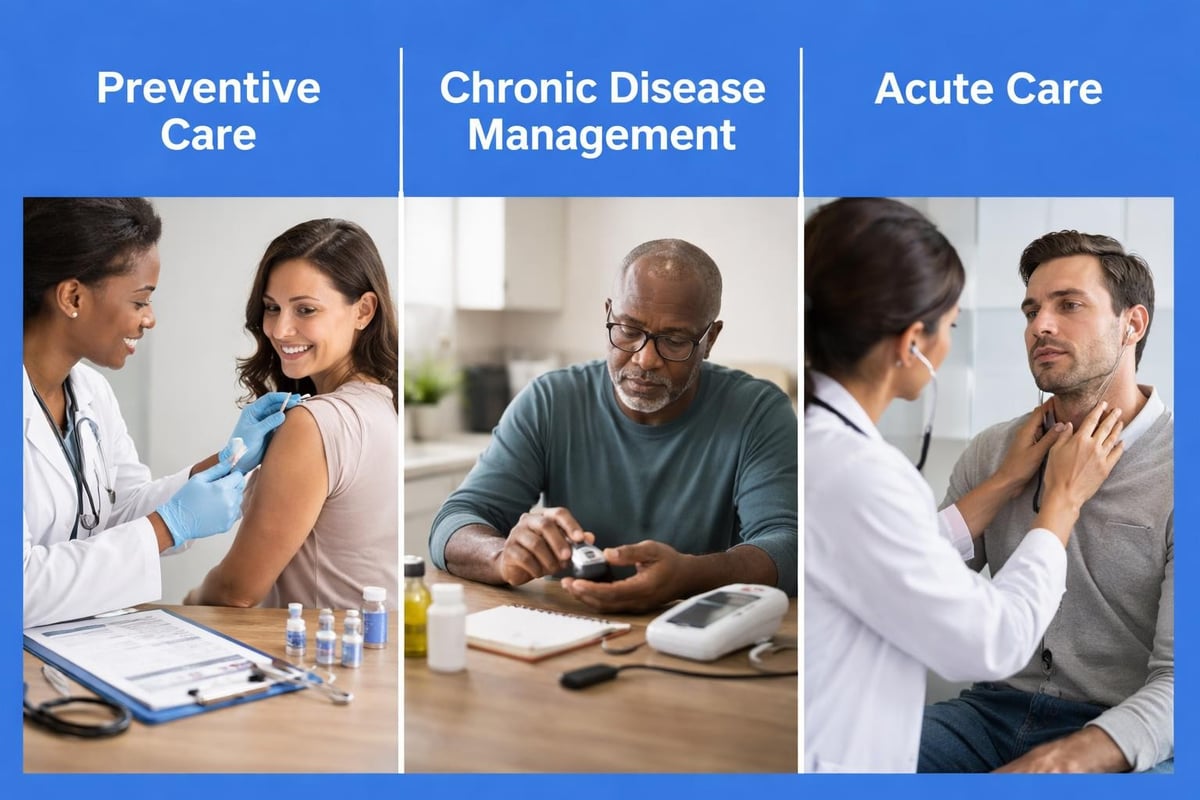
Modern primary care clinics deliver a wide range of services under one roof. Preventive care includes annual physical examinations, immunizations, health screenings, and wellness counseling. These proactive measures help identify potential health risks before they develop into serious conditions.
Chronic disease management represents another critical function. Patients with diabetes, hypertension, asthma, or heart disease require ongoing monitoring and treatment adjustments. Primary care providers work closely with patients to develop management plans that incorporate medication, lifestyle modifications, and regular monitoring.
Acute care services address immediate health concerns such as infections, injuries, minor illnesses, and urgent symptoms. Many facilities offer same-day appointments to ensure patients receive timely attention when health issues arise unexpectedly.
Comprehensive Healthcare Access Through Integrated Services
A dhs primary care clinic often provides integrated services that extend beyond traditional medical consultations. The Los Angeles County Department of Health Services primary care programs demonstrate how comprehensive care teams work together to address multiple aspects of patient health within a single healthcare system.
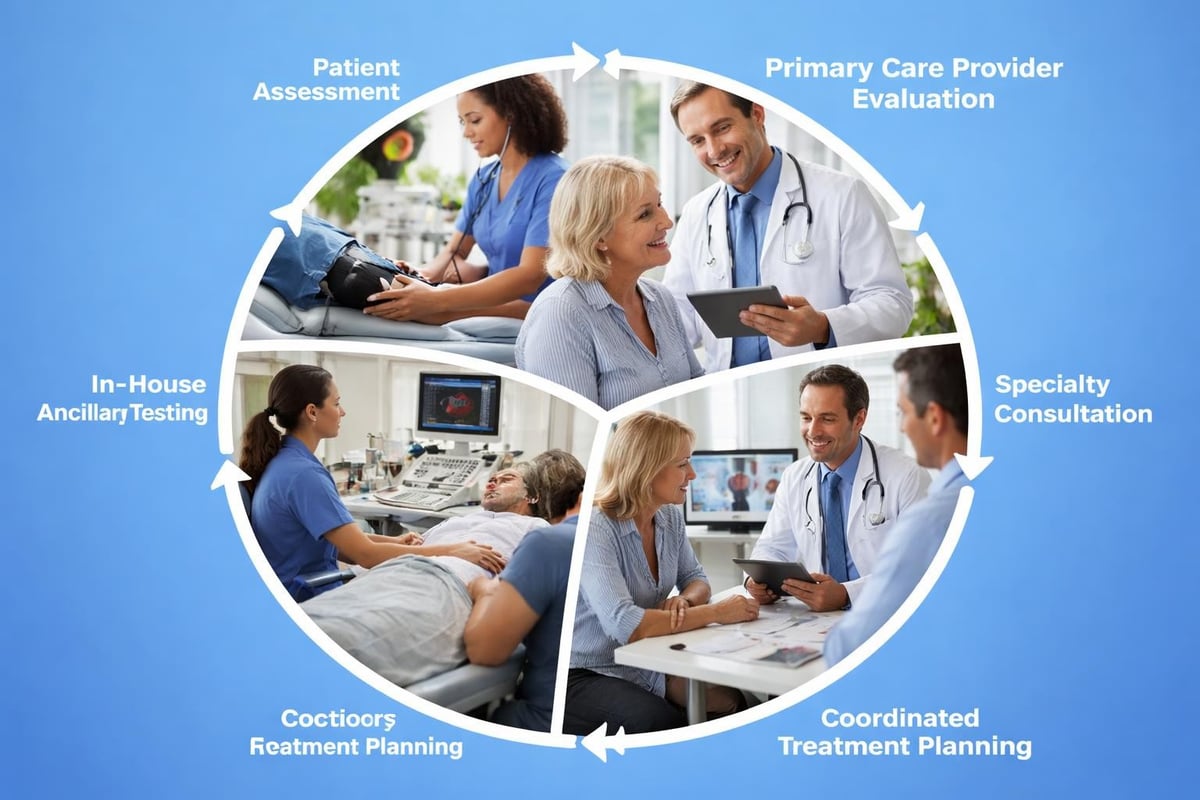
In-house ancillary services significantly enhance patient convenience and care coordination. These services typically include:
- Laboratory testing and blood work
- Diagnostic imaging (X-rays, ultrasounds)
- Pharmacy services
- Physical therapy and rehabilitation
- Nutritional counseling
- Health education programs
By offering these services on-site, clinics reduce the burden on patients who might otherwise need to travel to multiple locations for complete care. This integration also facilitates faster diagnosis and treatment initiation, as test results and specialist consultations can be coordinated more efficiently.
Specialty Support and Care Coordination
Primary care clinics increasingly incorporate specialty support to address complex medical needs. Rather than requiring patients to navigate the healthcare system independently, comprehensive primary care models include referral pathways to specialists who collaborate with primary care teams.
This coordinated approach ensures that specialist recommendations align with overall care plans. Primary care providers maintain oversight of all treatments, medications, and interventions, reducing the risk of conflicting recommendations or duplicate testing.
| Service Type | Benefit | Impact on Patient Care |
|---|---|---|
| Same-Day Appointments | Immediate access to care | Reduces emergency room visits |
| In-House Lab Services | Faster test results | Quicker diagnosis and treatment |
| Specialty Referrals | Expert consultation | Comprehensive condition management |
| Care Coordination | Unified treatment plan | Better health outcomes |
Patient-Centered Care for All Age Groups
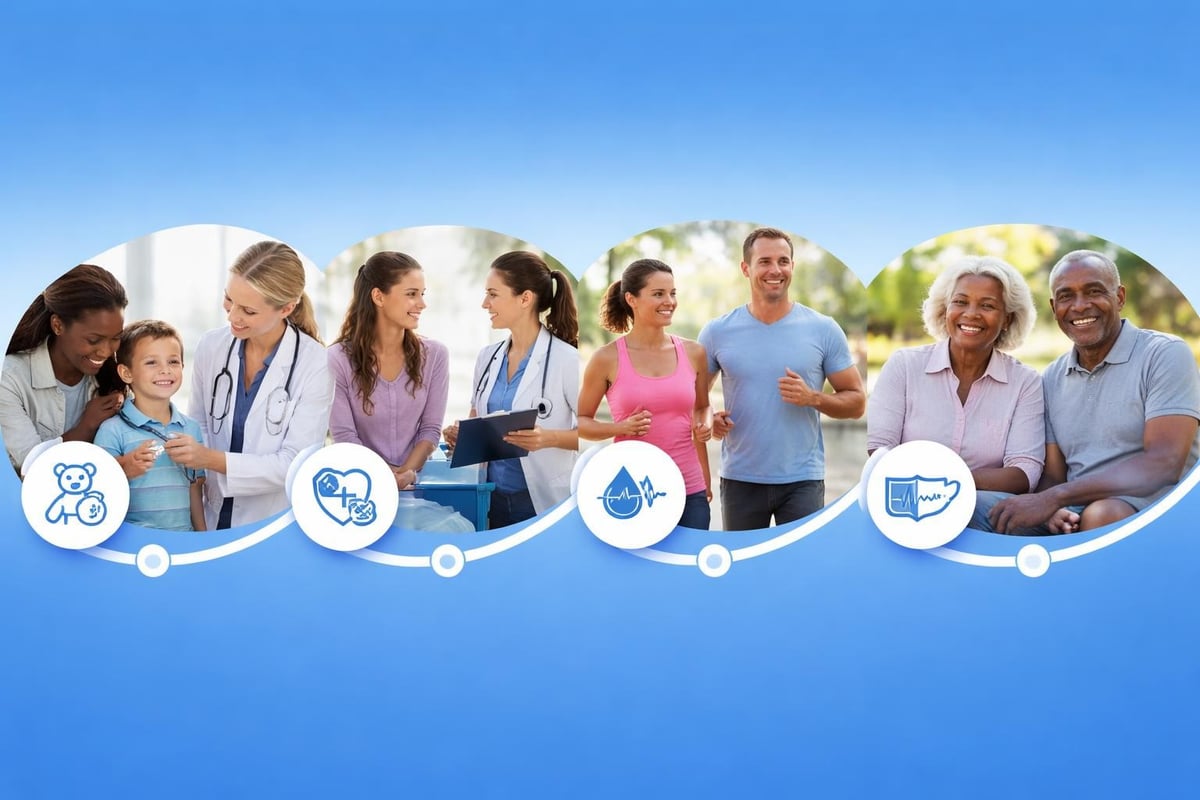
A dhs primary care clinic that serves patients across the lifespan addresses unique health needs at every stage. Pediatric care focuses on growth and development monitoring, childhood immunizations, and early intervention for developmental concerns. Adolescent medicine addresses the specific physical and emotional changes during teenage years, including mental health support and preventive education.
Adult primary care emphasizes disease prevention, health maintenance, and chronic condition management. Geriatric care requires specialized attention to age-related health challenges, including cognitive function, mobility issues, and medication management for multiple conditions.
Family medicine practitioners offer the advantage of treating entire families, understanding genetic predispositions and family health patterns that influence individual patient care. This comprehensive perspective enables more effective preventive strategies and earlier intervention when hereditary conditions appear.
Mental Health Integration in Primary Care Settings
The integration of mental health services into primary care represents a significant advancement in healthcare delivery. Programs that combine children’s mental health services with primary care demonstrate the effectiveness of this approach, which extends benefits to patients of all ages.
Behavioral health screening during routine visits helps identify depression, anxiety, substance use concerns, and other mental health conditions that might otherwise go unrecognized. Primary care providers can initiate treatment for many mental health conditions, refer to specialized mental health professionals when needed, or collaborate with behavioral health consultants who work within the clinic.
This integration reduces stigma, improves access to mental health care, and ensures that physical and mental health receive equal attention in treatment planning.
Accessibility Features and Patient Support Systems
Modern primary care facilities prioritize accessibility to ensure all community members can receive necessary healthcare services. Public health departments that operate primary care services often implement programs specifically designed to reach underserved populations and reduce healthcare disparities.
Extended operating hours accommodate patients who work traditional business hours. Evening and weekend appointments make it possible for working adults and parents to access care without sacrificing employment responsibilities. Same-day scheduling addresses urgent concerns while reducing unnecessary emergency department utilization.
Language services ensure effective communication between providers and patients who speak different languages. Professional medical interpreters facilitate accurate information exchange during consultations, improving diagnostic accuracy and treatment adherence.
Sliding fee scales and financial assistance programs make healthcare affordable for individuals and families with limited financial resources. Many clinics accept various insurance plans, including Medicaid, Medicare, and private insurance, while also serving uninsured patients.
Technology Integration and Patient Engagement
Digital health tools enhance the patient experience and improve care quality. Patient portals provide 24/7 access to medical records, test results, and appointment scheduling. These platforms enable secure messaging with healthcare providers, prescription refill requests, and health education resources.
Telemedicine services expand access to care, particularly for patients with transportation challenges, mobility limitations, or those living in remote areas. Virtual visits work effectively for follow-up appointments, medication management, minor illness consultations, and mental health counseling.
Preventive Care and Population Health Management
A dhs primary care clinic plays a vital role in community health through systematic preventive care initiatives. Population health management involves identifying at-risk groups within the patient population and implementing targeted interventions to prevent disease and improve outcomes.
Health screenings detect conditions in early stages when treatment is most effective:
- Cancer screenings (mammograms, colonoscopies, skin checks)
- Cardiovascular risk assessments (cholesterol, blood pressure)
- Diabetes screening and monitoring
- Bone density testing for osteoporosis
- Vision and hearing evaluations
Immunization programs protect individuals and communities from preventable diseases. Primary care providers maintain vaccination schedules for children and adults, including seasonal flu vaccines, pneumonia vaccines for seniors, and travel vaccines for international travelers.
Wellness counseling addresses modifiable risk factors through education and support. Providers offer guidance on nutrition, physical activity, smoking cessation, stress management, and healthy lifestyle habits that reduce chronic disease risk.
Quality Measures and Healthcare Outcomes
Healthcare quality in primary care settings is measured through various performance indicators. Patient satisfaction scores reflect the experience of care, including provider communication, appointment availability, and staff professionalism. Clinical quality measures track outcomes such as blood pressure control in hypertensive patients, diabetes management effectiveness, and preventive screening completion rates.
Care coordination efficiency impacts both patient outcomes and healthcare costs. Effective coordination reduces duplicate testing, prevents medication errors, and ensures smooth transitions when specialist care is required. Primary care teams that maintain comprehensive records and communicate effectively with all providers involved in a patient's care achieve better results.
Patient engagement metrics measure how actively individuals participate in their healthcare. Higher engagement correlates with better medication adherence, lifestyle modification success, and chronic disease control. Primary care providers foster engagement through shared decision-making, patient education, and supportive accountability.
| Quality Indicator | Measurement Focus | Patient Benefit |
|---|---|---|
| Patient Satisfaction | Communication quality, accessibility | Improved care experience |
| Chronic Disease Control | Blood pressure, glucose levels | Better health outcomes |
| Preventive Care Completion | Screening rates, immunizations | Early disease detection |
| Care Coordination | Specialist integration | Comprehensive treatment |
| Patient Engagement | Appointment adherence, portal use | Active health participation |
Specialized Programs Within Primary Care Settings
Many primary care facilities offer specialized programs that address specific population needs or health conditions. Integrated treatment approaches for patients with complex needs demonstrate how primary care can serve as a hub for coordinated, multidisciplinary care.
Diabetes management programs provide comprehensive support including nutrition counseling, medication management, self-monitoring education, and complication prevention. These structured programs help patients achieve better glycemic control and reduce hospitalization risk.
Hypertension control initiatives combine medication optimization with lifestyle interventions. Regular blood pressure monitoring, sodium reduction counseling, and stress management techniques work together to reduce cardiovascular risk.
Women's health services address gender-specific needs including reproductive health, prenatal care, menopause management, and breast health. Comprehensive women's health within primary care ensures continuity and coordination across different life stages.
Pediatric development programs monitor childhood growth, developmental milestones, and behavioral health. Early identification of developmental delays or learning challenges enables timely intervention and support services.
Cultural Competency and Community-Responsive Care
Primary care clinics serve diverse communities with varying cultural backgrounds, health beliefs, and communication preferences. Culturally sensitive healthcare delivery recognizes these differences and adapts care approaches accordingly.
Cultural competency training helps healthcare providers understand how cultural factors influence health behaviors, treatment preferences, and communication styles. This awareness enables more effective patient-provider relationships and improved health outcomes.
Community health workers often serve as bridges between clinical settings and the communities they serve. These team members share cultural backgrounds with patients, understand community-specific challenges, and help navigate healthcare systems.
Navigating Your Primary Care Relationship
Establishing a relationship with a dhs primary care clinic requires active participation from patients. Choosing a primary care provider involves considering factors such as location, appointment availability, communication style, and areas of clinical expertise. Many patients prefer providers who offer comprehensive family medicine services, allowing entire households to receive care in one location.
Preparing for appointments maximizes the value of clinical visits. Patients should bring current medication lists, document symptoms they're experiencing, and prepare questions about their health concerns. This preparation enables more productive conversations and ensures all concerns receive attention during limited appointment time.
Follow-through on recommendations determines whether care plans achieve desired outcomes. Taking medications as prescribed, completing recommended screenings, making lifestyle changes, and attending follow-up appointments all contribute to improved health status.
Building trust with your healthcare team creates a foundation for open communication about sensitive health topics. Patients who feel comfortable discussing mental health concerns, substance use, sexual health, or other private matters receive more comprehensive care that addresses all aspects of wellness.
The resources available at Dominion health provide additional information about establishing effective primary care relationships and accessing comprehensive healthcare services that support long-term wellness goals for patients across all age groups.
Insurance Navigation and Financial Considerations
Understanding insurance coverage and healthcare costs helps patients access needed services without financial hardship. A dhs primary care clinic typically accepts multiple insurance types and provides financial counseling to help patients understand their coverage.
Insurance verification should occur before appointments to confirm coverage and identify any required copayments or deductibles. Front desk staff can explain what services are covered and what out-of-pocket costs patients might incur.
Billing transparency includes clear explanations of charges and assistance with insurance claims. Patient advocates or financial counselors help resolve billing questions and identify programs for patients who need financial assistance.
Many clinics participate in federal programs that provide healthcare services on a sliding fee scale based on household income and family size. These programs ensure that financial barriers don't prevent individuals from receiving essential primary care services.
Primary care clinics serve as essential healthcare resources that provide comprehensive medical services, coordinate specialty care, and promote long-term wellness for individuals and families. By offering preventive services, chronic disease management, and same-day appointments for acute concerns, these facilities address diverse health needs efficiently and effectively. Dominion health delivers patient-centered primary care for all ages with in-house ancillary services and subspecialty support, ensuring you receive coordinated, comprehensive healthcare when you need it most. Schedule your appointment today to experience the difference that accessible, integrated primary care makes in your health journey.