Primary care health represents the cornerstone of a well-functioning healthcare system, serving as the first point of contact between patients and medical professionals. This essential service provides comprehensive, accessible care that addresses the majority of health concerns throughout a person's lifetime. From routine check-ups and preventive screenings to managing chronic conditions and coordinating specialized care, primary care health services create a foundation for long-term wellness. Understanding how to maximize these services can significantly improve health outcomes while reducing overall healthcare costs and unnecessary emergency room visits.
Understanding the Scope of Primary Care Health
Primary care health encompasses a broad range of medical services designed to meet the diverse needs of patients across all age groups. These services extend far beyond simple annual physicals, forming a comprehensive approach to maintaining and improving overall health.
The World Health Organization fact sheet provides an overview of primary health care and its critical role in achieving universal health coverage. Primary care providers serve as medical home bases, developing long-term relationships with patients that enable personalized, context-aware treatment plans.
Core primary care health services include:
- Preventive care and health screenings
- Diagnosis and treatment of acute illnesses
- Chronic disease management
- Health education and counseling
- Immunizations and wellness programs
- Coordination of specialty care referrals
Preventive Care as a Priority
Preventive medicine stands at the heart of effective primary care health strategies. Regular screenings catch potential health issues before they develop into serious conditions, significantly improving treatment outcomes and reducing long-term healthcare expenses.
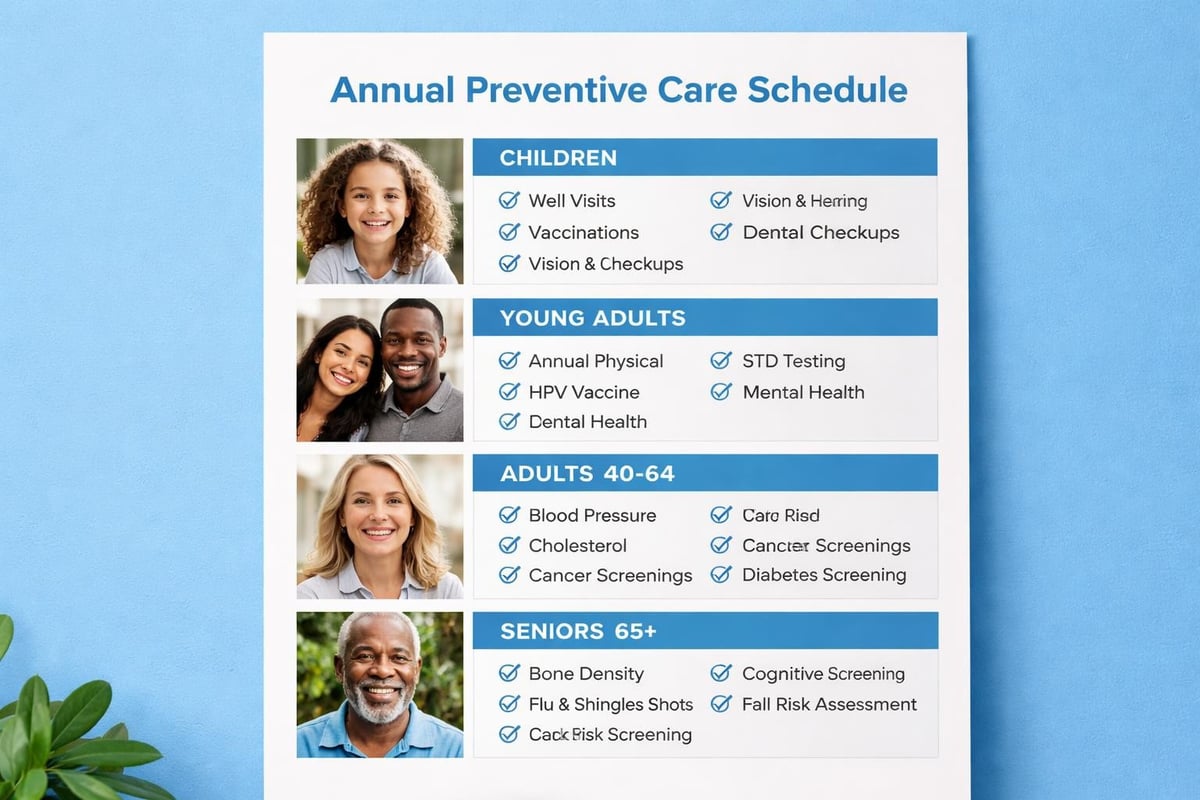
Annual wellness visits provide opportunities for comprehensive health assessments, including blood pressure monitoring, cholesterol screening, diabetes testing, and cancer screenings appropriate for age and risk factors. These proactive measures enable early intervention when treatment is most effective.
The Benefits of Establishing Primary Care Health Relationships
Building a lasting relationship with a primary care provider creates numerous advantages that episodic or urgent care cannot replicate. Continuity of care allows providers to understand patient medical histories, family backgrounds, lifestyle factors, and personal health goals.
| Benefit Category | Impact on Patient Care |
|---|---|
| Personalized Treatment | Providers understand individual health patterns and can detect subtle changes |
| Medication Management | Comprehensive oversight prevents dangerous interactions and ensures optimal dosing |
| Cost Efficiency | Preventive care and early intervention reduce expensive emergency visits |
| Care Coordination | Seamless referrals to specialists with maintained communication throughout |
| Health Literacy | Ongoing education helps patients make informed decisions about their wellness |
Chronic Disease Management Through Primary Care Health
Approximately 60% of American adults live with at least one chronic condition, making ongoing management a critical component of primary care health services. Conditions such as diabetes, hypertension, asthma, and heart disease require consistent monitoring, medication adjustments, and lifestyle interventions.
Primary care providers develop comprehensive management plans tailored to each patient's unique circumstances. Regular follow-ups track progress, adjust treatments as needed, and address complications before they escalate. This continuous oversight significantly improves quality of life while reducing hospitalizations and emergency interventions.
Same-day appointment availability becomes particularly valuable for chronic disease patients who need rapid assessment when symptoms change or new concerns arise. Quick access prevents minor issues from developing into serious complications requiring intensive treatment.
Comprehensive Services Within Primary Care Health Systems
Modern primary care health practices have evolved beyond basic examination rooms to offer integrated services that address multiple health needs under one roof. This comprehensive approach streamlines care delivery and improves patient outcomes through coordinated treatment strategies.
In-House Ancillary Services
Advanced primary care facilities incorporate diagnostic and therapeutic services directly within their practices, eliminating the need for patients to travel to multiple locations for routine care needs.
Common in-house services include:
- Laboratory testing with rapid results
- Diagnostic imaging (X-rays, ultrasounds)
- Minor surgical procedures
- Physical therapy and rehabilitation
- Nutritional counseling
- Behavioral health integration
The American Academy of Family Physicians defines primary care comprehensively, emphasizing the importance of these integrated service models. Having these capabilities available within the primary care setting reduces delays in diagnosis and treatment while improving patient compliance with recommended care plans.
Specialty Support and Coordination
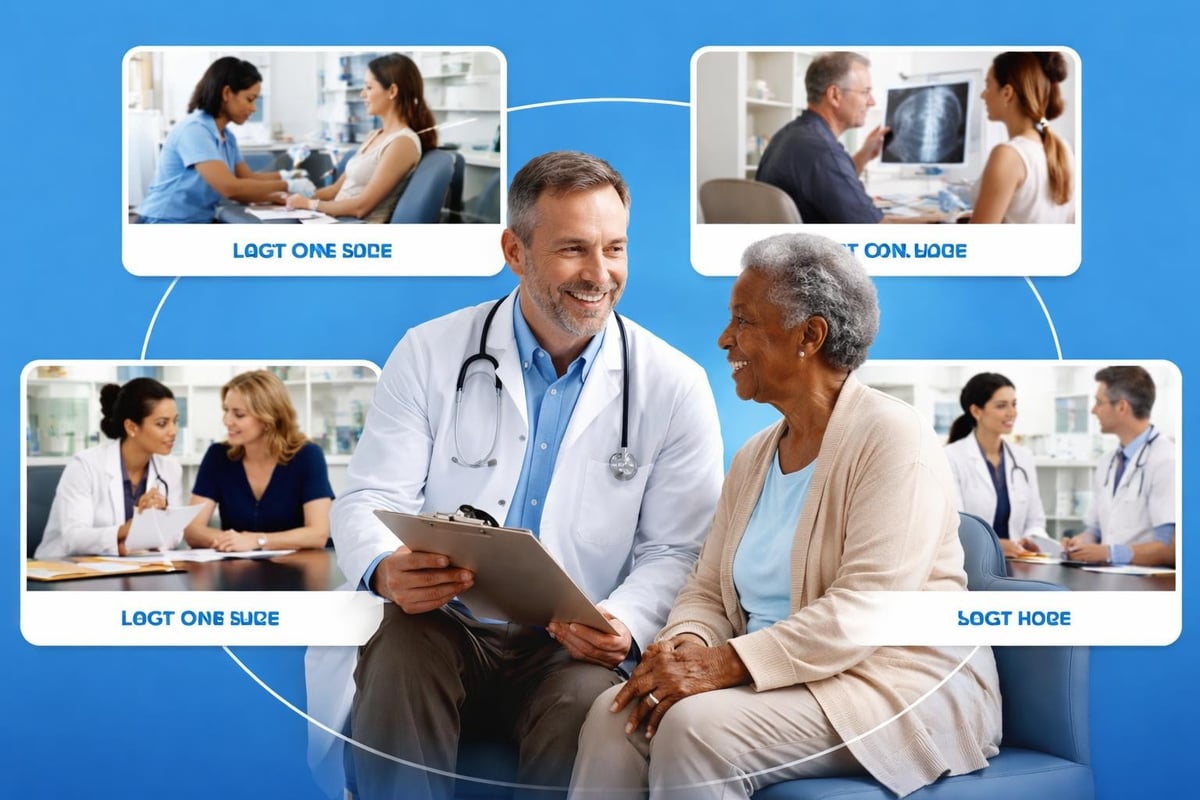
While primary care providers handle the vast majority of health concerns, certain conditions require specialized expertise. Effective primary care health systems maintain strong relationships with subspecialists, ensuring seamless referrals and ongoing communication throughout the treatment process.
This coordination proves essential for complex conditions requiring multiple providers. The primary care physician serves as the central coordinator, maintaining oversight of all treatments, preventing conflicting recommendations, and ensuring all specialists have access to complete medical histories.
Access and Availability in Primary Care Health
The true value of primary care health services depends heavily on accessibility. Patients facing urgent health concerns cannot wait weeks for appointments, and delayed care often leads to worsening conditions and increased treatment complexity.
Same-Day Appointment Capabilities
Progressive primary care practices recognize that health concerns arise unpredictably and have restructured scheduling systems to accommodate urgent needs. Same-day appointments address acute illnesses, injury assessments, medication reactions, and sudden symptom changes that require prompt evaluation.
This accessibility serves multiple purposes beyond immediate patient comfort. It reduces unnecessary emergency room visits for conditions that can be effectively managed in outpatient settings, lowering healthcare costs while freeing emergency resources for true emergencies.
| Traditional Scheduling | Same-Day Access Model |
|---|---|
| Wait times of 2-4 weeks for routine appointments | Reserved slots for urgent same-day needs |
| Urgent concerns sent to emergency rooms | Most urgent issues handled in primary care setting |
| Higher overall healthcare costs | Reduced emergency department utilization |
| Fragmented care continuity | Maintained relationship with regular provider |
Extended Service Hours
Modern primary care health practices increasingly offer extended hours, including early morning, evening, and weekend availability. These expanded schedules accommodate working patients, parents managing children's care, and individuals who cannot easily take time off during traditional business hours.
Flexible scheduling removes barriers to consistent care, improving patient compliance with follow-up appointments and preventive care recommendations. When accessing healthcare requires significant disruption to work or family responsibilities, patients often delay necessary care until conditions worsen.
Primary Care Health Across the Lifespan
Comprehensive primary care health services adapt to the changing needs of patients from infancy through senior years. Each life stage presents unique health considerations and preventive priorities that experienced primary care providers address through age-appropriate interventions.
Pediatric Primary Care
Children require specialized attention to growth and development, immunization schedules, and age-specific health screenings. Pediatric primary care establishes healthy foundations through nutritional guidance, developmental milestone tracking, and early identification of learning or behavioral concerns.
Regular well-child visits monitor physical growth, assess developmental progress, and provide opportunities for parents to discuss concerns about their child's health and behavior. These relationships often span from birth through adolescence, creating continuity that benefits both children and families.
Adult and Geriatric Care
As patients age, primary care health priorities shift toward chronic disease prevention, management of existing conditions, and maintenance of functional independence. Adult wellness visits focus on cardiovascular health, cancer screenings, metabolic conditions, and mental health.
Senior patients benefit particularly from coordinated primary care that manages multiple conditions simultaneously while minimizing medication burden and treatment complexity. Fall prevention, cognitive health monitoring, and social isolation assessment become increasingly important components of comprehensive geriatric care.

Maximizing Your Primary Care Health Experience
Patients who actively engage with their primary care providers achieve better health outcomes than those who approach healthcare passively. Strategic preparation and consistent follow-through amplify the benefits of primary care health services.
Preparing for Appointments
Effective medical appointments begin with thorough preparation. Patients should document symptoms, including when they started, what makes them better or worse, and how they impact daily activities. Bringing updated medication lists, including over-the-counter supplements, prevents dangerous interactions and ensures accurate prescribing.
Pre-appointment preparation checklist:
- Write down specific questions and concerns
- Update your medication and supplement list
- Document recent symptoms with dates and details
- Bring records from other providers if applicable
- Note family history changes or new diagnoses in relatives
- Review your immunization records
Building an Effective Partnership
The patient-provider relationship functions best as a collaborative partnership rather than a purely directive interaction. Patients should feel comfortable asking questions, expressing concerns about treatment recommendations, and discussing lifestyle factors that impact health decisions.
Honest communication about adherence challenges, side effects, or financial constraints allows providers to develop realistic, achievable treatment plans. Primary care health services work most effectively when patients view their providers as trusted partners in long-term wellness rather than authorities to visit only when sick.
Technology Integration in Primary Care Health
Modern primary care practices increasingly leverage technology to enhance accessibility, streamline communication, and improve care coordination. These digital tools complement traditional in-person care while expanding service capabilities.
Patient portals provide secure access to medical records, test results, appointment scheduling, and prescription refills. Telemedicine capabilities enable remote consultations for certain conditions, reducing barriers for patients with transportation challenges or mobility limitations.
Electronic health records facilitate seamless information sharing between primary care providers and specialists, ensuring all members of the care team access current, comprehensive patient information. This integration reduces redundant testing, prevents medication errors, and improves treatment coordination.
Choosing the Right Primary Care Health Provider
Selecting a primary care provider represents an important decision that influences long-term health outcomes. Several factors merit consideration when evaluating potential practices and physicians.
Key selection criteria include:
- Board certification and credentials
- Office location and accessibility
- Appointment availability, including same-day options
- In-house services and specialty support
- Communication style and patient reviews
- Insurance acceptance and billing practices
- Technology offerings like patient portals and telemedicine
Visiting potential practices, meeting providers, and asking about care philosophies helps identify the best fit for individual needs and preferences. The ideal primary care relationship balances medical expertise with personal rapport and practical accessibility.
Financial Aspects of Primary Care Health
Understanding the financial dimensions of primary care helps patients maximize insurance benefits while minimizing out-of-pocket costs. Most insurance plans provide comprehensive coverage for preventive care services without requiring copayments or meeting deductibles.
Annual wellness visits, age-appropriate screenings, and immunizations typically fall under these preventive categories. Taking full advantage of these covered services provides significant value while supporting long-term health. Patients should verify specific coverage details with their insurance providers to understand which services qualify as preventive versus diagnostic.
Establishing consistent primary care relationships also reduces overall healthcare spending by preventing expensive emergency interventions and hospitalizations through early detection and management of health concerns.
Primary care health services provide the essential foundation for comprehensive wellness across all life stages, combining preventive care, chronic disease management, and coordinated specialty support. When you need accessible, comprehensive medical care that adapts to your unique health needs, Dominion health offers same-day appointments, in-house ancillary services, and specialty coordination for patients of all ages. Experience the difference that integrated, patient-centered primary care can make in your health journey.