Finding a reliable primary care doctor ny residents can trust is one of the most important healthcare decisions you'll make. Your primary care physician serves as the central hub of your healthcare journey, coordinating everything from preventive screenings to specialist referrals. In a city as dynamic and diverse as New York, having a medical home that understands your unique needs and offers comprehensive services can make all the difference in maintaining optimal health for you and your family.
Understanding the Role of Your Primary Care Physician
A primary care doctor ny patients rely on serves multiple critical functions beyond treating occasional illnesses. These physicians act as your health advocate, medical coordinator, and long-term wellness partner. Primary care physicians manage common medical problems, prevent disease, and coordinate referrals to specialists while maintaining a comprehensive understanding of your medical history.
Your primary care provider builds a relationship with you over time, tracking health trends, identifying risk factors early, and personalizing preventive care strategies. This continuity of care proves especially valuable in managing chronic conditions like diabetes, hypertension, or asthma, where consistent monitoring and treatment adjustments make the difference between controlled and uncontrolled disease.
Comprehensive Services That Matter
Modern primary care extends far beyond annual physical examinations. Today's primary care practices offer a wide range of services designed to address your complete health needs:
- Preventive care and health screenings tailored to your age, gender, and risk factors
- Chronic disease management with regular monitoring and treatment optimization
- Acute illness treatment for infections, injuries, and sudden health concerns
- Vaccinations and immunizations for all age groups
- Mental health screening and support integrated into primary care visits
- Women's health services including reproductive health and prenatal care
- Pediatric care with developmental monitoring and family-centered approaches
The importance of primary care includes regular checkups, vaccinations, and screenings that catch potential health issues before they become serious problems. This proactive approach to healthcare saves both lives and healthcare costs while improving overall quality of life.

The New York Primary Care Landscape
The primary care environment in New York reflects both opportunities and challenges unique to the state. The primary care industry in New York continues to grow, driven by an aging population, increased health awareness, and expanding insurance coverage options. This growth creates more choices for patients seeking quality care.
Urban vs. Rural Access Differences
Healthcare access varies significantly across New York State. While urban centers like New York City offer numerous primary care options, rural counties face physician shortages that limit access to consistent primary care services. Understanding these disparities helps patients appreciate the value of establishing care with accessible providers.
| Region Type | Average Wait Time | Provider Density | Service Availability |
|---|---|---|---|
| Urban NYC | 1-3 days | High | Comprehensive |
| Suburban | 3-7 days | Moderate | Good |
| Rural NY | 7-14+ days | Low | Limited |
Same-day appointment availability has become a critical differentiator among primary care practices. Patients dealing with urgent but non-emergency situations benefit enormously from practices that can accommodate immediate needs without directing patients to costly emergency departments.
What to Look for in a Primary Care Doctor NY Offers
Selecting the right primary care doctor ny has available requires careful consideration of multiple factors. Your choice impacts not just immediate care quality but your long-term health outcomes and healthcare experience.
Essential Qualifications and Credentials
Start with the basics: board certification, hospital affiliations, and years of experience. However, don't stop there. Consider whether the physician participates in continuing education, maintains current knowledge of medical advances, and demonstrates commitment to evidence-based practice.
The best primary care doctors combine clinical expertise with strong communication skills. They listen carefully, explain conditions and treatments clearly, and involve patients in decision-making. This collaborative approach leads to better adherence to treatment plans and improved health outcomes.
Practice Infrastructure Matters
The support systems surrounding your primary care doctor ny practice significantly affect your care experience. Key infrastructure elements include:
- In-house diagnostic services like laboratory testing and imaging reduce delays in diagnosis
- Electronic health records improve coordination and reduce medical errors
- Same-day appointment availability addresses urgent health concerns promptly
- Specialist networks streamline referrals when specialized care becomes necessary
- Extended hours and weekend availability accommodate diverse schedules
Practices offering comprehensive in-house ancillary services eliminate the inconvenience of traveling to multiple locations for basic diagnostic testing. This integrated approach speeds diagnosis, improves treatment efficiency, and enhances the overall patient experience.

Same-Day Access and Urgent Care Integration
One of the most valuable features a primary care doctor ny residents should seek is same-day appointment availability. This capability bridges the gap between scheduled preventive care and emergency department visits, providing appropriate care for urgent situations that don't require emergency services.
Benefits of Same-Day Primary Care
When you develop sudden symptoms like severe throat pain, suspected urinary tract infections, minor injuries, or acute respiratory illness, same-day access to your regular primary care provider offers multiple advantages over urgent care centers or emergency departments.
Your established primary care doctor already knows your medical history, current medications, and health conditions. This familiarity enables more accurate diagnosis and personalized treatment. Additionally, same-day visits with your regular provider cost significantly less than emergency department visits while providing equivalent or superior care for appropriate conditions.
Cost Comparison for Common Urgent Conditions:
| Condition | Emergency Dept | Urgent Care | Primary Care Same-Day |
|---|---|---|---|
| Strep Throat | $800-1,500 | $150-300 | $100-200 |
| UTI | $1,000-2,000 | $150-300 | $100-200 |
| Minor Injury | $1,200-2,500 | $200-400 | $150-250 |
Data shows that patients demonstrate strong engagement with their primary care doctors when access barriers are removed, leading to better preventive care utilization and health outcomes.
Family-Centered Primary Care Approaches
Finding a primary care doctor ny families can rely on simplifies healthcare management significantly. Rather than coordinating care across multiple physicians for different family members, family medicine practices provide comprehensive care for all ages under one roof.
Care Across the Lifespan
Family medicine practitioners manage health needs from newborn care through geriatric medicine. This comprehensive scope means:
- Pediatric expertise for well-child visits, vaccinations, and developmental monitoring
- Adolescent care addressing physical changes, mental health, and preventive education
- Adult medicine focusing on chronic disease prevention and management
- Senior care emphasizing fall prevention, medication management, and quality of life
- Women's health including reproductive care and menopause management
This longitudinal approach creates efficiencies in family healthcare. One physician understands family health patterns, genetic predispositions, and household dynamics that influence health behaviors. Scheduling becomes simpler when multiple family members can see the same provider or practice.
Specialty Support and Referral Networks
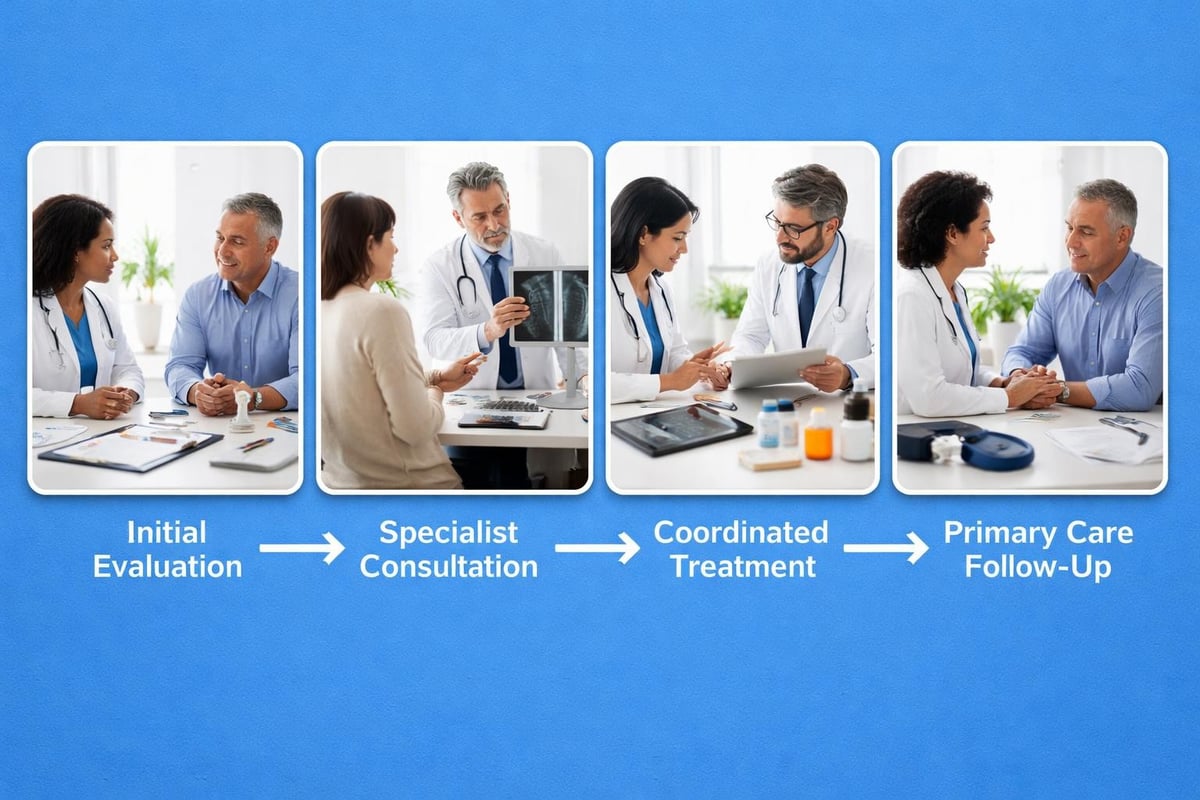
While primary care addresses the majority of health needs, certain conditions require specialized expertise. The quality of a primary care doctor ny practice's specialist network directly impacts your access to timely, high-quality specialty care when needed.
Coordinated Specialty Care
Effective primary care practices maintain strong relationships with specialists across multiple disciplines. These networks facilitate:
- Expedited referral appointments reducing wait times for specialty consultation
- Direct communication between primary and specialty providers ensuring coordinated care
- Shared electronic health records eliminating information gaps
- Collaborative treatment planning that considers all aspects of your health
In-house subspecialty support represents the gold standard in primary care. When specialists work within or closely with your primary care practice, coordination improves dramatically. You benefit from seamless communication, faster access, and truly integrated care planning.
Ancillary Services and Diagnostic Capabilities
The availability of in-house ancillary services distinguishes exceptional primary care practices from basic ones. These services eliminate delays, reduce costs, and improve diagnostic accuracy.
In-House Laboratory Services
On-site laboratory testing provides immediate results for common tests including:
- Complete blood counts and metabolic panels
- Lipid profiles and diabetes screening
- Urinalysis and culture capabilities
- Rapid strep and flu testing
- Pregnancy testing and basic hormone levels
Immediate results enable same-visit diagnosis and treatment initiation. Rather than waiting days for external lab results, you receive answers and begin appropriate therapy during your appointment.
Imaging and Diagnostic Testing
Advanced primary care practices offer imaging services that previously required separate referrals:
| Service Type | Diagnostic Use | Same-Day Availability |
|---|---|---|
| X-Ray | Bone injuries, chest infections | Yes |
| ECG | Heart rhythm assessment | Yes |
| Ultrasound | Abdominal, vascular, pregnancy | Often |
| Spirometry | Lung function testing | Yes |
These capabilities accelerate diagnosis of conditions ranging from pneumonia to heart disease, enabling faster treatment and better outcomes.
Preventive Care and Wellness Programs
The most effective primary care doctor ny offers doesn't just treat illness but actively prevents it. Comprehensive preventive care programs form the foundation of long-term health.
Age-Appropriate Screening Protocols
Evidence-based screening guidelines help identify diseases in early, treatable stages:
- Cancer screenings including mammography, colonoscopy, and cervical cancer testing
- Cardiovascular risk assessment with blood pressure, cholesterol, and diabetes screening
- Bone density testing for osteoporosis prevention
- Mental health screening for depression and anxiety disorders
- Substance use screening and intervention programs
Your primary care provider tailors these screenings to your individual risk factors, family history, and lifestyle, ensuring you receive appropriate preventive services without unnecessary testing.
Chronic Disease Prevention Strategies
Beyond screening, effective primary care includes active prevention strategies:
- Nutrition counseling addressing diet-related disease risks
- Physical activity prescription and support
- Smoking cessation programs with proven effectiveness
- Weight management programs using evidence-based approaches
- Stress reduction and mental health support
NYC Health + Hospitals offers comprehensive primary care services including integrated behavioral services and nutrition counseling, demonstrating the value of holistic preventive approaches.
Insurance, Accessibility, and Health Equity
Access to quality primary care should not depend on insurance status or economic resources. Programs like NYC Care demonstrate how large healthcare access programs successfully connect uninsured residents to primary and specialty care, improving health outcomes across diverse populations.
Insurance Acceptance and Payment Options
When evaluating a primary care doctor ny provides, verify insurance participation and payment policies. Quality practices typically accept:
- Medicare and Medicaid programs
- Major commercial insurance plans
- NYC Care and other municipal programs
- Self-pay options with transparent pricing
Financial barriers should never prevent access to primary care. Practices committed to health equity offer payment plans, sliding fee scales, and assistance navigating coverage options.
Language and Cultural Competency
New York's diverse population requires culturally competent care delivered in multiple languages. Seek practices offering:
Language Services:
- Staff fluent in commonly spoken languages
- Professional interpretation services
- Translated patient education materials
Cultural Competency:
- Understanding of diverse health beliefs and practices
- Respect for cultural preferences in treatment approaches
- Sensitivity to social determinants of health
Technology Integration in Modern Primary Care
Today's primary care doctor ny patients choose should leverage technology to enhance care quality and convenience. Digital health tools transform the patient experience while improving health outcomes.
Patient Portal Capabilities
Robust patient portals provide 24/7 access to:
- Medical records and test results
- Prescription refill requests
- Appointment scheduling and reminders
- Secure messaging with care team
- Health education resources
These tools empower patients to take active roles in their healthcare while reducing phone calls and administrative burden on practice staff.
Telemedicine Integration
Virtual visits complement in-person care, offering convenience for:
- Follow-up appointments for stable chronic conditions
- Mental health counseling sessions
- Medication management visits
- Minor illness evaluation
- Test result discussions
The combination of in-person and virtual care options provides flexibility that accommodates diverse schedules and mobility limitations.
Measuring Quality in Primary Care
Not all primary care practices deliver equivalent quality. Understanding quality metrics helps you make informed choices about where to establish care.
Key Performance Indicators
High-performing primary care practices demonstrate excellence across multiple measures:
- Patient satisfaction scores reflecting communication quality and access
- Clinical quality metrics including diabetes control rates and preventive screening completion
- Care coordination effectiveness measured by hospital readmission rates
- Patient safety indicators tracking medication errors and adverse events
Many practices publicly report quality data, allowing prospective patients to compare performance across providers. NYC Health + Hospitals tracks primary care patient volume and access metrics, demonstrating accountability in service delivery.
Patient Experience Factors
Beyond clinical metrics, patient experience significantly impacts satisfaction and health outcomes:
| Experience Factor | High Quality Indicator | Impact on Outcomes |
|---|---|---|
| Wait Times | <15 minutes | Improved satisfaction |
| Visit Duration | 15-20 minutes minimum | Better understanding |
| After-Hours Access | Phone/portal support | Reduced ER visits |
| Care Team Continuity | Same provider 80%+ visits | Stronger relationship |
Consistent access to your established provider rather than rotating through multiple physicians strengthens the therapeutic relationship and improves care quality.
Making the Transition to a New Primary Care Doctor NY
Changing primary care providers requires planning to ensure continuity of care and seamless transition of medical records.
Steps for Smooth Transition
Successfully establishing care with a new primary care doctor ny practice involves:
- Schedule an introductory visit even if you feel healthy, establishing baseline relationship
- Request medical records transfer from previous providers to your new practice
- Compile medication lists including dosages and frequencies for all current medications
- Document allergies and adverse reactions to medications or other substances
- Prepare health history summary including major illnesses, surgeries, and family health history
Bring questions about the practice's approach to preventive care, same-day access policies, and specialty coordination to your first visit.
Building the Doctor-Patient Relationship
The relationship with your primary care provider develops over time. Maximize this relationship by:
- Communicating openly about symptoms, concerns, and lifestyle factors
- Following through on recommended screenings and preventive care
- Asking questions when you don't understand explanations or recommendations
- Providing feedback about what works and what doesn't in your care
- Engaging with patient portal tools and educational resources
Strong doctor-patient relationships lead to better adherence to treatment plans, improved health outcomes, and higher patient satisfaction. Programs that promote primary care engagement recognize that consistent relationships with healthcare providers form the foundation of effective healthcare delivery.
Establishing care with the right primary care doctor ny offers transforms your healthcare experience from reactive sick care to proactive health management. Whether you need same-day treatment for urgent concerns, comprehensive preventive care, or coordinated management of chronic conditions, finding a practice that combines clinical excellence with patient-centered service makes all the difference. Dominion health provides comprehensive primary care for all ages, featuring in-house ancillary services, subspecialty support, and same-day appointment availability to serve your family's complete healthcare needs.