Finding the best primary care provider can transform your health journey. Quality primary care serves as the foundation of your healthcare experience, coordinating everything from preventive screenings to chronic disease management. As healthcare evolves in 2026, understanding what distinguishes exceptional primary care from average options helps you make informed decisions about your family's wellbeing. The right primary care practice offers more than basic checkups; it provides comprehensive, accessible, and patient-centered services that adapt to your unique needs.
Essential Qualities That Define the Best Primary Care
The best primary care practices share specific characteristics that set them apart from conventional medical offices. These qualities create an environment where patients receive superior care and feel genuinely supported throughout their healthcare journey.
Accessibility and Same-Day Appointments
Accessibility remains the cornerstone of excellent primary care. When you need medical attention, waiting weeks for an appointment simply isn't acceptable. Top-tier practices offer:
- Same-day appointment availability for urgent concerns
- Extended hours beyond traditional 9-to-5 schedules
- Multiple communication channels including phone, patient portals, and telehealth
- Minimal wait times once you arrive for your appointment
- Convenient location with adequate parking
According to research on traits shared by top primary care practices, accessibility directly correlates with better health outcomes and higher patient satisfaction. Practices that prioritize immediate access demonstrate respect for patients' time and health concerns.
Comprehensive Services Under One Roof
The best primary care facilities eliminate the frustration of referrals and multiple appointments by providing integrated services. This comprehensive approach includes:
| Service Category | Examples | Patient Benefits |
|---|---|---|
| Diagnostic Testing | Laboratory work, imaging, EKG | Faster diagnosis, coordinated results |
| Preventive Care | Vaccinations, screenings, wellness visits | Proactive health management |
| Specialty Support | Cardiology, endocrinology, dermatology | Seamless care coordination |
| Ancillary Services | Physical therapy, nutrition counseling | Holistic treatment approach |
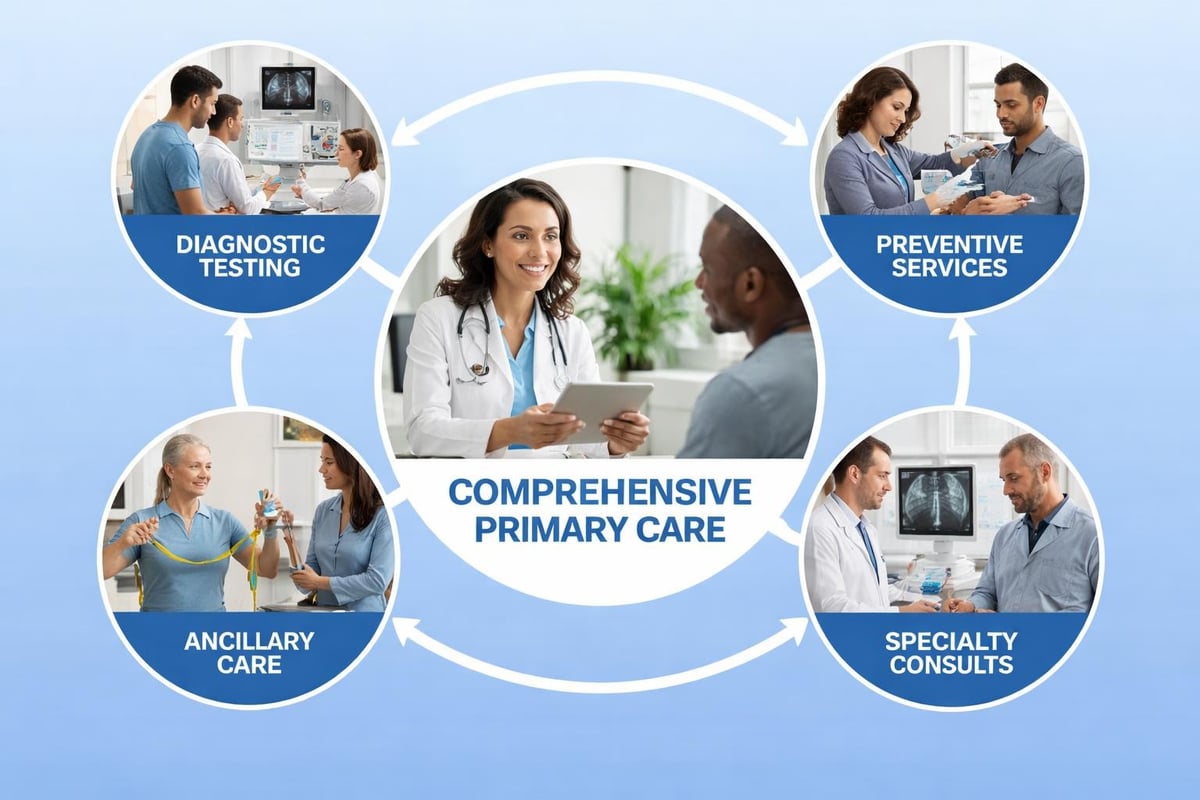
When ancillary services operate in-house, your primary care provider maintains direct oversight of your entire treatment plan. This integration prevents communication gaps and ensures every specialist understands your complete health picture.
Patient-Centered Care Philosophy
The best primary care transcends treating symptoms to addressing each patient as a whole person. This philosophy recognizes that health extends beyond physical ailments to encompass mental, emotional, and social wellbeing.
Team-Based Care Approach
Modern primary care excellence requires collaboration. A robust care team typically includes:
- Primary care physicians or nurse practitioners
- Medical assistants and care coordinators
- Nurses and clinical support staff
- Specialists available for consultation
- Administrative staff who understand patient needs
The guide on improving quality through team-based care emphasizes that collaborative models improve chronic disease management and preventive care outcomes. Each team member contributes specialized expertise while your primary provider orchestrates the overall strategy.
This team structure proves particularly valuable for patients managing multiple conditions. Rather than juggling various specialists independently, you benefit from coordinated care where providers communicate regularly about your progress.
Emphasis on Preventive Medicine
Prevention distinguishes reactive healthcare from proactive wellness management. The best primary care practices invest heavily in:
- Annual wellness examinations tailored to your age and risk factors
- Screening protocols that detect diseases in early, treatable stages
- Immunization programs keeping patients current with recommended vaccines
- Lifestyle counseling addressing nutrition, exercise, and stress management
- Health education empowering patients to make informed decisions
These preventive measures reduce emergency situations and improve long-term health outcomes while controlling healthcare costs.
Quality Improvement and Evidence-Based Practice
Superior primary care providers continuously refine their approaches based on emerging research and patient outcomes. This commitment to excellence manifests through systematic quality improvement initiatives.
Data-Driven Decision Making
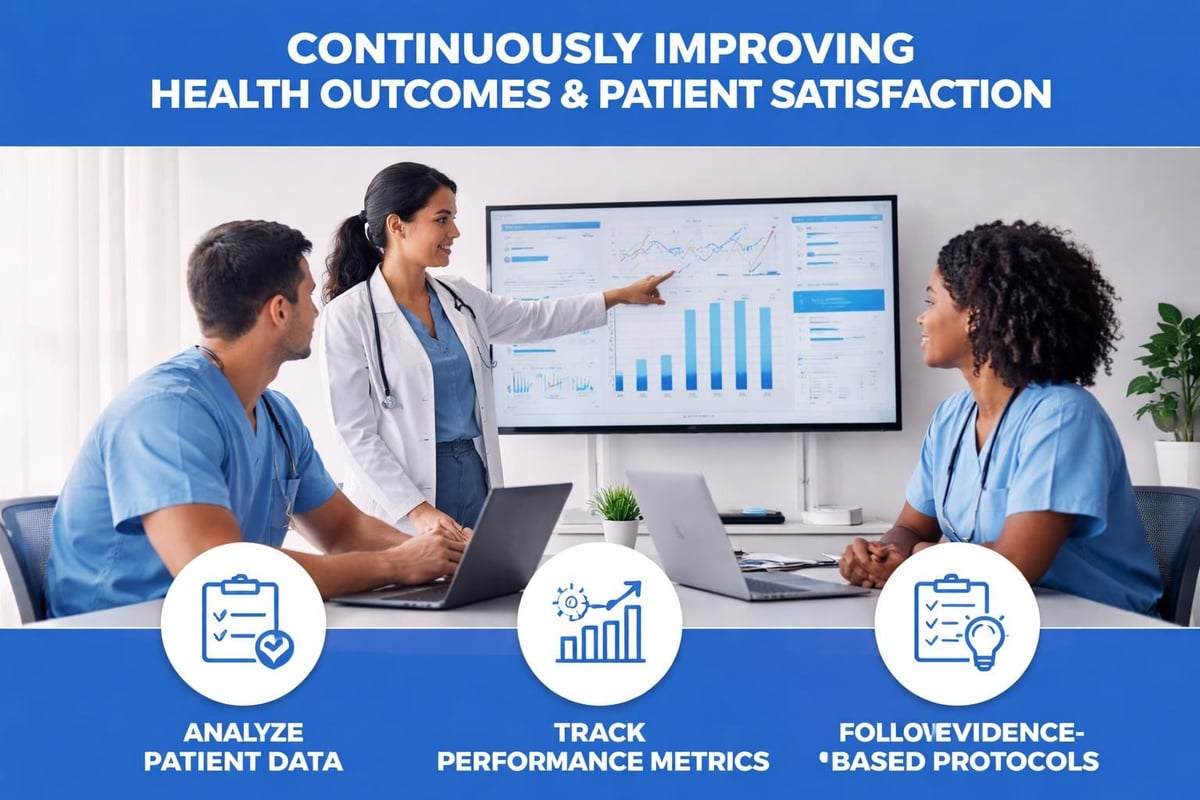
Leading practices leverage technology and analytics to enhance care delivery. The Agency for Healthcare Research and Quality strategies outline how data transforms primary care through:
- Electronic health record systems that track patient histories comprehensively
- Population health management identifying at-risk patients
- Performance metrics measuring clinical outcomes
- Patient feedback mechanisms driving service improvements
By analyzing patterns across their patient population, the best primary care providers identify opportunities for enhanced screening, better chronic disease management, and more effective patient education.
Implementation of Best Practices
Evidence-based medicine ensures treatments reflect current scientific understanding. Exceptional practices stay current by:
- Regularly reviewing medical literature and clinical guidelines
- Participating in quality improvement collaboratives
- Implementing proven protocols for common conditions
- Adjusting approaches based on outcome measurements
The key principles for quality improvement implementation emphasize that successful practices create systems for ongoing learning and adaptation. This intellectual curiosity translates to better care for patients.
Technology Integration and Modern Conveniences
The best primary care in 2026 harnesses technology to enhance rather than replace the human elements of healthcare. Smart implementation creates efficiency without sacrificing personal connection.
Electronic Health Records and Documentation
Modern EHR systems serve as powerful tools when used effectively. Best practices for EHR documentation include:
- Real-time charting during patient visits
- Concise, actionable notes focusing on clinical relevance
- Integration with diagnostic equipment and laboratories
- Prescription management reducing errors
- Patient portal access for reviewing results and communicating
Efficient documentation allows providers to spend more face-to-face time with patients. When physicians aren't buried in paperwork, they can focus on listening, examining, and building therapeutic relationships.
Telehealth and Digital Communication
Virtual care options expanded dramatically in recent years and now represent a permanent fixture in excellent primary care. Benefits include:
| Telehealth Feature | Application | Advantage |
|---|---|---|
| Video Consultations | Follow-ups, minor illnesses, medication management | Convenience without compromising care quality |
| Secure Messaging | Questions, prescription refills, appointment scheduling | Asynchronous communication respecting everyone's time |
| Remote Monitoring | Blood pressure, glucose levels, weight tracking | Continuous data informing treatment adjustments |
| Online Scheduling | Appointment booking and management | 24/7 access without phone calls |
These technologies complement rather than replace in-person visits, offering flexibility that adapts to patient preferences and clinical needs.
Comprehensive Care Across All Life Stages
The best primary care providers serve patients from infancy through senior years, understanding how health needs evolve throughout life. This continuity offers tremendous advantages.
Pediatric Through Geriatric Services
Family-focused practices eliminate the need to switch providers as children grow or when caring for aging parents. Comprehensive age-span services include:
- Pediatric care: Well-child visits, developmental screenings, immunizations, acute illness treatment
- Adolescent medicine: Sports physicals, mental health support, confidential care for sensitive issues
- Adult primary care: Chronic disease management, preventive screenings, acute care
- Geriatric medicine: Cognitive assessments, fall prevention, medication management, complex condition coordination
This continuity allows providers to understand family health patterns and genetic predispositions that inform personalized care strategies.
Chronic Disease Management Excellence
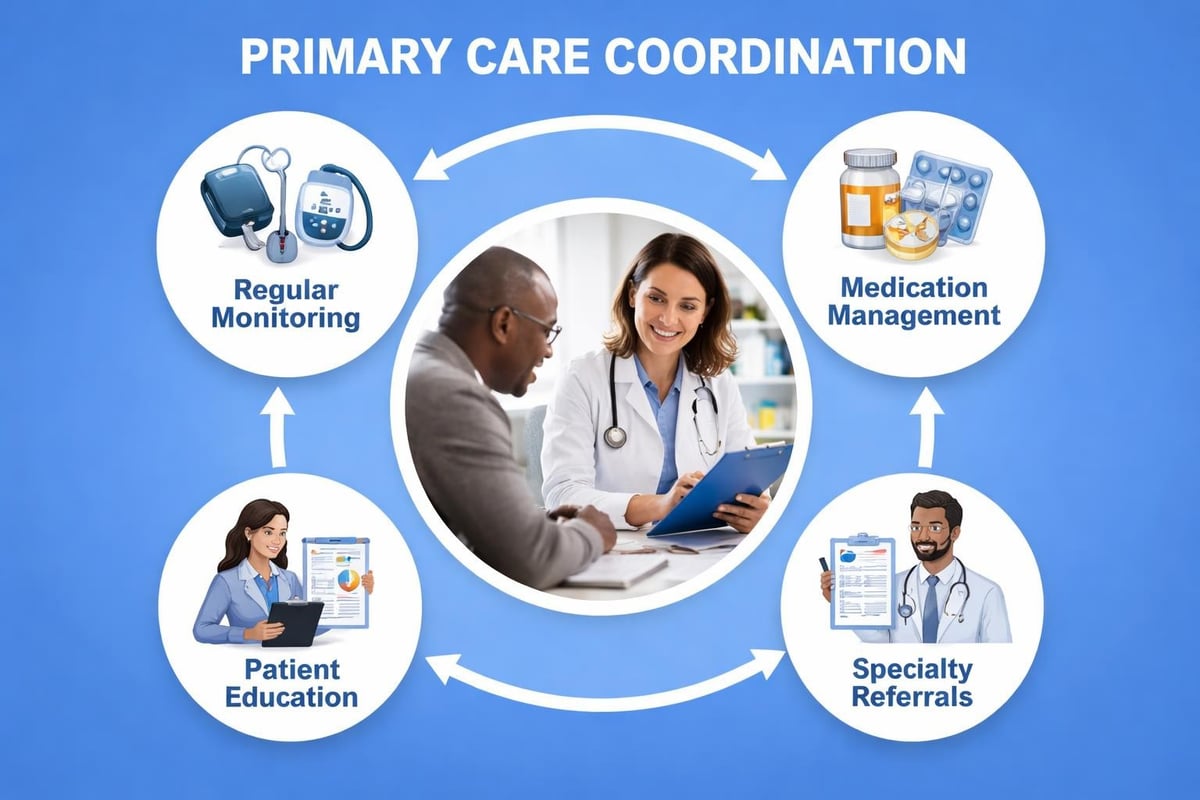
For patients with diabetes, hypertension, asthma, or other ongoing conditions, disease management quality separates adequate care from exceptional outcomes. Superior practices provide:
- Regular monitoring with appropriate testing intervals
- Medication optimization balancing efficacy and side effects
- Patient education about self-management techniques
- Coordinated specialty referrals when needed
- Lifestyle modification support addressing root causes
The strategies for engaging patients and families prove particularly valuable for chronic disease management. When patients actively participate in their care plans, adherence improves and outcomes strengthen.
Coordination with Specialty Care
Even the best primary care providers recognize when specialized expertise becomes necessary. The quality of specialty coordination distinguishes exceptional practices.
Seamless Referral Processes
When subspecialty consultation is required, efficient practices ensure:
- Timely referrals to appropriate specialists
- Complete information transfer including relevant test results
- Follow-up communication between specialists and primary providers
- Integration of specialty recommendations into overall care plans
- Assistance navigating insurance requirements
In-house subspecialty support eliminates many referral frustrations. When specialists work within the same practice system, communication flows naturally and patients avoid the confusion of disconnected care.
Maintaining Care Continuity
Your primary care provider should remain your healthcare quarterback even when specialists join the team. This means:
- Reviewing all specialist reports and test results
- Reconciling medications prescribed by multiple providers
- Monitoring for drug interactions or conflicting recommendations
- Ensuring all providers understand your complete health picture
- Coordinating care transitions after hospitalizations
The improvement strategies for primary health care emphasize that coordination quality directly impacts patient safety and treatment effectiveness.
Patient Experience and Satisfaction
Beyond clinical excellence, the best primary care creates positive experiences that reduce healthcare-related stress and build trust.
Communication and Relationship Building
Effective patient-provider relationships rest on:
- Active listening without interruption or distraction
- Clear explanations using understandable language
- Shared decision-making respecting patient preferences
- Cultural sensitivity and personalized approaches
- Consistent provider availability reducing "doctor hopping"
These relational elements often matter as much as clinical expertise. When patients feel heard and respected, they communicate more openly about symptoms, adhere better to treatment plans, and experience better outcomes.
Transparent Pricing and Insurance Navigation
Financial concerns shouldn't create barriers to necessary care. Excellent practices demonstrate commitment through:
- Clear price estimates before services
- Insurance verification and authorization assistance
- Payment plans for uninsured or underinsured patients
- Transparent billing without hidden fees
- Staff who can explain coverage details
This transparency builds trust and ensures financial considerations don't prevent patients from seeking needed care.
Measuring and Maintaining Excellence
The best primary care providers don't rest on past achievements but continuously strive for improvement through systematic assessment.
Patient Outcome Tracking
Superior practices monitor metrics including:
| Metric Category | Specific Measures | Improvement Targets |
|---|---|---|
| Preventive Care | Screening completion rates, immunization coverage | 90%+ compliance with guidelines |
| Chronic Disease | HbA1c control, blood pressure targets, asthma control | Meeting evidence-based goals |
| Patient Safety | Medication errors, hospital readmissions | Continuous reduction |
| Access | Third-next-available appointment, same-day capacity | Under 3 days, 30%+ same-day |
| Satisfaction | Patient surveys, Net Promoter Score | Top quartile performance |
Regular review of these metrics identifies improvement opportunities and validates effective strategies.
Continuous Staff Development
Clinical excellence requires ongoing education. Investment in staff development includes:
- Regular training on current clinical guidelines
- Customer service and communication skills workshops
- Technology proficiency ensuring efficient EHR use
- Team-building activities strengthening collaboration
- Professional development supporting career growth
When staff feel valued and continuously develop their skills, patients benefit from knowledgeable, engaged providers who deliver compassionate care.
Creating a Culture of Wellness
The best primary care extends beyond treating illness to actively promoting health and preventing disease before it starts.
Community Health Initiatives
Forward-thinking practices engage their communities through:
- Health education seminars on relevant topics
- Wellness challenges encouraging healthy behaviors
- Partnerships with local organizations promoting fitness
- Preventive screening events increasing access
- Resources addressing social determinants of health
These initiatives demonstrate commitment to population health beyond individual patient encounters.
Holistic Health Support
Recognition that health encompasses physical, mental, and social dimensions leads comprehensive practices to address:
- Mental health screening identifying depression, anxiety, and substance use concerns
- Stress management resources providing coping strategies and resilience building
- Nutritional counseling developing sustainable eating patterns
- Exercise prescription creating individualized activity plans
- Social support connections linking patients with community resources
This holistic approach acknowledges that factors beyond medical conditions profoundly influence overall wellbeing.
Selecting the best primary care provider requires evaluating accessibility, comprehensive services, quality improvement commitment, and patient-centered philosophy. These elements combine to create healthcare experiences that not only treat illness but actively promote lifelong wellness. When you need a primary care practice that delivers all these qualities, Dominion health provides comprehensive care for all ages with in-house ancillary services, subspecialty support, and same-day appointment availability to address your health concerns promptly and effectively.