
Imagine a future where every member of your family enjoys vibrant health, guided by the most current medical knowledge and personalized care. As we look ahead to 2026, preparing for this future has never been more important.
The "First Family Health Guide: Your Path to Wellness 2026" is designed as your trusted companion on the journey to lasting wellness. This guide empowers families with practical, up-to-date strategies for preventive care, chronic disease management, mental well-being, nutrition, fitness, and navigating the evolving healthcare landscape.
Discover the latest insights and take proactive steps for every generation. Begin your path to a healthier, happier family with the first family health guide and shape your wellness story in 2026.
Building the Foundation: Preventive Family Health in 2026
Strong family health begins with prevention. In 2026, a proactive approach is more accessible and effective than ever, empowering every household to lay a lasting foundation for wellness.
The Evolving Role of Preventive Care
The shift from reactive to proactive healthcare is transforming the first family health experience. Instead of waiting for illness, families now use regular check-ups and screenings to stay ahead. The CDC notes that 60% of Americans have at least one chronic disease, but many are preventable with early action.
Smart devices and telemedicine have become essential, allowing families to monitor health metrics from home. Annual wellness visits now reduce emergency room visits by 15%, according to the Mayo Clinic. These visits include vaccination updates, new screening recommendations, and personalized risk assessments.
Early detection is critical. Regular cancer screenings, cholesterol checks, and blood pressure monitoring can catch problems sooner. Understanding family health history and genetic risks helps guide these efforts, ensuring every member gets tailored preventive care.
Key Preventive Steps for Different Life Stages
Preventive care is not one-size-fits-all. Every life stage requires unique attention to keep the first family health plan on track:
| Life Stage | Key Preventive Steps |
|---|---|
| Infants/Children | Immunizations, growth checks, vision/hearing screening |
| Teens | Mental health check-ins, HPV vaccination, sports physicals |
| Adults | Blood pressure, cholesterol, diabetes screenings |
| Seniors | Bone density, cancer screenings, fall risk assessments |
Digital health records and tracking apps make it easier to manage appointments and medications for the whole family. Using health apps for reminders ensures everyone stays up to date.
Preventive care also means connecting with community resources, such as school-based programs and local clinics. The Kaiser Family Foundation reports that preventive care can lower healthcare costs by 8%, making these steps a smart investment for every family.
Partnering with Healthcare Providers for Preventive Success
Building a relationship with a primary care provider anchors the first family health approach. Coordinated care means all specialists are informed and involved in the family’s wellness journey. Telehealth options add convenience, letting busy families access care from home.
Many family medical clinics now offer same-day appointments and patient education for self-care. Setting up a family wellness calendar helps track screenings, immunizations, and follow-ups.
Open communication about symptoms and concerns is vital. Families benefit from understanding the Family Health Clinic Benefits, which support preventive care through comprehensive services, easy access, and a focus on patient empowerment.
Dominion Health Family & Internal Medicine Clinic: Your Preventive Care Partner
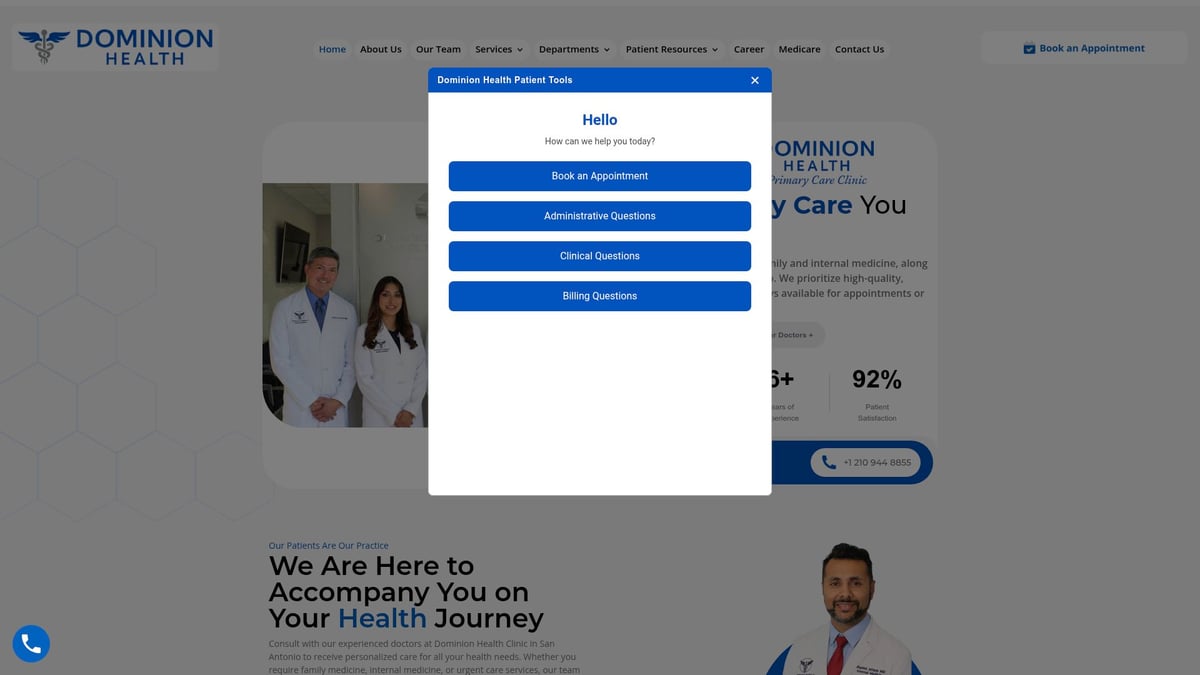
Dominion Health is dedicated to supporting first family health across all ages. With multiple San Antonio locations, families can access same-day and telemedicine appointments for maximum convenience.
Key Preventive Services:
- Comprehensive primary care for children, adults, and seniors
- Preventive screenings and immunizations
- Personalized care plans from board-certified providers
- In-house labs and ancillary services for streamlined follow-up
- Advanced screenings like CancerGuard and wellness programs
Dominion Health’s 92% patient satisfaction rate reflects its commitment to patient-centered care. Transparent insurance and self-pay options ensure accessibility for every family. With a focus on education and advanced technology, Dominion Health makes preventive care simple and effective for your family.
Managing Chronic Conditions: A Family Approach
Chronic conditions affect millions of families, making it essential to adopt a unified and proactive approach. The first family health guide for 2026 empowers households to manage these challenges together, blending the latest medical knowledge with practical strategies. By building supportive systems and leveraging new technologies, families can reduce risks, improve outcomes, and enhance the quality of life for every member.

Understanding the Chronic Disease Landscape in 2026
In 2026, chronic conditions like diabetes, hypertension, asthma, and obesity are increasingly common within families. According to the CDC, four in ten adults now have two or more chronic conditions, reflecting the urgent need for the first family health strategies that address prevention and ongoing management.
Early diagnosis is critical. Chronic diseases can impact quality of life, family finances, and cause significant caregiver stress. Identifying family health history and genetic risks helps target interventions more effectively.
Technology is changing how families monitor health. Wearable devices and remote dashboards allow real-time tracking of symptoms, medication, and vital signs. These advances support early intervention and help families stay connected to healthcare providers. Family-based prevention programs for conditions like diabetes are showing great promise, emphasizing the importance of a collaborative approach in the first family health journey.
| Chronic Condition | Prevalence (%) | Key Risk Factor |
|---|---|---|
| Diabetes | 11 | Family history |
| Hypertension | 45 | Diet, genetics |
| Asthma | 8 | Environment |
| Obesity | 42 | Lifestyle |
Coordinated Care and Support Systems
Managing chronic illness requires more than medication; it demands a coordinated, family-centered approach. The first family health guide highlights the value of multidisciplinary teams, including doctors, nurses, dietitians, and therapists, to ensure every aspect of care is addressed.
Family involvement is crucial. Coordinating care plans, attending appointments together, and supporting medication adherence can make a significant difference. Support groups and community resources provide emotional and practical help, while telemedicine offers convenient follow-ups.
Digital tools are increasingly popular for tracking symptoms, progress, and appointments. For example, health apps allow families to set reminders and share updates with providers. According to the American Journal of Managed Care, coordinated care can reduce hospitalizations by 20 percent, underlining the power of teamwork in the first family health approach. For more on effective strategies, explore Managing Chronic Conditions as a Family.
- Multidisciplinary care teams
- Health apps and telemedicine
- Community and school support
Empowering Families for Self-Management
Empowering families to manage chronic conditions starts with building health literacy. The first family health guide recommends learning to recognize medication instructions, symptoms, and warning signs. This knowledge enables everyone to participate in care decisions and daily routines.
Setting achievable health goals and tracking progress together fosters motivation. Simple habits, like planning nutritious meals or organizing family walking challenges, can improve well-being and strengthen bonds. Regular follow-ups with providers ensure that care plans remain effective.
Access to credible online resources and support networks is vital. Sharing experiences within the family creates a supportive environment, making it easier to maintain healthy routines. The first family health journey thrives when every member feels informed and included.
Financial and Emotional Considerations
Chronic disease management often brings financial and emotional challenges. Navigating insurance, understanding out-of-pocket costs, and accessing affordable medications are essential steps in the first family health plan.
Caregiver stress and burnout are common, impacting emotional well-being. Thirty percent of caregivers report significant emotional strain, highlighting the need for mental health support. Peer groups, counseling services, and community programs offer valuable relief.
Families benefit from discussing these concerns openly and seeking assistance when needed. The first family health guide encourages families to prioritize their own mental wellness as much as physical health, ensuring resilience throughout the care journey.
Mental and Emotional Well-Being for Every Family Member
Mental and emotional well-being is a cornerstone of the first family health philosophy. In 2026, families are recognizing that wellness goes beyond physical health. Addressing mental health needs for each family member can transform both daily experiences and long-term outcomes.

Recognizing the Importance of Mental Health
The first family health approach acknowledges that mental health is inseparable from overall wellness. According to the NIH, one in five Americans, both children and adults, faces mental health challenges annually. These include anxiety, depression, stress, and behavioral disorders.
Open conversations about emotions are essential. Many families are working to reduce stigma, making it easier for members to share their feelings and seek help. Early intervention leads to better long-term outcomes, especially when schools and community organizations offer mental health screenings.
Common challenges like academic stress, social pressures, and life transitions can affect any family. Recognizing early signs, such as changes in mood or behavior, helps families act quickly. The first family health mindset encourages regular mental health check-ins, just as you would with physical health.
Building Resilient Family Dynamics
Resilience starts at home. The first family health guide recommends fostering open communication through regular family meetings and supportive routines. Establishing clear boundaries and encouraging empathy can help children and adults navigate stress together.
Family activities, such as shared hobbies or weekly game nights, strengthen bonds. Studies show that strong family connections can reduce the risk of adolescent depression by 25 percent. Conflict resolution skills and managing digital distractions are also vital for maintaining a positive environment.
Consider creating a family wellness plan that includes emotional check-ins and stress management strategies. The Comprehensive Family Medicine Overview highlights how holistic care addresses both physical and mental health, reinforcing the first family health commitment to total well-being.
Accessing Mental Health Resources
Knowing when and how to seek help is crucial for first family health. Watch for warning signs such as withdrawal, persistent sadness, or changes in sleep and appetite. Professional support may come from therapists, counselors, or psychiatrists, either in person or via teletherapy.
Digital platforms and community programs make mental health resources more accessible than ever. Employee Assistance Programs can support parents, while schools often provide counseling for children and teens. In urgent situations, crisis hotlines offer immediate support and guidance.
Empowering your family with knowledge and access to reliable resources is part of the first family health journey. By prioritizing mental and emotional well-being, every family member can thrive in 2026 and beyond.
Nutrition and Fitness: Fueling Family Wellness
Imagine your family sitting together at the dinner table, enjoying a vibrant meal that fuels both body and mind. In the first family health journey toward 2026, nutrition and fitness are at the core of lasting wellness. As science evolves, so do the tools and strategies that make healthy living accessible to everyone.

The 2026 Family Nutrition Landscape
The first family health approach in 2026 is defined by adaptability and personalization. Dietary guidelines now emphasize whole foods, with more families shifting to plant-based or flexitarian diets. According to the IFIC 2025 survey, 65% of families actively reduce processed foods, while food allergies and sensitivities are managed with greater awareness and support.
| Trend | 2026 Focus | Family Impact |
|---|---|---|
| Plant-based eating | Increased adoption | Improved nutrition |
| Personalized plans | DNA-based insights | Tailored choices |
| Meal planning apps | Widespread use | Less stress |
Balanced meals and mindful portion control are now routine in first family health routines. With digital tools, families track nutrition, plan grocery lists, and monitor allergies more efficiently. Meal times become opportunities for connection, learning, and fostering lifelong healthy habits.
Encouraging Healthy Eating Habits Across Ages
Building healthy eating habits starts early and continues through every life stage. In the first family health framework, parents and caregivers set the tone by offering a variety of foods and involving children in meal preparation. This hands-on approach sparks curiosity and reduces pickiness.
Tips to encourage healthy choices include:
- Letting kids help select and wash produce
- Offering new foods repeatedly without pressure
- Keeping healthy snacks like fruit and yogurt visible
- Choosing water over sugary drinks
- Cooking at home for better control of ingredients
Home-cooked meals not only improve nutrition but are linked to a 12% lower obesity risk, as shown by Harvard research. Families who eat together model positive attitudes about food, making nutrition a cornerstone of first family health. Even small changes, like packing balanced school lunches or exploring new recipes, build a foundation for lifelong wellness.
Integrating Physical Activity into Family Life
Physical movement is vital for every member of the family. The CDC recommends that children get 60 minutes of activity daily, while adults aim for 150 minutes each week. In the first family health strategy, activity is woven into daily routines, making fitness fun and accessible.
Ideas for family fitness include:
- Bike rides or nature hikes on weekends
- Dance parties in the living room
- Joining local sports leagues or recreation centers
- Tracking steps with wearable devices and holding friendly challenges
Limiting screen time and encouraging outdoor play help balance technology use. Community resources, such as parks and fitness programs, support diverse abilities and ages. By setting realistic goals and celebrating progress, families reinforce the value of movement in the first family health journey.
Navigating the Modern Healthcare System
The modern healthcare system in 2026 offers more choices and flexibility than ever before. Families seeking guidance from the first family health perspective must navigate a complex landscape of options, from traditional in-person visits to advanced telemedicine services. Understanding these pathways is essential for making informed decisions that support family well-being.
Understanding Healthcare Options in 2026
Families today encounter a variety of insurance plans, including private, public, and employer-based options. Navigating these choices is a critical part of the first family health journey. Growing adoption of telemedicine means that care is now accessible from home, with 70% of families using telehealth for routine visits, according to the AMA 2025 report.
It is important to know when to choose a primary care provider, urgent care, or specialty care. Pediatric, adult, and geriatric services are increasingly coordinated, making it easier for families to access age-appropriate care. For example, virtual urgent care is available after hours, providing timely support without needing to leave home.
Families benefit from partnering with trusted providers. For a comprehensive overview of what family medicine can offer, see the General Family Medicine Services page. Exploring all available options ensures that the first family health approach is both proactive and personalized.
Maximizing Access and Affordability
Accessing affordable care is a top priority for every first family health plan. Finding in-network providers, understanding co-pays, deductibles, and out-of-pocket maximums can make a significant difference in the cost of care. Many preventive services are available at no cost, thanks to continuing legal protections. For more on this, see the article on Preventive Care Coverage Under ACA.
Families should take advantage of health savings accounts (HSAs) and flexible spending accounts (FSAs) to manage expenses. Community clinics and assistance programs provide sliding scale fees for uninsured patients. Comparing pharmacy costs and using prescription assistance resources can further reduce financial strain.
When possible, schedule preventive visits and screenings in advance, and use online tools to track expenses. These steps help families stay on top of first family health goals while minimizing economic barriers.
Leveraging Technology for Better Health Outcomes
Technology is reshaping the first family health experience. Patient portals now allow families to schedule appointments, access medical records, and communicate securely with providers. Mobile apps support medication reminders and health tracking, creating a seamless connection between daily routines and clinical care.
Wearable devices make it easy to monitor vital signs and activity levels in real time. AI-driven assessments and virtual triage tools help families recognize when to seek care, especially for chronic disease management. Telehealth not only saves time but also ensures that ongoing health needs are addressed promptly.
Protecting data privacy and choosing credible online health resources are essential. By embracing these tools, families are empowered to take charge of their well-being, reinforcing the principles of first family health in a rapidly evolving system.
As you look ahead to creating a healthier future for your family, remember that small steps—regular checkups, open conversations, and proactive care—can make a lasting difference. With our clinic’s same day appointments, in house services, and personalized support for every age, you never have to navigate your wellness journey alone. If you are ready to put these strategies into action and give your loved ones the care they deserve, let’s take the next step together.
Book Appointment
and start your path to wellness today.