Navigating your family's health can feel overwhelming, but finding the right family health clinic can make all the difference for your well-being.
This essential 2026 handbook is designed to demystify the family health clinic experience, giving you the confidence to choose and utilize the best care for every member of your family.
Inside, you'll discover how the role of family health clinics is evolving, what core services they offer, how to select the right clinic, what to expect during visits, and practical tips to get the most from your clinic experience.
Take a proactive approach to your family's health, and let this guide empower your journey to stress-free, comprehensive care.
The Role of Family Health Clinics in Modern Healthcare
Family health clinics have become an essential cornerstone in the healthcare landscape, adapting rapidly to meet the changing needs of families and communities. In this section, we explore how the family health clinic has evolved, the comprehensive care it provides, its function as a healthcare hub, and its measurable impact on community well-being.
Evolution of Family Health Clinics in the Last Decade
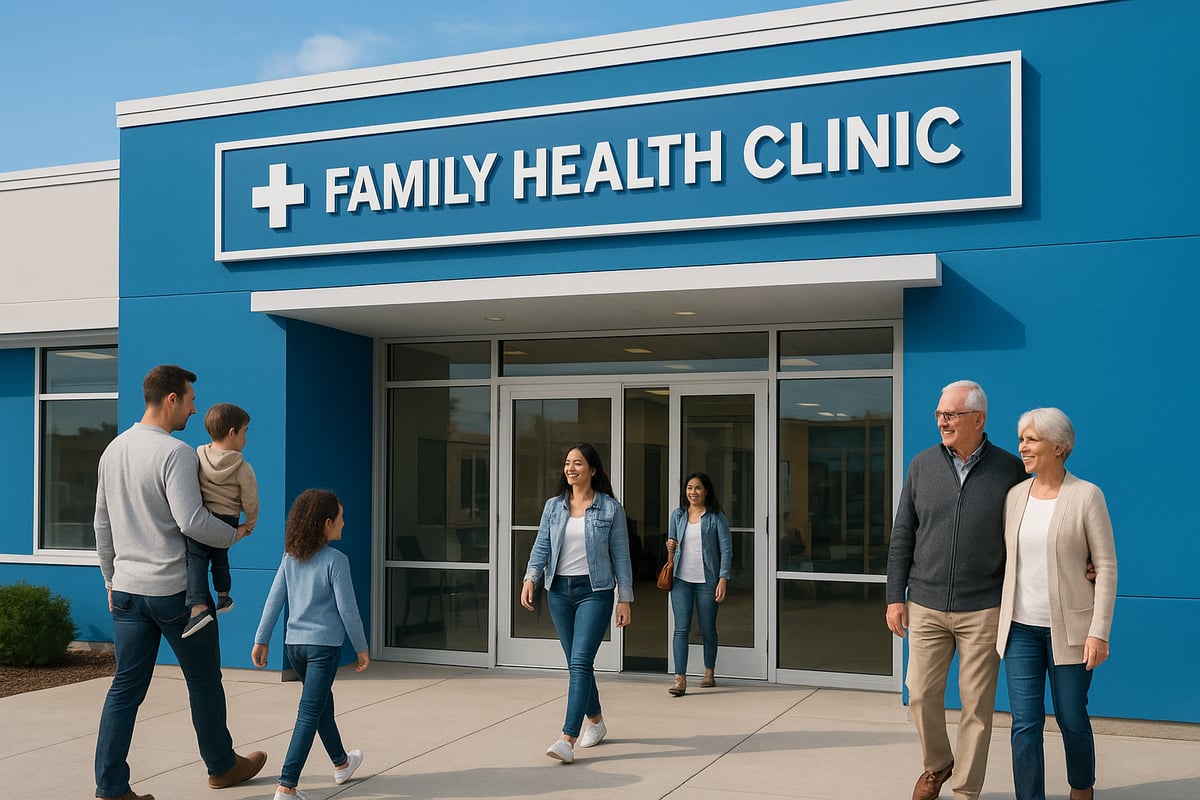
Over the past decade, the family health clinic has shifted from a focus on treating illness to prioritizing prevention and wellness. Clinics now integrate advanced technology, such as electronic health records and telemedicine, making care more accessible and efficient.
Many clinics have expanded their services to include mental health and wellness, reflecting a broader understanding of holistic care. The emphasis on patient-centered approaches ensures that individuals and families receive personalized attention at every visit. Notably, about 70% of family health clinics offer virtual consultations, allowing patients to connect with providers from the comfort of home. For a broader look at these industry-wide changes, see the 2026 Global Health Care Outlook.
Comprehensive Care for All Ages
A family health clinic delivers care for every life stage, from infancy to senior years. Pediatric services, adult medicine, women’s health, and geriatric support are all available under one roof. This approach means families can manage chronic conditions and acute illnesses without visiting multiple providers.
Clinics also offer family planning, prenatal care, and specialized geriatric assessments. The addition of on-site diagnostic imaging and laboratory services allows for faster results and more coordinated care. These advancements make the family health clinic a one-stop solution for diverse and evolving health needs.
The Clinic as a Healthcare Hub
The family health clinic acts as a central hub, coordinating care with specialists, hospitals, and community resources. This coordination streamlines referrals, ensures continuity, and reduces duplication of services. Health education and preventive screenings are routinely offered, empowering patients to take charge of their well-being.
Immunization programs and wellness initiatives are commonly run by clinics, supporting public health goals and reducing the risk of outbreaks. By serving as a resource for information and access, the family health clinic strengthens community resilience and promotes healthier lifestyles.
Impact on Community Health Outcomes
The impact of the family health clinic extends beyond individual patients to the broader community. Improved access to care in clinics has led to a 30% reduction in unnecessary ER visits, freeing up hospital resources for more critical cases. Early detection of chronic diseases is more common, thanks to routine screenings and patient education.
Vaccination rates have climbed, and clinics play a key role in public health campaigns. For example, community clinics have successfully implemented diabetes management programs, resulting in lower local rates of the disease. These outcomes highlight how the family health clinic contributes to a healthier, more proactive community.
Core Services Offered by Family Health Clinics
Choosing a family health clinic means gaining access to a wide range of essential healthcare services designed for every stage of life. These clinics serve as the cornerstone of community wellness, offering comprehensive care that adapts to the unique needs of each family member.
Primary Care and Preventive Services
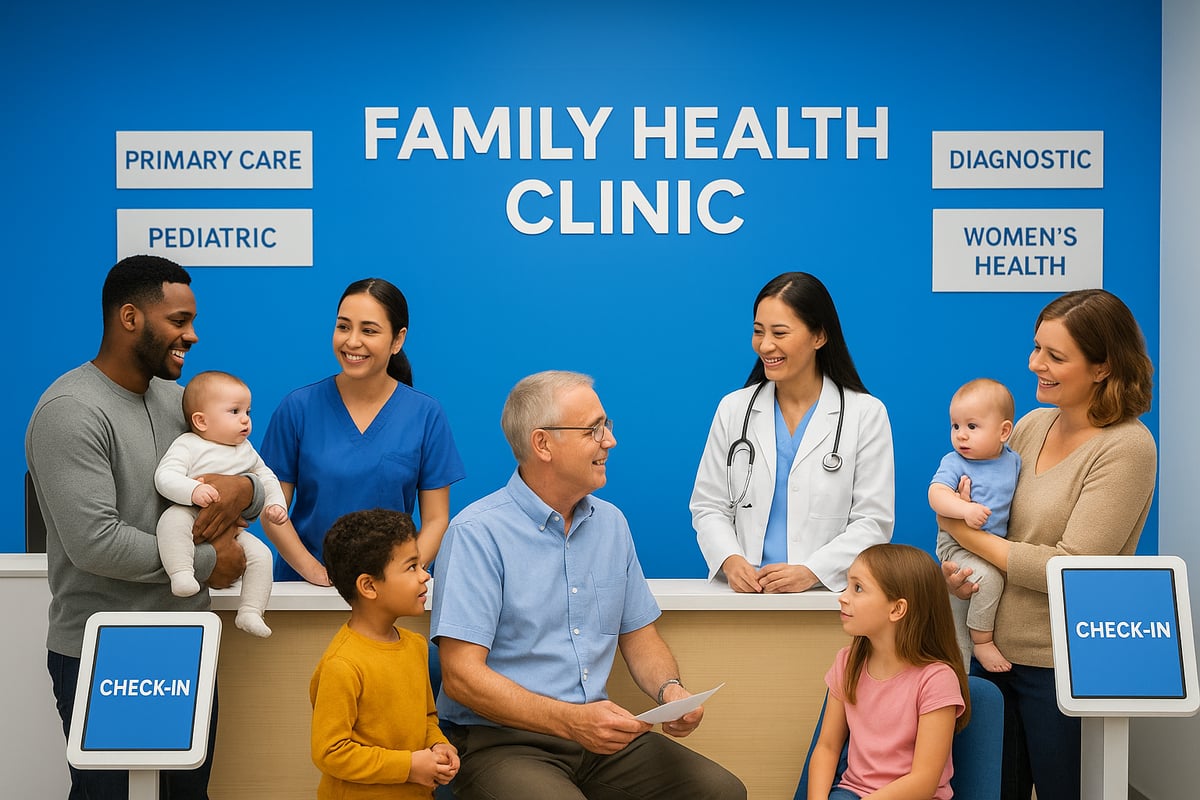
At the heart of every family health clinic are primary care and preventive services. These include routine check-ups, annual physicals, and immunizations for all ages. Patients benefit from health screenings for blood pressure, cholesterol, and cancer, all under one roof.
Clinics also provide lifestyle counseling, nutrition support, and education to help families make informed health choices. To explore the full breadth of offerings, visit the Primary Care Services Offered page for a detailed overview.
Chronic Disease Management
Managing chronic conditions is a core function of a family health clinic. Experienced providers help patients with diabetes, hypertension, asthma, and heart disease through personalized care plans.
Clinics offer medication management, regular monitoring, and access to patient education. Support groups are available to address the emotional and practical challenges of living with chronic illness, ensuring continuous care for improved quality of life.
Pediatric and Adolescent Care
A family health clinic delivers specialized care for infants, children, and teenagers. Well-child visits, growth monitoring, and recommended vaccinations keep young patients healthy.
School physicals, behavioral assessments, and developmental screenings are provided in a supportive environment. Parents can count on providers to address both routine and complex pediatric needs through every stage of childhood.
Women’s and Men’s Health
Comprehensive women’s and men’s health services are integral to the family health clinic model. Women receive reproductive health care, prenatal counseling, and screenings for breast and cervical cancers.
Men benefit from prostate health checks and hormonal evaluations. Both genders can access preventive exams, sexual health services, and age-appropriate wellness counseling for optimal lifelong health.
Urgent and Same-Day Care
A family health clinic understands that urgent needs arise unexpectedly. Clinics offer walk-in appointments, extended hours, and same-day visits for minor injuries or acute illnesses.
For added convenience, virtual consultations and telehealth services connect patients with providers remotely. This flexibility ensures families receive timely attention without the stress of emergency room visits.
Ancillary and Specialty Services
Beyond primary care, a family health clinic provides on-site lab testing, diagnostic imaging, and specialty services. Referrals are coordinated for advanced care when needed.
Many clinics now offer allergy testing, weight management support, and mental health counseling. These expanded services streamline care and enhance overall patient experience.
Dominion Health Family Clinic: Comprehensive, Accessible Care in San Antonio
Dominion Health Family Clinic stands out by delivering a full spectrum of family-centered healthcare in San Antonio. The clinic features primary, urgent, and specialty care, including preventive medicine, women’s health, and chronic disease management.
Patients enjoy same-day appointments, virtual visits, and on-site diagnostics. With multiple locations and 24/7 support, Dominion Health Family Clinic makes high-quality, coordinated care accessible for families of all ages.
How to Choose the Right Family Health Clinic in 2026
Selecting the best family health clinic for your loved ones can shape your long-term wellness journey. In 2026, a thoughtful approach ensures your family receives coordinated, high-quality care tailored to every life stage.
Step 1: Assess Your Family’s Healthcare Needs
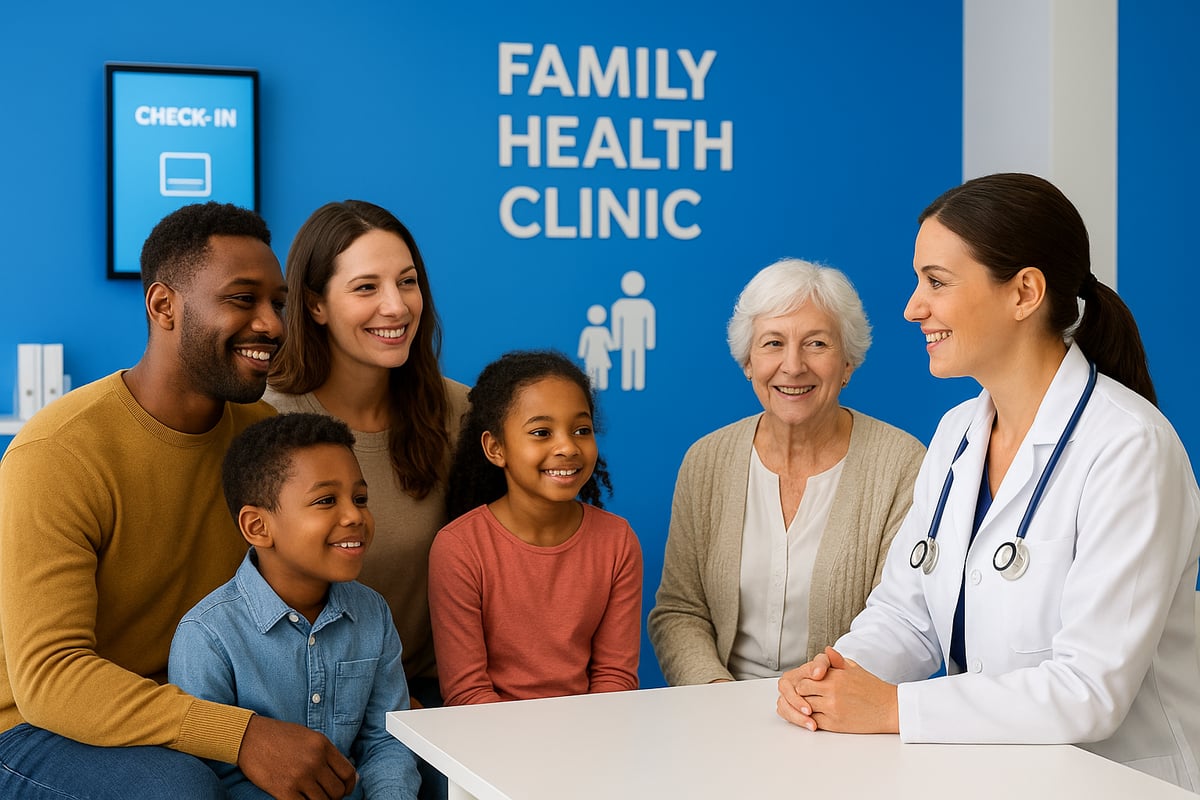
Begin by considering the unique healthcare needs of everyone in your household. Evaluate ages, existing chronic conditions, and any special requirements like pediatric care, geriatric support, or women’s health services.
Think about whether your family values preventive care, wellness programs, or access to specialty services. Knowing what you need from a family health clinic helps you create a shortlist of clinics equipped to deliver comprehensive care.
Step 2: Research Clinic Credentials and Reputation
Investigate the qualifications and experience of healthcare providers at each family health clinic. Look for board certification, years in practice, and ongoing professional education. Check patient reviews and satisfaction ratings—clinics with 92% or higher satisfaction are ideal.
Confirm the clinic's accreditation and any affiliations with respected local hospitals. To better understand how clinics organize their care teams, review resources like the Family Practice Group Overview for insights into collaborative care models.
Step 3: Evaluate Accessibility and Convenience
Location matters when it comes to choosing a family health clinic. Is the clinic close to your home, workplace, or your child’s school? Consider whether walk-in or same-day appointments are available.
Assess clinic hours, after-hours care options, and the ease of scheduling appointments online. Convenience is key for busy families who need prompt access to care.
Step 4: Review Services and Technology Integration
Examine the range of services each family health clinic offers. Do they provide in-house labs, diagnostic imaging, or specialty consultations? Modern clinics should feature electronic health records and secure patient portals for easy communication.
Telemedicine options are increasingly important for remote care and quick follow-ups. Make sure the clinic’s technology supports your family’s needs for efficient, connected healthcare.
Step 5: Understand Insurance and Payment Options
Financial clarity is essential when selecting a family health clinic. Verify that the clinic accepts your insurance plan, including Medicare or Medicaid if relevant.
Review their pricing transparency, payment options, and whether they offer self-pay or sliding scale fees. Understanding these details prevents surprises and helps you manage healthcare costs.
Step 6: Visit the Clinic or Schedule a Consultation
Arrange a visit to the family health clinic before making a final decision. Touring the facility allows you to observe cleanliness, meet staff, and gauge the atmosphere.
During your visit, assess the providers’ communication style and the quality of care coordination. Ask about follow-up protocols and how the clinic tracks ongoing health needs for your family.
Step 7: Make an Informed Decision
Weigh the pros and cons of your top family health clinic choices. Consider the importance of a long-term relationship and the benefits of continuity of care for your family.
Families often choose clinics with integrated care models for convenience and improved health outcomes. A careful, informed approach ensures your family receives the highest standard of care now and in the future.
What to Expect During Your Family Health Clinic Visit
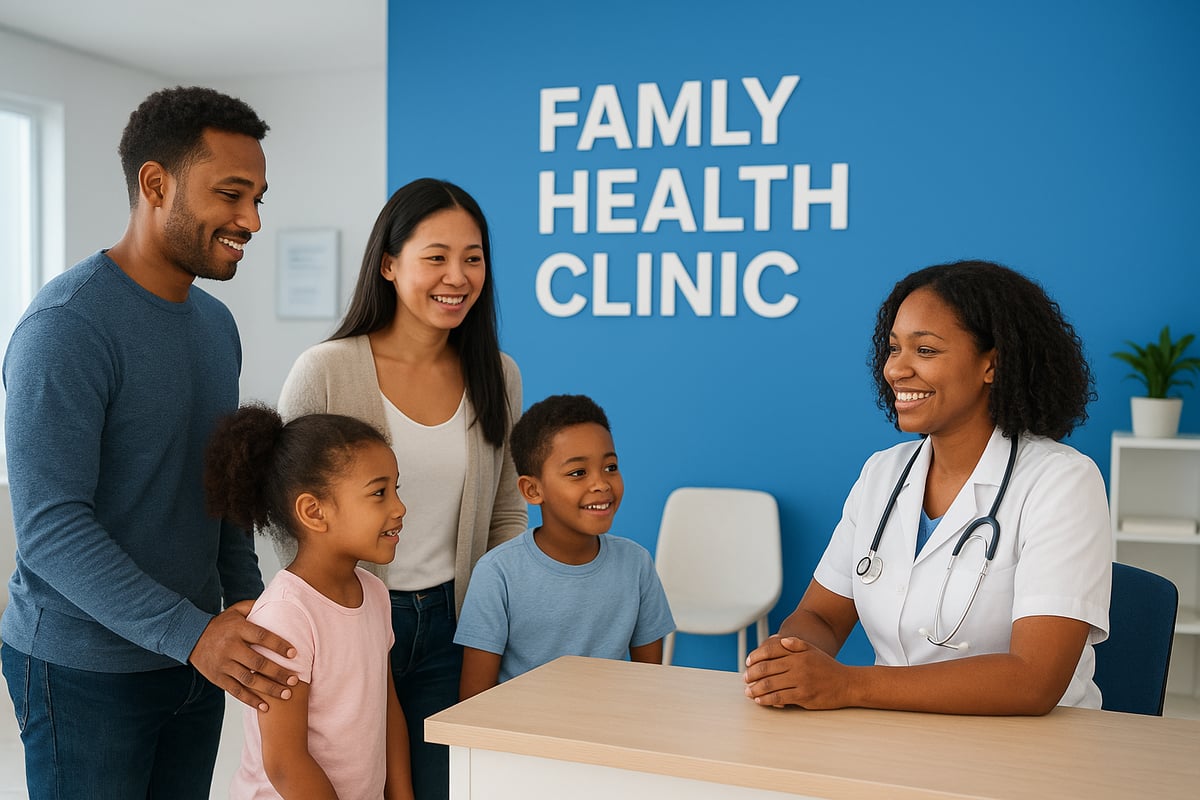
Visiting a family health clinic should feel reassuring, not intimidating. Knowing what to expect at each stage helps you and your loved ones make the most of every appointment. Here is a step-by-step guide to ensure your next visit is smooth, efficient, and beneficial for your family’s health.
Preparing for Your Appointment
Preparation is key when visiting a family health clinic. Gather recent medical records, a list of current medications, and any relevant test results. This ensures your provider has a complete picture of your health.
Write down questions or concerns ahead of time. Consider dietary habits, recent symptoms, and family medical history. If your clinic requires pre-visit instructions, such as fasting or completing paperwork, follow them closely.
Arriving well-prepared at your family health clinic sets the stage for a productive visit and helps streamline the care process.
Check-In and Initial Assessment
Upon arrival at your family health clinic, you will check in at the front desk. Staff will verify your insurance information and update your contact details.
Next, a nurse or medical assistant will record your vital signs. This typically includes blood pressure, heart rate, temperature, and weight.
You may also complete basic health screenings or update your personal and family health history. This initial assessment ensures your family health clinic provides tailored care for your unique needs.
Meeting with Your Provider
During your time with the provider, expect a thorough evaluation of your health concerns. The provider at your family health clinic will ask about symptoms, lifestyle habits, and any changes since your last visit.
Together, you will discuss a personalized care plan. This may include preventive screenings, medication adjustments, or referrals for specialized services. For example, if you are interested in women’s health services, your provider can guide you to appropriate resources such as Women’s Health and Wellness.
Shared decision-making is a hallmark of the family health clinic experience, empowering you to take an active role in your care.
On-Site Services and Follow-Up
Many family health clinic visits include on-site services such as blood tests, diagnostic imaging, or specialty consultations. If urgent care is needed, immediate treatment is available.
After tests or procedures, staff will help you schedule follow-up appointments or coordinate referrals to specialists. The goal is seamless care and clear communication, so you always know the next steps.
Your family health clinic team ensures results and recommendations are delivered promptly, supporting ongoing wellness.
Patient Experience and Satisfaction
A positive experience at your family health clinic goes beyond medical care. Effective communication and empathy from staff are essential.
Clinics often provide patient feedback forms or satisfaction surveys. Some offer secure online portals for test results, appointment scheduling, and direct messaging with providers.
By sharing your feedback and utilizing digital tools, you help your family health clinic improve services and maintain high-quality care for every visit.
Maximizing the Benefits of Your Family Health Clinic
Establishing a strong connection with your family health clinic is key to achieving better health outcomes. By actively engaging with your clinic, you create a partnership that supports every stage of your family’s well-being. Let’s explore how you can maximize these benefits.
Building a Long-Term Relationship with Your Clinic
A lasting relationship with your family health clinic ensures continuity of care, especially for chronic conditions. When your providers know your family’s medical history, they can detect patterns and tailor treatment plans more effectively.
Trust grows as you see the same team over time. This fosters open communication, making it easier to discuss sensitive topics and address concerns promptly.
Tracking your family’s health journey together leads to more accurate diagnoses and improved care coordination. Consistency also helps children and seniors feel comfortable during visits, reducing anxiety and building positive healthcare habits.
Leveraging Preventive Care and Screenings
Taking full advantage of preventive care is one of the greatest strengths of a family health clinic. Regular check-ups and screenings help catch issues early, when they are most treatable.
Stay current with immunizations and annual exams for every family member. These visits also provide opportunities for health education, so you can make informed lifestyle choices.
Screenings for blood pressure, cholesterol, and cancer play a vital role in early detection. Your clinic’s team will recommend a personalized schedule based on age, gender, and risk factors.
Utilizing Technology for Better Health Management
Modern family health clinic services are enhanced by technology that simplifies care. Patient portals let you schedule appointments, review test results, and message providers securely.
Telehealth options allow for remote consultations, making it easier to access care from home. Many clinics also use digital reminders to help families stay on track with medications and appointments.
For those managing chronic diseases, digital care coordination and remote monitoring can lead to improved outcomes. As shown in Improving Hypertension and Diabetes Outcomes with Digital Care Coordination, these tools are transforming how clinics support patients in real-time, leading to better daily management and fewer complications.
Engaging in Wellness and Support Programs
A family health clinic offers a range of wellness and support programs designed to empower you. These may include:
- Weight management workshops
- Smoking cessation resources
- Nutrition and lifestyle counseling
Support groups for chronic disease management and mental health resources are often available as well. Participating in these programs helps families build healthy routines and find encouragement through community connections.
Wellness initiatives create opportunities for ongoing growth, so each family member can thrive at every age.
Advocating for Your Family’s Health
Being proactive is essential when working with your family health clinic. Prepare questions before appointments, keep personal health records up to date, and monitor changes in symptoms or well-being.
Collaboration with your care team leads to personalized solutions and greater satisfaction. Don’t hesitate to ask for clarification or discuss alternative options when needed.
Families who engage in regular clinic visits and preventive care often experience improved health outcomes. By staying involved, you help ensure the best possible care for every loved one.
The Future of Family Health Clinics: Trends to Watch in 2026
The family health clinic is entering a new era, driven by rapid innovation and patient-centered approaches. As 2026 approaches, clinics are poised to redefine how families access and experience healthcare. Understanding these emerging trends will help you make informed choices and maximize the benefits of your family health clinic.
Digital Transformation: Telemedicine and AI
Telemedicine is now a cornerstone of the family health clinic, offering virtual visits and remote monitoring for greater access and convenience. Many clinics have adopted advanced patient portals, allowing families to schedule appointments, view records, and communicate securely with providers. Artificial intelligence is also transforming diagnostics, triage, and care personalization.
For a closer look at how technology is changing clinics, explore Healthcare Industry Trends to Watch For in 2026. From AI-powered symptom checkers to real-time remote monitoring, these tools help clinics deliver faster, more accurate care tailored to each family member.
Personalized, Holistic, and Community-Focused Care
The future of the family health clinic goes beyond physical health, with a strong emphasis on mental wellness and holistic care. Clinics are introducing programs for stress management, nutrition, and behavioral health, recognizing that well-being is multifaceted. Personalized medicine, guided by genetic and lifestyle data, is becoming more accessible, enabling truly individualized care plans.
Wearable health technology is another trend to watch, empowering patients to track their health and share real-time data with their providers. Clinics are piloting AI-powered remote monitoring for chronic conditions, leading to earlier intervention and improved outcomes. As clinics invest in community-based prevention and education, families will benefit from a more proactive, integrated approach to health.
After exploring how a family health clinic can simplify care for every age, it’s clear that having a trusted partner matters. You deserve a healthcare team that’s ready to guide you—whether it’s for a same day concern, ongoing wellness, or specialty support. At Dominion Health Family Clinic, you’ll find coordinated services, compassionate providers, and the convenience of in house diagnostics, all designed for your family’s unique needs. If you’re ready to take the next step toward proactive, personalized care, let’s make it easy for you—simply Book Appointment today.