
Finding quality healthcare starts with establishing a relationship with a primary care physician who serves as your medical home. The challenge many Americans face today is locating a PCP accepting new patients in their area. With physician shortages in many regions and existing practices reaching capacity, this search requires strategy and persistence. Understanding the landscape and knowing where to look can significantly reduce the time and frustration involved in securing a primary care provider who meets your needs.
Understanding Why Primary Care Availability Matters
The shortage of primary care physicians affects millions of Americans seeking preventive care and routine medical services. Many established practices limit their patient panels to ensure quality care, which means they stop accepting new patients once they reach capacity.
This creates several challenges for patients:
- Extended wait times for initial appointments
- Limited choice among available providers
- Difficulty coordinating specialty care without a primary physician
- Increased reliance on urgent care facilities for routine issues
The importance of having a dedicated primary care physician cannot be overstated. Regular checkups, preventive screenings, and ongoing health management all depend on this foundational relationship. When searching for a PCP accepting new patients, you're not just looking for any available doctor but finding the right fit for your healthcare journey.
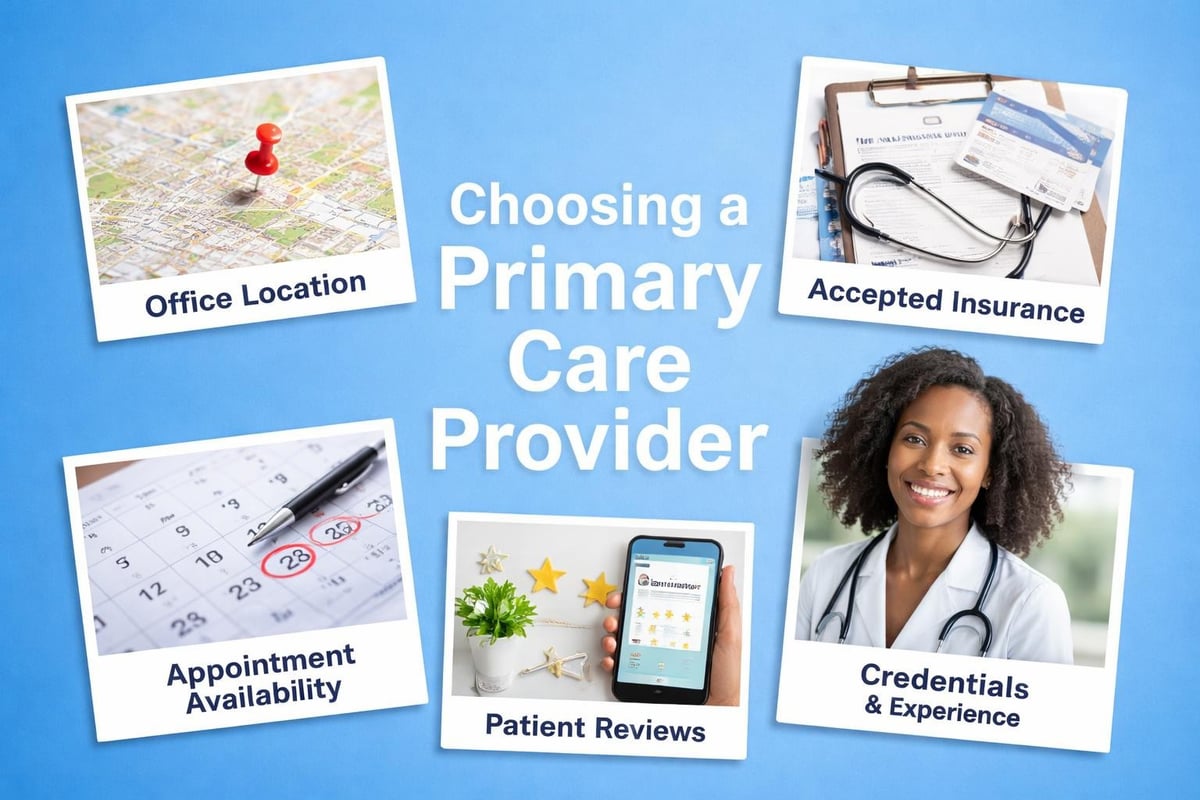
The Current Healthcare Landscape
Healthcare delivery has evolved significantly, especially following the global pandemic. Many practices now offer hybrid models combining in-person visits with telehealth options. Virtual primary care has become an increasingly viable option for routine consultations and follow-up appointments.
Primary care clinics that offer comprehensive services under one roof provide significant advantages. Having access to ancillary services, diagnostic testing, and specialty support streamlines your healthcare experience and reduces the need for multiple facility visits.
Strategies for Finding a PCP Accepting New Patients
Your search for a primary care physician should begin with your insurance provider. Most insurance companies maintain updated directories of in-network providers currently accepting new patients. This approach ensures you maximize your benefits while avoiding unexpected out-of-pocket costs.
Utilizing Insurance Resources
Contact your insurance company directly to request their most current list of available primary care physicians. Online directories may not reflect real-time availability, so calling the provider relations department often yields more accurate information.
Steps to take with your insurance company:
- Request a list of in-network PCPs within a specific radius of your home or workplace
- Ask about any direct primary care options covered under your plan
- Verify which providers are currently accepting new patients
- Inquire about any restrictions on appointment scheduling or referrals
Understanding the process of locating primary care doctors through official channels saves time and prevents the disappointment of contacting practices that have closed their panels.
Online Search Methods
Digital resources have transformed how patients find healthcare providers. Hospital systems and healthcare networks typically maintain searchable databases on their websites, filtering by specialty, location, and new patient availability.
| Search Method | Advantages | Limitations |
|---|---|---|
| Insurance Directory | Guaranteed coverage | May not be current |
| Hospital Website | Comprehensive provider info | Limited to one system |
| Healthcare Marketplaces | Wide selection | Accuracy varies |
| Review Sites | Patient feedback | Subjective opinions |
When using online resources, always call the practice directly to confirm they are indeed accepting new patients before scheduling an appointment. Database updates can lag behind actual availability.
Questions to Ask When Contacting Practices
Once you've identified potential providers, your initial phone conversation with their office staff reveals crucial information about the practice culture and accessibility. The way staff handles your inquiry often reflects the overall patient experience.
Essential Practice Information
Ask about appointment availability for new patients. Some practices schedule new patient appointments several weeks or months out, while others prioritize getting new patients established quickly. A clinic that can see patients same day demonstrates commitment to accessibility and responsiveness.
Important questions to ask:
- What is the typical wait time for a new patient appointment?
- Does the practice offer same-day or next-day appointments for urgent concerns?
- What ancillary services are available on-site?
- How does the practice handle after-hours emergencies?
- What is the physician's approach to preventive care?
Understanding what to look for in a primary care physician helps you evaluate whether a practice aligns with your healthcare preferences and needs.

Evaluating Practice Accessibility
Location and office hours significantly impact your ability to maintain regular care. Consider whether the practice location fits conveniently into your daily routine and whether appointment times accommodate your work schedule.
Practices offering extended hours, weekend availability, or same-day appointments provide greater flexibility for patients with demanding schedules. This accessibility becomes especially important when managing chronic conditions requiring frequent monitoring.
What to Expect During Your Search
Finding a PCP accepting new patients in 2026 may require contacting multiple practices. Don't become discouraged if the first few options have closed their panels. Persistence pays off when searching for the right healthcare partner.
Managing Wait Times
Many patients find themselves on waiting lists for popular physicians or highly-rated practices. While waiting, establish care with an available provider to ensure you have access to primary care services. You can always transfer later if your preferred physician opens their panel.
Some patients explore alternative care models that offer guaranteed access and unlimited appointments. Direct primary care practices typically maintain smaller patient panels, making them more likely to accept new patients than traditional insurance-based practices.
Considering Comprehensive Care Options
Primary care practices vary significantly in their service offerings. Some focus exclusively on routine checkups and minor illnesses, referring patients elsewhere for diagnostics and specialty consultations. Others provide comprehensive services including laboratory testing, imaging, and access to specialists within their network.
Comprehensive care models reduce the hassle of coordinating care across multiple facilities. When your primary care practice offers in-house ancillary services and specialty support, you benefit from streamlined communication and coordinated treatment plans.
Evaluating Practice Quality and Fit
Once you've identified a PCP accepting new patients, assess whether the practice meets your specific healthcare needs. Quality indicators extend beyond credentials to include patient satisfaction, communication style, and practice philosophy.
Researching Physician Credentials
Verify board certification, medical school training, and years of experience. Most state medical boards maintain online databases where you can confirm a physician's license status and check for any disciplinary actions.
Quality indicators to research:
- Board certification in family medicine or internal medicine
- Hospital affiliations and admitting privileges
- Patient satisfaction scores and reviews
- Participation in quality improvement initiatives
- Use of electronic health records and patient portals
Reading patient reviews provides insight into communication style, wait times, and overall patient experience. While individual reviews should be taken with appropriate skepticism, patterns across multiple reviews often reveal consistent strengths or weaknesses.
Assessing Practice Philosophy
Different physicians approach healthcare with varying philosophies regarding preventive care, medication management, and patient involvement in decision-making. Schedule an initial consultation to determine whether the physician's approach aligns with your preferences.
| Practice Characteristic | Why It Matters | What to Look For |
|---|---|---|
| Communication Style | Builds trust and understanding | Listens actively, explains clearly |
| Care Coordination | Ensures comprehensive treatment | Works well with specialists |
| Preventive Focus | Catches issues early | Emphasizes screenings, lifestyle |
| Technology Adoption | Improves access and efficiency | Patient portal, telehealth options |
The right PCP accepting new patients will make you feel heard, respected, and confident in their clinical judgment. Trust your instincts during the initial visit regarding whether this partnership will support your long-term health goals.
Special Considerations for Different Patient Populations
Certain patient groups face unique challenges when searching for primary care. Families with children, seniors, and individuals with chronic conditions have specific needs that influence which practices will serve them best.

Family-Focused Practices
Families benefit from finding a PCP accepting new patients across all age groups. Practices offering family medicine serve patients from newborns through seniors, eliminating the need for separate pediatric and adult providers.
This continuity proves especially valuable for understanding family health histories and coordinating care when multiple family members have interconnected health concerns. When researching options, specifically ask whether the practice treats all ages and handles both pediatric and adult care.
Managing Chronic Conditions
Patients with diabetes, hypertension, asthma, or other chronic conditions require proactive management and regular monitoring. When evaluating a PCP accepting new patients, inquire about their experience managing your specific conditions and their approach to chronic disease management.
Access to regular primary care checkups becomes critical for chronic disease patients. Missing routine appointments can lead to complications and disease progression that could have been prevented with consistent care.
Senior Care Needs
Older adults often require more frequent appointments, medication management, and care coordination among multiple specialists. Practices experienced in geriatric care understand these unique needs and structure their services accordingly.
Ask whether the practice offers extended appointment times for seniors, home visits for homebound patients, and strong relationships with geriatric specialists and ancillary services like physical therapy.
Making the Most of Your First Appointment
Once you've secured an appointment with a PCP accepting new patients, preparation ensures you establish a strong foundation for your healthcare relationship. Gathering relevant medical records and preparing questions maximizes the value of this initial visit.
Documents to Bring
Collect previous medical records, including recent lab results, imaging reports, and vaccination records. Create a comprehensive medication list including prescription drugs, over-the-counter medications, and supplements with dosages.
Essential items for your first visit:
- Photo identification and insurance cards
- Completed new patient intake forms
- List of current medications and allergies
- Previous medical records and test results
- Family health history information
- Questions and health concerns you want to address
Many practices send new patient paperwork in advance. Completing these forms before your appointment saves time and allows the physician to review your information before meeting you.
Building a Strong Partnership
Use your first appointment to establish open communication with your new physician. Share your health goals, concerns about specific conditions, and preferences regarding treatment approaches.
Don't hesitate to ask questions about anything you don't understand. A quality PCP welcomes questions and takes time to ensure you comprehend your health status and treatment recommendations. This initial visit sets the tone for your ongoing relationship and your comfort level advocating for your health needs.
The Role of Ancillary Services in Primary Care
Modern primary care extends beyond the physician-patient relationship to encompass comprehensive services supporting your overall health. Practices offering ancillary services provide convenience and coordinated care that improves outcomes.
On-Site Diagnostic Services
Having laboratory testing, imaging capabilities, and other diagnostic services available within your primary care practice streamlines the diagnostic process. Results reach your physician quickly, enabling faster treatment decisions and reducing the anxiety of waiting days for results processed at external facilities.
When searching for a PCP accepting new patients, ask specifically about on-site services. Comprehensive practices may offer blood draws, X-rays, EKGs, and other common tests without requiring separate facility visits.
Specialty Care Coordination
Primary care physicians serve as gatekeepers and coordinators for specialty care. Practices with established relationships with specialists or in-house specialty support ensure seamless referrals and communication between providers.
This coordination proves invaluable when managing complex conditions requiring multiple specialists. Your PCP can synthesize recommendations from various specialists into a cohesive treatment plan that addresses your overall health rather than isolated conditions.
Transitioning from Your Previous Provider
If you're switching from an existing physician rather than establishing care for the first time, manage the transition carefully to ensure continuity of care. Request medical record transfers and communicate any ongoing treatments or pending test results.
Medical Record Transfers
Contact your previous physician's office to request complete medical record transfer to your new provider. Most practices have standard release forms for this purpose. Allow several weeks for records to transfer, especially if you have extensive medical history.
Bringing copies of critical documents to your first appointment ensures your new physician has immediate access to essential information even if full records haven't transferred yet. This proves especially important for medication lists and recent test results.
Maintaining Treatment Continuity
Inform your new PCP about any ongoing treatments, pending referrals, or scheduled procedures. This information helps them understand your immediate care needs and prevents gaps in treatment during the transition period.
If you're switching providers due to dissatisfaction with your previous care, explain your concerns to your new physician. This context helps them understand your priorities and avoid similar issues in your new care relationship.
Establishing care with a primary care physician creates the foundation for lifelong health management through preventive services, early disease detection, and coordinated treatment when illness occurs. The effort invested in finding the right PCP accepting new patients pays dividends in improved health outcomes and peace of mind knowing you have a trusted healthcare partner. When you need comprehensive primary care that accommodates your schedule and provides coordinated services all under one roof, Dominion health offers same-day appointments and serves patients of all ages with in-house ancillary services and specialty support to meet your complete healthcare needs.