
Imagine a world where you can get medical care quickly, without waiting for days or struggling to book appointments. In 2026, primary walk in services are making this a reality for millions of people seeking fast, reliable healthcare.
This essential guide will help you understand how primary walk in clinics work, highlighting their convenience, affordability, and the range of services they offer. You will discover what sets these clinics apart from traditional care and why more patients are choosing them every year.
We will walk you through the basics of walk in care, the types of treatments available, how insurance and payments work, real patient experiences, and how to pick the right clinic for your needs. Ready to take control of your healthcare experience? Let us show you how primary walk in services can help you access care when you need it most.
Understanding Primary Walk-In Services
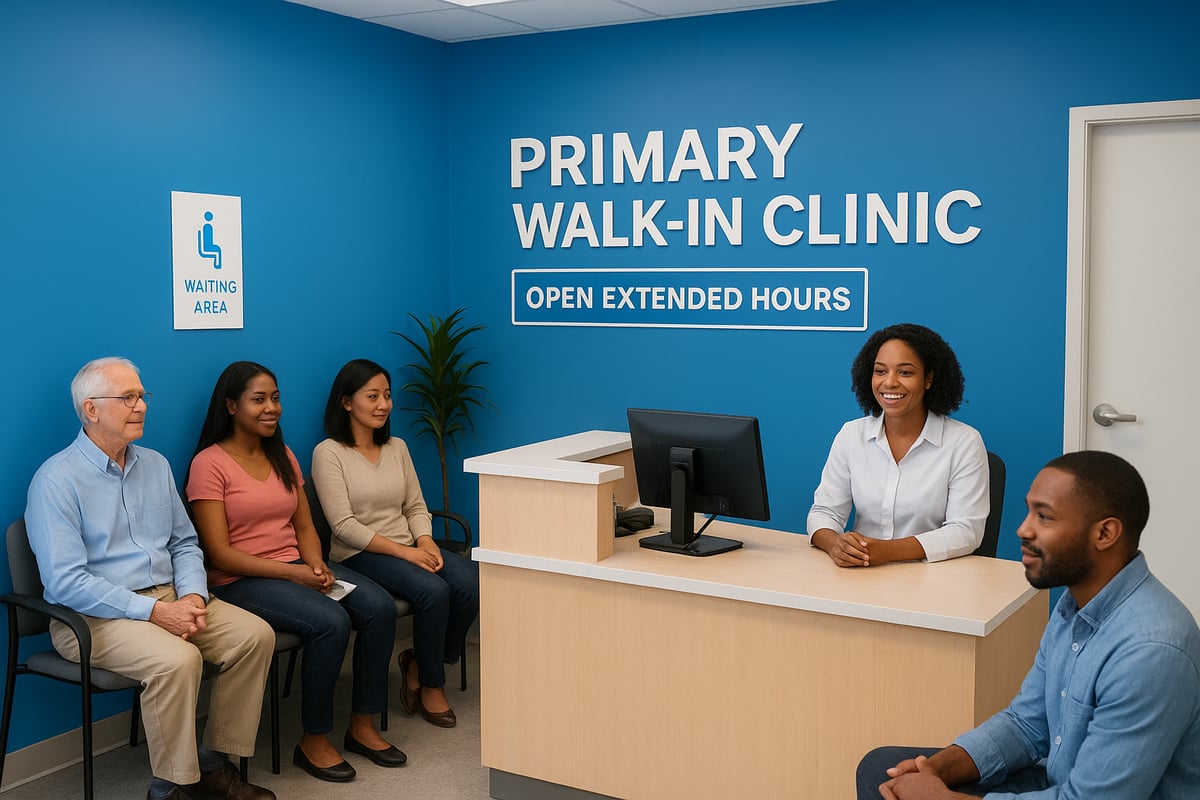
Picture a healthcare visit where you simply walk in and receive care without waiting weeks for an appointment. That’s the core idea behind a primary walk in clinic. These clinics provide immediate access to medical care for patients of all ages, without the need for prior scheduling.
Primary walk in services are distinct from both traditional primary care and urgent care centers. While primary care doctors often require appointments and have limited hours, primary walk in clinics operate with extended hours, including evenings and weekends. This flexibility means you can address health concerns as they arise, not just during standard office times.
Staff at primary walk in clinics typically include board-certified physicians, physician assistants, and nurse practitioners. Their expertise covers a wide range of health issues, ensuring comprehensive care. Many clinics are located in convenient spots like community centers, retail spaces, or as standalone facilities. For example, the Primary Walk-in Medical Center in East Providence is open seven days a week, offering extended hours to fit busy schedules.
Recent data shows that more than 29 million people in the United States use walk-in or urgent care services each year. This surge in demand reflects a growing preference for convenient, accessible care. If you want to explore more about the types of services these clinics offer, the Walk-In and Urgent Care Services page provides a comprehensive overview.
What Are Primary Walk-In Services?
Primary walk in clinics are designed to treat a diverse set of health concerns. They are a go-to option for minor injuries such as sprains, cuts, and burns. Common illnesses like colds, the flu, and strep throat are also frequently managed here.
Preventive care is another key offering. Patients can receive vaccinations, annual physicals, and routine health screenings without needing an appointment. Some primary walk in clinics are equipped to manage chronic conditions like diabetes or high blood pressure, especially for patients who need quick check-ins or medication adjustments.
On-site diagnostic tools enhance the patient experience. Many locations provide lab testing and X-rays, which means results are often available during your visit. Mental health screenings and support services are increasingly available, addressing another critical aspect of comprehensive care.
For example, it is not uncommon for a primary walk in clinic to offer services such as X-rays, flu shots, school or sports physicals, and even laceration repair, all in a single visit.
Benefits of Walk-In Services
Choosing a primary walk in clinic comes with several benefits. The most obvious is the convenience of getting care without an appointment. Patients often report significantly shorter wait times compared to emergency rooms, with many being seen within 30 to 45 minutes.
Cost is another important factor. Primary walk in services are typically less expensive than emergency room visits, making them accessible for uninsured or underinsured individuals. Many clinics have transparent pricing, so patients can understand costs before committing to care.
Continuity of care is also a priority. Most primary walk in clinics can share your visit records with your regular primary care provider, ensuring your health history stays up to date. This approach supports ongoing health management and helps avoid gaps in care.
Patient feedback consistently highlights the positive experience at primary walk in clinics. Quick service, professional staff, and the flexibility to walk in at almost any time are frequently mentioned as top reasons for satisfaction.
Types of Services Offered at Primary Walk-In Clinics
Primary walk in clinics have revolutionized the way patients access healthcare by providing a comprehensive range of services without the need for appointments. These clinics are designed to meet the needs of individuals and families seeking timely, affordable, and quality medical care. Whether you require preventive services, urgent treatment, or support for ongoing conditions, a primary walk in clinic can often address your needs in one convenient visit.
Preventive and Routine Care
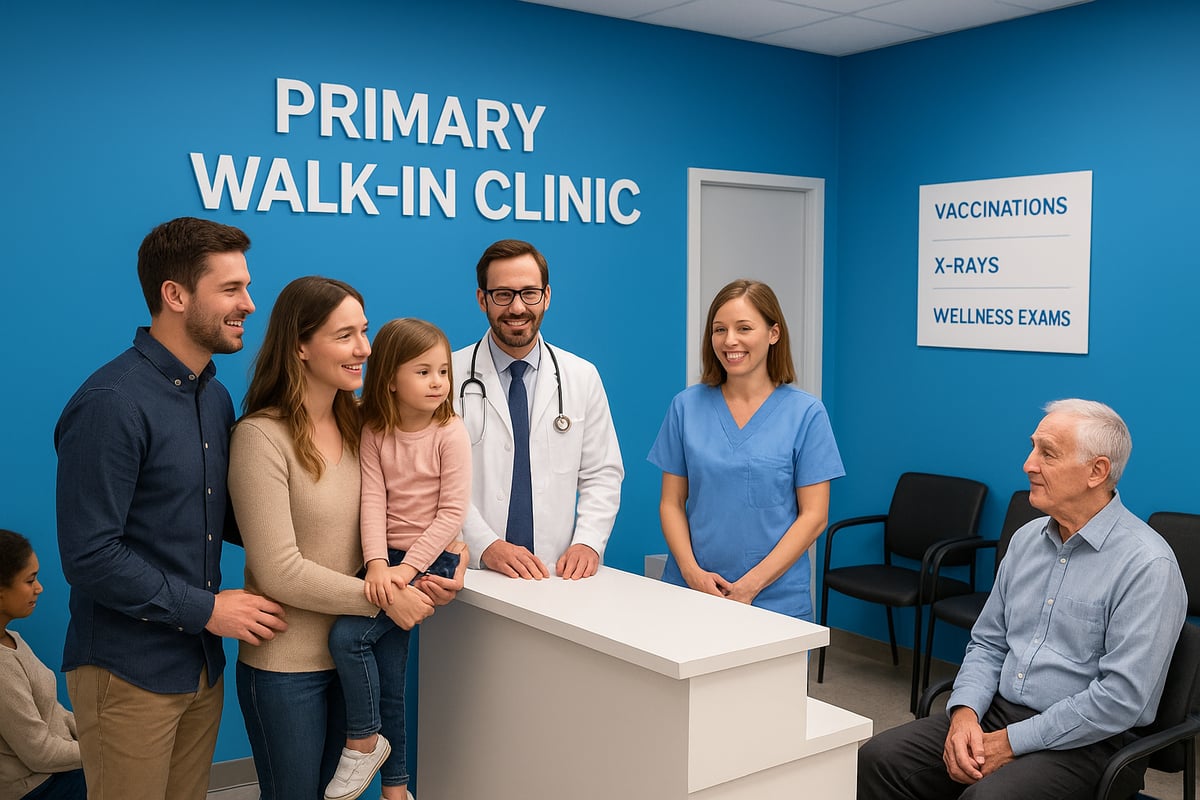
Preventive and routine care is foundational at every primary walk in clinic. These services help patients maintain their health, detect issues early, and fulfill everyday healthcare requirements.
Patients can access:
- Annual physical exams and wellness visits
- Immunizations, including flu shots, COVID vaccines, and travel vaccines
- Routine health screenings for blood pressure, cholesterol, and diabetes
- School and sports physicals for children and teens
Many families appreciate the flexibility of walk-in school physicals, especially during back-to-school season. With extended hours and weekend availability, a primary walk in clinic can accommodate busy schedules, making preventive care more accessible than ever.
Acute Illness and Injury Treatment
When unexpected illnesses or minor injuries arise, primary walk in clinics are equipped to provide immediate attention. These facilities treat a wide spectrum of non-life-threatening conditions, reducing the need for emergency room visits.
Common services include:
- Evaluation and treatment of respiratory infections, sinusitis, and ear infections
- Care for sprains, simple fractures, minor burns, and cuts
- Laceration repair and wound care
- On-site X-rays for arms, legs, and chest to quickly assess injuries
For example, a patient with pneumonia was diagnosed and treated within 30 minutes at a primary walk in clinic, demonstrating the speed and efficiency these centers provide. Short wait times and comprehensive care for acute needs are key reasons patients turn to these clinics.
Diagnostic Testing and Lab Services
Diagnostic capabilities are a major advantage of the primary walk in model. These clinics offer a variety of lab services and on-site testing designed for rapid results and convenience.
Available diagnostic services often include:
- Blood tests such as complete blood count (CBC), diabetes screening, and cholesterol panels
- Rapid tests for flu, strep throat, and COVID-19
- STD and pregnancy testing for confidential assessment
- Drug screening for employment or legal requirements
Lab test fees at a primary walk in clinic can range widely, from $10 for basic tests to $500 or more for complex panels. Transparent pricing and the ability to receive immediate results make these diagnostic services highly valuable to patients.
Chronic Condition Support
Many primary walk in clinics now offer support for chronic conditions, providing ongoing care for patients managing long-term illnesses. This includes monitoring, medication management, and lifestyle guidance for conditions such as diabetes and hypertension.
Services may encompass:
- Regular blood pressure and blood sugar checks
- Prescription refills and medication adjustments
- Weight management, allergy, and asthma support in select clinics
- Referral to specialists for complex cases
For more details on how chronic disease management is integrated into walk-in care, see Managing Chronic Conditions. By offering these services, a primary walk in clinic ensures continuity of care, even for those without regular access to a primary provider.
Additional Services
Beyond core medical care, primary walk in clinics frequently deliver a range of supplemental services to meet diverse patient needs.
These may include:
- Mental health screenings, brief counseling, and referrals
- Department of Transportation (DOT) physicals for employment
- Access to prescription discount programs and medication support
- Telemedicine consultations for remote or non-urgent concerns
The ability to obtain comprehensive care, including mental health and employment-focused services, makes the primary walk in clinic a one-stop resource for many communities. Staying informed about available offerings can help you take full advantage of these convenient healthcare centers.
Navigating Insurance, Costs, and Payments
Understanding how insurance, costs, and payment options work at a primary walk in clinic can help you avoid surprises and make your visit as smooth as possible. Whether you have insurance or are paying out of pocket, being prepared is key to a stress-free healthcare experience.
Insurance Coverage at Walk-In Clinics
Most primary walk in clinics accept a wide variety of insurance plans, aiming to make care accessible for all. Before your visit, it is wise to confirm your coverage directly with the clinic and your insurance provider. Coverage can differ based on your plan, the clinic’s agreements, and the type of service you require.
For example, many clinics, including Dominion Health, accept most major insurance carriers and provide guidance on lab test coverage. You can find detailed information about accepted plans and costs on their Insurance and Payment Information page. Remember, some services or tests may require prior authorization or may not be fully covered, so checking in advance is always best.
If you do not have insurance, primary walk in clinics generally post self-pay rates for common services. This transparency helps you understand what to expect financially before you arrive.
Understanding Pricing and Fees
Primary walk in clinics typically offer straightforward pricing, with set fees for many basic services. For example, vaccinations, routine physicals, and office visits often have clear, posted prices. Lab test fees can vary widely depending on the complexity, ranging from as little as $10 for basic tests to $500 or more for specialized diagnostics.
It is important to ask staff about pricing before receiving care, especially if you are self-pay or have a high-deductible plan. Taxes and additional charges may apply, so request a full breakdown of expected costs. Once insurance is billed, clinics usually cannot revert to self-pay rates, so be sure of your payment choice before your visit.
Many patient reviews praise primary walk in clinics for their upfront pricing and the ability to see costs before treatment, which can be a relief compared to more traditional healthcare settings.
Payment Options and Financial Assistance
Primary walk in clinics strive to accommodate various payment needs, accepting cash, credit cards, and insurance. For patients paying out of pocket, some clinics offer sliding scale fees or financial assistance programs to help reduce costs. Prescription discount programs are also available at many locations, which can be especially valuable if you need ongoing medication.
To minimize your expenses, ask if the clinic participates in any financial aid programs or offers bundled pricing for services. If you are uninsured, inquire about discounts for payment at the time of service. Many primary walk in clinics post this information online or can provide it over the phone.
Patients appreciate the flexibility and support these clinics provide, making healthcare more accessible for those with limited budgets or insurance gaps.
What to Bring for Your Visit
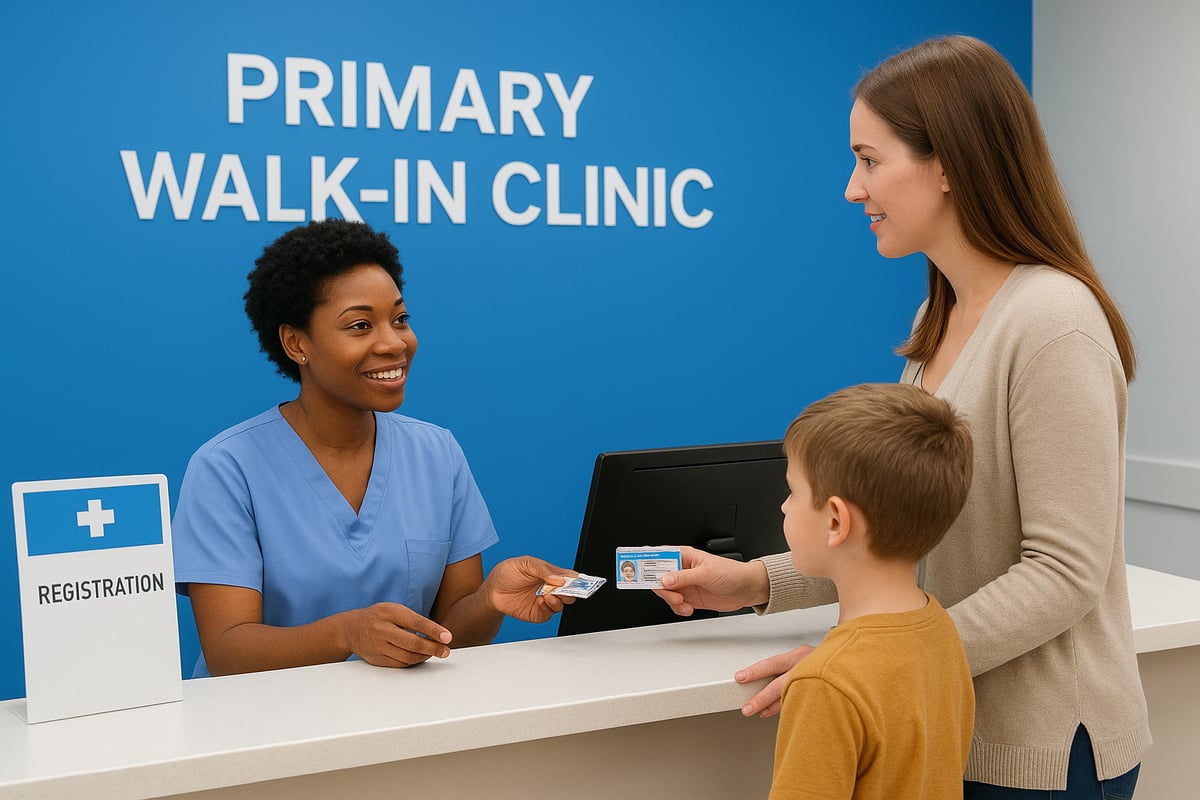
Preparing for your primary walk in appointment ensures a smooth check-in and efficient care. Be sure to bring:
- A valid photo ID
- Your insurance card (if applicable)
- A list of current medications
- Any recent medical records or test results
- A preferred payment method for copays or self-pay
Having these items ready can speed up your registration and help the clinic staff deliver the best possible care. If you are unsure about what to bring, check the clinic’s website or call ahead for specific requirements.
By planning ahead and understanding the basics of insurance, costs, and payments, your experience at a primary walk in clinic will be more comfortable and predictable.
Patient Experience: What to Expect During a Walk-In Visit
Visiting a primary walk in clinic is designed to be straightforward, efficient, and reassuring. For many, it provides the perfect blend of timely care and convenience, removing the barriers often associated with traditional healthcare settings.
The Walk-In Clinic Process Step-by-Step
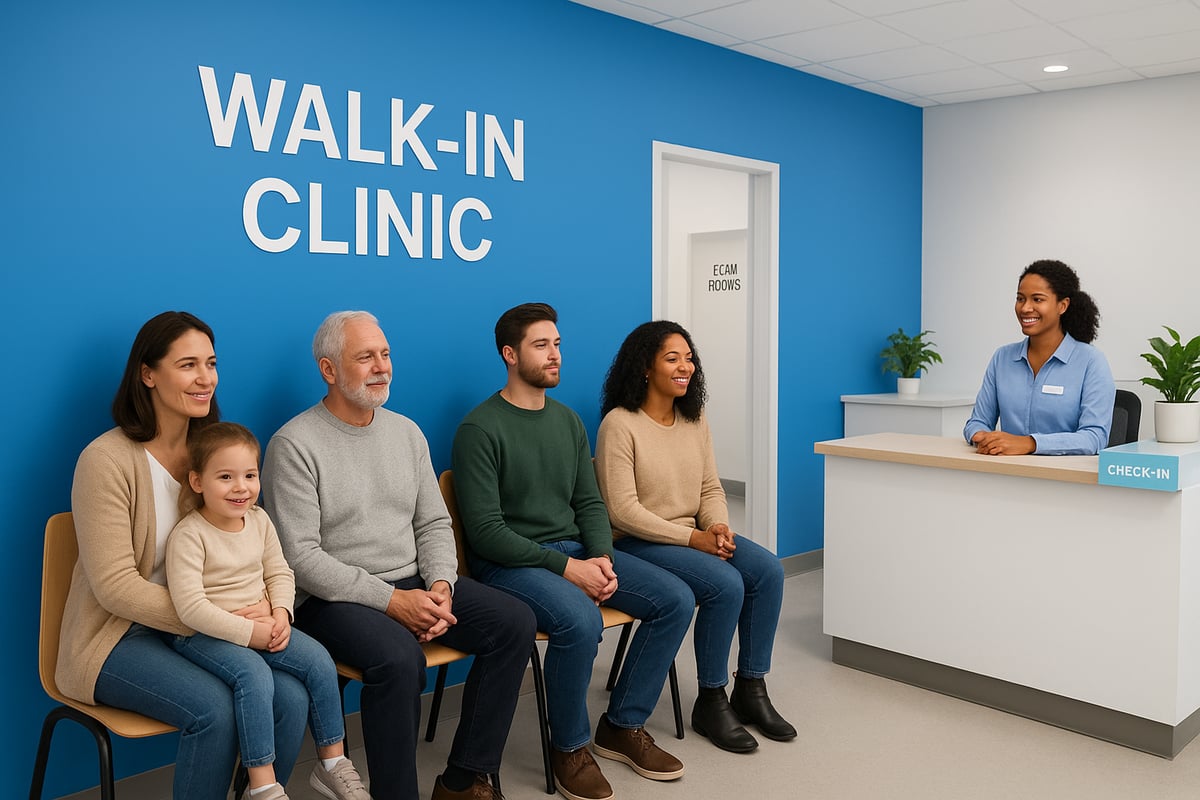
When you arrive at a primary walk in clinic, the process is simple and stress-free. You check in at the front desk, provide your ID and insurance information, and fill out a brief medical history form. Unlike traditional practices, no appointment is necessary, which means you can seek care on your own schedule.
Average wait times are often between 30 and 45 minutes, according to patient reviews. Once called, a nurse or medical assistant conducts a quick triage, taking your vitals and noting your symptoms. After triage, you meet with a provider—such as a physician, nurse practitioner, or physician assistant—who discusses your concerns and conducts a thorough exam.
Patients consistently mention that they spend more time with their provider than waiting in the lobby, which enhances the overall primary walk in experience. This streamlined approach ensures you get the care you need without unnecessary delays.
Quality of Care and Staff Interaction
Primary walk in clinics pride themselves on delivering high standards of care. Providers are board-certified and trained to handle a wide range of medical concerns, from acute symptoms to preventive care. The staff emphasizes clear communication and a patient-focused approach, making sure you feel heard and respected throughout your visit.
Cleanliness and safety protocols are strictly followed. Facilities are kept spotless, and infection control measures are always in place. Patients often rate these clinics highly for environment and professionalism. For example, many locations receive 5.0 out of 5 stars for quality of care, friendliness, and cleanliness.
The welcoming atmosphere and attentive staff set the tone for a positive primary walk in encounter. Whether you are visiting for a routine check or an unexpected illness, you can expect a supportive and efficient environment.
Patient Testimonials and Satisfaction
Real patient feedback is a cornerstone of the primary walk in model. Reviews frequently highlight dependability, speed, and expertise. Comments such as "best urgent care in town" and "staff are extremely knowledgeable" are common. High satisfaction rates, often exceeding 92 percent, reflect the consistency and reliability of these services.
A recent Survey: Americans Value Primary Care, but Face Access, Cost Concerns found that patients deeply appreciate accessible, walk-in options for their healthcare needs. These testimonials reveal that people value the peace of mind that comes with knowing care is available when they need it most.
| Satisfaction Metric | Percentage |
|---|---|
| Wait Time Satisfaction | 91% |
| Staff Friendliness | 94% |
| Overall Experience | 92% |
With so many positive reviews, it is clear that the primary walk in approach is meeting patient demands for convenience and quality.
Tips for a Smooth Visit
To get the most out of your primary walk in visit, preparation is key. Start by checking the clinic’s hours and services online before arriving. Bring your ID, insurance card, and a list of current medications. If you have recent medical records, those can help your provider deliver more personalized care.
Ask questions about your treatment plan and make sure you understand any follow-up instructions. Consider using telemedicine for non-urgent issues, as many clinics now offer virtual consultations for added flexibility. By following these simple tips, you can ensure that every primary walk in experience is as efficient and comfortable as possible.
Choosing the Right Primary Walk-In Clinic for Your Needs
Finding the right primary walk in clinic can make a significant difference in your healthcare experience. With so many options available in 2026, making a careful selection ensures you receive timely, effective, and convenient care for yourself and your family.
Factors to Consider When Selecting a Clinic
When evaluating a primary walk in clinic, start by considering its location and how easily you can access it. Clinics situated near your home, workplace, or along your daily route are most convenient. Accessibility is increasing across the country, with thousands of urgent care and walk in clinics available. Recent data, such as the Number of Urgent Care Centers per State, highlights this growing trend, making it easier to find a clinic close by.
Check the clinic’s range of services to ensure it meets your needs, including preventive care, acute illness treatment, and chronic disease management. Review operating hours, especially if you need evening or weekend availability. Confirm insurance acceptance and transparent pricing, and take note of the qualifications of the medical staff. Patient reviews can also offer valuable insights into the quality of care at each primary walk in location.
Researching Clinics and Comparing Options
To identify the best primary walk in clinic for you, explore online directories and patient review platforms. These resources let you compare clinics based on ratings, services, wait times, and cleanliness. Look for high ratings in care quality and convenience.
Create a simple comparison table to help with your decision:
| Clinic Name | Services Offered | Wait Times | Insurance Accepted | Patient Rating |
|---|---|---|---|---|
| Clinic A | Preventive, Urgent, Chronic | 25 min | Yes | 4.8/5 |
| Clinic B | Urgent, Preventive | 40 min | Yes | 4.6/5 |
| Clinic C | Chronic, Preventive | 30 min | No | 4.7/5 |
By organizing your research, you can quickly identify which primary walk in clinics align with your priorities and expectations.
Questions to Ask Before Your Visit
Before visiting a primary walk in clinic, prepare a list of essential questions. Start by asking which insurance plans the clinic accepts and whether on-site lab tests or X-rays are available. Inquire about typical wait times and whether follow-up care or specialist referrals are provided if needed.
Additional questions include:
- Are pediatric or geriatric services available?
- What are the costs for common procedures?
- How is patient information shared with your primary provider?
Getting these answers in advance ensures your primary walk in experience is efficient and stress-free.
Special Considerations for Families, Seniors, and Chronic Conditions
Different patients have unique healthcare needs. For families, look for primary walk in clinics that offer pediatric care, school physicals, and immunizations. Seniors should prioritize clinics that provide geriatric care and accept Medicare. Clinics with chronic disease management programs are especially helpful for those with ongoing conditions.
If you are a senior or caring for an older adult, specialized Geriatric and Senior Care services at select primary walk in clinics can address complex health concerns with tailored support. Always confirm that the clinic’s services align with your specific requirements.
Dominion Health: Comprehensive Walk-In and Primary Care in San Antonio
Dominion Health stands out as a premier primary walk in clinic, offering same-day and walk-in appointments for all ages in San Antonio. Their integrated model combines primary care, urgent care, and specialty support, making them a convenient choice for families, seniors, and busy professionals alike.
Patients benefit from extended hours, in-house ancillary services, and a highly rated medical team. Dominion Health is insurance-friendly and focused on providing a modern, patient-centric healthcare experience, ensuring your primary walk in needs are met with excellence.
Making the Most of Your Walk-In Clinic Experience
To maximize your primary walk in clinic visit, come prepared with your ID, insurance card, and a list of medications. Arrive early to complete paperwork and clarify your symptoms to the provider for efficient care.
Understand the clinic’s follow-up procedures and how records are shared with your regular doctor. Many primary walk in clinics now offer online scheduling and telemedicine, adding convenience to your experience. Stay informed about new services and healthcare trends to make the most of your primary walk in options in 2026.
Now that you have a clear understanding of how primary walk in services can fit seamlessly into your busy life, why not take the next step toward accessible healthcare? With same day care for all ages, in house support services, and a friendly team ready to help, you can address your health needs without the long wait or stress of traditional appointments. Whether you’re planning ahead or need care today, it’s easy to get started. When you’re ready to experience truly convenient and comprehensive care, simply Book Appointment.