
Primary healthcare physicians serve as the cornerstone of modern medical care, acting as the first point of contact for patients seeking health services. These dedicated medical professionals provide comprehensive care that spans preventive services, acute illness treatment, chronic disease management, and health education. As the healthcare landscape becomes increasingly complex, the role of primary healthcare physicians has evolved to encompass not only direct patient care but also care coordination, patient advocacy, and long-term health partnership. Understanding what these physicians offer and how they contribute to your overall wellness can help you make informed decisions about your healthcare journey.
The Core Responsibilities of Primary Healthcare Physicians
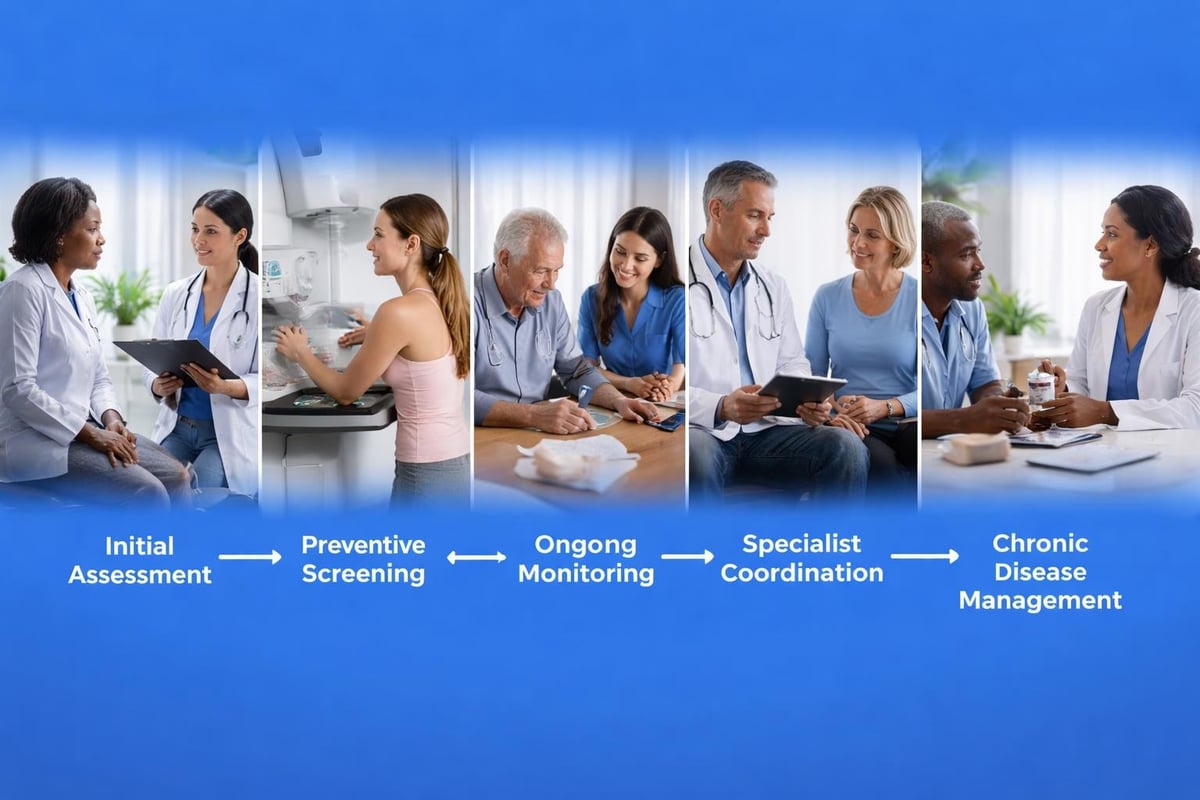
Primary healthcare physicians shoulder a diverse range of responsibilities that extend far beyond treating common illnesses. Their scope of practice includes conducting routine physical examinations, administering immunizations, screening for diseases, and managing ongoing health conditions. These medical professionals develop long-term relationships with patients, allowing them to track health trends over time and identify potential concerns before they become serious problems.
The preventive aspect of primary care cannot be overstated. Research demonstrates that having a primary care physician leads to higher rates of preventive care services and improved communication between patients and their healthcare teams. This proactive approach helps identify risk factors early and implement strategies to maintain optimal health.
Comprehensive Health Assessment
Primary healthcare physicians perform thorough evaluations that consider your complete medical history, family background, lifestyle factors, and current symptoms. This holistic approach enables them to:
- Identify underlying health conditions that may not present obvious symptoms
- Develop personalized prevention strategies based on individual risk factors
- Monitor changes in health status through regular check-ups
- Provide evidence-based recommendations for lifestyle modifications
Continuity of care represents one of the most valuable aspects of maintaining a relationship with primary healthcare physicians. When you see the same physician consistently, they become familiar with your health patterns, preferences, and concerns, leading to more accurate diagnoses and effective treatment plans.
Building Strong Patient-Physician Relationships
The foundation of effective primary care rests on trust and open communication between patients and their physicians. Primary healthcare physicians invest time in understanding not just your physical symptoms but also the social, emotional, and environmental factors that influence your health. This comprehensive understanding allows for more nuanced care decisions that align with your personal values and circumstances.
Communication extends beyond the examination room. Modern primary healthcare physicians utilize various channels to stay connected with patients, including secure messaging systems, telehealth consultations, and coordinated follow-up care. These communication methods ensure that patients receive timely guidance and support between scheduled appointments.
Elements of Effective Healthcare Communication
| Communication Aspect | Patient Benefit | Physician Approach |
|---|---|---|
| Active Listening | Feels heard and understood | Takes time to understand full context |
| Clear Explanations | Better comprehension of conditions | Uses plain language, avoids jargon |
| Shared Decision-Making | Increased treatment adherence | Involves patients in care planning |
| Accessibility | Reduced anxiety, timely care | Multiple contact methods available |
Trust in healthcare providers influences how patients engage with medical advice and treatment recommendations. Studies examining patient trust reveal that various factors shape confidence in physician quality, affecting healthcare decisions and outcomes.
Coordinating Comprehensive Care Services
Primary healthcare physicians function as quarterbacks for your healthcare team, coordinating various services and specialists to ensure seamless care delivery. When additional expertise is needed, they provide referrals to appropriate specialists while maintaining oversight of your overall treatment plan. This coordination prevents fragmented care and reduces the risk of conflicting treatments or medication interactions.
The integration of ancillary services within primary care settings has transformed how patients access diagnostic and therapeutic services. Having laboratory work, imaging capabilities, and specialized consultations available in one location streamlines the care process and improves convenience for patients managing busy schedules.
Same-Day Care Capabilities
Modern primary care practices have adapted to meet the growing demand for immediate medical attention. Same-day appointments address urgent health concerns without the extended wait times or higher costs associated with emergency room visits. Primary healthcare physicians who offer same-day services can evaluate and treat:
- Acute illnesses such as respiratory infections, urinary tract infections, and skin conditions
- Minor injuries requiring prompt attention but not emergency intervention
- Sudden symptom changes in patients with chronic conditions
- Medication adjustments needed urgently
- Follow-up care after hospital discharge or specialist visits
This accessibility ensures that health concerns receive timely attention, preventing minor issues from escalating into serious complications.

Preventive Care and Health Maintenance
Prevention forms the bedrock of primary care medicine. Primary healthcare physicians design customized screening schedules based on age, gender, family history, and individual risk factors. Regular screenings detect conditions like hypertension, diabetes, high cholesterol, and certain cancers in their earliest, most treatable stages.
Immunization management represents another critical preventive function. Primary healthcare physicians track vaccination schedules for patients of all ages, from childhood immunizations to adult boosters and seasonal flu vaccines. They also provide guidance on travel-related vaccinations and emerging public health recommendations.
Age-Specific Preventive Services
Different life stages require distinct preventive care approaches. Primary healthcare physicians tailor their services to address the unique health needs across the lifespan:
- Children and Adolescents: Growth monitoring, developmental assessments, school physicals, sports clearances
- Young Adults: Reproductive health counseling, mental health screening, injury prevention
- Middle-Aged Adults: Chronic disease screening, cancer prevention, metabolic health monitoring
- Older Adults: Fall prevention, cognitive assessment, polypharmacy management, mobility support
The concept of primary care physicians as the usual source of healthcare plays a vital role in achieving prevention goals and delivering comprehensive preventive health services consistently.
Managing Chronic Health Conditions
For patients living with chronic conditions such as diabetes, hypertension, asthma, or heart disease, primary healthcare physicians provide ongoing management that maintains stability and prevents complications. This long-term partnership involves regular monitoring, medication management, lifestyle counseling, and coordination with specialists when needed.
Effective chronic disease management requires more than prescribing medications. Primary healthcare physicians work with patients to develop sustainable lifestyle modifications, address barriers to adherence, and adjust treatment plans as conditions evolve. They monitor key health indicators through regular testing and examinations, catching potential problems before they require more intensive intervention.
| Chronic Condition | Primary Care Management Activities | Monitoring Frequency |
|---|---|---|
| Diabetes | Blood glucose monitoring, A1C testing, foot exams, eye care coordination | Every 3-6 months |
| Hypertension | Blood pressure checks, medication adjustment, dietary counseling | Every 3-4 months |
| Asthma | Lung function testing, inhaler technique review, trigger identification | Every 6-12 months |
| Heart Disease | Cardiovascular risk assessment, cholesterol management, exercise planning | Every 3-6 months |
Evidence-Based Medicine in Primary Care
Primary healthcare physicians rely on current medical evidence to guide their clinical decisions and treatment recommendations. Accessing trusted sources of evidence helps these physicians select and customize the best care approaches for individual patient needs. This commitment to evidence-based practice ensures that patients receive treatments proven effective through rigorous scientific research.
Staying current with medical advances requires ongoing education and professional development. Primary healthcare physicians participate in continuing medical education, review clinical guidelines from professional organizations, and engage with peer-reviewed research to refine their practice patterns continuously.
Information Sources Shaping Practice
The sources that inform primary care practice extend beyond medical journals. Research on information sources among primary care physicians reveals the variety and credibility of resources that shape clinical decisions. These include professional society guidelines, clinical practice networks, pharmaceutical information, and patient-reported outcomes data.

Accessibility and Patient-Centered Approaches
Modern primary care emphasizes accessibility and patient-centered service delivery. This means designing care systems that accommodate diverse patient needs, including extended hours, multiple visit types, and flexible communication channels. Primary healthcare physicians who prioritize accessibility recognize that healthcare must adapt to patient realities rather than expecting patients to conform to rigid schedules.
The patient-centered medical home model exemplifies this approach, organizing care around patient needs and preferences. This framework emphasizes:
- Comprehensive care addressing all patient health needs
- Coordinated care across the healthcare system
- Accessible services with shorter wait times and expanded hours
- Quality and safety through evidence-based medicine and continuous improvement
- Enhanced access through technology and team-based care
Patients seeking primary care value convenience and responsiveness. Practices that offer same-day appointments for urgent concerns demonstrate commitment to meeting patients where they are, reducing unnecessary emergency department visits and providing timely intervention for acute problems.
Specialized Support Within Primary Care
While primary healthcare physicians provide broad-spectrum care, many modern practices incorporate subspecialty support to enhance service offerings. This integration allows patients to access specialized expertise without leaving their primary care home, improving care coordination and patient satisfaction.
In-house ancillary services such as laboratory testing, diagnostic imaging, physical therapy, and nutrition counseling create a comprehensive care environment. When subspecialty consultation is needed, having these services coordinated through your primary care practice ensures that all providers work from the same information and toward unified treatment goals.
Benefits of Integrated Care Models
Integration of multiple services under primary care coordination offers distinct advantages:
- Streamlined communication between all providers involved in your care
- Reduced administrative burden for patients managing multiple appointments
- Consistent health information shared across your care team
- Faster diagnosis and treatment initiation when multiple services are needed
- Better outcome tracking through centralized record-keeping
For patients managing complex health situations, this integrated approach prevents the fragmentation that occurs when care is scattered across multiple unconnected providers and facilities. You can explore comprehensive primary care services through Dominion health’s approach to coordinated healthcare delivery.
Family-Centered Primary Care
Primary healthcare physicians who provide care for all ages offer unique advantages for families seeking coordinated health services. When one physician or practice cares for multiple family members, they understand family health patterns, genetic predispositions, and shared environmental factors that influence wellness.
Family-centered care proves particularly valuable when managing conditions with hereditary components or when coordinating care for households with diverse health needs. Parents appreciate the convenience of accessing pediatric and adult care in one location, and physicians benefit from understanding the full family health context when making care recommendations.
Leveraging Health Information Technology
Technology has transformed how primary healthcare physicians deliver and coordinate care. Electronic health records enable comprehensive documentation of patient histories, medication lists, test results, and treatment plans. These systems facilitate information sharing with specialists, hospitals, and other healthcare entities involved in patient care.
Patient portals extend this connectivity to patients themselves, allowing secure messaging with healthcare teams, appointment scheduling, prescription refills, and access to test results. How people initially search for health information has evolved significantly, with healthcare providers and internet resources playing complementary roles in health education and decision-making.
Telehealth capabilities have expanded access to primary care services, particularly for follow-up visits, medication management, and minor acute concerns. While physical examinations remain essential for many health assessments, virtual visits provide flexibility for working professionals, parents with young children, and patients with mobility limitations.
Quality Metrics in Primary Care
Primary healthcare physicians operate within quality measurement frameworks designed to ensure consistent, evidence-based care delivery. These metrics track performance in areas such as preventive screening rates, chronic disease control, patient satisfaction, and care coordination effectiveness.
Understanding how physicians use publicly reported quality data in making referral decisions illustrates the interconnected nature of healthcare quality throughout the system. Primary healthcare physicians consider multiple factors when connecting patients with specialists and hospitals, including clinical expertise, patient preferences, and documented outcomes.
Addressing the Whole Person
Primary healthcare physicians recognize that health extends beyond physical symptoms to encompass mental, emotional, and social wellbeing. This holistic perspective informs care approaches that address stress management, mental health screening, social determinants of health, and lifestyle factors affecting overall wellness.
Behavioral health integration within primary care settings reflects this comprehensive approach. Many primary healthcare physicians incorporate mental health screening into routine visits and coordinate with behavioral health specialists when patients need additional support. This integration reduces stigma, improves access to mental health services, and ensures that physical and mental health receive coordinated attention.
The therapeutic relationship between primary healthcare physicians and patients creates a foundation for discussing sensitive topics that patients might hesitate to raise with specialists or in emergency settings. This trust enables more honest conversations about substance use, relationship stress, financial health concerns, and other factors impacting wellness.
Primary healthcare physicians serve as essential partners in maintaining health across the lifespan, offering comprehensive services that address immediate concerns while building long-term wellness strategies. Their role in coordinating care, providing preventive services, and managing chronic conditions makes them invaluable allies in navigating today's complex healthcare landscape. If you're seeking accessible, comprehensive primary care with same-day appointment availability and integrated ancillary services for your entire family, Dominion health offers the coordinated approach you need to prioritize your health effectively.