Finding quality healthcare starts with choosing the right primary care provider. When you search for "family medicine specialists near me," you're taking the first step toward establishing a healthcare relationship that can serve you and your family for years to come. Family medicine specialists offer comprehensive care across all ages, managing everything from routine checkups to chronic disease management. Understanding what these physicians do, how they differ from other providers, and what to look for when selecting one can transform your healthcare experience and improve long-term health outcomes for your entire family.
What Family Medicine Specialists Actually Do
Family medicine specialists represent one of the most versatile medical fields in modern healthcare. These physicians complete residency training specifically designed to equip them with skills across multiple disciplines, including pediatrics, internal medicine, obstetrics, and geriatrics.
The American Academy of Family Physicians defines family medicine as a specialty that provides continuing and comprehensive healthcare for individuals and families across all ages, sexes, diseases, and parts of the body. This broad scope distinguishes family medicine specialists from other primary care providers who may focus on specific age groups or organ systems.
Comprehensive Services Under One Roof
When you visit a family medicine specialist, you gain access to an extensive range of services:
- Preventive care including annual physicals, immunizations, and health screenings
- Acute illness treatment for infections, injuries, and sudden health concerns
- Chronic disease management for conditions like diabetes, hypertension, and asthma
- Minor procedures such as wound care, joint injections, and skin biopsies
- Mental health support including depression and anxiety screening and management
- Women's health services covering routine gynecological care and family planning
- Pediatric care from newborn visits through adolescent health
This comprehensive approach means fewer referrals to specialists for routine matters and better coordination when specialized care becomes necessary.

Why Searching for Family Medicine Specialists Near Me Matters
Geographic proximity plays a crucial role in healthcare accessibility and outcomes. The convenience of having a family medicine specialist nearby directly impacts your ability to maintain consistent care, especially when urgent health concerns arise.
Same-day availability becomes significantly more practical when your provider operates close to your home or workplace. Rather than waiting days or weeks for an appointment, you can address acute symptoms before they escalate into more serious conditions. This accessibility proves particularly valuable for families with young children, who often experience sudden illnesses requiring prompt attention.
Continuity of care improves dramatically when distance doesn't create barriers. Research consistently shows that patients who maintain relationships with the same primary care provider experience better health outcomes, fewer emergency room visits, and higher satisfaction with their healthcare experience.
Local Knowledge and Community Integration
Family medicine specialists practicing in your community understand local health trends, environmental factors, and available resources. They maintain relationships with nearby specialists, laboratories, diagnostic centers, and hospitals, creating a seamless referral network when you need additional services.
This local integration extends beyond medical connections. Family physicians often become familiar with workplace health concerns common in your area, seasonal illness patterns, and community resources like support groups, fitness programs, and wellness initiatives.
How Family Medicine Differs From Other Primary Care Options
The distinction between family medicine specialists and other primary care providers often confuses patients searching for the right fit. Understanding these differences helps you make informed decisions about your healthcare.
| Provider Type | Age Range | Training Focus | Typical Scope |
|---|---|---|---|
| Family Medicine | All ages | Broad, across specialties | Comprehensive care for entire families |
| Internal Medicine | Adults only (18+) | Adult diseases and systems | Complex adult conditions |
| Pediatrician | Children/adolescents | Child development and diseases | Specialized pediatric care |
| Geriatrician | Seniors (65+) | Aging and elder health | Age-related conditions |
Family practice doctors, as WebMD explains, offer the unique advantage of treating multiple generations within one family, understanding how genetics, lifestyle, and family dynamics influence health across the lifespan.
The Training Behind the Expertise
Family medicine specialists complete rigorous education requirements. After four years of medical school, they undertake three years of residency training that rotates through multiple disciplines. This comprehensive preparation equips them to handle approximately 90% of patient concerns without requiring specialist referrals.
The American Medical Association outlines specific career development pathways that family physicians follow, including board certification requirements that ensure ongoing competency through continuing medical education and periodic recertification exams.

What to Look for When Searching Family Medicine Specialists Near Me
Not all family medicine practices offer identical services or approaches to care. Evaluating specific factors helps you identify the right match for your family's needs.
Office Features and Capabilities
Modern family medicine practices increasingly incorporate ancillary services that eliminate the inconvenience of traveling to multiple locations for routine healthcare needs. Look for practices offering:
- On-site laboratory services for immediate blood work and test results
- In-house diagnostic imaging like X-rays or ultrasound
- Extended hours including evening or weekend availability
- Same-day appointments for urgent concerns
- Telehealth options for convenient follow-ups and minor issues
Practices with subspecialty support provide additional value by coordinating specialized care without losing the continuity of your primary care relationship. This integrated model ensures your family medicine specialist remains informed about all aspects of your health, even when working with cardiologists, orthopedists, or other specialists.
Technology and Communication
Healthcare technology has evolved significantly in recent years. Quality family medicine practices leverage these tools to enhance patient experience:
- Patient portals providing 24/7 access to test results, medical records, and secure messaging
- Electronic prescribing streamlining medication management and refills
- Appointment scheduling apps reducing phone tag and wait times
- Digital health monitoring for chronic conditions requiring ongoing tracking
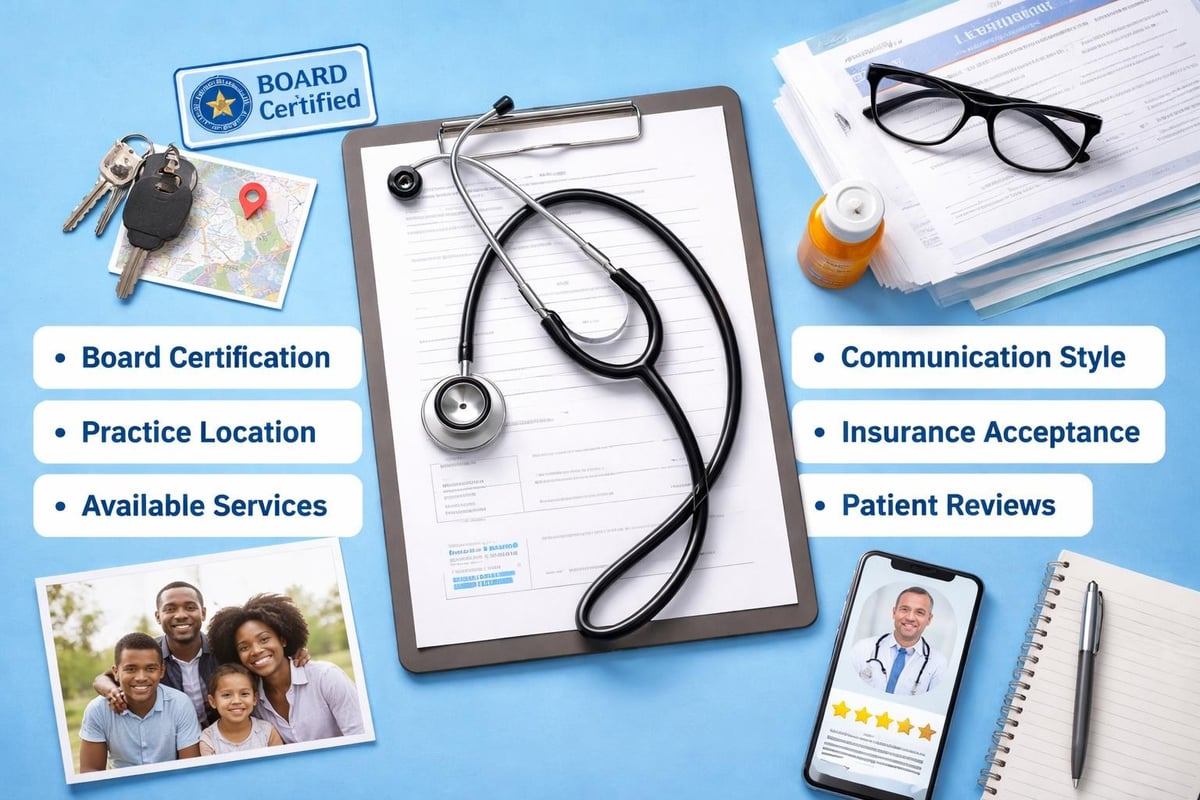
Communication preferences vary among patients. Some value face-to-face visits exclusively, while others appreciate video consultations for certain concerns. Identifying practices that align with your communication style supports better engagement with your healthcare.
The Value of Subspecialty Support in Family Medicine
While family medicine specialists handle the vast majority of healthcare needs, certain conditions benefit from subspecialty expertise. Progressive family medicine practices establish relationships with specialists who complement their comprehensive approach.
Coordinated Care Models
The most effective healthcare delivery occurs when your family medicine specialist coordinates with subspecialists rather than simply handing off your care. This coordination ensures:
Information flows seamlessly between providers, preventing duplicate testing and conflicting treatment plans. Your family physician maintains oversight of your complete health picture while incorporating specialized recommendations.
Treatment plans align with your overall health goals and existing conditions. Subspecialists receive comprehensive context about your medical history, allowing them to tailor recommendations that work alongside your broader healthcare strategy.
Follow-up remains consistent even after subspecialty consultations conclude. Your family medicine specialist continues monitoring your condition, adjusting treatments as needed, and recognizing when additional specialized input becomes necessary.
| Subspecialty Area | Common Conditions Addressed | Integration Benefit |
|---|---|---|
| Cardiology | Heart disease, arrhythmias | Medication coordination, lifestyle counseling |
| Endocrinology | Diabetes, thyroid disorders | Comprehensive metabolic management |
| Orthopedics | Joint pain, sports injuries | Conservative treatment before procedures |
| Dermatology | Skin conditions, suspicious lesions | Early detection, routine monitoring |
Medical University of the Americas explores subspecialty options available to family physicians who pursue additional fellowship training, demonstrating the specialty's adaptability to community healthcare needs.
Evaluating Credentials and Qualifications
Board certification represents a significant quality indicator when selecting family medicine specialists near me. This credential confirms physicians have completed accredited residency training and passed comprehensive examinations demonstrating their knowledge and skills.
Understanding Board Certification
The certification process extends beyond initial qualification. Family medicine specialists must maintain certification through ongoing continuing medical education and periodic recertification exams, ensuring they stay current with evolving medical knowledge and best practices.
The American Board of Physician Specialties provides detailed information about certification standards, helping patients understand what these credentials signify. Board-certified family physicians demonstrate commitment to excellence and accountability to professional standards.
Beyond board certification, consider additional factors:
- Years in practice and experience with conditions relevant to your family
- Hospital affiliations and admitting privileges
- Participation in quality improvement initiatives
- Patient satisfaction ratings and reviews
- Professional memberships in organizations like the Illinois Academy of Family Physicians
Insurance, Accessibility, and Practical Considerations
Healthcare quality matters little if practical barriers prevent you from accessing it consistently. When evaluating family medicine specialists near me, address these fundamental considerations upfront.
Insurance Network Participation
Verify that prospective family medicine specialists participate in your insurance network before scheduling appointments. Out-of-network care can result in significantly higher out-of-pocket costs, making otherwise excellent physicians financially impractical for your family.
Most practices list accepted insurance plans on their websites. When information isn't readily available, call the office directly to confirm coverage. Also inquire about:
- Copayment amounts for different visit types
- Deductible requirements before insurance coverage begins
- Coverage for ancillary services like lab work or procedures
- Prior authorization requirements for certain treatments or referrals
Appointment Availability and Wait Times
The best family medicine specialist provides little value if you can't secure timely appointments. During your initial contact, ask about:
- Average wait time for routine physicals and wellness visits
- Availability of same-day appointments for urgent concerns
- Typical appointment duration and whether the practice runs on schedule
- After-hours coverage and guidance for urgent situations outside office hours
Practices offering same-day availability for acute concerns demonstrate responsiveness that proves invaluable when you're dealing with sudden illness or injury. This accessibility reduces emergency room visits for conditions that don't require emergency-level care while ensuring prompt attention when you need it most.
Building a Long-Term Relationship With Your Family Medicine Specialist
The greatest value from family medicine emerges through sustained relationships spanning years or even decades. This continuity allows your physician to understand your health patterns, recognize subtle changes, and provide increasingly personalized care over time.
First Visit Expectations
Your initial appointment establishes the foundation for your ongoing relationship. Come prepared to discuss:
- Complete medical history including past illnesses, surgeries, and hospitalizations
- Current medications with dosages and frequencies
- Family health history covering parents, siblings, and grandparents
- Lifestyle factors including diet, exercise, sleep, stress, and substance use
- Health goals and concerns you want to address
This comprehensive intake helps your family medicine specialist understand your health baseline and identify potential risk factors requiring monitoring or preventive intervention.
Maximizing Your Healthcare Partnership
Active engagement improves outcomes significantly. Effective strategies include:
Maintaining open communication about symptoms, side effects, and concerns between appointments. Don't wait for scheduled visits to report significant changes.
Following through on recommended screenings, treatments, and lifestyle modifications. Your physician's expertise only translates to better health when you implement their guidance.
Asking questions when you don't understand recommendations or need clarification about your condition. Healthcare jargon can be confusing, and good physicians welcome opportunities to ensure you comprehend your care plan.
Providing feedback about what works and what doesn't. Your family medicine specialist can adjust approaches based on your preferences and responses to treatment.
The Role of Preventive Care in Family Medicine
Preventive medicine represents one of family medicine's most valuable contributions to long-term health. Rather than simply treating illness after it develops, family medicine specialists identify risk factors early and implement strategies to prevent disease altogether.
Age-Appropriate Screening Guidelines
Family medicine specialists tailor preventive care to each patient's age, gender, family history, and risk factors:
| Age Group | Key Preventive Services | Frequency |
|---|---|---|
| Children (0-18) | Immunizations, development screening, vision/hearing tests | Varies by age |
| Adults (18-39) | Blood pressure, cholesterol, cancer screening (as appropriate) | Annual to every 5 years |
| Adults (40-64) | Diabetes screening, colorectal cancer screening, cardiovascular assessment | Annual to every 3 years |
| Seniors (65+) | Bone density, fall risk, cognitive screening, comprehensive geriatric assessment | Annual to every 2 years |
These guidelines represent starting points. Your family medicine specialist personalizes recommendations based on your individual risk profile, family history, and personal health goals.
Chronic Disease Prevention
Many common chronic conditions develop gradually over years or decades. Family medicine specialists monitor early warning signs and intervene before full-blown disease emerges:
- Prediabetes management through lifestyle modification can prevent or delay type 2 diabetes
- Prehypertension treatment reduces cardiovascular risk and prevents progression to hypertension
- Weight management support addresses obesity before it triggers related conditions
- Smoking cessation assistance prevents tobacco-related diseases across multiple organ systems
This proactive approach delivers better outcomes at lower cost than treating advanced disease later.
Technology and Innovation in Modern Family Medicine
Family medicine practices in 2026 leverage technology to enhance care quality, accessibility, and efficiency. Understanding these innovations helps you identify forward-thinking practices that optimize your healthcare experience.
Telehealth Integration
Virtual visits have evolved from emergency pandemic measures to permanent care delivery options. Family medicine specialists now offer telehealth for:
- Follow-up appointments for stable chronic conditions
- Medication adjustments and prescription refills
- Mental health consultations
- Minor acute illnesses requiring visual assessment
- Health coaching and lifestyle counseling
This flexibility accommodates busy schedules, eliminates travel time, and expands access for patients with mobility limitations or transportation challenges.
Data-Driven Care
Electronic health records enable family medicine specialists to track trends over time, identify patterns, and make data-informed decisions about your care. Advanced systems incorporate clinical decision support tools that alert physicians to:
- Overdue preventive screenings based on your age and risk factors
- Potential drug interactions when prescribing new medications
- Abnormal lab trends requiring investigation
- Evidence-based treatment protocols for your specific conditions
These tools supplement clinical judgment rather than replacing it, helping family medicine specialists deliver consistently high-quality care.
When to Establish Care With Family Medicine Specialists Near Me
The ideal time to find family medicine specialists near me is before you need urgent care. Establishing a relationship during health allows your physician to understand your baseline, complete preventive screenings, and build rapport that facilitates more effective care when problems arise.
Life Transitions Prompting Provider Changes
Several situations commonly trigger searches for new family medicine specialists:
- Relocating to a new area for work, retirement, or family reasons
- Aging out of pediatric care and transitioning to adult healthcare
- Life changes like marriage, pregnancy, or caring for aging parents
- Insurance changes that shift network participation
- Dissatisfaction with current provider communication, availability, or approach
Don't delay establishing new care. The gap between providers creates discontinuity that can compromise chronic disease management and preventive care.
Questions to Ask During Your Search
When evaluating potential family medicine specialists, gather information that helps you assess fit:
- How quickly can new patients typically get appointments?
- What is your approach to same-day urgent care?
- Do you offer telehealth visits for appropriate concerns?
- What ancillary services are available in-house?
- How do you coordinate with specialists when referrals become necessary?
- What hospitals do you have privileges at?
- How do you communicate test results and follow-up recommendations?
The answers reveal practice philosophy, operational capabilities, and communication style, helping you identify providers aligned with your preferences and needs.
Choosing the right family medicine specialist creates a healthcare foundation that serves your entire family across all life stages. The combination of comprehensive training, broad clinical scope, and relationship-based care makes family medicine an ideal choice for most individuals seeking consistent, coordinated healthcare. When you're ready to establish care with a practice that offers same-day appointments, in-house ancillary services, and subspecialty support all under one roof, Dominion health provides the comprehensive family medicine care your family deserves.