Finding the right physician for your healthcare needs can feel overwhelming, especially when navigating the various medical specialties available. An internal medicine dr, also known as an internist, serves as a cornerstone of adult healthcare, offering comprehensive medical care that goes far beyond treating the common cold. These highly trained physicians specialize in preventing, diagnosing, and treating diseases that affect adults, from young adulthood through the senior years. Understanding what sets an internal medicine dr apart from other healthcare providers helps you make informed decisions about your medical care and ensures you receive the most appropriate treatment for your unique health situation.
What Is an Internal Medicine Dr
An internal medicine dr completes extensive training focused exclusively on adult medicine, requiring three years of residency after medical school. This specialized education equips internists with deep knowledge of how various body systems interact and how diseases affect multiple organs simultaneously.
Unlike family medicine physicians who treat patients of all ages, an internal medicine dr concentrates solely on adult health. This focused approach allows internists to develop particular expertise in complex medical conditions, chronic disease management, and the health challenges that emerge as adults age.
Education and Training Requirements
The path to becoming an internal medicine dr involves rigorous academic preparation. After completing a four-year undergraduate degree and four years of medical school, aspiring internists must complete:
- Three-year internal medicine residency program
- Board certification examination through the American Board of Internal Medicine
- Continuing medical education requirements throughout their career
- Optional fellowship training for subspecialization (two to three additional years)
Many internists pursue further specialization in areas such as cardiology, gastroenterology, endocrinology, or infectious diseases. However, general internal medicine physicians maintain broad expertise across all these areas, making them ideal as primary care providers for adults.

Conditions Treated by Internal Medicine Physicians
Internal medicine doctors manage an extensive range of health conditions, from acute illnesses to complex chronic diseases. Their comprehensive training enables them to address multiple health concerns simultaneously, which is particularly valuable for patients managing several conditions.
Common Acute and Chronic Conditions
An internal medicine dr regularly diagnoses and treats conditions including:
- Respiratory infections, pneumonia, and bronchitis
- Hypertension and cardiovascular disease
- Diabetes and metabolic disorders
- Gastrointestinal issues and digestive problems
- Thyroid disorders and hormonal imbalances
- Arthritis and autoimmune conditions
- Mental health concerns including anxiety and depression
Hypertension management represents one of the most common conditions internists address, as high blood pressure affects nearly half of American adults and requires ongoing monitoring and treatment adjustments.
Multi-System Disease Management
What distinguishes an internal medicine dr from other specialists is their ability to manage patients with multiple concurrent health issues. For instance, a patient with diabetes, heart disease, and kidney problems requires coordinated care that addresses how treatments for one condition affect the others.
| Condition Category | Examples | Management Approach |
|---|---|---|
| Cardiovascular | Heart disease, hypertension, stroke prevention | Medication management, lifestyle modification, specialist coordination |
| Endocrine | Diabetes, thyroid disorders, osteoporosis | Blood sugar monitoring, hormone replacement, bone density screening |
| Respiratory | Asthma, COPD, sleep apnea | Pulmonary function testing, inhaler therapy, oxygen therapy |
| Gastrointestinal | GERD, IBS, liver disease | Dietary counseling, medication, endoscopy referrals |
This holistic approach ensures all aspects of your health receive appropriate attention while avoiding dangerous drug interactions or conflicting treatment plans.
When to See an Internal Medicine Dr
Determining when to visit an internal medicine dr depends on your age, health status, and specific medical needs. Generally, adults should establish care with an internist to maintain optimal health throughout their adult years.
Preventive Care and Wellness Visits
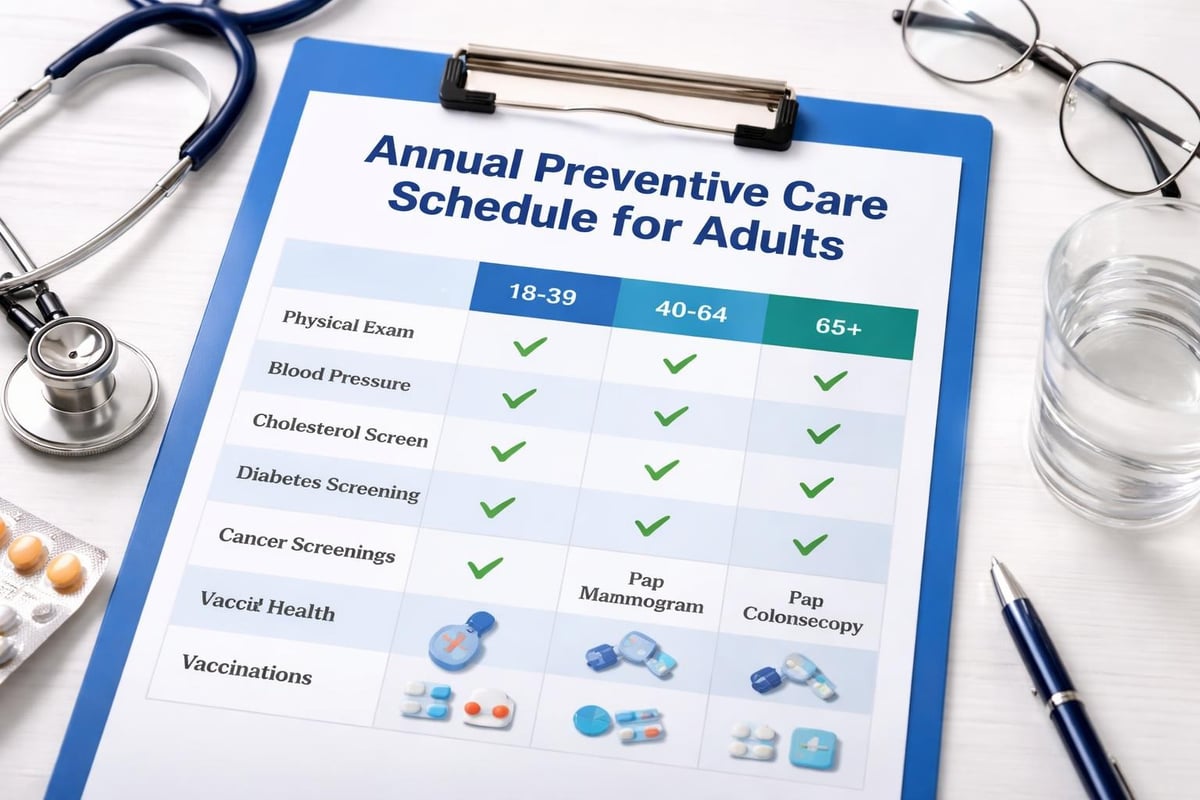
Annual wellness examinations with an internal medicine dr provide crucial preventive care services. These visits typically include:
- Comprehensive physical examination
- Blood pressure and vital sign monitoring
- Laboratory work including cholesterol and blood sugar testing
- Cancer screening discussions and referrals
- Vaccination updates
- Health risk assessments
The American Medical Association’s internal medicine resources emphasize the importance of preventive care in catching diseases early when they're most treatable.
New or Worsening Symptoms
You should schedule an appointment with an internal medicine dr when experiencing:
Persistent symptoms such as unexplained fatigue, weight changes, or chronic pain that doesn't resolve with over-the-counter treatments.
New health concerns including changes in vision, frequent urination, chest discomfort, or shortness of breath during normal activities.
Multiple symptoms affecting different body systems simultaneously, which may indicate a systemic condition requiring comprehensive evaluation.
Many primary care clinics now offer same-day appointments for urgent concerns, allowing you to see your internist quickly without resorting to emergency room visits for non-emergency situations.
Internal Medicine Dr vs Other Specialists
Understanding how an internal medicine dr differs from other physicians helps you choose the most appropriate provider for your healthcare needs.
Internal Medicine vs Family Medicine
While both serve as primary care providers, key differences exist:
| Aspect | Internal Medicine Dr | Family Medicine Dr |
|---|---|---|
| Patient Age Range | Adults only (18+) | All ages (newborns through seniors) |
| Training Focus | Adult disease complexity | Broad family health across lifespan |
| Chronic Disease Management | Extensive expertise | General knowledge |
| Pediatric Care | Not provided | Included |
Family physicians excel at treating entire families, while internal medicine doctors develop deeper expertise in adult-specific conditions and complex disease management.
Internal Medicine vs Medical Subspecialists
An internal medicine dr serves as a generalist who coordinates your overall health, while subspecialists focus on specific organ systems or disease categories. For example:
- Cardiologists specialize in heart conditions only
- Endocrinologists focus exclusively on hormonal disorders
- Gastroenterologists treat digestive system diseases
Your internist determines when subspecialist referrals are necessary and coordinates care between multiple specialists. This coordination prevents fragmented care and ensures all your providers work together toward common health goals.
Common Procedures and Diagnostic Tests
An internal medicine dr performs numerous in-office procedures and orders diagnostic tests to evaluate your health status accurately. These capabilities enable faster diagnosis and treatment without requiring referrals to outside facilities.
In-Office Diagnostic Procedures
Modern internal medicine practices offer comprehensive diagnostic services including:
- Electrocardiograms (EKG) for heart rhythm evaluation
- Pulmonary function testing for respiratory conditions
- Point-of-care laboratory testing for immediate results
- Joint aspirations for arthritis diagnosis
- Skin biopsies for suspicious lesions
Having these services available in your primary care clinic streamlines the diagnostic process and provides answers during your visit rather than waiting days for outside facility appointments.
Laboratory and Imaging Coordination
Your internal medicine dr orders and interprets various laboratory tests and imaging studies:
- Routine screening labs: Complete blood count, metabolic panels, lipid profiles
- Specialized testing: Hormone levels, vitamin deficiencies, inflammatory markers
- Imaging studies: X-rays, ultrasounds, CT scans, MRI referrals
- Cancer screenings: Mammography, colonoscopy referrals, cancer prevention strategies
Comprehensive primary care clinics with ancillary services provide many of these tests on-site, reducing the number of appointments and facilities you need to visit.
Managing Chronic Conditions with an Internist
Chronic disease management represents a significant portion of internal medicine practice. An internal medicine dr provides ongoing care that adapts as your condition evolves and your needs change over time.
Diabetes Care and Management
Diabetes management requires consistent monitoring and treatment adjustments. Your internist provides:
- Regular A1C testing to track blood sugar control
- Medication management including insulin therapy
- Dietary and exercise counseling
- Complication screening for eyes, kidneys, and nerves
- Coordination with endocrinologists when needed
The goal is maintaining blood sugar levels within target ranges to prevent long-term complications while preserving quality of life.
Cardiovascular Disease Management
Heart disease prevention and treatment forms a cornerstone of internal medicine practice. An internal medicine dr monitors cardiovascular health through:
- Blood pressure management with lifestyle modifications and medications
- Cholesterol control using statins and other lipid-lowering agents
- Antiplatelet therapy for stroke prevention
- Heart failure monitoring and medication optimization
- Cardiac rehabilitation program referrals
Regular follow-up appointments allow your internist to adjust treatments based on your response and prevent cardiovascular events before they occur.

Building a Long-Term Relationship with Your Internist
Continuity of care with the same internal medicine dr yields significant health benefits. Your physician learns your medical history, understands your health goals, and recognizes subtle changes that might indicate emerging problems.
Benefits of Consistent Primary Care
Maintaining an ongoing relationship with your internist provides:
Better health outcomes through personalized care based on deep knowledge of your health history and response to previous treatments.
Improved medication safety as your physician maintains complete medication lists and watches for potential interactions or duplicate therapies.
Enhanced preventive care with timely screening reminders and health maintenance appropriate for your individual risk factors.
Coordinated specialist care when your internist knows which specialists you're seeing and ensures everyone works from the same treatment plan.
Research consistently shows that patients with established primary care relationships have fewer hospitalizations, better chronic disease control, and higher satisfaction with their healthcare.
Communication and Accessibility
Modern internal medicine practices offer multiple communication channels:
- Patient portal messaging for non-urgent questions
- Telephone consultations for quick concerns
- Video visits for convenient follow-ups
- Same-day appointments for acute problems
- After-hours nurse advice lines
These options ensure you can reach your healthcare team when you need guidance without unnecessary emergency room visits. Primary care clinics that prioritize accessibility often can accommodate same-day scheduling for urgent concerns.
Choosing the Right Internal Medicine Dr
Selecting an internal medicine dr requires consideration of multiple factors beyond basic qualifications. The right physician match enhances your healthcare experience and improves long-term outcomes.
Important Selection Criteria
When evaluating potential internists, consider:
- Board certification status: Verify current certification through the American Board of Internal Medicine
- Hospital affiliations: Ensure your doctor has privileges at quality facilities
- Practice philosophy: Look for physicians who prioritize preventive care and shared decision-making
- Communication style: Choose someone who listens carefully and explains concepts clearly
- Office location and hours: Consider convenience for regular visits
Practice Capabilities and Resources
The practice setting significantly impacts your care experience. Comprehensive primary care clinics offer advantages including:
| Feature | Benefit |
|---|---|
| In-house laboratory | Same-visit test results |
| On-site imaging | Convenient diagnostic services |
| Subspecialty support | Expert consultation without outside referrals |
| Extended hours | Flexible scheduling options |
| Care coordination staff | Streamlined specialist referrals |
Practices with these resources provide more efficient care and reduce the time you spend coordinating appointments across multiple locations.
Insurance and Financial Considerations
Understanding the financial aspects of seeing an internal medicine dr helps you plan for healthcare expenses and maximize your insurance benefits.
Coverage and Reimbursement
Most health insurance plans cover internal medicine visits as primary care, typically requiring only your standard copayment. Annual wellness visits are usually covered at 100% with no out-of-pocket costs under the Affordable Care Act's preventive care provisions.
When selecting an internist, verify:
- Whether the physician accepts your insurance plan
- If the practice is in-network or out-of-network
- What your copayment amount is for office visits
- Coverage levels for in-office procedures and tests
Staying in-network significantly reduces your out-of-pocket expenses and ensures smoother claims processing.
Value of Comprehensive Primary Care
While healthcare costs concern many patients, comprehensive primary care with an internal medicine dr typically reduces overall healthcare spending through:
Prevention of expensive complications by managing chronic conditions effectively and catching problems early.
Reduced emergency room usage through same-day sick visits and accessible provider communication.
Better medication management that avoids costly hospital admissions from adverse drug events.
Coordinated care that prevents duplicate testing and unnecessary specialist visits.
Investing in quality primary care delivers long-term value beyond the immediate visit cost.
Staying Current with Medical Advances
An internal medicine dr maintains expertise through continuous learning as medical knowledge evolves. This commitment to ongoing education ensures you benefit from the latest evidence-based treatments and diagnostic approaches.
Continuing Medical Education
Board-certified internists must complete regular continuing medical education to maintain their credentials. These requirements keep physicians current on:
- New medication approvals and treatment guidelines
- Emerging diagnostic technologies
- Updated screening recommendations
- Novel approaches to chronic disease management
Clinical developments in internal medicine occur rapidly, and your physician's commitment to ongoing learning directly benefits your care quality.
Evidence-Based Practice
Modern internal medicine emphasizes evidence-based practice, meaning treatment recommendations stem from rigorous research rather than outdated traditions. Your internist evaluates:
- Clinical trial results for new therapies
- Updated treatment guidelines from professional societies
- Comparative effectiveness research
- Patient-specific factors that influence treatment selection
This scientific approach ensures you receive treatments proven to work while avoiding interventions that provide little benefit or carry unnecessary risks.
Working with an internal medicine dr provides the foundation for comprehensive adult healthcare throughout every life stage. These specialists combine broad medical knowledge with focused expertise in disease prevention, diagnosis, and treatment, serving as your health advocate and care coordinator. If you're seeking quality primary care with convenient access to diagnostic services and subspecialty support, Dominion health offers comprehensive internal medicine services for adults of all ages, including same-day appointments when you need care urgently. Our experienced team coordinates all aspects of your health to help you achieve your wellness goals.