

Finding new primary care physician services can feel overwhelming, especially when you're navigating insurance networks, evaluating credentials, and trying to determine which practice will meet your long-term health needs. Your primary care doctor serves as the cornerstone of your healthcare journey, coordinating everything from routine checkups to specialist referrals. Making the right choice means investing time upfront to research your options, understand what matters most in a healthcare relationship, and ensure the physician's approach aligns with your personal health goals and communication style.
Understanding Why You Need a Primary Care Physician
A primary care physician acts as your medical home base, providing continuity of care throughout your life. This relationship becomes particularly valuable when managing chronic conditions, coordinating specialist care, or navigating complex health concerns that require someone who knows your complete medical history.
The benefits of establishing care with a primary care physician include:
- Comprehensive health monitoring and preventive care
- Faster access to care when illness strikes
- Coordinated referrals to specialists when needed
- Management of chronic conditions like diabetes or hypertension
- Establishment of baseline health metrics over time
Many people delay finding new primary care physician services until they face a health crisis, but this reactive approach can lead to fragmented care and missed opportunities for prevention. Establishing this relationship while healthy ensures you have a trusted partner when urgent situations arise.
Evaluating Your Healthcare Coverage and Network Options
Before beginning your search, understanding your insurance coverage parameters saves time and prevents surprise bills. Most insurance plans maintain networks of preferred providers who have negotiated rates with the carrier, making in-network care significantly more affordable than out-of-network options.
Start by contacting your insurance company or checking their online provider directory. Blue Cross Blue Shield offers five practical tips for choosing a physician that aligns with your coverage. Document which physicians accept new patients, as many established practices have closed panels due to capacity constraints.
Insurance Verification Steps
- Request an updated provider list from your insurance company
- Confirm the physician currently accepts your specific plan
- Verify whether referrals require prior authorization
- Understand your copay and deductible responsibilities
- Check if the practice accepts multiple insurance types for family members
Some practices participate in multiple insurance networks while others focus on specific carriers. If you're considering a physician outside your network, calculate the cost difference and determine whether the additional expense justifies your preference.

Assessing Location, Hours, and Accessibility
Geographic convenience significantly impacts your ability to maintain consistent care. A physician located thirty minutes away might seem manageable until you need same-day appointments for acute illness or face regular visits for chronic condition management.
| Accessibility Factor | Why It Matters | Questions to Ask |
|---|---|---|
| Office Location | Reduces barriers to regular care | How far is the commute during typical travel times? |
| Parking Availability | Affects appointment stress | Is parking free, validated, or paid? |
| Public Transit Access | Important if you don't drive | Which bus or train lines serve the area? |
| Office Hours | Determines scheduling flexibility | Do they offer early morning or evening appointments? |
| Same-Day Availability | Critical for acute illness | How quickly can urgent issues be addressed? |
Practices like those offering same-day appointments provide significant value when you're dealing with sudden illness or injury. This capability means you can see your established physician who knows your history rather than visiting an urgent care center where providers lack context about your health.
CalPERS recommends considering availability as a key factor when finding new primary care physician services. Weekend or extended hours accommodate working professionals who struggle to take time off for medical appointments.
Researching Credentials and Experience
Medical credentials provide objective data about a physician's education, training, and professional standing. Board certification indicates a doctor has completed additional testing beyond medical school to demonstrate expertise in their specialty.
Key credentials to verify include:
- Medical school and graduation year
- Residency training location and specialty
- Board certification status and maintenance
- State medical license without restrictions
- Hospital affiliations and admitting privileges
- Years of practice experience
The Medical Board of California provides guidance on researching physician backgrounds and verifying credentials through state licensing boards. Most state medical boards maintain online databases where you can confirm licenses and check for disciplinary actions.
Specialized Training and Continuing Education
Beyond basic credentials, consider whether the physician maintains current knowledge through continuing medical education. Medicine evolves rapidly, and doctors committed to ongoing learning tend to incorporate evidence-based practices more effectively.
Ask whether the physician has experience treating conditions relevant to your health needs. Someone managing multiple patients with diabetes, for example, brings pattern recognition and treatment refinement that benefits your care.
Evaluating Practice Size and Care Models
The structure of a medical practice significantly influences your experience. Solo practitioners offer continuity since you'll always see the same doctor, but coverage during vacations or illness may be limited. Group practices provide better backup coverage but less consistency in who you see.
Clinics offering in-house ancillary services streamline care by consolidating lab work, imaging, and specialty consultations in one location. This integration reduces the coordination burden on patients and accelerates diagnosis and treatment decisions.
| Practice Type | Advantages | Considerations |
|---|---|---|
| Solo Practice | Consistent relationship with one physician | Limited coverage during time off |
| Small Group (2-5 physicians) | Backup coverage with familiarity | May see different doctors occasionally |
| Large Group (6+ physicians) | Extended hours and specialty support | Less personal continuity |
| Multi-Specialty Clinic | Integrated ancillary and specialty services | May feel more institutional |
Multi-specialty clinics that house primary care alongside subspecialty support create seamless referral pathways. When your primary care physician identifies a concern requiring specialist input, having that expertise under the same roof accelerates care coordination and reduces communication gaps.

Assessing Communication Style and Patient Compatibility
The technical quality of medical care matters immensely, but so does the interpersonal dynamic between you and your physician. Scripps Health outlines eight essential questions to consider when evaluating whether a physician's approach matches your preferences.
Some patients prefer doctors who provide detailed explanations and involve them in decision-making, while others want clear directives without extensive discussion. Neither approach is wrong, but alignment between your communication preferences and your doctor's style improves satisfaction and adherence to treatment plans.
Questions to Consider About Communication
- Does the physician listen attentively without rushing?
- Do they explain conditions and treatments in understandable terms?
- Are they open to questions and alternative perspectives?
- Do they respect your values and preferences in treatment decisions?
- How do they handle disagreements about treatment approaches?
The Office of Disease Prevention and Health Promotion offers quick tips on choosing a doctor who communicates effectively. During your initial visit, pay attention to whether the physician makes eye contact, asks about your concerns, and tailors explanations to your understanding level.
Investigating Patient Reviews and Recommendations
While online reviews require thoughtful interpretation, they provide valuable insights into patient experiences. Look for patterns rather than isolated complaints, and consider the overall volume of feedback.
When reading reviews, focus on:
- Consistency of comments about wait times
- Feedback about staff professionalism and helpfulness
- Reports of communication quality
- Comments about appointment availability
- Patterns regarding billing or insurance issues
Personal recommendations from trusted friends or family members often carry more weight than anonymous online reviews. The American Osteopathic Association emphasizes seeking recommendations as part of finding new primary care physician services, particularly from people whose judgment you trust and who share similar healthcare values.
Medical professionals can also provide referrals. If you have established relationships with specialists or other healthcare providers, ask which primary care physicians they respect and recommend. These professional endorsements often reflect quality standards and collaborative capabilities.
Understanding Technology and Patient Portal Capabilities
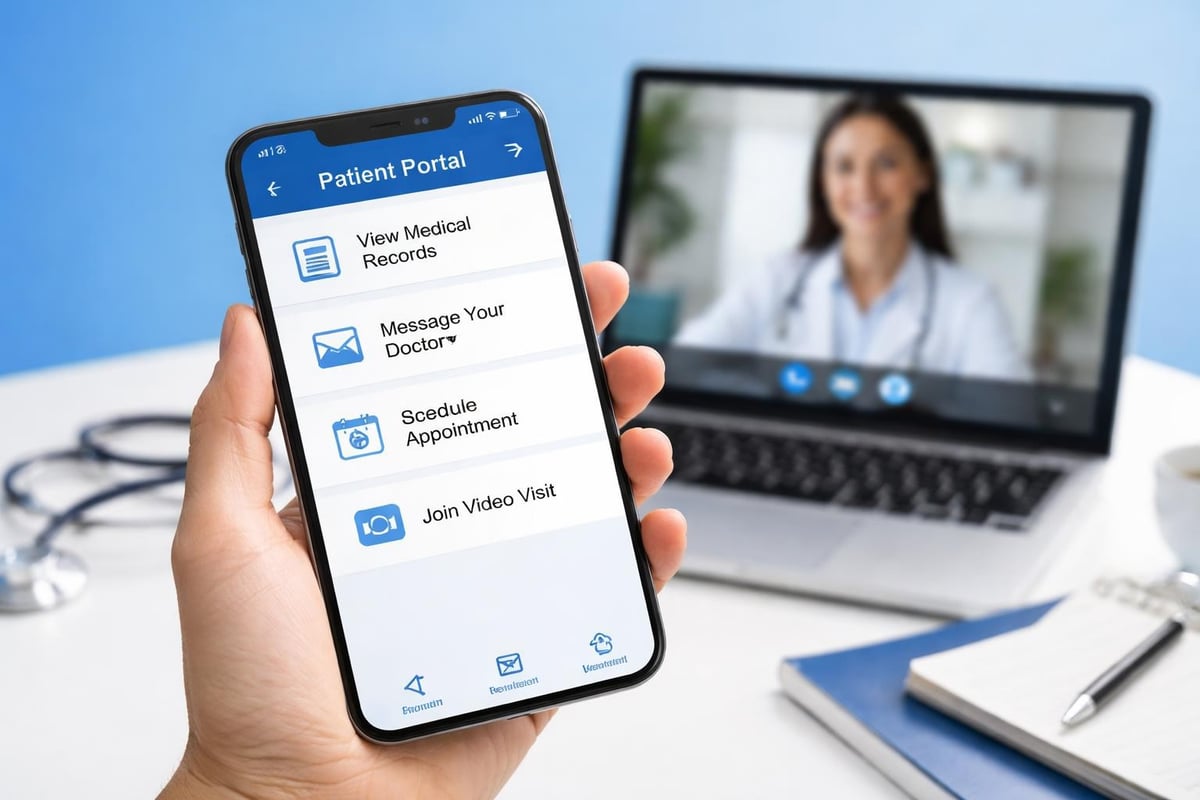
Modern healthcare increasingly relies on digital tools for communication, prescription management, and record access. A robust patient portal allows you to message your doctor, view test results, request prescription refills, and schedule appointments online.
Some practices offer telemedicine visits for certain conditions, providing convenient access without requiring office visits. This capability proved particularly valuable during recent years and continues to offer benefits for follow-up appointments, medication management, and minor acute concerns.
Technology Features to Evaluate
- Patient Portal Functionality – Can you access test results, medical records, and visit summaries?
- Secure Messaging – Is there a way to communicate with your doctor between visits?
- Online Scheduling – Can you book, modify, or cancel appointments digitally?
- Prescription Management – Does the system integrate with pharmacies for refill requests?
- Telehealth Options – Are virtual visits available when appropriate?
Technology should enhance rather than complicate healthcare access. eMedicineHealth provides advice on choosing a physician, including considerations about how practices use technology to improve patient care and communication.
Scheduling an Initial Consultation Visit
Many practices allow prospective patients to schedule meet-and-greet appointments before committing to establish care. These consultations let you evaluate the office environment, meet the physician, and ask questions about their approach to care.
Prepare specific questions addressing your priorities. If managing a chronic condition is paramount, ask about the physician's experience and treatment philosophy for that condition. If you value natural or integrative approaches, inquire about their openness to complementary therapies.
Questions to ask during your consultation:
- What is your approach to preventive care?
- How do you handle after-hours emergencies?
- What hospitals are you affiliated with?
- How quickly can you typically see patients with urgent concerns?
- Do you offer same-day appointments when needed?
- What ancillary services are available in-house?
- How do you coordinate care with specialists?
Pay attention to the entire office experience, not just the physician interaction. Friendly, organized staff who handle scheduling and billing efficiently contribute significantly to your overall satisfaction. Observe whether the office runs on schedule or consistently falls behind, as chronic delays suggest systemic issues.
Considering Family Healthcare Needs
Finding new primary care physician services for your entire family requires additional considerations. Some physicians specialize in specific age groups, while others provide care across the lifespan from pediatrics through geriatrics.
Family-focused practices offering care for all ages simplify healthcare management by consolidating appointments and creating familiarity for children who see the same doctor as their parents. This continuity also helps physicians understand family health patterns and genetic predispositions that influence care recommendations.
When you have diverse family needs, verify the physician's experience with different age groups and common conditions across the spectrum. A practice comfortable managing pediatric wellness visits, adult chronic disease, and elderly care coordination provides comprehensive support as your family's needs evolve.
Verifying Subspecialty Access and Referral Processes
Primary care physicians coordinate referrals to specialists when conditions exceed their scope of practice. Understanding how your potential physician handles these referrals helps you anticipate the process when specialty care becomes necessary.
Practices with subspecialty support integrated into their care model streamline referrals by facilitating direct communication between your primary physician and specialists. This proximity enables collaborative treatment planning and ensures everyone involved in your care stays informed about your status and treatment plan.
Ask about the referral process during your evaluation. Some insurance plans require formal referrals for specialist visits, while others allow self-referral. Understanding your physician's approach to referrals and whether they have established relationships with high-quality specialists in various fields provides peace of mind.
| Referral Aspect | What to Confirm | Why It Matters |
|---|---|---|
| Process Timeline | How quickly referrals are generated | Affects time to specialist care |
| Specialist Network | Which specialists they commonly use | Quality of referred providers |
| Communication | How information transfers to specialists | Continuity of care |
| Follow-up | How results return to primary care | Care coordination effectiveness |
Making Your Final Decision and Establishing Care
After researching credentials, visiting offices, and evaluating your options, trust your instincts about which physician feels right. The objective factors matter, but so does your comfort level and confidence in the relationship.
Once you've selected a physician, contact the office to complete new patient paperwork and schedule your initial appointment. Many practices require forms completed in advance, including medical history, current medications, and insurance information. Arriving prepared with this documentation streamlines your first visit.
Bring comprehensive information to your first appointment, including previous medical records if available, a list of current medications and supplements, and specific questions or concerns you want to address. This preparation helps your new physician understand your health status and begin building your care plan effectively.
The relationship with your primary care physician evolves over time. Give the partnership several visits before making final judgments, as initial awkwardness often resolves as familiarity develops. However, if fundamental communication problems or philosophical differences persist, don't hesitate to continue your search for better alignment.
Transitioning From Your Previous Physician
If you're switching from an existing primary care relationship, handle the transition professionally to ensure continuity of care. Request medical record transfers to provide your new physician with comprehensive background information about your health history, test results, and previous treatments.
Most practices can facilitate electronic record transfers, though some legacy systems still require paper documentation. Sign appropriate release forms authorizing your previous physician to share records with your new provider, and follow up to confirm the transfer completed successfully.
Maintain any ongoing prescriptions during the transition period. Contact your new physician's office before running out of essential medications to ensure they can authorize refills or provide bridge prescriptions while reviewing your care plan. Same-day appointment availability becomes particularly valuable during transitions when unexpected issues arise.
Finding new primary care physician services requires thoughtful evaluation of credentials, accessibility, communication style, and practice capabilities to ensure the relationship supports your long-term health goals. The investment in selecting the right physician pays dividends through coordinated care, preventive health management, and trusted guidance when health concerns arise. Dominion health offers comprehensive primary care for patients of all ages, with in-house ancillary services, subspecialty support, and same-day appointment availability to ensure you receive timely, coordinated care when you need it most.