

Choosing the right healthcare provider for your child represents one of the most important decisions parents make. A dedicated pediatrics care clinic offers specialized medical services tailored specifically to infants, children, and adolescents, addressing their unique physical, emotional, and developmental needs. Unlike general medical facilities, these specialized clinics focus exclusively on the growing bodies and minds of young patients, providing comprehensive care that evolves alongside your child from birth through their teenage years.
Understanding Pediatric Healthcare Services
A pediatrics care clinic provides far more than treatment for common childhood illnesses. These specialized facilities deliver comprehensive healthcare designed around the developmental stages of childhood. Medical professionals in these settings receive specific training in pediatric medicine, enabling them to recognize subtle signs of developmental delays, growth abnormalities, and age-specific health concerns that general practitioners might overlook.
Core Services Offered
Pediatric clinics typically provide an extensive range of services addressing every aspect of child health:
- Well-child visits and developmental screenings
- Immunization programs following CDC guidelines
- Acute illness treatment for infections and injuries
- Chronic disease management for asthma, diabetes, and allergies
- Behavioral and mental health consultations
- Nutrition counseling and growth monitoring
- Sports physicals and school health examinations
The integration of ancillary services within a single location streamlines care delivery significantly. Rather than coordinating appointments across multiple facilities, families access laboratory testing, imaging services, and specialist consultations under one roof. This coordinated approach reduces stress for both parents and children while ensuring seamless communication between healthcare providers.
The Importance of Specialized Pediatric Care
Children are not simply small adults. Their bodies process medications differently, their vital signs vary by age, and their psychological needs require specialized attention. According to research published in Pediatrics, evidence-based pediatric care significantly improves health outcomes throughout childhood and into adulthood.
Age-Appropriate Communication
Medical professionals at a pediatrics care clinic develop expertise in communicating with patients across developmental stages. A provider might use play therapy techniques with toddlers, visual aids with school-age children, and direct conversation with teenagers. This adaptive communication style helps children feel comfortable during medical visits, reducing anxiety and building trust.
Developmental considerations include:
- Infant care focusing on feeding, sleep patterns, and early reflexes
- Toddler assessments tracking language acquisition and motor skills
- Preschool evaluations monitoring social interaction and learning readiness
- School-age checkups addressing academic performance and peer relationships
- Adolescent care incorporating confidentiality and independence discussions
The Quick Reference Guide to Pediatric Care provides healthcare professionals with clinical solutions across nearly 200 areas, ensuring comprehensive coverage of pediatric health concerns.
Same-Day Appointments and Urgent Care
Children develop illnesses rapidly, and waiting days for medical attention often proves impractical for working families. A modern pediatrics care clinic recognizes this reality by offering same-day appointment availability for acute concerns. Whether your child develops a sudden fever, experiences an injury, or shows concerning symptoms, accessing prompt medical evaluation prevents complications and provides peace of mind.
| Service Type | Wait Time | Ideal For |
|---|---|---|
| Scheduled wellness visits | 2-4 weeks | Annual physicals, immunizations, developmental screenings |
| Same-day sick visits | 24 hours | Fevers, infections, minor injuries, rashes |
| Walk-in urgent care | No appointment needed | Sudden illnesses requiring immediate attention |
| Virtual consultations | Same day | Follow-up questions, medication adjustments, minor concerns |
This flexibility particularly benefits families managing multiple children, demanding work schedules, or unexpected health concerns requiring immediate professional assessment.
Integration with Specialty Support
Complex pediatric conditions often require subspecialty expertise. Progressive pediatrics care clinics maintain relationships with pediatric specialists, facilitating referrals when advanced care becomes necessary. This coordinated network ensures children receive expert evaluation without parents navigating confusing healthcare systems independently.
Common specialty referrals include:
- Pediatric cardiology for heart murmurs or congenital conditions
- Pediatric endocrinology addressing diabetes or growth disorders
- Pediatric gastroenterology managing digestive system issues
- Pediatric pulmonology treating asthma and respiratory conditions
- Developmental pediatricians evaluating autism spectrum disorders
The seamless coordination between primary pediatric care and specialty support creates a comprehensive healthcare ecosystem centered on your child's wellbeing.
Preventive Care and Health Maintenance
Prevention forms the foundation of pediatric medicine. Regular wellness examinations allow healthcare providers to identify potential health issues before they become serious problems. These visits track growth patterns, assess developmental milestones, update immunizations, and provide anticipatory guidance for upcoming developmental stages.
Immunization Programs
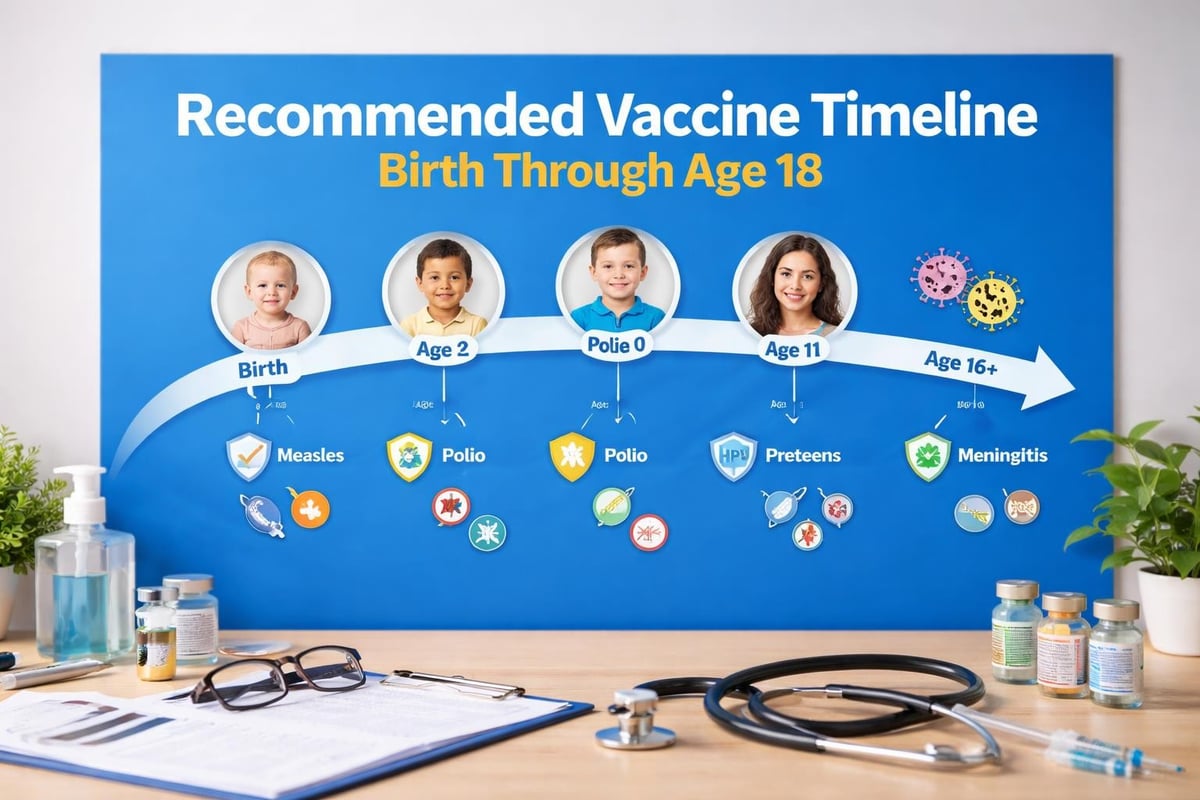
Vaccine-preventable diseases once caused significant childhood mortality. Today's comprehensive immunization schedules protect children from numerous serious illnesses. A pediatrics care clinic maintains updated vaccination protocols aligned with recommendations from the Centers for Disease Control and Prevention and the American Academy of Pediatrics.
Key vaccination milestones:
- Birth: Hepatitis B (first dose)
- 2 months: DTaP, Hib, IPV, PCV, Rotavirus
- 6 months: Influenza (annual thereafter)
- 12-15 months: MMR, Varicella, Hepatitis A
- 11-12 years: Tdap, HPV, Meningococcal
Parents seeking trustworthy information about childhood immunizations can consult HealthyChildren.org, which emphasizes consulting pediatricians and reputable sources for accurate health guidance.
Developmental Screening
Monitoring developmental progress ensures children reach age-appropriate milestones in physical growth, cognitive function, social skills, and emotional regulation. Healthcare providers use standardized screening tools to assess development objectively, identifying delays early when interventions prove most effective.
Developmental domains assessed include:
| Domain | Assessment Focus | Red Flags |
|---|---|---|
| Gross motor | Walking, running, jumping, balance | Delayed walking, poor coordination after age 2 |
| Fine motor | Grasping, writing, manipulating objects | Difficulty holding utensils, inability to draw shapes by age 4 |
| Language | Speech clarity, vocabulary, comprehension | Limited words by age 2, unclear speech by age 3 |
| Social-emotional | Interaction with peers, emotional regulation | Lack of eye contact, inability to play cooperatively by age 4 |
| Cognitive | Problem-solving, memory, learning | Difficulty following simple instructions, limited pretend play |
Early identification of developmental concerns enables timely referral to early intervention services, speech therapy, occupational therapy, or other supportive resources.
Managing Chronic Conditions in Children
Approximately 27% of American children live with chronic health conditions requiring ongoing medical management. A comprehensive pediatrics care clinic provides continuity of care for children managing asthma, diabetes, food allergies, ADHD, and other long-term health concerns.
Coordinated Care Plans
Chronic condition management requires consistent monitoring, medication adjustments, and family education. Pediatric healthcare providers develop individualized care plans addressing medical treatment, lifestyle modifications, school accommodations, and emergency protocols. This comprehensive approach empowers families to manage conditions confidently while maintaining quality of life.
Effective chronic care includes:
- Regular monitoring appointments tracking disease progression
- Medication management optimizing treatment effectiveness
- Patient and family education promoting self-management skills
- School coordination ensuring appropriate accommodations
- Emergency action plans preparing families for acute episodes
The integration of ancillary services within the pediatrics care clinic streamlines chronic disease management significantly. Laboratory testing, pulmonary function tests, and nutritional counseling occur during single visits rather than requiring multiple appointments across different locations.
Family-Centered Healthcare Approach
Modern pediatric medicine recognizes that treating children effectively requires engaging entire families. Healthcare providers partner with parents and caregivers, respecting their expertise regarding their children while providing medical guidance. This collaborative relationship builds trust and improves adherence to treatment recommendations.

Parental Education and Support
Parents constantly navigate questions about child health, from selecting appropriate nutrition to managing behavioral challenges. A quality pediatrics care clinic provides educational resources addressing common parenting concerns, offering evidence-based guidance rather than conflicting internet advice.
Educational topics commonly addressed:
- Infant feeding strategies including breastfeeding support
- Sleep training methods and age-appropriate sleep schedules
- Discipline approaches promoting positive behavior
- Screen time recommendations for different age groups
- Injury prevention and home safety measures
- Nutrition guidance for picky eaters
Healthcare professionals reference resources like Pediatric Care Online, which combines essential tools into comprehensive subscriptions supporting patient education initiatives.
Cultural Sensitivity and Inclusivity
Children and families come from diverse backgrounds with varying beliefs, traditions, and healthcare practices. Culturally competent pediatric care respects these differences while delivering evidence-based medicine. Providers who understand cultural contexts build stronger therapeutic relationships and achieve better health outcomes.
Transitioning Through Developmental Stages
Pediatric care evolves as children grow, addressing age-specific health concerns and preventive strategies. Healthcare providers familiar with your child's complete medical history can identify concerning patterns and provide personalized recommendations.
Infancy and Early Childhood
The first years of life involve rapid growth and development. Frequent well-child visits during this period monitor weight gain, developmental milestones, and feeding practices. Healthcare providers screen for vision and hearing problems, assess motor skill development, and provide vaccination protection against serious diseases.
School-Age Children
Elementary school brings new health considerations including academic performance, social relationships, and increased physical activity. Annual examinations ensure children maintain healthy growth patterns while addressing concerns like vision problems affecting learning, obesity prevention, and sports-related injuries.
Adolescent Medicine
Teenage years introduce unique health challenges requiring specialized approaches. Adolescent medicine addresses puberty, reproductive health, mental health concerns, substance abuse prevention, and chronic disease management during transition to adulthood. Healthcare providers balance involving parents while respecting adolescent privacy and autonomy.
The American Academy of Pediatrics publishes evidence-based research guiding best practices across all developmental stages, ensuring healthcare providers deliver current, effective care.
Accessibility and Convenience for Families
Healthcare access challenges significantly impact pediatric health outcomes. Working parents struggle scheduling appointments during traditional business hours, and coordinating care across multiple providers creates logistical complexity. Modern pediatrics care clinics address these barriers through flexible scheduling, extended hours, and integrated services.
Streamlined Healthcare Delivery
Consolidating primary care, laboratory services, imaging, and specialty consultations within a single facility offers tremendous convenience for busy families. Children receive comprehensive evaluations without parents taking multiple days off work or arranging separate transportation to various medical offices.
Benefits of integrated services:
- Single medical record accessible to all providers
- Coordinated treatment plans avoiding conflicting recommendations
- Reduced wait times between referral and specialist evaluation
- Simplified billing and insurance processing
- Familiar environment reducing child anxiety
Technology in Modern Pediatric Practice
Contemporary pediatrics care clinics leverage technology improving care quality and accessibility. Electronic health records enable providers to track vaccination histories, growth charts, and medication lists comprehensively. Telehealth options provide convenient access to medical advice for minor concerns not requiring in-person examination.
Patient portals allow parents to:
- Schedule appointments online
- Request prescription refills
- Review test results
- Communicate with healthcare providers
- Access educational resources
These digital tools enhance communication between families and healthcare teams while reducing administrative barriers to accessing care.
Resources like those provided by the Florida Chapter of the American Academy of Pediatrics help practices stay current with evolving tools and medical guidance supporting high-quality pediatric care delivery.
Building Long-Term Healthcare Relationships
Continuity of care produces superior health outcomes. When the same healthcare provider follows a child throughout development, they develop deep familiarity with individual health patterns, family dynamics, and unique needs. This longitudinal relationship enables early recognition of concerning changes and personalized medical recommendations.
Parents benefit from established relationships with trusted healthcare providers who understand their concerns, communication preferences, and healthcare values. This trust foundation supports difficult conversations about sensitive topics including mental health, substance use, and reproductive health.
Children who maintain consistent relationships with healthcare providers demonstrate:
- Higher vaccination completion rates
- Better chronic disease management
- Improved preventive care utilization
- Reduced emergency department visits
- Enhanced health literacy and self-advocacy skills
Quality pediatric healthcare requires specialized expertise, comprehensive services, and family-centered approaches that address the unique needs of growing children. When you need accessible, expert care for your child's health concerns, Dominion health provides primary care services for patients of all ages with in-house ancillary services, specialty support, and same-day appointment availability. Our integrated approach ensures your entire family receives coordinated, convenient healthcare when you need it most.