
Finding the right healthcare provider for your family represents one of the most important decisions you'll make for your long-term health and wellness. When searching for "family doctors around me," you're not just looking for convenient proximity. You're seeking a trusted medical professional who can serve as your health partner for years to come, someone who understands your medical history, anticipates your needs, and provides comprehensive care for every member of your family. The search process may feel overwhelming, but understanding what to look for and how to evaluate your options will help you make an informed choice that benefits your entire household.
Understanding the Role of Family Medicine in Modern Healthcare
Family medicine practitioners serve as the cornerstone of the American healthcare system, providing continuous and comprehensive care across all ages, genders, and disease categories. These physicians receive extensive training to manage a wide spectrum of health conditions, from routine checkups and immunizations to chronic disease management and minor emergency care.
When you search for family doctors around me, you're looking for a medical professional who can become familiar with your complete health picture. This continuity of care offers significant advantages:
- Comprehensive medical records that track your health journey over time
- Personalized prevention strategies based on your family history and risk factors
- Coordinated specialist referrals when advanced care becomes necessary
- Reduced healthcare costs through preventive care and early intervention
- Streamlined communication with a single point of contact for most health concerns
The value of establishing a relationship with a family physician extends beyond treating illness. Choosing the right family doctor involves finding someone who invests in keeping you healthy, not just addressing problems after they arise.

What Makes a Quality Family Practice
Modern family practices have evolved significantly from the traditional doctor's office model. Today's top-tier facilities offer integrated services that address multiple healthcare needs under one roof, making it easier to manage your family's health efficiently.
Quality indicators to evaluate include:
Practice Infrastructure
- Advanced diagnostic equipment and laboratory services
- Electronic health records for seamless information sharing
- Clean, well-maintained facilities with accessible locations
- Adequate parking and public transportation options
Service Offerings
- Same-day appointments for urgent concerns
- Extended hours for working families
- Preventive care programs and wellness screenings
- Chronic disease management protocols
- Minor procedure capabilities
Patient Support
- Clear communication channels including patient portals
- Multilingual staff when relevant to your community
- Insurance verification and billing support
- Coordination with specialists and hospitals
Evaluating Credentials and Experience
Professional qualifications form the foundation of competent medical care. When searching for family doctors around me, verifying credentials should be among your first steps. Board certification demonstrates that a physician has completed rigorous training and passed comprehensive examinations in their specialty.
| Credential Type | What It Means | Why It Matters |
|---|---|---|
| Board Certification | Passed specialty exams | Demonstrates current knowledge |
| Medical School | Accredited institution | Foundation of medical education |
| Residency Training | Supervised practice | Hands-on experience |
| Continuing Education | Ongoing learning | Stays current with advances |
Beyond basic qualifications, consider the physician's experience with conditions relevant to your family. A doctor who regularly treats diabetes, hypertension, or pediatric conditions will bring deeper expertise to managing these issues. Understanding healthcare provider credentials helps you make informed comparisons between different practices.
Hospital Affiliations and Network Relationships
The quality of a family doctor's hospital affiliations matters significantly. Should you need hospitalization, emergency care, or specialist consultation, your family physician's professional relationships facilitate smoother transitions and better coordinated care.
Investigate which hospitals your potential physician works with and whether those facilities meet your standards for quality and accessibility. Strong specialist networks also prove valuable when you need referrals for conditions beyond the scope of primary care.
Accessibility and Convenience Factors
Location matters tremendously when selecting a family practice. The most qualified physician in your region won't serve your needs well if getting appointments proves consistently difficult or if travel time creates significant barriers to regular care.
Geographic Proximity and Transportation
When evaluating family doctors around me, consider realistic travel times during different times of day. A practice that's ten minutes away during off-peak hours might require thirty minutes during your typical appointment times.
Think about:
- Driving time from home and work
- Parking availability and costs
- Public transportation access
- Accessibility for family members with mobility challenges
- Proximity to pharmacies and diagnostic centers
Appointment Availability and Scheduling Flexibility
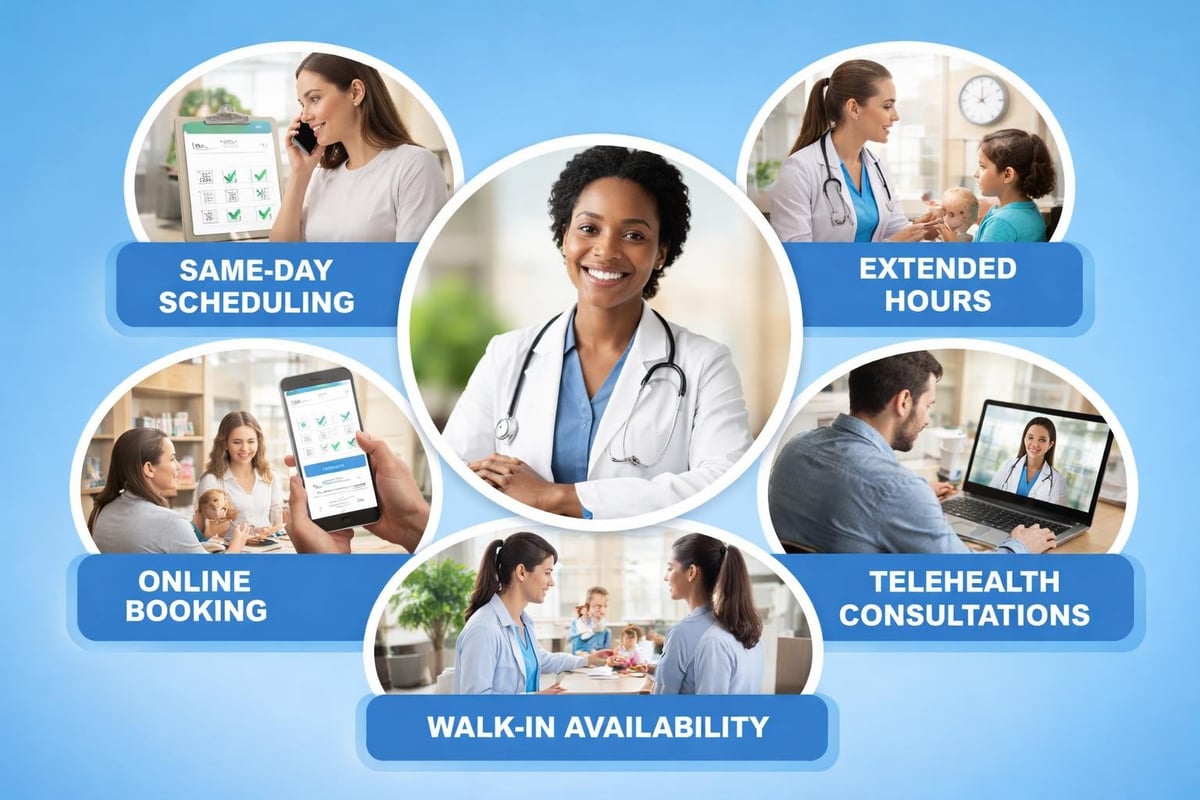
Modern life demands healthcare providers who accommodate busy schedules. The best family practices understand that illness doesn't wait for convenient times and that preventive care shouldn't require taking entire days off work.
Essential scheduling features include:
- Same-day appointments for acute illnesses and urgent concerns
- Early morning or evening hours for working professionals
- Weekend availability for families juggling weekday commitments
- Online scheduling systems for convenient appointment booking
- Reasonable wait times both for appointments and in the office
Quick tips for choosing a doctor emphasize the importance of practical accessibility alongside clinical qualifications.
Insurance Compatibility and Cost Considerations
Healthcare costs represent a significant concern for most families. Before committing to a family practice, verify that they accept your insurance plan and understand what services fall under covered benefits versus out-of-pocket expenses.
Insurance Network Verification
Contact your insurance provider to confirm that your potential family doctor participates in your plan's network. In-network providers offer:
- Lower copayments and deductibles
- Higher percentage of covered services
- Simplified claims processing
- Protection from balance billing
Out-of-network care can cost substantially more, potentially making even excellent physicians financially impractical for regular use.
Transparent Pricing and Billing Practices
Quality practices maintain clear communication about costs, billing procedures, and payment expectations. During your initial contact, ask about:
- Office visit copayments
- Laboratory and diagnostic testing fees
- Vaccination and preventive care coverage
- Payment plans for larger expenses
- Billing dispute resolution processes
Communication Style and Patient-Centered Care
The clinical relationship between you and your family physician relies heavily on effective communication. Technical expertise matters immensely, but so does the ability to explain complex medical information in understandable terms and to listen carefully to patient concerns.
Assessing Communication Approaches
During initial consultations or meet-and-greet appointments, pay attention to how the physician interacts with you:
Positive Communication Indicators
- Actively listens without interrupting
- Asks open-ended questions about your concerns
- Explains diagnoses and treatments clearly
- Welcomes your questions and addresses them thoroughly
- Respects your values and preferences in treatment decisions
- Maintains appropriate eye contact and engaged body language
Warning Signs
- Rushes through appointments without addressing all concerns
- Uses excessive medical jargon without explanation
- Dismisses or minimizes symptoms you report
- Makes unilateral decisions without discussing options
- Shows impatience with questions
Cultural Competency and Personal Fit
Healthcare outcomes improve when patients feel comfortable discussing sensitive health issues. Consider whether a practice demonstrates cultural awareness, respects diverse backgrounds, and creates an inclusive environment for all patients.
Personal chemistry matters too. You need to trust your family physician with intimate health information and follow their guidance on important decisions. If something feels off during initial interactions, keep looking. Finding a good doctor requires both objective evaluation and subjective comfort.
Technology Integration and Modern Medical Tools
Contemporary medical practices leverage technology to improve care quality, enhance communication, and streamline administrative processes. When searching for family doctors around me, evaluate how effectively practices integrate modern tools into patient care.
| Technology Feature | Patient Benefits | Impact on Care |
|---|---|---|
| Patient Portals | Access records, message providers, view results | Improved engagement and communication |
| Electronic Prescribing | Faster pharmacy fulfillment, fewer errors | Better medication management |
| Telehealth Options | Remote consultations for minor issues | Increased accessibility |
| Digital Imaging | Immediate results, easy sharing | Faster diagnosis |
| Automated Reminders | Preventive care notifications | Better health maintenance |
Integrated technology doesn't replace human interaction but rather enhances it by reducing administrative burdens and improving information accuracy.
Ancillary Services and Comprehensive Care Models
The most efficient family practices offer multiple services at a single location, eliminating the need to visit separate facilities for routine tests, minor procedures, or specialist consultations. This integrated approach saves time, reduces costs, and ensures better care coordination.
In-house capabilities to look for include:
- Laboratory testing and blood work
- Diagnostic imaging (X-rays, ultrasounds)
- Minor surgical procedures
- Physical therapy or rehabilitation services
- Nutritional counseling
- Behavioral health support
- Specialist consultations
Having these services available where you already receive primary care creates seamless healthcare experiences and facilitates better communication between different providers involved in your treatment.

Research and Patient Reviews
Online resources provide valuable insights when evaluating family doctors around me. Patient reviews, while subjective, often reveal patterns regarding wait times, staff courtesy, billing practices, and overall satisfaction that help inform your decision.
Where to Find Reliable Information
Check multiple sources for a balanced perspective:
- Professional licensing boards verify credentials and reveal disciplinary actions
- Hospital websites list affiliated physicians and their specialties
- Review platforms aggregate patient experiences and ratings
- Insurance provider directories show in-network doctors with basic information
- Medical association websites confirm board certifications
Medical resources for choosing healthcare providers offer guidance on interpreting different types of information and weighing various factors appropriately.
Interpreting Patient Feedback Effectively
When reading reviews, look beyond numerical ratings to understand the context behind patient experiences. A few negative reviews among many positive ones shouldn't necessarily eliminate a candidate, particularly if complaints focus on minor issues like parking difficulties rather than clinical competence.
Pay special attention to comments about:
- How the practice handles emergencies and urgent needs
- Communication effectiveness and empathy
- Follow-up care and ongoing support
- Billing accuracy and transparency
- Staff professionalism throughout the office
Conducting Your Initial Consultation
Most practices welcome prospective patients to schedule meet-and-greet appointments or phone consultations. These interactions provide opportunities to assess whether a physician and practice align with your needs and preferences.
Questions to Ask During Your Visit
Come prepared with specific questions that address your priorities:
About the Practice
- What same-day appointment availability do you offer?
- How do you handle after-hours emergencies?
- Which hospitals are you affiliated with?
- What ancillary services do you provide in-house?
About Care Philosophy
- How do you approach preventive care?
- What's your philosophy on specialist referrals?
- How do you stay current with medical advances?
- How do you involve patients in treatment decisions?
About Logistics
- What insurance plans do you accept?
- How long are typical appointments?
- How do you communicate test results?
- What are your prescription refill procedures?
Tips for choosing a family medicine doctor recommend evaluating both clinical expertise and practical factors that affect your ongoing relationship with the practice.
Making Your Final Decision
After researching options, verifying credentials, and conducting initial consultations, you'll need to synthesize all this information into a final choice. Trust your instincts while also weighing objective factors.
Prioritizing What Matters Most
Different families have different priorities. Create a personal ranking of factors based on your specific situation:
For Young Families
- Pediatric expertise and child-friendly environment
- Vaccination schedules and developmental screenings
- Flexible scheduling for sick children
- Family-centered care approaches
For Managing Chronic Conditions
- Experience with your specific condition
- Care coordination capabilities
- Regular monitoring and follow-up systems
- Access to specialists and support services
For Busy Professionals
- Extended hours and same-day availability
- Efficient appointment systems
- Telehealth options
- Minimal wait times
Your ideal family practice should excel in the areas that matter most to your household while meeting acceptable standards in other categories.
Transitioning to a New Practice
Once you've selected your family physician, facilitate a smooth transition by:
- Requesting medical records transfer from previous providers
- Completing new patient paperwork before your first appointment
- Bringing current medication lists and recent test results
- Scheduling a comprehensive initial visit to establish baseline health status
- Setting up patient portal access for ongoing communication
The relationship with your family doctor evolves over time. Give the partnership several visits before making final judgments, as initial impressions sometimes change as familiarity develops.
The Value of Preventive Care and Regular Checkups
One of the primary benefits of establishing care with family doctors around me involves access to comprehensive preventive services. Regular checkups identify health risks before they become serious problems, saving both money and suffering in the long term.
Preventive services your family doctor should provide include:
- Age-appropriate health screenings (blood pressure, cholesterol, cancer screenings)
- Immunization updates for children and adults
- Wellness counseling on nutrition, exercise, and lifestyle factors
- Mental health assessments and support
- Chronic disease risk evaluation and management
These proactive measures keep families healthier and reduce the likelihood of expensive emergency care or hospitalizations.
Finding the right family physician requires careful evaluation of credentials, accessibility, communication style, and comprehensive service offerings. By taking time to research options, verify qualifications, and assess personal fit, you position your family for better health outcomes and more satisfying healthcare experiences. Dominion health offers comprehensive primary care for patients of all ages, featuring in-house ancillary services, specialist support, and same-day appointment availability to meet your family's healthcare needs efficiently and effectively.