
Across the world, glp1 medications are transforming how we approach diabetes and obesity, offering new hope for better health outcomes. In recent years, these therapies have advanced rapidly, with more options and expanded uses expected by 2026.
As choices grow, patients, caregivers, and healthcare professionals need a clear, reliable handbook to navigate glp1 options confidently. This guide is designed to provide straightforward answers about glp1 basics, benefits, risks, and the latest innovations.
You will find practical steps for starting therapy, integrating lifestyle changes, and a preview of what the future holds. Let’s explore the essential facts you need to make informed decisions about glp1 treatment in the coming year.
Understanding GLP-1: What It Is and How It Works
Glp1 has become a central focus in the treatment of both diabetes and obesity. To understand why, it is important to look at what glp1 is, how it functions in the body, and how medications that target this pathway have changed metabolic care.

The Science Behind GLP-1 Agonists
Glp1 stands for glucagon-like peptide-1, a hormone made in the gut after eating. Its main job is to help manage blood sugar by boosting insulin release and slowing down how quickly food leaves the stomach. Glp1 also signals the brain to reduce hunger, which is why it is so effective for both glucose control and appetite suppression.
Medications called glp1 receptor agonists are designed to mimic or enhance the effects of this natural hormone. Unlike older diabetes drugs, glp1 agonists work by directly targeting the pathways involved in both blood sugar and weight regulation. This dual action makes them unique compared to traditional therapies, which often focus on just one aspect of metabolic health.
Some of the best-known glp1 agonists include semaglutide, liraglutide, and dulaglutide, all of which have received FDA approval for treating type 2 diabetes and, more recently, obesity. For example, clinical trials published in 2023 showed that patients taking these medications experienced up to 15 percent reductions in body weight on average, a result rarely seen with other drug classes.
What sets glp1 drugs apart is their broad impact on metabolic health. They not only lower blood sugar but also help reduce the risks linked to obesity, such as heart disease. According to recent breakthroughs, GLP-1 agonists in obesity treatment are changing the landscape for patients with chronic conditions, improving quality of life and long-term health outcomes.
Types of GLP-1 Medications Available in 2026
By 2026, the range of glp1 medications is broader than ever. Patients and providers can choose from several leading glp1 drugs, available in both injectable and oral forms. Semaglutide and dulaglutide remain popular, but newer oral glp1 options are making treatment more convenient.
Comparing these medications involves looking at dosing schedules, how effective they are, and what side effects patients might experience. Some glp1 drugs are taken once weekly, while others require daily dosing. Side effects often include mild gastrointestinal symptoms, though most are temporary and manageable.
Here is a summary table of key glp1 options:
| Drug Name | Delivery Form | Dosing Frequency | FDA Indications |
|---|---|---|---|
| Semaglutide | Injectable, Oral | Weekly, Daily | Diabetes, Obesity |
| Liraglutide | Injectable | Daily | Diabetes, Obesity |
| Dulaglutide | Injectable | Weekly | Diabetes |
| Danuglipron | Oral (in trials) | Daily | Diabetes (pending) |
New entrants are expected to expand the list, with pipeline drugs aiming for even better results and fewer side effects. Prescription trends show a steady rise in glp1 use, reflecting their proven benefits and growing acceptance among healthcare professionals.
As glp1 therapies evolve, their potential to treat a wider range of metabolic disorders continues to grow. Patients now have more options, better outcomes, and a brighter outlook for managing diabetes and obesity.
Who Should Consider GLP-1 Therapy? Eligibility, Benefits, and Risks
Choosing glp1 therapy can be a significant step for many individuals aiming to address type 2 diabetes or obesity. Understanding who benefits most from glp1 medications, as well as their potential risks, is vital for patients, caregivers, and healthcare professionals.

Patient Profiles: Diabetes, Obesity, and Beyond
Glp1 therapy is primarily indicated for adults with type 2 diabetes who have not achieved optimal control with diet, exercise, and first-line medications like metformin. It is also recommended for individuals with obesity, typically defined as a BMI of 30 or higher, or 27 or higher with weight-related health conditions.
Recent years have seen glp1 medications expand into new areas. Emerging research and clinical guidelines now support use in patients with cardiovascular disease and those at high risk for complications. Some providers consider glp1 for prediabetes, nonalcoholic fatty liver disease, or even in people with a lower BMI who have significant metabolic risks.
The benefits of glp1 therapy are well documented. Clinical studies consistently show improved blood glucose levels, significant weight loss, and reduced cardiovascular events. For example, many patients experience up to 15% body weight reduction when using glp1 medications in combination with lifestyle changes. Success stories often highlight improvements in quality of life, mobility, and long-term health outcomes.
Guidelines from major organizations, such as the ADA, EASD, and AACE, have updated their recommendations for 2024 and 2025. These updates reflect the growing evidence base and broader eligibility criteria for glp1 therapy. For a comprehensive look at authoritative global recommendations, review the WHO GLP-1 Therapy Guidelines.
Potential Risks and Contraindications
While glp1 medications offer substantial benefits, patients and providers must be aware of potential risks. The most common side effects include nausea, vomiting, and gastrointestinal discomfort, especially during the initial weeks of glp1 therapy. These symptoms usually lessen as the body adjusts to the medication.
Rare but serious risks have also been identified. Pancreatitis is a concern, and there are warnings about the potential for thyroid C-cell tumors, particularly in those with a personal or family history of certain cancers. Clinical trial data suggest these events are uncommon, but they warrant careful screening and monitoring.
Contraindications for glp1 therapy include a history of medullary thyroid carcinoma, multiple endocrine neoplasia syndrome type 2, or severe gastrointestinal disease. Drug interactions can occur, especially with medications that slow gastric emptying or have overlapping side effect profiles. Regular follow-up visits, lab testing, and clear communication with the healthcare team are essential for safe, long-term glp1 use.
For most eligible patients, the benefits of glp1 therapy outweigh the risks when proper monitoring and support are in place. Open dialogue helps ensure that therapy remains safe, effective, and aligned with individual health goals.
Step-by-Step Guide: Starting and Managing GLP-1 Therapy in 2026
Embarking on glp1 therapy in 2026 is a structured process that maximizes safety, efficacy, and patient empowerment. This step-by-step guide walks you through every stage, from your first consultation to ongoing management, so you can make informed decisions and achieve the best possible results.
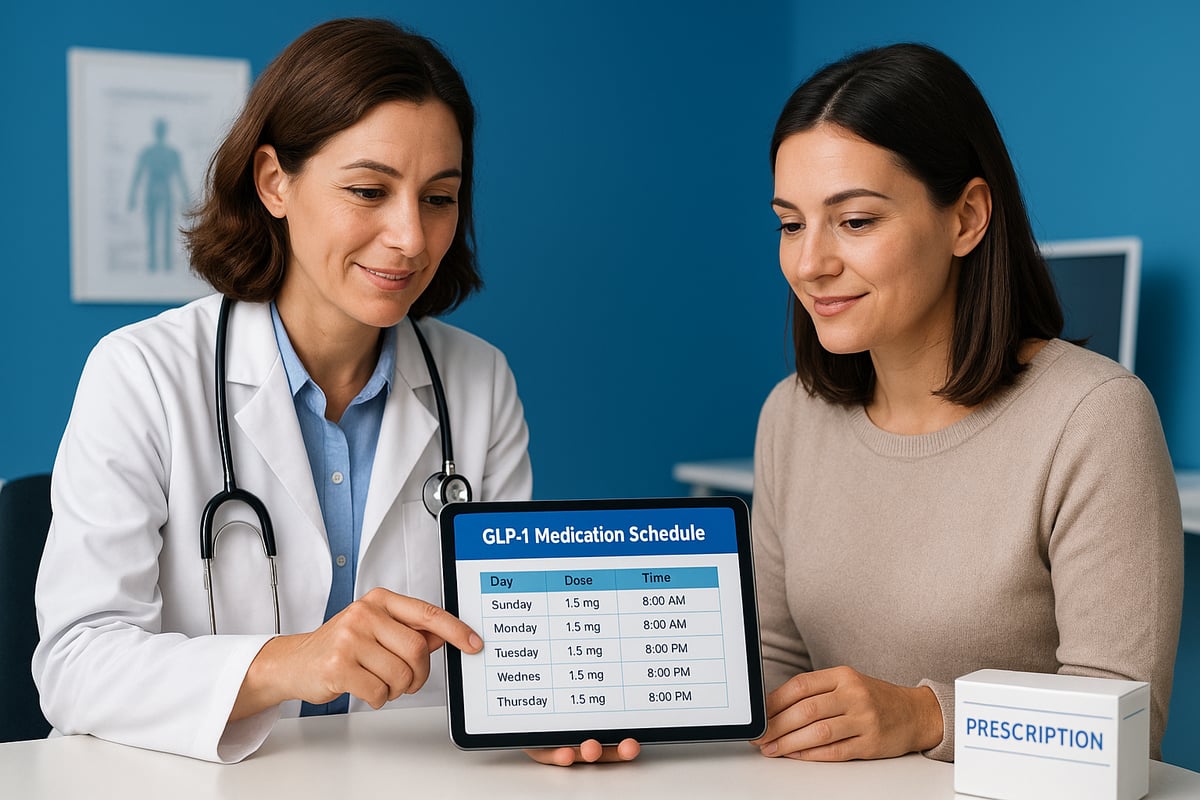
Step 1: Consultation and Baseline Assessment
The journey with glp1 therapy begins with a thorough medical evaluation. Your healthcare provider will review your medical history, current medications, and any past experiences with diabetes or weight management treatments.
Expect a series of lab tests, including A1C, kidney function, and lipid panels. These results help determine if glp1 therapy is appropriate for you and set personalized goals for blood sugar, weight, and related conditions.
It is essential to discuss insurance coverage and potential out-of-pocket costs. Many patients need prior authorization, so gathering documentation can speed up approval. Use this time to clarify your expectations and concerns about glp1 medications.
A checklist for your initial appointment:
- Bring a list of all current medications and supplements.
- Record recent blood sugar and blood pressure readings.
- Prepare questions about glp1 risks, benefits, and alternatives.
Your provider will help you understand the commitment and outline next steps for a successful glp1 start.
Step 2: Initiating GLP-1 Treatment
Once you are cleared for glp1 therapy, selecting the right medication is crucial. Your provider will consider your medical profile, lifestyle, and preferences for injectable versus oral forms.
Dosing typically starts low, with gradual increases to minimize side effects. Your provider will explain titration schedules and demonstrate proper administration techniques, whether you use a pen injector or oral tablet.
Patient education is fundamental. Learn how to self-inject or take your glp1 medication correctly, and know what to expect during the first weeks. Mild gastrointestinal effects are common at the start, but these often improve with time.
For further details on dosing, administration, and clinical best practices, consult the GLP-1 Therapy Clinical Guidelines, which outline current recommendations for safe and effective glp1 use.
Step 3: Monitoring Progress and Adjusting Therapy
After starting glp1 therapy, ongoing monitoring is essential. Track your blood glucose, weight, and any side effects using a digital health app or a simple log. Regular follow-up visits allow your provider to assess your progress and address any concerns.
Dose adjustments may be required if you experience persistent side effects or if your blood sugar targets are not met. Your provider may recommend switching to a different glp1 medication or altering the dosing schedule based on your response.
A sample tracking table:
| Metric | Baseline | Week 4 | Week 8 | Week 12 |
|---|---|---|---|---|
| Weight (kg) | ||||
| A1C (%) | ||||
| GI Symptoms |
Telehealth options make glp1 therapy more accessible, allowing you to report results remotely. Digital monitoring tools can enhance communication and support timely adjustments, ensuring therapy remains both safe and effective.
Step 4: Managing Side Effects and Troubleshooting
Managing side effects is a key part of glp1 therapy. The most common issues are gastrointestinal, such as nausea or mild stomach discomfort. Simple strategies like eating smaller, more frequent meals and staying hydrated can help.
If you notice severe symptoms such as persistent vomiting or intense abdominal pain, contact your healthcare provider immediately. Early recognition of rare but serious complications, like pancreatitis, is vital.
Support resources can make a significant difference. Join patient communities, seek guidance from pharmacists, or consult with your care team for advice on managing glp1 side effects. These support systems foster confidence and improve the long-term success of glp1 treatment.
Remember, regular communication with your provider and proactive management are the cornerstones of a safe and effective glp1 journey.
Integrating GLP-1 Therapy with Lifestyle and Other Treatments
GLP-1 therapy offers powerful benefits for metabolic health, but its true potential is unlocked when paired with the right lifestyle choices and a comprehensive care plan. Integrating glp1 into daily routines requires attention to nutrition, activity, medication safety, and emotional well-being.

Nutrition and Physical Activity for GLP-1 Users
For patients using glp1 therapy, nutrition is a cornerstone of success. Focus on balanced meals rich in protein and fiber, which help manage satiety and support healthy digestion. Adequate hydration is essential, especially as glp1 medications can alter appetite and gastrointestinal function.
Physical activity is equally important. Aim for at least 150 minutes of moderate exercise per week, combining aerobic and strength training. Routine movement enhances weight loss and glycemic control, creating a synergistic effect with glp1 therapy.
Behavioral interventions, such as meal planning or working with a dietitian, can further amplify results. Integrating glp1 with these strategies sets the stage for sustainable health improvements. For more detailed guidance on achieving your weight goals with glp1, explore these weight loss treatment options.
Combining GLP-1 with Other Medications
Many patients on glp1 therapy also take additional medications for diabetes or related conditions. It's important to understand safe combinations and avoid potential drug interactions.
GLP-1 can be used alongside metformin, SGLT2 inhibitors, and sometimes insulin, but your care team should monitor for hypoglycemia or overlapping side effects. Polypharmacy risks increase when multiple agents are involved, so regular medication reviews are crucial.
In practice, multi-drug regimens are tailored to each patient's needs. Document all medications, including over-the-counter supplements, and communicate changes promptly. This proactive approach ensures that glp1 therapy remains both safe and effective throughout your treatment journey.
Psychological and Social Support
Adjusting to glp1 therapy involves more than physical changes. Emotional well-being and social support play significant roles in long-term success.
Weight loss and chronic disease management can trigger a range of feelings, from excitement to frustration. Engaging in group support, counseling, or digital peer networks can help patients stay motivated and resilient. Studies show that individuals with strong support systems are more likely to adhere to glp1 therapy and achieve their goals.
Healthcare providers can connect you with resources and communities tailored to glp1 users. Remember, addressing the psychological aspects of treatment is just as vital as managing the physical ones.
Innovations and the Future of GLP-1 Therapy: What to Expect by 2026
The future of glp1 therapy is rapidly unfolding, promising new possibilities for patients and healthcare providers. By 2026, breakthroughs in drug formulations, expanded use cases, and digital integration will redefine how glp1 treatments are delivered and monitored. This section explores what is on the horizon for glp1 therapy, from next-generation medications to personalized care advancements.
Next-Generation GLP-1 Drugs and Delivery Systems
The glp1 field is entering an era of remarkable innovation. Several pipeline drugs are in late-stage development, including dual and triple agonists that target multiple metabolic pathways for enhanced results. Extended-release injectables and oral glp1 therapies are also advancing, making treatment more convenient for patients.
A recent Oral GLP-1 Agonist Clinical Trial demonstrated the safety and efficacy of danuglipron, an oral glp1 medication for type 2 diabetes. This trial highlighted promising outcomes and fewer injection-related barriers, signaling a shift toward easier-to-use options.
By 2026, micro-needle patches may become available, offering pain-free administration. Anticipated FDA approvals for new formulations and combination therapies are expected to broaden glp1 choices further. The table below summarizes emerging drug types:
| Drug Type | Delivery | Potential Benefits |
|---|---|---|
| Dual/Triple Agonists | Injectable | Greater efficacy |
| Extended-Release Formulas | Injectable | Fewer doses needed |
| Oral GLP-1 | Tablet | Improved convenience |
| Micro-needle Patches | Patch | Pain-free, discreet |
These innovations are set to make glp1 therapy more accessible and effective for a wider patient population.
Expanding Indications and Population Reach
Indications for glp1 therapy are expanding quickly. Beyond type 2 diabetes and obesity, researchers are exploring its use in prediabetes, nonalcoholic fatty liver disease (NAFLD), and cardiovascular prevention. Pediatric and adolescent obesity trials are underway, with early results suggesting glp1 drugs may help younger populations manage weight and metabolic risk.
Emerging data also points to glp1's neuroprotective and anti-inflammatory properties. Studies are investigating its potential in conditions like Alzheimer's disease and chronic inflammation, which could further widen its application.
Global health experts project significant market growth and increased access to glp1 medications by 2026. As more indications receive regulatory approval, millions of new patients may benefit from these therapies. Real-world data will continue to inform best practices, ensuring that glp1 options remain safe and effective for diverse populations.
Personalized Medicine and Digital Health Integration
Personalization is becoming a cornerstone of glp1 therapy. Artificial intelligence is being used to create adaptive dosing algorithms, tailoring treatment to each patient's unique profile. Remote patient monitoring devices and digital health platforms are making it easier for patients and providers to track progress and manage side effects.
Pharmacogenomics research is unlocking new ways to customize glp1 therapy based on genetic markers. This approach helps ensure patients receive the most effective medication with minimal risk.
Telemedicine is also playing a larger role, allowing for continuous support and virtual consultations. Many healthcare systems now offer health telemedicine services that streamline follow-up and enhance patient engagement.
With these digital and personalized tools, glp1 therapy is poised to deliver better outcomes and higher satisfaction for patients in 2026 and beyond.
Frequently Asked Questions About GLP-1 Therapy
Navigating glp1 therapy in 2026 can bring up many questions, whether you are just starting out or considering a switch. Below, we address some of the most common concerns and provide clear, actionable guidance for patients and caregivers.
How long does it take to see results with glp1 medications?
Most people notice improvements in blood sugar levels within the first few weeks of glp1 therapy. Weight loss typically becomes noticeable after two to three months, with continued progress over six months or more. However, individual results can vary.
Can glp1 drugs be used for weight loss without diabetes?
Yes, certain glp1 medications are approved for chronic weight management even if you do not have diabetes. They are prescribed for individuals with obesity or those who are overweight with related health risks. For more on these options, see our Diabetes management and care resource.
What happens if I miss a dose or stop treatment?
Missing a dose is common. If this happens, take your next scheduled dose as usual, unless your healthcare provider instructs otherwise. Stopping glp1 therapy abruptly may lead to weight regain or a rise in blood sugar. Always consult your medical team before making changes.
Are glp1 medications safe for older adults or children?
Glp1 drugs are generally safe for adults, including older adults, but dosing and monitoring may differ. Pediatric use is more limited, though some newer approvals extend to adolescents. Safety and efficacy are still being studied in younger populations.
Will insurance cover glp1 therapy and is it affordable in 2026?
Coverage has expanded, but out-of-pocket costs can still vary. Many insurers require prior authorization. Discuss options with your provider and explore patient assistance programs if needed.
What should I ask my healthcare provider about glp1 therapy?
Key discussion points include: your goals for blood sugar and weight, possible side effects, how glp1 fits with other medications, and how to monitor your progress. Bring a list of questions to every appointment.
Where can I find the latest expert recommendations and support?
Review trusted sources like the ADA, EASD, and AACE for updated guidelines. Support groups, both online and in-person, can provide encouragement and shared experience. For more on managing metabolic health and related conditions, visit our High blood pressure and metabolic health page.
As we look ahead to the exciting advances in GLP 1 therapy and the vital role it plays in diabetes and obesity care, you might be wondering how these innovations could fit into your own health journey. Whether you have questions about eligibility, want to explore the latest treatment options, or need guidance on integrating GLP 1 therapy with your lifestyle, our primary care clinic is here to support you every step of the way. If you’re ready to take the next step and discuss your options with a knowledgeable provider, you can easily Book Appointment for personalized, same day care.