
In 2026, having the correct family practice phone number is more vital than ever for your health and peace of mind. With the rise of telehealth, virtual appointments, and digital communication, a reliable point of contact ensures you can quickly reach your provider when it matters most. The right family practice phone number can save valuable time, ease stress during urgent situations, and lead to better health outcomes for your loved ones. This guide will equip you with essential tips and expert strategies to find, use, and manage these numbers confidently. Let’s explore how to navigate every aspect of family practice phone numbers this year.
Why Accurate Family Practice Phone Numbers Matter in 2026
Accurate contact information is the backbone of effective healthcare communication in 2026. As clinics and patients rely more on digital tools, the family practice phone number remains a critical link for urgent needs, routine care, and emergencies. Every call, whether for an appointment or a health question, depends on having the right number at the right time.
The Role of Phone Numbers in Modern Healthcare
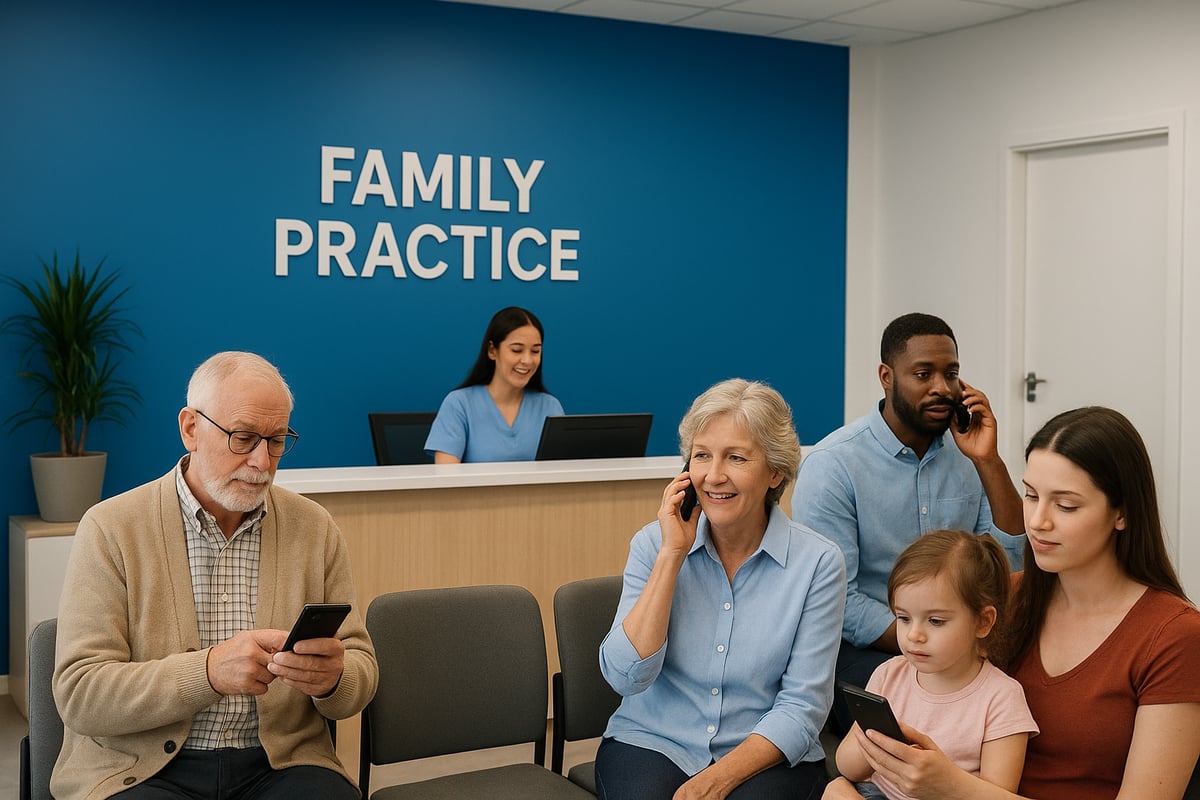
The family practice phone number serves as the primary gateway between patients and healthcare providers. It enables patients to schedule appointments quickly, reach out for telemedicine consultations, and get answers to pressing medical questions.
Clinics integrate their family practice phone number with virtual visit platforms and electronic scheduling systems. This integration streamlines care and ensures patients do not miss crucial updates.
During emergencies, having an accurate family practice phone number can make the difference between prompt care and a critical delay. For example, outdated contact information has led to missed appointments and, in some cases, delayed treatment.
A recent survey found that over 60 percent of patients prefer direct phone contact for urgent health concerns, highlighting the ongoing value of the family practice phone number.
Consequences of Incorrect or Outdated Numbers
Using an incorrect family practice phone number can have serious consequences. Patients may miss or delay care when their provider cannot be reached.
This often leads to frustration, loss of trust, and increased stress for families. Inaccurate numbers also create administrative headaches for clinics, increasing costs and reducing operational efficiency.
Consider a real-world scenario: A patient attempts to reach their provider during an emergency, only to discover the number has changed. The result is unnecessary anxiety and potential harm.
Ensuring every family practice phone number is current reduces these risks and supports a seamless care experience.
Impact on Patient Outcomes and Satisfaction
There is a direct connection between access to a reliable family practice phone number and patient satisfaction scores. Prompt phone communication helps patients adhere to treatment plans and fosters trust in their provider.
For example, clinics offering 24/7 access to a family practice phone number report up to 20 percent higher patient retention. Patients value the assurance that help is just a call away.
Research supports these findings. According to a survey on patient access challenges, accurate provider contact information is a key driver of patient satisfaction and timely care.
Regulatory and Insurance Implications
Accurate family practice phone number listings are not just best practice, they are a legal requirement. Regulations like HIPAA mandate that clinics maintain up-to-date contact information to protect patient privacy and ensure accessibility.
Insurance companies also rely on verified family practice phone numbers for processing claims and referrals. An incorrect number may lead to denied claims or delays in coverage.
For example, a patient may have a referral denied simply because the listed family practice phone number was outdated. Keeping records current is essential for both compliance and patient care.
The Shift to Digital and Multi-Channel Communication
While texting, chatbots, and online portals have gained popularity, the family practice phone number remains vital for all demographics in 2026. Many seniors, in particular, still prefer phone calls for discussing complex health issues.
Clinics now offer multi-channel communication, but the family practice phone number serves as the foundation. It connects patients to live staff, supports interpreter services, and bridges the gap when digital tools fall short.
A recent example includes a senior patient who, despite having access to online scheduling, chose to call the clinic directly for guidance on a serious health concern. This highlights why maintaining an accurate family practice phone number is still essential for comprehensive care.
How to Find and Verify Family Practice Phone Numbers
Finding the correct family practice phone number is essential for timely healthcare access in 2026. With evolving digital tools and changing clinic operations, it is crucial to know where and how to verify contact details. This guide walks you through each step to ensure you can confidently reach your provider when needed.

Step 1: Start with Official Clinic Websites
Begin your search for a family practice phone number on the provider’s official website. Most clinics have a dedicated “Contact” or “Locations” page, which typically lists the most reliable contact details.
To find the number:
- Visit the clinic’s homepage.
- Look for navigation links labeled “Contact” or “Locations.”
- Confirm the number matches other sources.
For example, on the Contact Dominion Family Health page, you can find up-to-date phone numbers for all locations. Always use the official site as your primary reference to avoid outdated information.
Step 2: Use Trusted Healthcare Directories
Reputable healthcare directories like Healthgrades, Zocdoc, and WebMD can be valuable tools for finding a family practice phone number. These platforms aggregate listings from clinics and often include reviews and additional details.
However, cross-check each listing with the official website. Sometimes, discrepancies or outdated numbers appear in directories. If you notice a mismatch, trust the clinic’s website first. This extra step helps prevent missed calls and ensures you reach the correct office.
Step 3: Check Insurance Provider Networks
Insurance company portals are another reliable resource for verifying a family practice phone number. Insurers maintain updated lists of in-network providers to support member care and claims processing.
To use these tools:
- Log in to your insurance provider’s website.
- Search for local family practices.
- Filter results by location and specialty.
For instance, using the Blue Cross Blue Shield provider search tool allows you to find verified phone numbers for in-network practices. This ensures that your calls reach the right office and that your insurance benefits apply.
Step 4: Confirm via Patient Portals and Mobile Apps
Many clinics now offer secure patient portals and mobile apps, making it easy to verify a family practice phone number. These digital tools often display updated contact information and provide direct messaging options.
Benefits of using patient portals include:
- Real-time updates on clinic hours and phone numbers.
- Secure messaging with office staff.
- Access to appointment scheduling and test results.
A popular portal like MyChart enables patients to view phone numbers and send messages directly to their provider’s office. Always check your clinic’s portal for the most current details.
Step 5: Call to Confirm and Save the Number
After finding a family practice phone number, call during office hours to confirm it is correct. Reception staff can verify you have the right contact and provide additional information, such as after-hours lines.
Tips for saving the number:
- Store it in your phone contacts with a clear label, such as “Family Doctor.”
- Add backup numbers, like nurse triage or urgent care, if available.
- Note office hours in the contact description.
This practice helps prevent confusion during emergencies and ensures that your family can quickly reach the provider when needed.
Step 6: Watch for Red Flags and Outdated Listings
Stay vigilant for signs of outdated or incorrect family practice phone number listings. Warning signs include typos, mismatched addresses, or numbers that redirect to unrelated businesses.
If you find an error:
- Report it to the directory or clinic.
- Double-check with the official website before calling.
- Ask the receptionist to confirm you have the latest number.
A patient once called an old listing and reached a different provider, causing unnecessary delays. Taking these precautions helps you avoid similar issues and ensures reliable communication with your family practice.
Best Practices for Contacting Your Family Practice in 2026
Reaching your healthcare team efficiently has never been more important. Mastering the best practices for using a family practice phone number ensures you get help promptly, whether for routine questions or urgent health concerns. Follow these expert tips to optimize every phone interaction with your provider.
When and How to Call for Different Needs
Knowing when to use your family practice phone number can make all the difference. For routine matters, such as prescription refills or annual check-ups, call during standard office hours. For urgent needs, most clinics offer after-hours lines or nurse triage services.
If you experience severe symptoms or emergencies, always use your family practice phone number to reach the right provider or get redirected to urgent care. For more information on urgent situations, visit Urgent Care Phone Access for guidance on immediate steps.
- Routine: Schedule appointments, request paperwork.
- Urgent: Sudden illness, minor injuries, worsening symptoms.
- Emergency: Chest pain, difficulty breathing, severe bleeding.
Using the correct number for your situation ensures fast, appropriate care.
Preparing for Your Call: Information to Have Ready
Preparation is key when calling a family practice phone number. Having the right details on hand streamlines the process and reduces wait times. Before dialing, gather your:
- Full name and date of birth
- Insurance policy number
- Current medications and allergies
- Brief description of your concern
Reception staff may ask these questions to verify your identity and prioritize your needs. For new patients, prepare a checklist of your medical history and any referral documents. Staying organized helps your call go smoothly and ensures nothing important is missed.
Navigating Automated Phone Systems and Menus
Many clinics in 2026 use automated systems to manage high call volumes. When calling the family practice phone number, listen carefully to menu options. Prompt selection can save time and connect you quickly to the right department.
Tips for efficiency:
- Press “0” or say “operator” to reach a live person, if allowed.
- Write down menu options for future reference.
- Avoid peak call times, such as early mornings.
Mapping out the phone system flow in advance helps you reach your provider without frustration. Familiarity with the menu reduces stress and improves your experience.
Leaving Effective Voicemails and Getting Prompt Responses
If your call goes to voicemail, leaving a clear, concise message is essential. When using a family practice phone number, state your name, date of birth, reason for calling, and a callback number.
Example script:
“Hello, this is Jane Smith, date of birth 01/01/1980. I am calling about a medication refill. Please call me back at 555-123-4567.”
Clinics often prioritize voicemails based on urgency. Providing key details ensures your message is addressed quickly. Always speak slowly and clearly to avoid misunderstandings.
Utilizing Text, Chat, and Online Messaging Alternatives
While the family practice phone number remains vital, many practices now offer alternative communication channels. Use text messaging, secure chat, or patient portals for non-urgent requests such as appointment scheduling or lab results.
- Text: Quick questions, confirmations
- Chat: Billing inquiries, non-urgent advice
- Online portal: Prescription renewals, document uploads
These options integrate with phone systems, offering flexibility and convenience. Knowing when to use each channel helps you get faster responses and reduces phone line congestion.
Ensuring Accessibility for All Family Members
A family practice phone number should be accessible to every member of your household. Many clinics provide language support and interpreter services upon request. If you or a loved one needs assistance, ask about multilingual staff or accessible phone line options.
- Spanish and other language lines
- TTY services for hearing-impaired patients
- Easy menu navigation for seniors
Ensuring everyone can use the family practice phone number promotes better health outcomes and inclusivity. Clinics committed to accessibility remove barriers to care for diverse families.
Dominion Health: Your Comprehensive Family Practice Resource
Dominion Health sets the standard for accessible care in 2026. With one main family practice phone number, 210.944.8855, patients in San Antonio can easily reach multiple locations. Dominion’s board-certified providers offer same-day appointments, extended hours, and virtual visits for all ages.
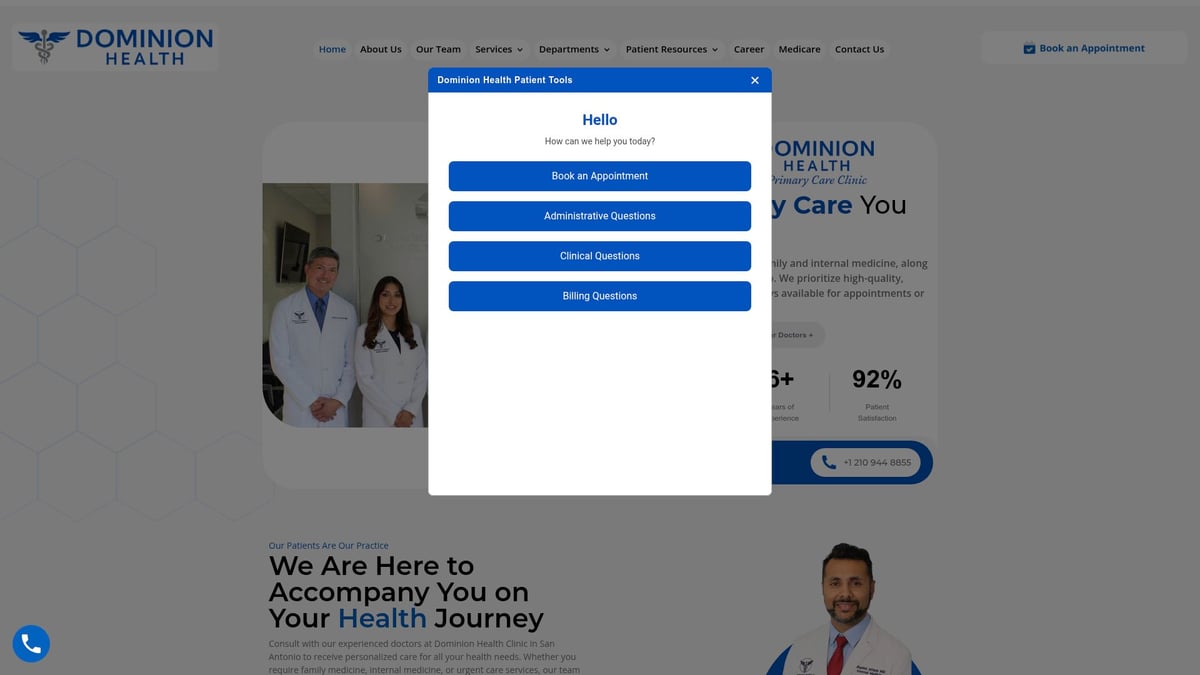
Patients benefit from in-house lab, imaging, and specialty support, making every interaction seamless. Online scheduling, a robust patient portal, and insurance assistance are available by phone. With a 92% patient satisfaction rate, Dominion Health demonstrates the power of clear, reliable communication for both urgent and routine needs.
Privacy, Security, and Consent When Calling Family Practices
Protecting your privacy and ensuring secure communication are top priorities when using a family practice phone number. In 2026, increased digital integration in healthcare means patients must stay vigilant about how their information is handled during calls. Understanding your rights and the clinic’s responsibilities helps you confidently navigate every interaction.
Protecting Your Personal Health Information
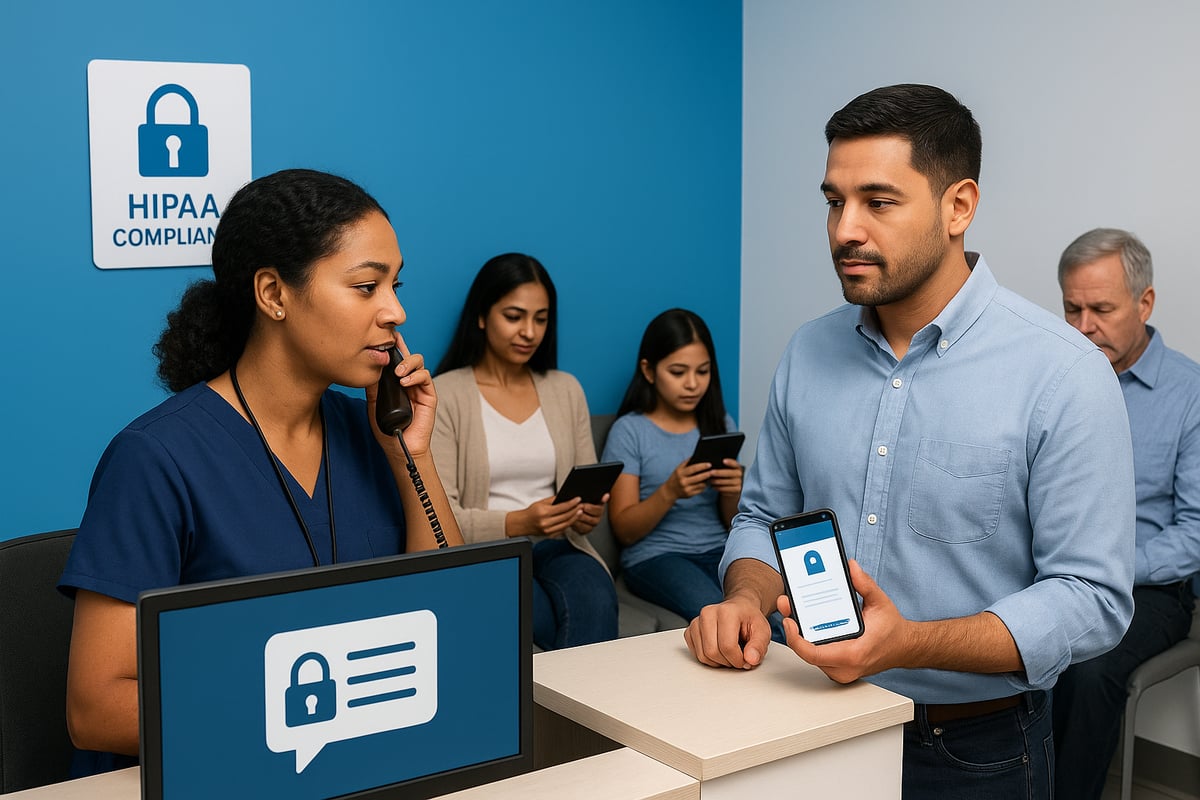
When you call a family practice phone number, clinics must follow strict HIPAA guidelines to protect your health information. Staff can confirm appointments, discuss general instructions, or share basic info, but they cannot disclose sensitive test results or diagnoses without verifying your identity.
Always be prepared to confirm details such as your date of birth, address, or a unique patient ID before receiving private information. This process prevents unauthorized access and keeps your records secure.
For a deeper understanding of how clinics handle privacy and regulatory requirements during calls, review this guide on HIPAA Compliance in Healthcare Call Centers.
Consent for Family Members and Caregivers
If you want a family member or caregiver to speak on your behalf using the family practice phone number, you must give explicit consent. Clinics cannot discuss your health details with anyone unless they are listed as an authorized contact in your medical records.
To add a parent, spouse, or caregiver, request an authorization form from your clinic. Completing this form ensures your chosen person can access information or help coordinate your care. This step is especially important for elderly patients or those managing chronic conditions.
New patients can learn more about setting up these permissions by visiting the Become a Patient at Dominion page, which outlines the process for authorizing contacts and managing your communication preferences.
Secure Messaging and Call Recording Policies
Many clinics now use secure messaging systems alongside the family practice phone number to keep your information safe. Calls may be recorded for quality assurance or legal compliance, and you should be notified if this happens.
Sensitive results or follow-up details are often sent via encrypted email or through secure patient portals rather than discussed openly over the phone. If you have concerns, ask your clinic about their security protocols and preferred channels for confidential communication.
Knowing these policies helps you choose the safest method to receive your health updates, especially when dealing with personal or time-sensitive matters.
Avoiding Scams and Fraudulent Calls
With the rise of digital health, it is vital to recognize legitimate calls from your clinic’s family practice phone number versus potential scams. Official calls will never ask for your full social security number or payment over the phone without prior verification.
If you receive a suspicious call, hang up and directly dial the clinic’s main number listed on their website. Be cautious if the caller pressures you for immediate personal details or financial information. Clinics are proactive in alerting patients about known scams, so stay informed and report any questionable interactions promptly.
Staying aware of these risks ensures your health information and peace of mind remain protected.
Troubleshooting Common Phone Number Issues with Family Practices
Navigating issues with your family practice phone number can be frustrating, especially when timely care is at stake. Understanding the most common challenges and how to resolve them ensures your family always has reliable access to healthcare support.
Busy Lines and Long Wait Times
Reaching your provider quickly is vital, but busy lines often delay care. During peak hours, clinics may experience high call volumes, leading to long wait times. To improve your experience with your family practice phone number, try calling during mid-morning or mid-afternoon, when lines are typically less congested.
Consider these alternatives if you encounter hold times:
- Use online appointment scheduling or secure messaging.
- Request a callback instead of waiting on hold.
- Check the clinic’s patient portal for direct communication options.
Many clinics now report average hold times under two minutes, thanks to upgraded phone systems. If your wait exceeds this, ask the clinic about available digital alternatives to streamline your access.
Wrong Numbers and Misdirected Calls
Dialing a family practice phone number only to reach the wrong office can cause delays and confusion. This often happens due to outdated listings or simple misdials. If you connect with an incorrect provider, politely verify the clinic name and request the correct contact details.
To prevent these issues:
- Double-check the number on the official clinic website before calling.
- Report any incorrect listings to the clinic or the directory where you found the number.
- Cross-reference with trusted healthcare directories for accuracy.
For further insight on the critical role of accurate listings, review the Importance of Accurate Provider Directories. A real-world example involves a patient quickly redirected to the correct specialist after misdialing, minimizing disruption to their care.
Updating Your Contact Information with the Clinic
Keeping your records up to date helps ensure you never miss important updates or appointment reminders from your family practice phone number. Outdated contact information is a common cause of missed calls and communication breakdowns.
Update your details by:
- Calling the clinic directly and confirming your address and number.
- Logging into your patient portal and editing your profile.
- Informing staff during in-person visits.
Accurate patient data is essential for seamless care. Discover strategies for Improving Patient Data Accuracy to support better healthcare outcomes. Remember, missed reminders due to old contact info can lead to unnecessary health risks.
Handling Language Barriers and Communication Challenges
For non-English speakers or those with hearing or speech difficulties, accessing care through a family practice phone number may require extra support. Many clinics offer interpreter services or multilingual staff to help bridge communication gaps.
Tips for overcoming language barriers:
- Request interpreter services when scheduling your call.
- Ask if the clinic offers a dedicated multilingual phone line.
- Prepare key medical terms or questions in advance.
Some family practices provide Spanish and other language support, ensuring every patient can communicate their needs clearly. Clear communication is the foundation of effective healthcare for every family member.
After learning how vital accurate contact information is for timely and effective care, you now know just how much a reliable family practice phone number can impact your health and peace of mind. Dominion Health makes it easy for you and your loved ones to reach board certified providers, access same day appointments, and get support for everything from routine checkups to urgent health needs—all through one convenient number. If you’re ready to experience seamless care with trusted professionals, you can take the next step right now and Book Appointment.