Finding quality healthcare starts with locating the right primary care provider in your area. When you search for "primary care around me," you're taking the first step toward establishing a vital healthcare relationship that can last for years. Primary care serves as the foundation of your overall health strategy, offering preventive care, managing chronic conditions, and coordinating specialized treatment when needed. Understanding what to look for and how to evaluate your options ensures you select a provider who meets your specific health needs and preferences.
Understanding Primary Care and Its Importance
Primary care represents your first point of contact within the healthcare system. The Centers for Medicare & Medicaid Services defines primary care as the provision of integrated, accessible health care services by clinicians who are accountable for addressing a large majority of personal health needs. These providers develop ongoing partnerships with patients throughout their lives.
The scope of primary care extends far beyond treating colds and minor injuries. Primary care physicians manage chronic diseases, coordinate with specialists, provide preventive screenings, and serve as health advocates for their patients. This comprehensive approach means your primary care provider becomes familiar with your complete medical history, family health patterns, and personal health goals.
What Services Should Primary Care Include
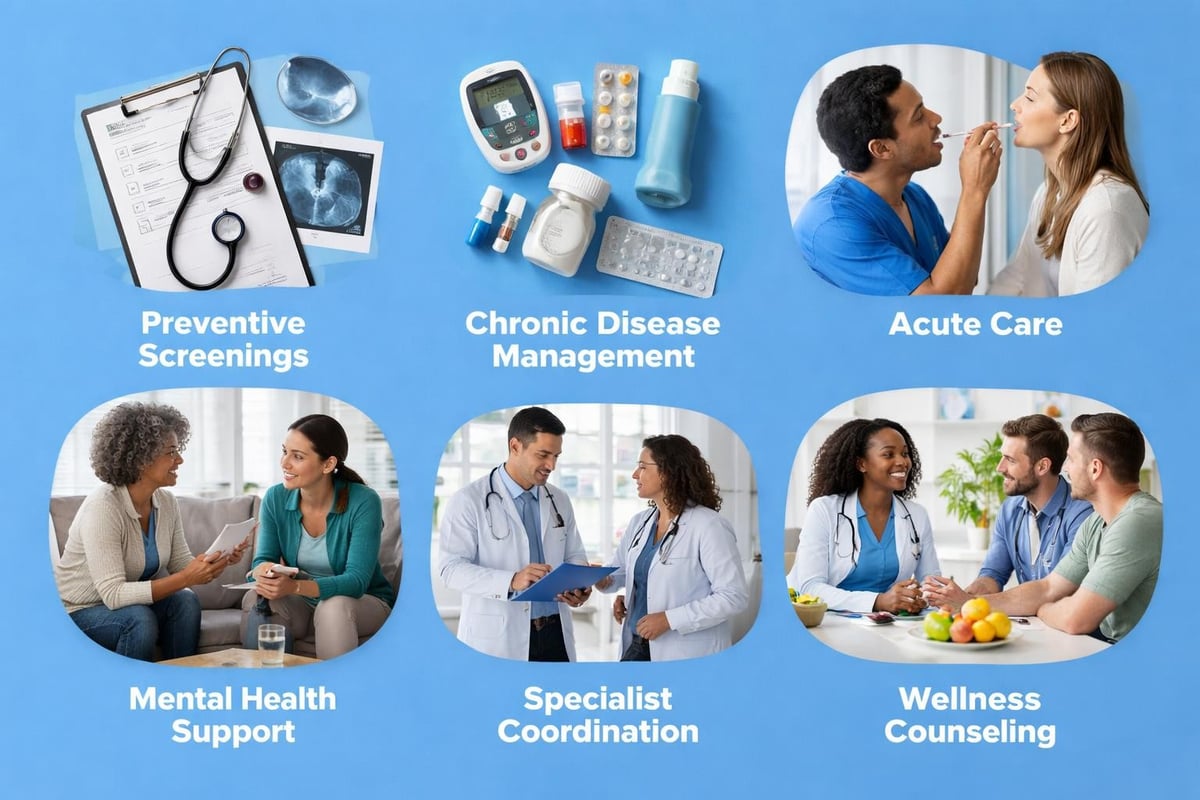
Modern primary care encompasses a broad range of services designed to keep you healthy:
- Preventive care including annual physicals, immunizations, and health screenings
- Chronic disease management for conditions like diabetes, hypertension, and asthma
- Acute illness treatment for infections, injuries, and sudden health concerns
- Health counseling covering nutrition, exercise, and lifestyle modifications
- Care coordination with specialists and other healthcare providers
- Mental health support addressing anxiety, depression, and stress management
The American Hospital Association emphasizes that primary care focuses on prevention and wellness alongside treating common illnesses. This holistic approach helps identify potential health issues before they become serious problems.
How to Search for Primary Care Around Me Effectively
Searching for "primary care around me" yields numerous results, but finding the right fit requires a strategic approach. Start by identifying your specific needs and preferences before diving into provider research.
Key Factors to Consider
Location and accessibility rank among the most important considerations. A conveniently located clinic makes it easier to attend regular appointments, manage chronic conditions, and access care when you're not feeling well. Consider proximity to your home or workplace, available parking, and public transportation options.
Office hours and availability matter significantly, especially if you work traditional business hours. Look for practices offering extended hours, weekend appointments, or same-day scheduling for urgent concerns. The ability to see your provider quickly when health issues arise can prevent minor problems from escalating.
| Consideration | Questions to Ask |
|---|---|
| Location | How far is the clinic from home or work? Is parking available? |
| Hours | Do they offer evening or weekend appointments? Same-day visits? |
| Services | Are lab tests, imaging, and specialists available on-site? |
| Insurance | Is the provider in-network with my plan? |
| Communication | Can I reach my doctor through a patient portal or telehealth? |
Health Plan of San Mateo provides helpful tips on choosing a primary care provider, emphasizing considerations like office location and personal needs alongside insurance coverage.
Evaluating Provider Credentials and Experience
Once you've identified potential providers searching for primary care around me, verify their qualifications and experience. Board certification demonstrates that a physician has completed specialized training and passed rigorous examinations in their field.
Check online reviews and patient testimonials, but remember that individual experiences vary. Look for patterns in feedback rather than focusing on single reviews. The Medical Board of California offers guidance on selecting a new doctor and emphasizes the importance of researching available options thoroughly.
Consider the provider's experience with patients in your age group or with specific health conditions you manage. A provider who regularly treats patients with similar needs brings valuable expertise to your care.
The Benefits of Comprehensive Primary Care Services
The most effective primary care clinics offer more than just physician appointments. Integrated ancillary services streamline your healthcare experience and improve outcomes by keeping all your care under one roof.
In-House Ancillary Services
When searching for primary care around me, prioritize clinics offering comprehensive on-site services:
- Laboratory testing eliminates the need to visit separate facilities for bloodwork and diagnostic tests
- Imaging services including X-rays and ultrasounds provide immediate diagnostic capabilities
- Pharmacy services make prescription management convenient and efficient
- Physical therapy supports recovery and rehabilitation without referrals to external facilities
- Nutrition counseling addresses dietary concerns with direct provider coordination
These integrated services save time, reduce healthcare costs, and ensure seamless communication between different aspects of your care. When your primary care provider can order a test and receive results within the same facility, diagnosis and treatment happen more quickly.

Subspecialty Support Within Primary Care
Advanced primary care practices provide access to subspecialists who work collaboratively with your primary physician. This model ensures continuity of care while giving you access to specialized expertise when needed.
Subspecialty support typically includes:
- Cardiology for heart health concerns
- Endocrinology for diabetes and hormonal disorders
- Dermatology for skin conditions
- Orthopedics for musculoskeletal issues
- Behavioral health for mental wellness
This coordinated approach means your primary care provider maintains oversight of your overall health while specialists address specific conditions. The collaboration between generalists and specialists often results in better outcomes than fragmented care across multiple unconnected facilities.
Same-Day Appointments and Urgent Care Access
The ability to see your provider quickly when health concerns arise represents a critical advantage when evaluating primary care around me. Traditional appointment scheduling often means waiting days or weeks, which can be problematic for acute illnesses or worsening chronic conditions.
Why Same-Day Access Matters
Immediate care availability prevents minor health issues from becoming emergencies. When you can see your primary care provider the same day, you're more likely to seek care promptly rather than delaying treatment or resorting to emergency rooms for non-emergency situations.
Same-day appointments also reduce healthcare costs. Emergency room visits cost significantly more than primary care appointments, and they often result in fragmented care since ER physicians don't have your complete medical history.
| Care Setting | Average Wait Time | Continuity of Care | Typical Cost |
|---|---|---|---|
| Same-Day Primary Care | Hours | Excellent | $ |
| Urgent Care Center | 1-2 hours | Limited | $$ |
| Emergency Room | 2-4 hours | None | $$$$ |
| Scheduled Appointment | Days to weeks | Excellent | $ |
Conditions Appropriate for Same-Day Primary Care
Many health concerns can be effectively addressed through same-day primary care appointments rather than urgent care or emergency facilities:
- Respiratory infections and persistent coughs
- Urinary tract infections
- Minor injuries and sprains
- Skin rashes and allergic reactions
- Digestive issues and stomach pain
- Fever and flu-like symptoms
- Follow-up care for chronic condition changes
Your established relationship with your primary care provider means they understand your health history, current medications, and potential complications. This familiarity leads to more accurate diagnoses and appropriate treatment plans.
Questions to Ask When Choosing Primary Care
Before committing to a provider you've found while searching for primary care around me, schedule a meet-and-greet appointment or phone consultation. Blue Cross Blue Shield recommends visiting potential doctors to ensure comfort and trust in the relationship.
Essential Questions for Your Initial Visit
Communication style significantly impacts your healthcare experience. Ask how the provider prefers to communicate between appointments, whether through phone calls, patient portals, or secure messaging. Understanding your doctor’s communication preferences helps ensure you can reach them when questions arise.
Inquire about the provider's approach to shared decision-making. The best primary care relationships involve collaboration, with providers explaining options and involving patients in treatment decisions. Ask how they handle situations when you might prefer alternative approaches to recommended treatments.
Hospital affiliations matter if you require inpatient care. Confirm which hospitals your provider works with and whether those facilities accept your insurance. Continuity between your outpatient primary care and potential hospital stays improves coordination and outcomes.
Understanding Practice Logistics
Practical considerations affect your ongoing experience with a primary care provider:
- How quickly can you typically get appointments?
- What happens if you need care when your regular provider is unavailable?
- Does the practice offer telehealth visits for appropriate concerns?
- How are prescription refills handled?
- What is the average wait time for scheduled appointments?
The Washington State Health Care Authority’s guide covers important aspects like in-network providers and convenience factors that affect your long-term satisfaction.

Building a Long-Term Relationship With Your Provider
MedlinePlus Medical Encyclopedia explains that primary care providers play a crucial role in developing long-term patient-provider relationships. This continuity offers substantial health benefits beyond convenient access to care.
The Value of Continuity
When you maintain a relationship with the same primary care provider over years, they develop deep familiarity with your health patterns, family history, and personal circumstances. This knowledge enables them to:
- Detect subtle changes in your health that might indicate emerging problems
- Personalize preventive care based on your specific risk factors
- Coordinate complex care more effectively when you see multiple specialists
- Provide context for acute symptoms based on your health trajectory
- Build trust that encourages open communication about sensitive health concerns
Research consistently demonstrates that patients with established primary care relationships experience better health outcomes, fewer hospitalizations, and lower overall healthcare costs compared to those who seek episodic care from different providers.
Maximizing Your Primary Care Partnership
Active participation strengthens your primary care relationship. Prepare for appointments by noting symptoms, questions, and concerns. Keep a current list of medications, including over-the-counter supplements. Be honest about lifestyle factors that affect your health, from exercise habits to stress levels.
Follow through on recommended preventive screenings and follow-up appointments. When you demonstrate commitment to your health, providers can better support your wellness goals. Don't hesitate to ask questions or request clarification when you don't understand recommendations.
Insurance Coverage and Payment Options
When searching for primary care around me, verify insurance acceptance before scheduling appointments. The American Academy of Family Physicians provides comprehensive information about primary care's integrated and accessible nature, which includes understanding coverage options.
Navigating Insurance Networks
In-network providers have negotiated rates with insurance companies, resulting in lower out-of-pocket costs for patients. Out-of-network care typically requires higher copayments, deductibles, or full payment with partial reimbursement.
Contact your insurance company for current provider directories, but always verify directly with the clinic that they accept your specific plan. Insurance networks change, and online directories may not reflect the most current information.
For patients without insurance or with high-deductible plans, ask about:
- Self-pay rates and payment plans
- Sliding scale fees based on income
- Bundled pricing for common services
- Discount programs for routine care
Many primary care clinics offer transparent pricing and flexible payment options to ensure healthcare accessibility regardless of insurance status.
Evaluating Your Current Primary Care Relationship
If you already have a primary care provider but feel dissatisfied, consider whether the relationship meets your needs. While changing providers requires effort, your health deserves a partnership that works effectively.
Signs It Might Be Time for a Change
- Consistently long wait times for appointments or in the office
- Difficulty communicating with your provider or staff
- Feeling rushed during appointments
- Providers who don't listen to your concerns
- Lack of coordination with specialists or for test results
- Office locations or hours that no longer fit your schedule
Before switching providers, try addressing concerns directly with your current clinic. Many issues can be resolved through open communication about your needs and expectations.
Making a Smooth Transition
When changing primary care providers, request transfer of your medical records to ensure continuity. Most clinics can send records electronically, though you may need to sign a release form. Bring current medication lists, recent test results, and your health history summary to your first appointment with a new provider.
Finding quality primary care around me requires thoughtful evaluation of location, services, provider qualifications, and practice philosophy. The right primary care relationship serves as your healthcare foundation, providing preventive care, managing chronic conditions, and coordinating specialized treatment throughout your life. Dominion health offers comprehensive primary care for all ages with in-house ancillary services, subspecialty support, and same-day appointments to address your health needs promptly and conveniently.