Navigating the healthcare landscape in 2026 requires understanding how different care delivery models work. A primary care group represents a collaborative medical practice structure where multiple physicians and healthcare professionals work together to provide comprehensive, coordinated care. These organizations have become increasingly important as healthcare shifts toward integrated, patient-centered models that emphasize continuity, accessibility, and holistic treatment approaches. Whether you're selecting a new doctor or evaluating your current healthcare options, knowing what distinguishes an effective primary care group helps you make informed decisions about your family's wellbeing.
Understanding the Primary Care Group Model
A primary care group functions as a multi-provider medical practice where physicians, nurse practitioners, physician assistants, and support staff collaborate to deliver comprehensive healthcare services. Unlike solo practices, these groups pool resources, expertise, and infrastructure to offer patients broader access and more coordinated care.
The structure typically includes several key components that differentiate it from traditional single-physician offices:
- Multiple providers across different specialties within primary care
- Shared patient records and communication systems
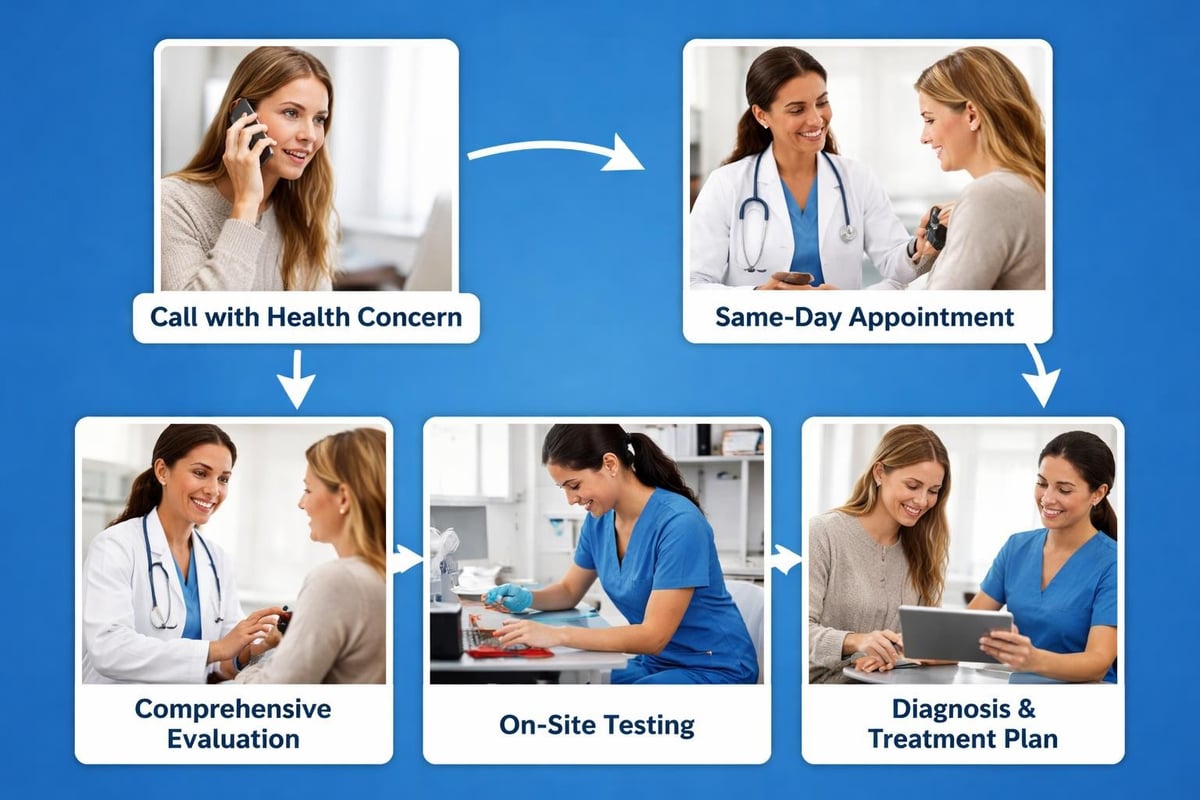
- Extended hours and same-day appointment availability
- Integrated ancillary services like laboratory testing and imaging
- Care coordination teams managing referrals and follow-up
This collaborative approach addresses the growing complexity of modern healthcare. According to research on primary care integration, group practices can better manage chronic conditions, reduce hospital readmissions, and improve patient satisfaction compared to fragmented care models.
How Group Practices Differ from Solo Providers
The distinction between group and solo practices extends beyond the number of physicians. Group practices create economies of scale that enable investments in technology, staff training, and facility improvements that single practitioners cannot typically afford.
Patients benefit from continuity even when their preferred provider is unavailable. Another qualified physician within the group can access complete medical records and provide informed care without starting from scratch. This seamless coverage proves especially valuable during emergencies or after-hours situations.

Services Offered by Modern Primary Care Groups
Today's primary care group extends far beyond basic checkups and sick visits. Comprehensive practices now offer integrated services that previously required separate appointments at multiple locations.
Core Medical Services
The foundation of any primary care group includes routine and preventive healthcare for patients across all age groups:
- Annual physical examinations and wellness screenings
- Chronic disease management for diabetes, hypertension, asthma, and other ongoing conditions
- Acute illness treatment for infections, injuries, and sudden health concerns
- Preventive care including vaccinations, health counseling, and risk assessments
- Mental health support addressing anxiety, depression, and stress management
Many groups have expanded to include subspecialty support, allowing patients to see specialists without leaving the practice. This integration streamlines care coordination and reduces the frustration of navigating multiple healthcare systems.
In-House Ancillary Services
Progressive primary care groups distinguish themselves through comprehensive ancillary services available on-site. These capabilities eliminate the inconvenience and delays associated with external referrals.
| Service Type | Patient Benefits | Time Savings |
|---|---|---|
| Laboratory Testing | Immediate blood work and urinalysis | Same-visit results possible |
| Diagnostic Imaging | X-rays and basic ultrasounds on-site | No separate appointments |
| Minor Procedures | Wound care, biopsies, injections | Single-visit resolution |
| Physical Therapy | Rehabilitation without external referrals | Coordinated treatment plans |
This comprehensive approach aligns with the broader definition of primary care as a patient’s first point of contact with the healthcare system, emphasizing accessibility and comprehensive service delivery.
Benefits of Choosing a Primary Care Group
Selecting a group practice over other care models provides tangible advantages that impact both health outcomes and patient experience. Understanding these benefits helps patients make strategic decisions about where to establish their medical home.
Accessibility and Convenience
Same-day appointments represent one of the most significant advantages modern group practices offer. When illness strikes or concerns arise, waiting days or weeks for an appointment becomes unnecessary. Multiple providers with coordinated schedules enable practices to accommodate urgent needs promptly.
Extended hours also characterize many group practices. Early morning, evening, and weekend availability accommodates working professionals and families juggling busy schedules. This flexibility reduces reliance on urgent care centers or emergency rooms for non-emergency situations.
The ability to see different providers within the same group maintains continuity of care even when schedules conflict. All physicians access the same comprehensive medical record, ensuring informed decision-making regardless of which doctor you see.
Comprehensive Care Coordination
A primary care group excels at coordinating complex care across multiple specialties and services. When subspecialty consultation becomes necessary, group practices often have established relationships with specialists who understand the practice's approach and communication preferences.
This coordination proves especially valuable for patients managing multiple chronic conditions. Instead of each specialist working in isolation, a group practice physician oversees the entire treatment plan, identifying potential drug interactions, redundant testing, or conflicting recommendations.
Research indicates that primary care physicians moving to hospital systems can sometimes increase costs, making independent, well-equipped group practices an attractive alternative that balances comprehensive services with cost-effectiveness.
Evaluating Quality in Primary Care Groups
Not all group practices deliver the same level of service or outcomes. Discerning patients should evaluate several key factors when selecting a primary care group to serve as their medical home.
Provider Credentials and Experience
The expertise within a primary care group directly influences care quality. Investigate the credentials of physicians and advanced practice providers:
- Board certification in family medicine, internal medicine, or pediatrics
- Years of experience treating diverse patient populations
- Continuing education participation and specialty training
- Patient satisfaction ratings from independent review sources
- Hospital affiliations ensuring continuity if inpatient care becomes necessary
Quality groups invest in ongoing provider development, ensuring clinicians stay current with evidence-based practices and emerging treatment protocols.
Technology and Infrastructure
Modern healthcare delivery depends heavily on technology infrastructure. A well-equipped primary care group should offer:
- Electronic health records with patient portal access
- Telemedicine capabilities for remote consultations
- Secure messaging for non-urgent questions
- Online appointment scheduling and prescription refills
- Integration with pharmacy networks and specialist systems
These technological capabilities enhance communication, reduce administrative burden, and empower patients to participate actively in their healthcare decisions. Visit Dominion health’s services to see examples of how integrated technology supports comprehensive patient care.
The Future of Primary Care Groups
Healthcare delivery continues evolving, and primary care groups adapt to meet changing patient expectations and system demands. Several trends are reshaping how these practices operate and deliver value.
Integration of Behavioral Health
Mental health services increasingly integrate into primary care settings. Rather than referring patients to separate mental health clinics, progressive groups employ behavioral health specialists who work alongside physicians.
This integration addresses the bidirectional relationship between physical and mental health. Depression affects diabetes management; anxiety worsens cardiovascular disease; chronic pain intertwines with psychological wellbeing. Treating these conditions in isolation produces inferior outcomes compared to coordinated, holistic approaches.
Benefits of integrated behavioral health include:
- Reduced stigma associated with mental health treatment
- Better medication management with coordinated prescribing
- Immediate access to counseling during health crises
- Improved treatment adherence and patient engagement
Organizations like the NIH’s Primary Care Interest Group actively research these integration models to identify best practices that improve patient outcomes.
Value-Based Care Models
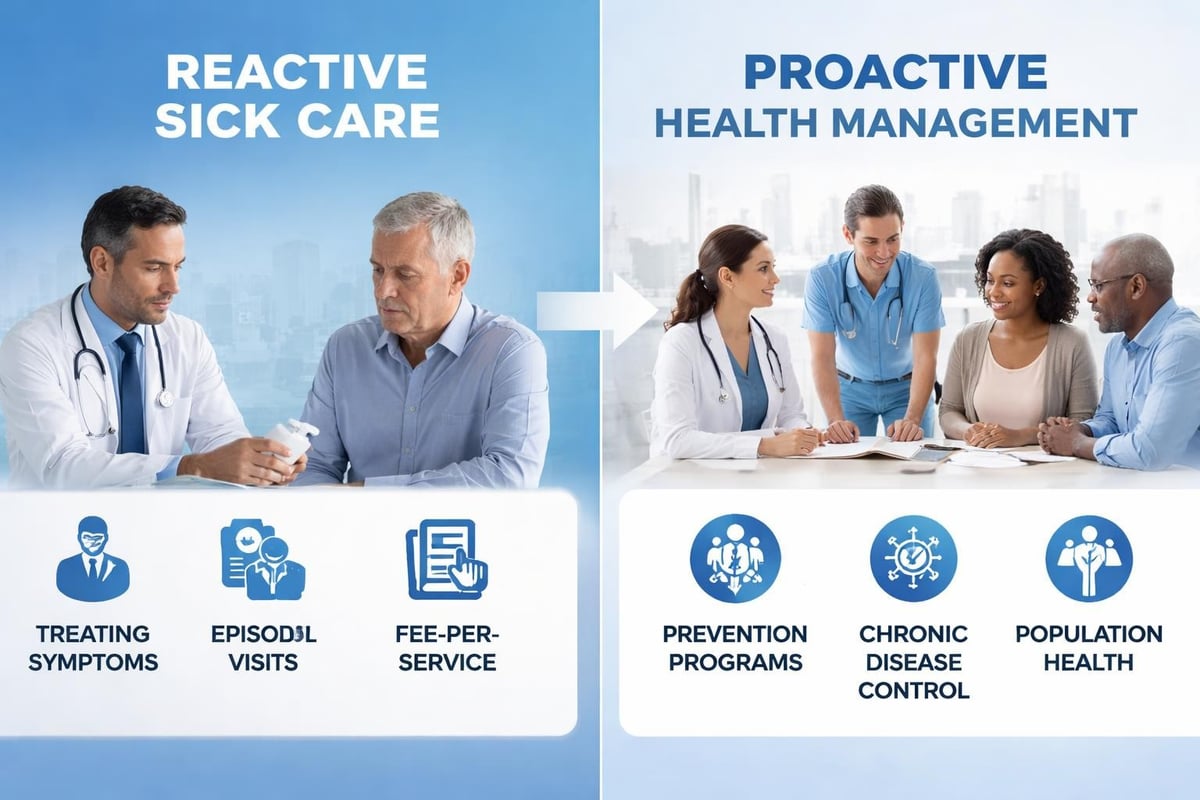
The healthcare system continues shifting from fee-for-service payment toward value-based models that reward outcomes rather than volume. Primary care groups are particularly well-positioned to succeed under these arrangements.
Value-based contracts incentivize preventive care, chronic disease management, and care coordination activities that keep patients healthy rather than simply treating illness after it develops. Groups with robust data analytics, care management teams, and comprehensive service offerings can demonstrate measurable quality improvements and cost savings.
| Traditional Model | Value-Based Model |
|---|---|
| Payment per visit or procedure | Payment for population health outcomes |
| Focus on treating existing illness | Emphasis on prevention and wellness |
| Individual provider accountability | Team-based care coordination |
| Limited technology investment | Advanced analytics and population management |
This transition benefits patients through more proactive, personalized care that emphasizes maintaining health rather than merely responding to disease.
Selecting the Right Primary Care Group
Choosing where to establish your medical home represents an important decision with long-term health implications. A systematic evaluation process helps identify the practice best suited to your needs.
Location and Accessibility
Geographic convenience matters significantly for healthcare engagement. Consider these practical factors:
- Proximity to home or workplace for easy appointment access
- Parking availability and public transportation options
- Facility accessibility for patients with mobility limitations
- Multiple locations if the group operates satellite offices
Same-day appointment availability only provides value if you can actually reach the facility when needed. Groups understanding this reality invest in convenient locations and extended hours.
Insurance and Payment Options
Financial considerations influence healthcare decisions, even when we wish they didn't. Verify that your prospective primary care group:
- Accepts your insurance plan
- Participates as an in-network provider
- Offers transparent pricing for self-pay patients
- Provides clear billing practices and cost estimates
- Works with multiple insurance carriers
Some groups also offer membership or concierge models providing enhanced access in exchange for monthly fees. Evaluate whether these arrangements align with your healthcare utilization patterns and budget.
Cultural Fit and Communication Style
The relationship between patient and provider profoundly impacts health outcomes. Beyond credentials and capabilities, consider whether the practice culture matches your preferences.
During initial visits, assess how providers communicate. Do they listen attentively? Explain conditions clearly? Involve you in treatment decisions? Respect your values and preferences? The right primary care group treats you as a partner in your healthcare journey, not merely a passive recipient of medical services.
Many patients appreciate practices serving diverse age groups under one roof. Family-oriented groups enable parents to bring children for pediatric care, attend their own appointments, and eventually support aging parents within the same trusted medical system.
Challenges Facing Primary Care Groups
Despite their advantages, group practices navigate significant challenges that can impact operations and patient care. Understanding these pressures provides context for the healthcare landscape.
Workforce Shortages and Burnout
Primary care faces persistent workforce challenges. Fewer medical students choose primary care specialties compared to higher-paying subspecialties, creating provider shortages especially in rural areas. Groups struggle to recruit and retain qualified physicians and advanced practice providers.
Burnout compounds this challenge. The demands of modern practice, including extensive electronic documentation, insurance requirements, and patient volume pressures, contribute to professional dissatisfaction. Policy shifts affecting rural primary care further complicate recruitment and sustainability efforts.
Quality groups address these issues through:
- Team-based care models distributing workload across multiple professionals
- Scribes and administrative support reducing physician documentation burden
- Wellness programs supporting provider mental health and work-life balance
- Competitive compensation and professional development opportunities
Maintaining Independence
Consolidation trends pressure independent primary care groups. Hospital systems and private equity firms increasingly acquire practices, changing practice dynamics and potentially affecting care delivery priorities.
While some affiliations provide resources and stability, others prioritize revenue generation over patient-centered care. Independent groups that maintain autonomy while building robust infrastructure and service offerings provide valuable alternatives for patients seeking personalized, community-focused healthcare.
Maximizing Your Primary Care Group Relationship
Establishing care with a quality practice represents only the first step. Active engagement maximizes the value you receive from your primary care group.
Building Continuity with Your Provider
While group practices offer the flexibility to see different physicians, developing a relationship with one primary provider optimizes care quality. This continuity enables your doctor to understand your health history, preferences, and goals comprehensively.
Schedule annual wellness visits even when you feel healthy. These preventive appointments identify emerging risks before they become serious problems and strengthen your provider relationship during non-crisis situations.
Utilizing Available Resources
Many patients underutilize services available through their primary care group. Take advantage of:
- Patient portals for lab results, prescription refills, and secure messaging
- Care management programs for chronic condition support
- Health education resources addressing diet, exercise, and lifestyle factors
- Preventive screenings appropriate for your age and risk factors
- Specialist coordination when subspecialty care becomes necessary
Groups investing in comprehensive services want patients to benefit from these capabilities. Don't hesitate to ask about programs or services that might support your health goals.
Communicating Effectively
Clear communication enables more effective care. Prepare for appointments by:
- Listing symptoms, concerns, and questions before your visit
- Bringing current medication lists including supplements
- Sharing relevant health changes since your last appointment
- Being honest about adherence challenges or treatment concerns
- Asking for clarification when recommendations seem unclear
Your primary care group succeeds when you succeed. Providers appreciate engaged patients who participate actively in their healthcare journey and communicate openly about needs and preferences.
Understanding what distinguishes an effective primary care group helps you make informed healthcare decisions that support long-term wellbeing. The best practices combine accessibility, comprehensive services, skilled providers, and patient-centered approaches that treat you as a whole person rather than a collection of symptoms. Dominion health exemplifies this integrated approach, offering same-day appointments, in-house ancillary services, and subspecialty support for patients of all ages. When you need coordinated, comprehensive primary care that fits your schedule and addresses your complete health picture, our team stands ready to serve as your trusted medical home.