Imagine a world where the family health center guides every step of your family’s wellness journey, from routine checkups to advanced preventive care. In 2026, these centers have become more than just clinics, evolving into trusted wellness companions that prioritize convenience, technology, and expert support. This guide offers a practical roadmap for using the family health center to achieve lifelong wellness, highlighting new services, patient experiences, and future healthcare trends. Ready to discover how your family can thrive with holistic care? Let’s explore the possibilities together.
The Modern Family Health Center: Redefining Care in 2026
Imagine walking into the family health center and finding every aspect of your family’s care under one roof. In 2026, these centers are no longer just places for checkups; they have transformed into true wellness hubs. Their evolution is reshaping how families experience healthcare, making it more connected, accessible, and proactive than ever before.
Expanding Beyond Primary Care
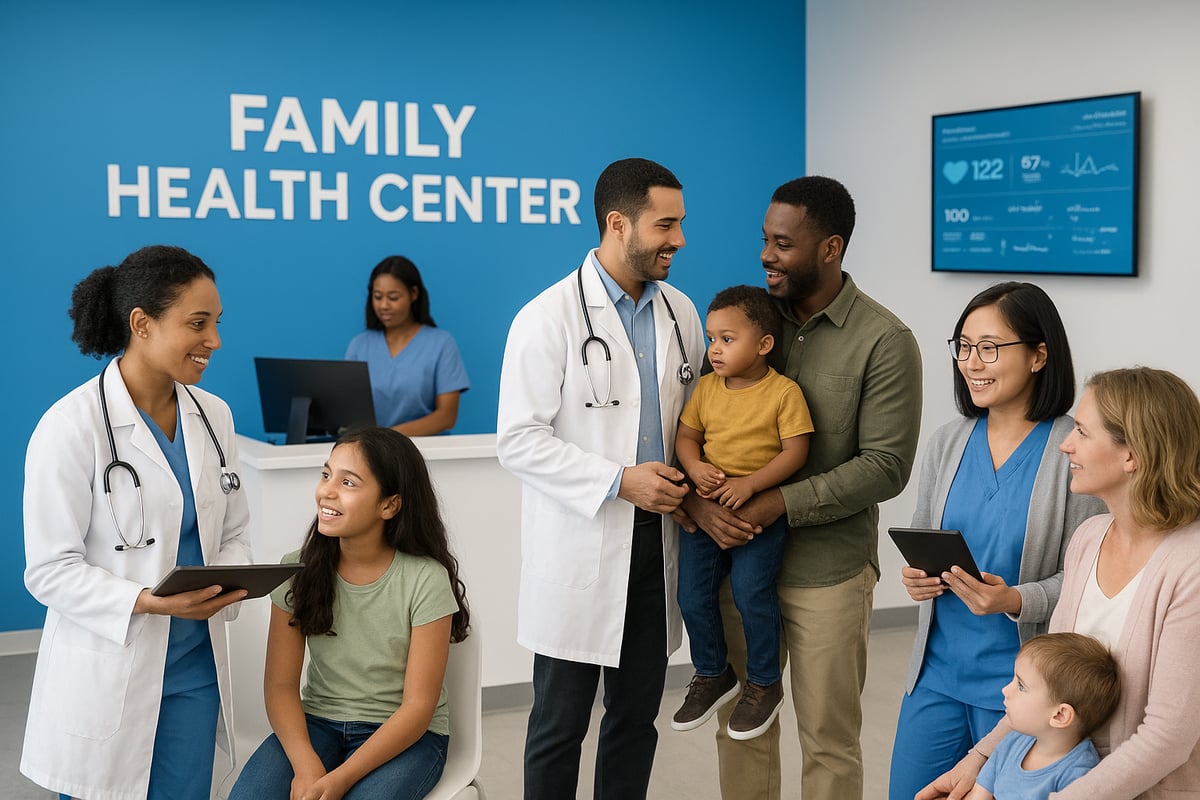
Today, the family health center delivers far more than basic checkups. Services now span preventive care, urgent visits, specialty consultations, and mental health support, all in one location. For example, many centers offer on-site labs, imaging, and chronic disease clinics. This integrated approach means families can address most health needs quickly, without referrals or unnecessary travel. By unifying services, the family health center streamlines care and strengthens patient convenience.
Patient-Centered Medical Home Model
A cornerstone of the family health center’s evolution is the patient-centered medical home model. This approach emphasizes coordinated, continuous care for people of all ages and backgrounds. By fostering strong provider-patient relationships and leveraging data, centers have seen real results. In fact, 68% of U.S. family health centers report improved patient outcomes using this model (HRSA, 2024). The focus remains on personalized care plans and long-term wellness, not just treating illness.
Embracing Technology and Telemedicine
Technology is now woven into every aspect of the family health center. Virtual visits, secure online portals, and remote monitoring tools are standard features. In 2025, 72% of patients used telehealth at least once, showcasing its widespread adoption. To see how these digital tools are reshaping family care, explore the Telemedicine and Digital Health Tools available at leading centers. This tech-driven approach ensures families enjoy timely access to expertise, test results, and follow-up care, wherever they are.
Multidisciplinary Teams for Whole-Family Wellness
The family health center now brings together diverse professionals to address every aspect of wellness. Physicians, nurse practitioners, behavioral health specialists, and dietitians collaborate daily. This multidisciplinary teamwork has real impact: some centers have reduced emergency room visits by 30% through integrated care (CDC). By uniting expertise, the family health center ensures holistic support for physical, mental, and social health.
Preventive and Community Health Initiatives
Prevention is at the heart of the family health center’s mission. Routine screenings, immunizations, and wellness education programs are widely available. Many centers operate school-based health programs and mobile clinics, reaching families where they live, work, and learn. These community-focused initiatives promote early intervention and empower families to make informed health choices every day.
Accessibility and Inclusivity
The family health center is committed to serving every community. Services are tailored for diverse languages, cultures, and insurance types. According to NACHC, 85% of centers now offer bilingual support. This focus on inclusivity ensures that every family, regardless of background, can access high-quality care. The family health center’s adaptability makes it a trusted resource for all.
Personalized, Long-Term Relationships
Above all, the family health center values building lasting relationships with patients. By understanding family history and individual needs, providers can deliver proactive, customized care. This ongoing connection fosters trust and encourages families to engage in their own wellness journeys. In 2026, the family health center is not just a clinic—it is a lifelong partner in health.
Core Services and Innovations in Family Health Centers
The family health center has transformed into a one-stop destination for comprehensive care, offering a breadth of services under one roof. Today’s centers combine preventive, chronic, urgent, and specialty services to meet the evolving needs of every family member. This approach ensures continuity, convenience, and improved outcomes, making the family health center an essential resource for lifelong wellness. For a deeper look at specific offerings, explore the Family Health Clinic Services available at leading centers.
Preventive and Routine Care
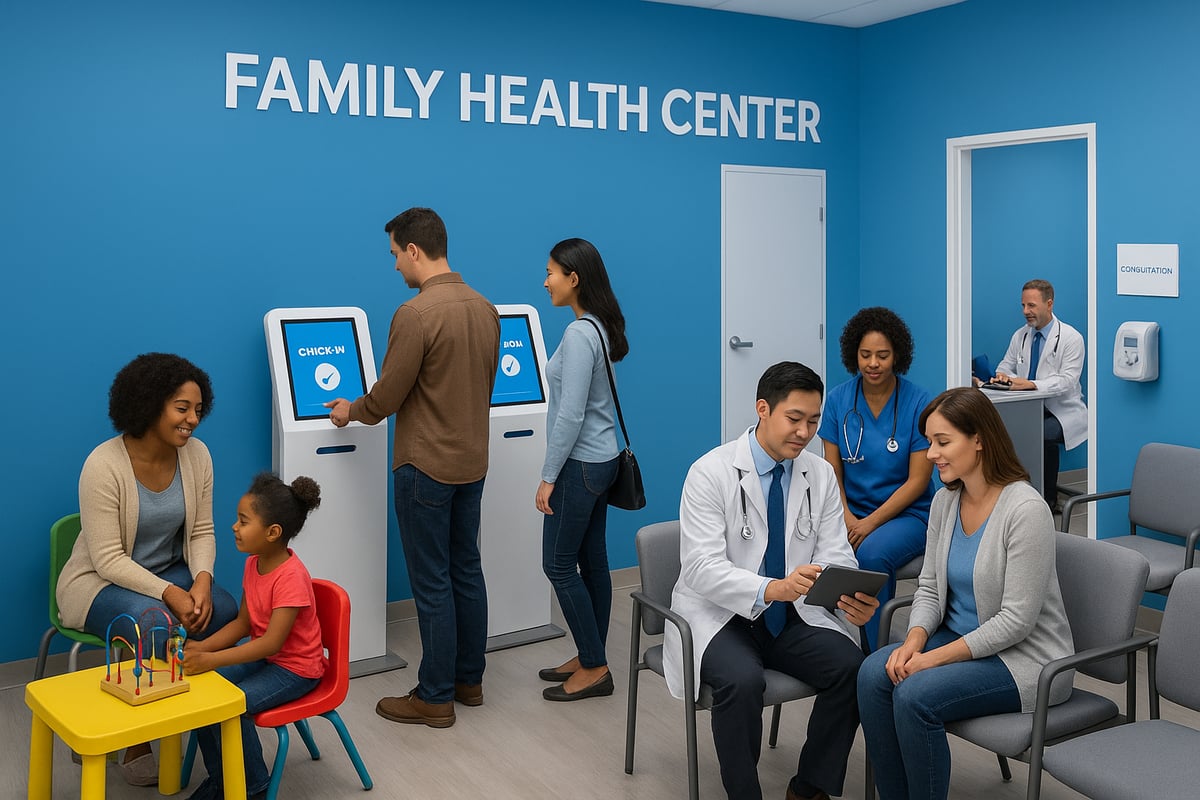
At the heart of the family health center is a focus on prevention. Annual physicals, immunizations, and age-appropriate screenings are standard for all patients. Early cancer detection programs, such as mammograms and colonoscopies, catch issues before they escalate.
Patients benefit from reminders for flu shots, cholesterol checks, and vision tests. The family health center staff also educate families about nutrition and exercise, supporting long-term wellness. These proactive steps reduce risks and build a foundation for healthy living.
Chronic Disease Management
Managing chronic conditions is a cornerstone of the family health center model. Coordinated teams help patients control diabetes, hypertension, asthma, and heart disease with personalized care plans.
Centers use regular monitoring, medication management, and lifestyle counseling to prevent complications. According to the Commonwealth Fund, facilities managing chronic illnesses see 40 percent fewer hospitalizations. This approach empowers families to stay healthy and avoid unnecessary trips to the hospital.
Mental and Behavioral Health Integration
Recognizing the strong link between mental and physical health, the family health center now integrates behavioral services. Patients can access on-site counseling, teletherapy, and substance abuse support, making mental health care more accessible.
Over half of centers, as reported by SAMHSA in 2025, now offer behavioral health programs. This holistic care helps address anxiety, depression, addiction, and stress, ensuring every family member receives the support they need.
Women’s, Pediatric, and Geriatric Care
The family health center provides specialized care for women, children, and seniors. Services include reproductive health, prenatal and postnatal programs, and well-child visits to monitor growth and development.
For older adults, fall prevention, chronic disease screenings, and medication management are key offerings. Dedicated teams ensure that each life stage receives tailored attention, promoting health from infancy to elderhood.
Urgent and Same-Day Services
Families appreciate the convenience of urgent and same-day care at the family health center. Walk-in clinics treat minor injuries, infections, and acute illnesses without long waits.
Sixty percent of centers offer same-day appointments, according to HRSA. This quick access reduces emergency room visits and keeps care affordable. Patients feel confident knowing help is available whenever unexpected health issues arise.
Digital Health Tools and Patient Portals
Digital innovation is revolutionizing the family health center experience. Secure patient portals allow families to schedule appointments, view medical records, and receive lab results online.
Health tracking apps support chronic condition management, while telemedicine visits offer flexibility. The Medical Group Management Association reports a 35 percent increase in patient satisfaction thanks to digital engagement, making healthcare more interactive and efficient.
Community Outreach and Education
Beyond clinical services, the family health center actively engages with the community. Health fairs, nutrition workshops, and chronic disease prevention classes educate and empower local families.
Partnerships with schools, employers, and organizations extend wellness resources. These outreach efforts ensure that care is accessible, inclusive, and responsive to community needs, strengthening overall public health.
Navigating Your Family Health Center: Step-by-Step Patient Journey
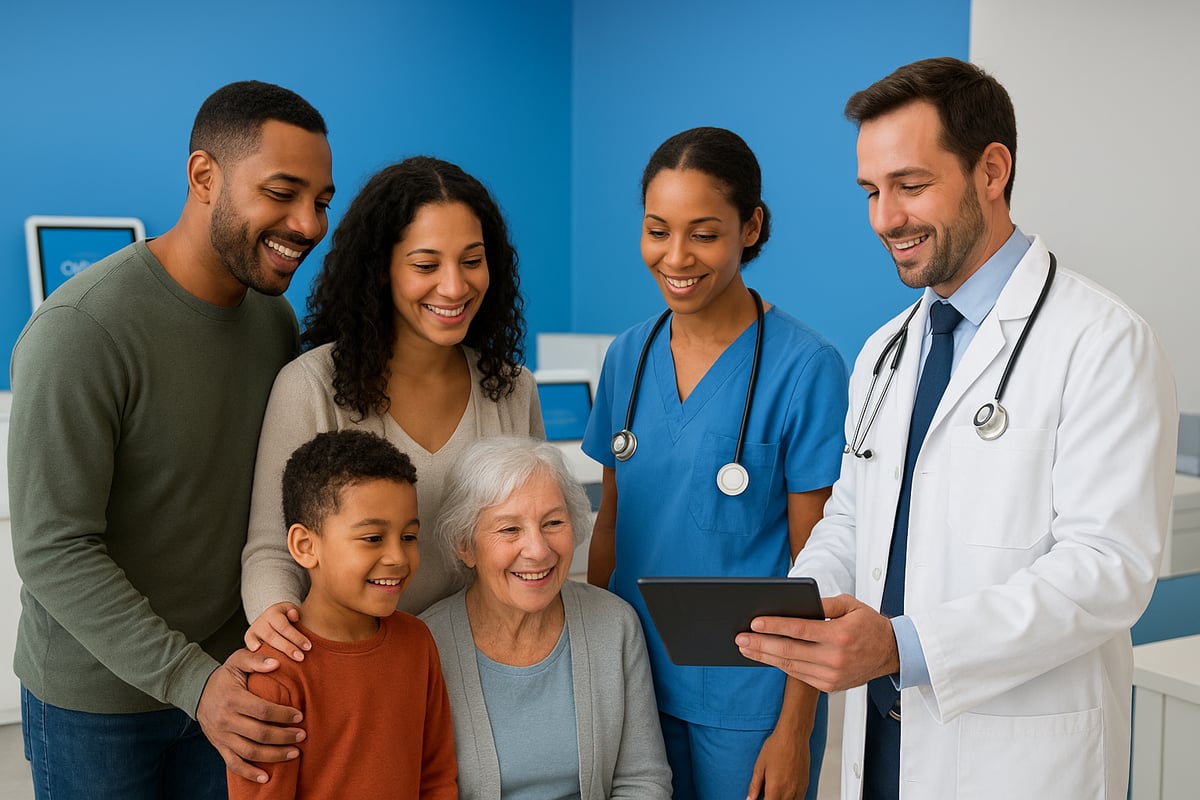
Navigating the family health center can be seamless when you know what to expect at each stage. From selecting the right provider to ongoing wellness, each step ensures your family’s health is supported for the long term. Let’s break down the patient journey into clear, manageable phases.
Step 1: Choosing the Right Health Center
The first step in your journey with the family health center is selecting a facility that meets your needs. Consider the location, range of services, accepted insurance plans, and the center’s reputation in the community.
Check for cultural competence and language support, especially if your family has specific preferences. Online reviews and recommendations from neighbors or local organizations can help you make an informed decision.
Step 2: Registration and First Visit
After choosing the family health center, you’ll complete digital registration forms. This process includes insurance verification and an initial health assessment. Many centers now offer multilingual support to ensure every patient feels comfortable from day one.
During your first visit, staff will guide you through the intake process. You’ll share medical history, discuss any immediate concerns, and set expectations for ongoing care.
Step 3: Building a Care Relationship
Establishing a strong relationship with your care team is at the heart of the family health center experience. You’ll be assigned a primary provider who will learn about your family’s health history, values, and goals.
Continuity of care is vital for managing chronic conditions and tracking wellness over time. For a deeper look at how this relationship supports holistic care, see the Comprehensive Family Medicine Overview.
Step 4: Accessing Services and Scheduling
Booking appointments at the family health center is now easier than ever. Most centers allow you to schedule visits online, by phone, or through a patient portal. Telehealth options offer added convenience, letting you consult with providers from home when appropriate.
Recent trends show that about half of all appointments are now booked digitally, reflecting how technology streamlines the patient experience.
Step 5: Receiving Care and Follow-Up
During each visit, the family health center delivers comprehensive care, from routine checkups to acute illness management. If needed, your provider can refer you to specialists or order lab work, often within the same facility.
Patient portals enable you to access test results, track progress, and receive follow-up instructions quickly. This ensures that no detail of your care journey is overlooked.
Step 6: Ongoing Wellness and Prevention
The family health center emphasizes prevention to keep your family healthy. Regular screenings, immunizations, and lifestyle counseling are key services. Many centers offer personalized wellness plans with reminders for upcoming checkups or vaccines.
By staying proactive, you help prevent health issues before they start and build a foundation for lifelong wellness.
Step 7: Feedback and Quality Improvement
Your feedback matters at the family health center. After each visit, you may be invited to complete satisfaction surveys or share suggestions. Open communication with your care team helps ensure your needs are met and drives continuous improvement.
Participating in these quality initiatives supports a better healthcare experience for your family and the wider community.
Maximizing Your Wellness: Tips for Getting the Most from Your Family Health Center
Maximizing your wellness at the family health center goes beyond routine appointments. It involves active participation, proactive communication, and leveraging every resource available. By building strong relationships and staying informed, you can ensure that your family's health needs are met with excellence.

Building a Long-Term Relationship with Your Care Team
The foundation of success at the family health center is a strong, ongoing relationship with your providers. Establishing trust and open communication sets the stage for shared decision-making and personalized care. Patients who consistently see the same provider report 25 percent better health outcomes.
The family health center often uses a Patient-Centered Medical Home Model, which emphasizes coordinated care across all stages of life. Through this approach, your family receives seamless support, ensuring that each member’s needs are addressed promptly and effectively. Fostering this long-term bond helps the family health center anticipate health trends and tailor preventive strategies for your household.
Leveraging Preventive Services
Preventive care is a cornerstone of the family health center. Schedule regular checkups, screenings, and immunizations for every family member. Early detection programs, such as cancer screenings and blood pressure monitoring, are readily available.
Use digital reminders and health tracking tools offered by the family health center to stay on schedule. Taking advantage of preventive services reduces the risk of future complications and helps you maintain control over your family's wellness journey. A proactive approach leads to healthier outcomes and fewer unexpected health issues.
Managing Chronic Conditions Proactively
If your family faces chronic health challenges, the family health center provides coordinated care plans to help you manage them. Work closely with your care team to address diabetes, hypertension, asthma, or other ongoing conditions. They offer medication management, regular follow-ups, and access to specialists when needed.
Embrace educational workshops and lifestyle counseling to improve daily habits. The family health center’s multidisciplinary teams support nutrition, physical activity, and behavioral health, empowering you to take charge of chronic conditions and minimize hospital visits.
Utilizing Digital Health Resources
Modern digital tools are transforming care at the family health center. Patient portals allow you to schedule appointments, review medical records, and communicate securely with providers. Telehealth visits make it easier than ever to consult your care team from home or on the go.
Wearable devices and remote monitoring apps help track health indicators, such as blood sugar or blood pressure, between visits. These resources keep you connected and informed, enabling more responsive care from the family health center and facilitating early intervention when needed.
Navigating Insurance and Billing Efficiently
Understanding the financial aspects of care is essential for maximizing value at the family health center. Review your insurance coverage, copays, and out-of-pocket costs before each visit. Take advantage of billing support and financial counseling services if questions arise.
The family health center staff can help you interpret explanations of benefits, set up payment plans, and access programs for reduced-cost care if eligible. Staying organized with paperwork and asking questions ensures you make informed choices and avoid unexpected expenses.
Participating in Community Programs
Engagement in community wellness programs is a unique benefit of the family health center. Attend health fairs, join nutrition workshops, or participate in family fitness challenges. These activities promote healthy habits and foster a sense of belonging.
Many centers partner with local schools, employers, and organizations to expand outreach. Participation in these programs strengthens your support network and provides valuable resources for every member of your family. The family health center encourages involvement to create a culture of health.
Advocating for Your Family’s Unique Needs
Every family is unique, and the family health center is committed to honoring your preferences. Communicate your cultural, language, or accessibility needs to your care team. Multilingual support and specialized services, such as Women’s Health and Family Care, are available to ensure comprehensive, personalized attention.
By advocating for your family's requirements, you enable the family health center to deliver care that respects your values and enhances overall satisfaction. Stay proactive and engaged to get the best possible outcomes for everyone in your household.
The Future of Family Wellness: Trends and Innovations for 2026 and Beyond
Imagine stepping into the family health center of 2026, where innovation and compassion converge to deliver a truly holistic care experience. As technology advances and healthcare philosophies evolve, the family health center is becoming more personalized, accessible, and community-focused than ever before. Let us explore the top trends and innovations shaping the future of family wellness.
Personalized and Precision Medicine
The family health center is rapidly embracing precision medicine, putting genetics and individual risk profiles at the heart of care. Genetic screenings and risk assessments are now routine, helping providers design tailored prevention plans for each family member.
For example, some centers offer pharmacogenomic testing to determine the safest and most effective medications for each individual. This approach reduces trial-and-error in treatment, increases safety, and supports better long-term outcomes. By focusing on the unique needs of each patient, the family health center is transforming healthcare from reactive to proactive.
Artificial Intelligence and Predictive Analytics
Artificial intelligence is revolutionizing how the family health center delivers care. AI-powered tools analyze patient data to predict health risks, prioritize early interventions, and streamline care coordination.
According to Healthcare IT News, 30% of health centers have adopted AI-driven triage tools to improve efficiency and outcomes. These systems flag potential issues before they become emergencies, enabling care teams to intervene early. As a result, the family health center is positioned to deliver smarter, more anticipatory care that adapts to each family’s changing needs.
Expanded Telehealth and Remote Monitoring
Telehealth is now a mainstay of the family health center, offering virtual visits, specialist consults, and remote monitoring for chronic conditions. Home-based devices track vital signs and symptoms, sending real-time data to care teams for ongoing assessment.
Recent federal Telehealth Policy Updates have extended Medicare telehealth flexibilities through 2026, making virtual care more accessible to families nationwide. This expansion means the family health center can support wellness wherever you are, reducing barriers and ensuring continuity of care.
Holistic and Integrative Health Approaches
The future of the family health center includes a broad focus on wellness, integrating nutrition, fitness, mental health, and alternative therapies. Many centers now offer wellness coaching, group mindfulness programs, and access to dietitians and behavioral health specialists.
Families can participate in personalized wellness plans that address both physical and emotional health. By taking a whole-person approach, the family health center empowers every family member to thrive at every stage of life.
Enhanced Accessibility and Health Equity
Accessibility and health equity are at the forefront of the family health center’s mission. Mobile clinics, expanded language support, and flexible scheduling help reach underserved communities. Many centers now provide bilingual staff, telehealth in multiple languages, and financial counseling.
Federally qualified health centers are expanding outreach in rural and low-income areas, ensuring that every family, regardless of background or income, can benefit from comprehensive care. The family health center is committed to breaking down barriers and promoting health equity for all.
Community-Driven Health Initiatives
The family health center is deepening partnerships with schools, employers, and local organizations to drive population health. School-based telemedicine programs are reducing absenteeism by 20% and improving access to care for children and adolescents.
Community health fairs, nutrition classes, and fitness challenges bring families together to learn and grow. By working in collaboration with the community, the family health center strengthens both individual and collective wellness.
Preparing for Public Health Challenges
Preparation and resilience have become central to the family health center’s role. Updated emergency protocols, rapid vaccination drives, and disaster readiness plans ensure that families are protected during public health crises.
According to the CDC, 90% of centers have enhanced their emergency response capabilities since the pandemic. This proactive stance means the family health center is ready to support your family through any challenge, today and into the future.
As you look toward achieving lifelong wellness for you and your loved ones, remember that having a trusted family health center by your side makes all the difference. With coordinated care, same day appointments, and a team dedicated to every stage of life, you can feel confident managing your family’s health in 2026 and beyond. If you’re ready to experience personalized, comprehensive care—whether it’s preventive screenings, chronic condition support, or simply peace of mind—why not take the next step? You can easily Book Appointment today and start building a healthier future together.