The world of healthcare primary care is undergoing a remarkable transformation as 2026 approaches. New technologies, innovative care models, and rising patient expectations are rapidly reshaping how care is delivered and experienced.
This comprehensive guide provides a clear lens into the evolving state of healthcare primary care. Patients, providers, and healthcare stakeholders alike will find valuable insights and practical strategies within these pages.
Explore the latest trends, advancements in access, the growing role of technology, and patient-centered care models. Learn how workforce changes and forward-thinking approaches are shaping the future of primary care.
Stay ahead of the curve and prepare to make informed decisions in a healthcare landscape that is changing faster than ever before.
The Evolving Role of Primary Care in 2026
As we approach 2026, healthcare primary care is undergoing significant transformation. At its core, primary care remains the foundation of the healthcare system. It provides first-contact, continuous, comprehensive, and coordinated care for individuals across all ages and backgrounds. The essential functions of healthcare primary care include health promotion, disease prevention, diagnosis, treatment of acute and chronic illnesses, and patient education.
In recent years, the scope of healthcare primary care has broadened well beyond traditional family medicine. Today’s primary care teams manage complex chronic diseases, deliver preventive care, and increasingly integrate behavioral health services. This expansion allows primary care to address both physical and mental health, recognizing that well-being is multifaceted. Many primary care doctors for adults now work within multidisciplinary teams, which may include nurse practitioners, physician assistants, pharmacists, and behavioral health specialists. This approach ensures that patients receive holistic, coordinated care tailored to their unique needs.
A major trend shaping healthcare primary care is the move toward population health and value-based care models. Instead of focusing solely on treating illness, providers are now incentivized to keep populations healthy and prevent disease. This shift encourages proactive care, such as regular screenings, vaccinations, and lifestyle counseling, to address health risks before they escalate. Value-based care models reward practices for improving patient outcomes and managing costs, rather than for the volume of services delivered. This model supports the sustainability of healthcare systems while promoting better health for entire communities.
Healthcare primary care is also evolving from a reactive to a proactive and preventive paradigm. Providers are leveraging data analytics and digital health tools to identify at-risk patients and intervene early. This approach includes holistic care planning that considers not only medical issues but also social determinants of health, such as housing, nutrition, and access to community resources. By addressing these broader factors, healthcare primary care teams can reduce disparities and improve long-term outcomes.
Care coordination has become a signature role for healthcare primary care providers. As patients navigate increasingly complex healthcare systems, primary care acts as a central hub. Providers help patients manage referrals, understand treatment plans, and connect with specialists or urgent care services when needed. For example, many practices now partner closely with urgent care centers and specialty clinics, fostering seamless transitions and reducing unnecessary hospital visits. This integration improves efficiency and enhances patient satisfaction.
Recent data underscores the impact of robust healthcare primary care. According to national health reports, areas with greater access to comprehensive primary care experience lower rates of emergency room utilization and hospital admissions. Studies show that every $1 invested in primary care can yield up to $13 in downstream savings by preventing complications and reducing the need for expensive interventions. Additionally, patients who regularly engage with primary care providers report higher satisfaction and better management of chronic conditions.
The argument for investing in strong healthcare primary care is compelling. A well-supported primary care system leads to improved patient health, more equitable access, and long-term sustainability for healthcare systems. By embracing expanded roles, team-based care, and proactive approaches, healthcare primary care in 2026 is poised to deliver more personalized, effective, and efficient care than ever before.

Access to Primary Care: New Models and Solutions
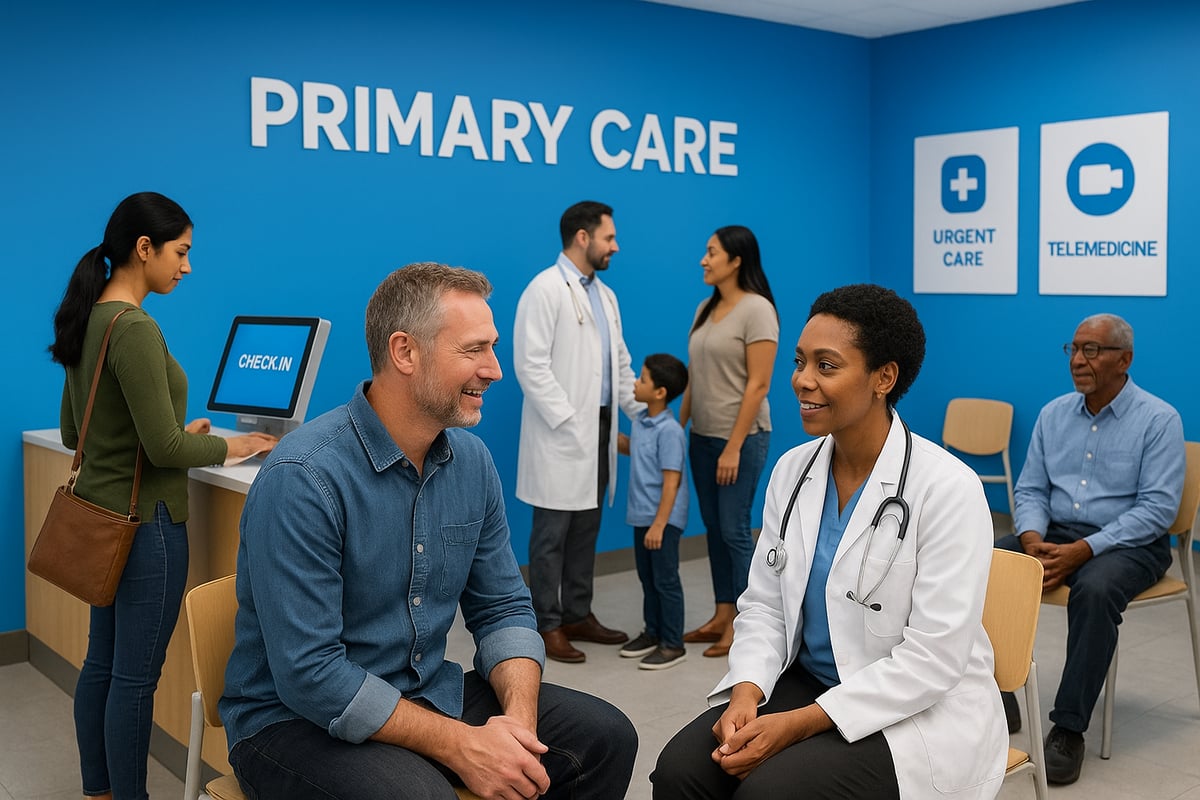
Ensuring timely and equitable access to healthcare primary care is a critical goal as we move into 2026. The evolving landscape brings both challenges and innovative solutions that redefine how patients connect with essential health services.
Barriers to Access
Despite advancements, many patients still face significant barriers to healthcare primary care. Provider shortages are especially acute in rural and underserved areas, leading to longer wait times and limited appointment availability. Geographic disparities mean that some communities struggle to access even basic preventive services.
Insurance coverage gaps also persist, with millions of Americans either uninsured or underinsured. For these individuals, out-of-pocket costs can be a major deterrent to seeking timely care. These barriers highlight the importance of developing new models that bridge the access gap and ensure everyone receives the care they need.
Innovative Solutions Transforming Access
To address these challenges, the healthcare primary care sector is embracing a range of innovative solutions. Walk-in clinics and retail clinics, often located in pharmacies or big-box stores, offer convenient access to care for minor illnesses and preventive services. Urgent care centers provide an alternative for non-life-threatening conditions, reducing pressure on emergency rooms and improving overall system efficiency. For more details on how urgent care is improving access, see Access to urgent care services.
Virtual care platforms, including telemedicine and online consultations, are rapidly expanding. These services enable patients to consult with providers from the comfort of home, improving access for those with mobility limitations or transportation challenges. Same-day and next-day appointment availability is becoming a standard expectation, driven by consumer demand for convenience.
Community health centers play a vital role in reaching underserved populations. These centers often provide sliding-scale fees, language assistance, and integrated behavioral health services. Mobile health units extend the reach of healthcare primary care into remote or transient communities, delivering vaccinations, screenings, and chronic disease management directly where it is needed most.
| Solution Type | Key Benefits | Typical Settings |
|---|---|---|
| Walk-in/retail clinics | Convenience, extended hours, quick care | Pharmacies, retail stores |
| Urgent care centers | Fast service, lower cost than ER | Standalone, hospital-affiliated |
| Telemedicine/virtual care | Remote access, flexible scheduling | Home, work, mobile devices |
| Community health centers | Affordable, comprehensive, culturally aware | Neighborhood clinics |
| Mobile health units | Rural/remote outreach, preventive services | Vans, pop-up sites |
Insurance and Payment Innovations
Financial barriers often prevent patients from accessing healthcare primary care. New payment models are emerging to address these challenges. Direct primary care (DPC) allows patients to pay a flat monthly fee for unlimited access to their provider, bypassing traditional insurance. Concierge medicine offers enhanced access and personalized services for a higher fee, appealing to those seeking a premium experience.
Expanded Medicaid and Medicare programs are increasing access for low-income and older adults. Many states are experimenting with value-based payment models, rewarding providers for improved patient outcomes rather than the volume of services delivered. These innovations are making healthcare primary care more affordable and sustainable for a broader segment of the population.
Data and Case Studies: Impact of New Models
Recent data underscores the impact of these new models. According to industry reports, average wait times for a healthcare primary care appointment have dropped from 24 days in 2019 to less than 15 days in leading markets by 2025. Community health centers have increased their patient reach by over 20% in the last three years, particularly in rural regions.
Case studies highlight the effectiveness of these approaches. For example, a mobile health unit program in the Midwest reduced missed appointments by 30% and improved vaccination rates among children. Urban urgent care centers have helped decrease non-emergency ER visits by up to 35%, freeing up resources for higher-acuity cases.
Conclusion
As healthcare primary care continues to evolve, new models and solutions are breaking down traditional barriers and expanding access for all. Whether through innovative clinics, virtual care, or payment reforms, the future promises a more connected and patient-centered system. Staying informed about these changes empowers patients and providers to make the most of the opportunities ahead.
Patient-Centered Care and Experience in 2026
Patient-centered care has become the cornerstone of healthcare primary care in 2026. At its core, this approach prioritizes the unique needs, preferences, and values of each patient. Providers collaborate with individuals to tailor care plans, ensuring that every medical decision aligns with what matters most to the patient.
This philosophy extends beyond routine check-ups. In healthcare primary care, shared decision-making is a standard practice. Patients are encouraged to actively participate in their health journeys. They work closely with clinicians to set goals, understand options, and choose treatments that fit their lifestyles. This collaborative model builds trust and leads to more effective care.
Digital tools have revolutionized communication in healthcare primary care. Secure messaging, patient portals, and on-demand video visits make it easier than ever to stay connected with care teams. These technologies break down language barriers and support real-time translation, making care more accessible for diverse populations. Patients receive timely reminders, lab results, and educational materials directly through their devices.
A major advancement in 2026 is the seamless integration of behavioral health and social services within healthcare primary care. Mental health professionals, social workers, and primary care providers now form cohesive teams. This multidisciplinary approach addresses physical, mental, and social needs in one setting. For example, family practice groups often include behavioral health specialists and care coordinators, as highlighted in this Family practice group overview.
Cultural competence is another crucial focus. Healthcare primary care teams receive ongoing training to understand and respect patients’ backgrounds, beliefs, and traditions. Providers use culturally appropriate educational materials and offer interpretation services. By addressing social determinants of health and promoting health equity, they help close gaps in care for marginalized communities.
Empowering patients with knowledge is a key goal for healthcare primary care in 2026. Digital resources, such as interactive apps and virtual workshops, teach patients about preventive care, chronic disease management, and wellness strategies. These tools encourage individuals to take charge of their health, ask questions, and make informed choices.
Data from recent surveys show that patient-centered care models lead to higher satisfaction and better outcomes. Patients who feel heard and respected are more likely to follow treatment plans and achieve their health goals. Studies also reveal lower rates of hospital readmissions and improved management of chronic conditions in practices that embrace patient-centered principles.
In summary, patient-centered care in healthcare primary care is transforming the patient experience. By prioritizing communication, personalization, cultural sensitivity, and empowerment, providers are building stronger relationships and delivering better results. As this model evolves, it sets a new standard for quality and compassion in primary care.

Technology and Innovation in Primary Care Delivery
Technology is rapidly redefining the landscape of healthcare primary care. In 2026, digital tools and advanced systems support every aspect of care delivery. These innovations are not just futuristic concepts, but real solutions improving outcomes and efficiency today.

Electronic health records (EHRs) are now the backbone of healthcare primary care. Modern EHRs offer seamless interoperability, allowing providers to access and share patient information securely across different systems. This connectivity ensures coordinated care, reduces duplication, and supports efficient communication between specialists, primary care teams, and patients.
Artificial intelligence (AI) and machine learning are revolutionizing diagnostics and care management. AI-powered triage tools analyze patient symptoms and histories, helping clinicians make faster, more accurate decisions. Predictive analytics identify high-risk patients, guiding preventive interventions and resource allocation. For a deeper dive into how AI is transforming the field, explore AI’s impact on healthcare in 2026.
Virtual care platforms have become an essential component of healthcare primary care. Synchronous telemedicine enables real-time video visits, while asynchronous messaging lets patients communicate with providers at their convenience. Online scheduling and digital triage streamline appointments, making same-day and next-day visits more accessible than ever before.
Remote patient monitoring and wearable health devices are bridging the gap between clinic and home. Patients can track vital signs, medication adherence, and chronic conditions using connected devices. This data flows directly into the healthcare primary care team’s systems, enabling proactive outreach and intervention.
Digital therapeutics and health coaching apps are empowering patients to manage chronic diseases and make healthier choices. Automated appointment reminders, secure messaging, and educational resources foster engagement and adherence. These digital tools are especially valuable for those managing complex care needs or living in remote areas.
Let’s summarize recent technology adoption rates in healthcare primary care:
| Technology | Adoption Rate (2026) | Impact on Care |
|---|---|---|
| EHR Interoperability | 92% | Enhanced coordination |
| AI-powered Triage | 68% | Faster, accurate care |
| Telemedicine Platforms | 85% | Expanded access |
| Remote Monitoring Devices | 73% | Proactive management |
| Digital Health Coaching | 60% | Improved engagement |
Technology is not just optimizing workflows. It is reshaping how healthcare primary care is delivered, making it more patient-centered, data-driven, and accessible.
Looking forward, the integration of these innovations will further bridge gaps in care, support population health, and enhance the overall patient experience. For providers and patients alike, embracing technology means better outcomes, greater satisfaction, and a new era of healthcare primary care.
Primary Care Workforce: Challenges and Opportunities
The healthcare primary care workforce is at a crossroads in 2026. Persistent physician shortages, evolving care models, and shifting patient needs have created both challenges and unique opportunities. Understanding these dynamics is essential for sustaining quality care and system resilience.
Workforce Shortages and Demographic Shifts
Recent data shows that the demand for primary care physicians continues to outpace supply. According to sector projections, the United States could face a shortfall of over 30,000 primary care doctors by 2030. This gap is most acute in rural and underserved areas, where patients often experience longer wait times and limited access to healthcare primary care services.
To address these shortages, healthcare systems are relying more on nurse practitioners (NPs), physician assistants (PAs), and other advanced practice providers. These professionals now play a growing role in delivering preventive care, managing chronic diseases, and supporting care coordination.
| Workforce Role | Primary Functions | 2026 Trend |
|---|---|---|
| Physicians | Diagnosis, complex care, oversight | Declining supply |
| Nurse Practitioners | Direct patient care, education | Rapid growth |
| Physician Assistants | Assessment, treatment, procedures | Expanding roles |
| Care Coordinators | Navigation, follow-up, referrals | Increased integration |
Expanding Roles and Training Innovations
Healthcare primary care teams are becoming more interdisciplinary. NPs and PAs are managing larger patient panels, often supported by pharmacists, social workers, and behavioral health specialists. This team-based approach helps fill gaps and improves patient outcomes.
Training programs now emphasize telemedicine, digital health tools, and collaborative practice. Providers are learning to leverage technology for remote monitoring, virtual visits, and patient education. Many organizations are also investing in well-being initiatives to combat burnout, which remains a major concern among primary care professionals.
Diversity, Equity, and Policy Responses
Diversity and inclusion are top priorities for the healthcare primary care workforce. Efforts are underway to recruit and retain providers from underrepresented backgrounds, which helps address disparities and improve cultural competence.
Policy makers are responding with incentives such as loan repayment, scholarships, and new payment models. The shift toward value-based care and innovative models, like Direct Primary Care, is shaping workforce needs and opportunities. For a deeper look at these trends, see the Healthcare sector outlook for 2026.
Looking Ahead: Opportunities for Growth
Despite the challenges, the future of healthcare primary care is promising. Teams are more adaptable, technology is streamlining workflows, and new care models are emerging. Providers who embrace continuous learning and collaboration will be well-positioned to meet evolving patient needs.
By investing in diversity, education, and supportive policies, healthcare primary care can thrive and deliver better outcomes for all communities.
The Future of Healthcare Primary Care: What to Expect
The future of healthcare primary care is entering a transformative era. As we look toward 2026 and beyond, patients, providers, and policymakers face new opportunities and challenges. The next decade will redefine how care is delivered, who receives it, and the tools we use to achieve better health for all.
Predicting the Next Decade of Primary Care
Over the next ten years, healthcare primary care will continue to shift toward proactive, patient-centered models. Traditional office visits will be complemented by virtual consultations, remote monitoring, and digital collaboration. Data-driven approaches will allow providers to anticipate patient needs before problems arise.
Population health management will take center stage. Primary care teams will increasingly address not only medical conditions, but also the social, environmental, and behavioral factors that drive health. This holistic approach aims to improve outcomes and reduce costs at scale.
Technology, Genomics, and Precision Medicine
Technological innovation is set to transform healthcare primary care. Artificial intelligence will assist with risk prediction, diagnostics, and care planning. Genomics and precision medicine will enable more personalized prevention and treatment strategies, tailored to each patient’s unique profile.
Telemedicine is now a standard part of primary care, improving access and continuity of care. For more on this evolution, see Telemedicine in primary care. Wearable devices and remote sensors will monitor chronic conditions, alerting providers to changes in real time. Digital therapeutics and health apps will empower patients to manage their own health between visits.
Home-Based and Community-Oriented Models
The boundaries of healthcare primary care are expanding beyond the clinic walls. Home-based care is growing, supported by mobile health units and remote technology. Community health workers and local organizations will partner with primary care providers to reach underserved populations and address health disparities.
Community-oriented primary care models focus on prevention, education, and early intervention. These approaches are particularly effective in rural and low-resource settings, where traditional clinics may be scarce.
Policy, Payment, and the Sustainability Challenge
Policy and payment reform play a critical role in the future of healthcare primary care. Value-based care models, which reward outcomes rather than volume, are gaining traction. Direct primary care and concierge models are emerging as alternatives to traditional insurance, offering greater flexibility and transparency. For a deeper look at these trends, visit Direct Primary Care trends in 2026.
Government programs, such as expanded Medicaid and Medicare access, are helping to close coverage gaps. However, sustainable funding and equitable reimbursement remain ongoing challenges for many practices.
Addressing Persistent Gaps and Disparities
Despite progress, healthcare primary care must continue to confront longstanding barriers. These include provider shortages, geographic disparities, and health inequities among marginalized populations. Rural areas, in particular, face unique challenges related to access and continuity of care.
Innovative solutions, such as mobile clinics and telehealth, are helping to bridge these gaps. Integrating behavioral health and social services into primary care will further improve outcomes for vulnerable groups.
Empowering Patients for the Future
Patient empowerment is a defining feature of the future in healthcare primary care. Digital health tools, patient education resources, and shared decision-making processes will give individuals more control over their health journey.
Patients will expect personalized care, easy access to their health data, and the ability to communicate securely with their care teams. Preventive services and self-management support will help patients take an active role in maintaining wellness.
The Global Perspective and Key Investments
Internationally, countries with robust healthcare primary care systems consistently achieve better health outcomes and lower costs. The following table highlights projected trends and investments in primary care across several nations:
| Country | Projected Investment Growth (2026) | Key Innovations |
|---|---|---|
| United States | +15% | Telemedicine, Direct Primary Care |
| UK | +12% | Integrated Community Care |
| Canada | +10% | Remote Monitoring, Team-Based |
| Australia | +13% | Home-Based Care, Digital Health |
Investing in healthcare primary care yields measurable benefits: improved population health, lower hospital admissions, and greater patient satisfaction. As technology, policy, and patient expectations evolve, the core mission remains the same: accessible, effective, and compassionate care for all.
In summary, the future of healthcare primary care is bright, but demands ongoing innovation, investment, and collaboration. By embracing new models, leveraging technology, and prioritizing patient needs, we can build a system that meets the challenges of tomorrow.
As we look ahead to the future of primary care, it is clear that advancements in technology and patient centered models are making healthcare more accessible and responsive than ever before. Our clinic is committed to providing same day appointments for patients of all ages, with comprehensive in house services and support from a wide range of specialists. If you are ready to experience primary care tailored to your needs—where convenience, expertise, and compassionate care come together—I invite you to take the next step and Book Appointment with us today.