Imagine walking into a clinic and receiving expert care within minutes, no need for appointments or waiting rooms packed with patients. The healthcare landscape in 2026 is rapidly changing, offering more flexible and accessible options than ever before. This guide will help you understand what a primary walk in medical center is, how these centers differ from urgent care, and what new services are available. You will also learn about the latest updates in insurance and payment, plus practical tips for choosing the right center. Discover a smarter, faster way to manage your health.
The Evolution of Primary Walk-In Medical Centers
Accessing healthcare is changing rapidly, and the primary walk in medical center stands at the forefront of this transformation. Over the past few years, these centers have redefined how people receive care, bridging gaps and adapting to new patient needs.
What Is a Primary Walk-In Medical Center?
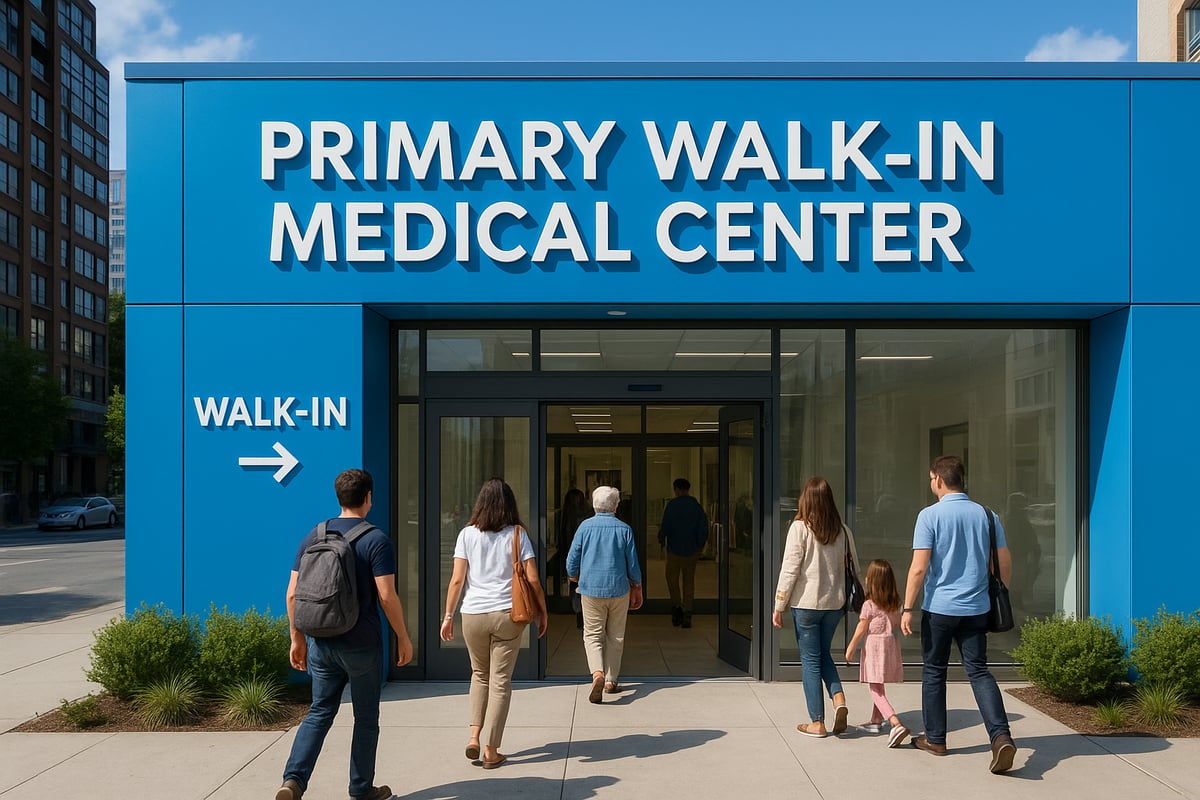
A primary walk in medical center is an on demand healthcare facility designed to treat non emergency medical needs without requiring an appointment. Unlike traditional primary care offices, these centers offer flexible access, making it easier for patients to get timely care.
Here's a simple comparison:
| Feature | Primary Walk In Medical Center | Traditional Primary Care | Urgent Care Center |
|---|---|---|---|
| Appointment Needed | No | Yes | No |
| Hours | Extended, incl. weekends | Standard office hours | Extended, incl. weekends |
| Services | Routine, preventive, minor acute | Comprehensive, chronic | Acute, minor emergencies |
| Insurance Accepted | Most plans | Most plans | Most plans |
The primary walk in medical center stands out by bridging the gap between urgent care and regular doctor's offices. These centers are found in standalone clinics, inside retail stores, and as part of integrated health systems. Since 2020, the number of walk in centers in the U.S. has grown significantly, reflecting a shift in patient preferences and healthcare delivery models. According to market research, retail clinics and walk in centers have seen steady growth, especially as they expanded hours and services to fit busy lifestyles.
Patient satisfaction has also risen, with many centers earning high ratings for their convenience and friendly staff. The rapid adoption of telehealth and virtual care options has further enhanced the accessibility of the primary walk in medical center, allowing patients to consult providers from home or on the go. For a more detailed overview of the services these centers provide, see the Primary walk-in services overview.
Why Are Walk-In Centers Gaining Popularity?
The rising popularity of the primary walk in medical center is driven by several key factors. First, convenience is a major draw. With extended hours, weekend availability, and same day access, patients no longer need to rearrange their schedules or wait weeks for appointments.
Affordability also plays a role. Many centers offer transparent pricing and accept a wide range of insurance plans, making them an accessible option for families, seniors, and professionals. Clean, welcoming facilities and short wait times contribute to a positive patient experience.
Demographic changes have expanded the reach of the primary walk in medical center. These centers now serve a broad spectrum of patients, from busy parents to older adults. Integration with digital health tools, such as mobile apps for booking and follow up, has made accessing care even easier.
The combination of fast, flexible service and digital innovation ensures that the primary walk in medical center remains a top choice for those seeking accessible, high quality care in today's evolving healthcare landscape.
Core Services Offered at Primary Walk-In Medical Centers
When you visit a primary walk in medical center, you gain access to a wide spectrum of healthcare services designed for convenience, efficiency, and quality care. These centers are structured to help patients address a variety of medical needs in one stop, from preventive checkups to immediate treatment for minor illnesses and injuries. Let us explore the core offerings you can expect at a modern primary walk in medical center.
Preventive and Routine Care
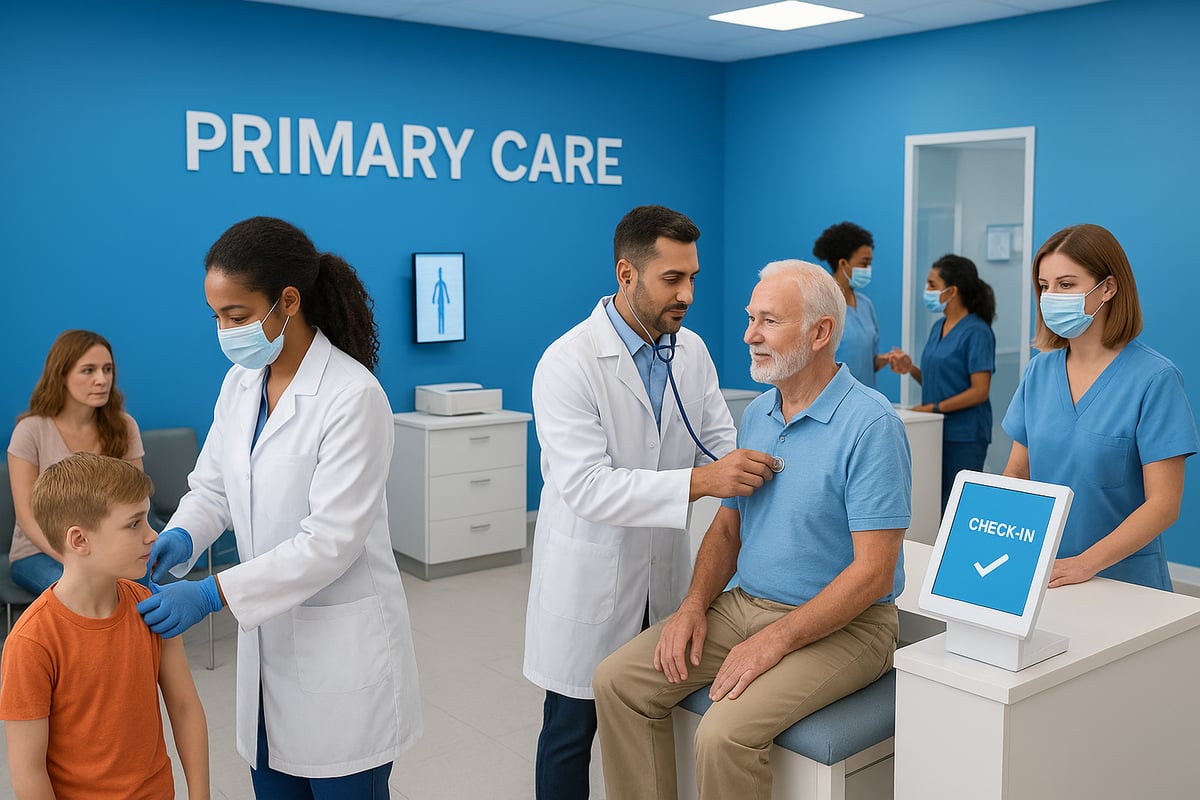
Preventive services are at the heart of every primary walk in medical center. These facilities offer annual physicals and wellness exams for all age groups, making it easy to stay on top of your health. Screenings for blood pressure, cholesterol, and diabetes are routinely available.
You can also receive immunizations, including flu shots and vaccines for children and adults. Counseling and health risk assessments are part of the standard care, empowering patients to make informed decisions. School, sports, and Department of Transportation (DOT) physicals are offered for students and workers needing documentation.
The primary walk in medical center makes preventive care accessible, helping you avoid the hassle of scheduling appointments weeks in advance.
Acute Illness and Injury Treatment
If you are feeling unwell or have a minor injury, a primary walk in medical center is equipped to provide prompt evaluation and treatment. Common conditions treated include colds, flu, sore throat, sinus infections, earaches, and minor fevers.
Injury care covers sprains, strains, minor fractures, lacerations, burns, and wound care. Many centers offer onsite x-rays for arms, legs, and chest to quickly assess injuries. Immediate care for mild allergic reactions, asthma attacks, and dehydration is also available.
The primary walk in medical center ensures you get rapid, expert attention for non-emergency issues, minimizing wait times and stress.
Diagnostic and Lab Testing
A primary walk in medical center offers comprehensive diagnostic and laboratory services under one roof. Onsite labs provide blood work, urinalysis, strep and flu tests, and COVID-19 testing, enabling fast diagnosis and treatment.
Additional services include STD screening, pregnancy testing, and screenings for diabetes and cholesterol. Many centers also provide drug and alcohol testing for employment or legal needs.
With quick turnaround times and real-time results, a primary walk in medical center streamlines the diagnostic process for patients who need answers fast.
Chronic Condition Management
Managing ongoing health conditions is a crucial function of any primary walk in medical center. Patients with diabetes, hypertension, asthma, or thyroid disorders can receive regular monitoring and medication adjustments.
Prescription refills and ongoing assessments are offered to keep chronic illnesses under control. Providers work closely with patients to develop management plans and schedule necessary follow-ups.
A primary walk in medical center bridges the gap between urgent care and long-term primary care, supporting patients who require continuous attention.
Specialized and Ancillary Services
Beyond general medicine, a primary walk in medical center delivers specialized and ancillary services tailored to diverse needs. Women’s health services include Pap smears, gynecological exams, and menopause counseling. Geriatric care is a growing focus, with offerings like fall risk assessments and memory screening. For more details, see geriatric care at walk-in clinics.
Mental health assessments and referrals are becoming more common, while travel vaccinations and preventive care for international trips are readily available.
This broad scope ensures that a primary walk in medical center can support patients at every stage of life.
Patient Experience and Support
Patient experience is a top priority at every primary walk in medical center. Staff assist with insurance verification and billing, helping patients understand their coverage and costs.
Multilingual services are increasingly available, catering to diverse communities. Clean, friendly, and efficient environments are consistently highlighted in patient reviews.
A primary walk in medical center is dedicated to making every visit smooth and stress-free, from check-in to follow-up care.
Innovations in Walk-In Medical Center Services for 2026
Advancements in healthcare are rapidly transforming the primary walk in medical center experience. In 2026, patients benefit from new technologies, expanded diagnostic capabilities, and a more personalized approach to care. These innovations are making walk-in visits faster, smarter, and more accessible than ever.
Technological Advancements
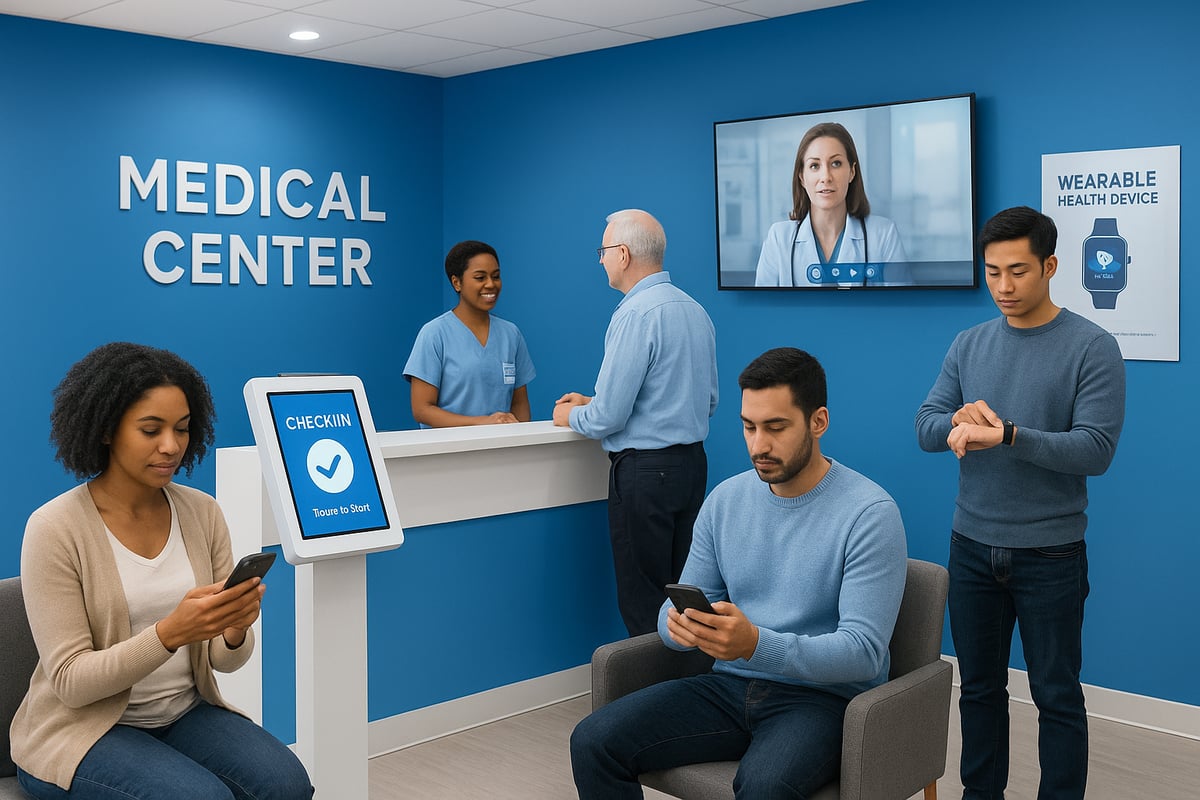
Technology is at the core of every modern primary walk in medical center. In 2026, digital check-in systems and online scheduling have become standard, allowing patients to book visits from their phones or computers. Telemedicine is widely adopted, enabling virtual consultations for both initial assessments and follow-ups.
Artificial intelligence supports symptom checkers and triage tools, helping patients receive the right care quickly. Electronic health record integration ensures providers access a complete medical history, creating a seamless care journey. To explore more about these trends, see the Healthcare Technology Trends in 2026 article for insights on AI and telemedicine’s impact.
Enhanced Diagnostic Capabilities
The diagnostic landscape at a primary walk in medical center is evolving fast. Onsite rapid testing for infectious diseases, such as flu, strep, and COVID 19, is now routine. Point of care imaging, including portable X rays and ultrasounds, allows for immediate evaluation of injuries or symptoms.
Remote monitoring devices are increasingly available, especially for patients managing chronic illnesses. These tools transmit vital data directly to healthcare providers, ensuring timely interventions. With these advancements, a primary walk in medical center delivers swift, accurate results to support better health decisions.
Personalized and Preventive Care
Personalization is redefining the primary walk in medical center model. Data driven wellness programs use patient history, risk factors, and lifestyle information to tailor preventive screenings and health plans. Providers develop chronic care management plans that integrate with digital tracking apps and wearable devices.
Preventive screenings are now more precise, considering age, gender, and individual risk. Patients can access their personalized care plans and progress through secure online portals. This focus on prevention helps reduce future health risks and empowers patients to stay proactive.
Patient-Centered Experience
Every primary walk in medical center in 2026 is designed with the patient in mind. Virtual waiting rooms allow patients to check in from their devices and receive real time updates on appointment status. Extended hours, including evenings and weekends, offer flexibility for busy schedules.
Integration with wearable devices further enhances the patient experience. These devices track vital signs, activity levels, and medication adherence, transmitting data directly to providers. The result is a smoother, more responsive visit, tailored to each patient’s needs.
Accessibility and Equity
Accessibility remains a top priority for the primary walk in medical center. There is a growing commitment to serving underserved and diverse communities. Centers now offer multilingual support and culturally competent care, ensuring everyone feels welcome.
Partnerships with public health organizations help extend services to those in need. Community outreach programs are expanding, bringing preventive care and education directly to at risk populations. This focus on equity ensures that the benefits of innovation reach every patient.
Insurance, Payment, and Cost Transparency in 2026
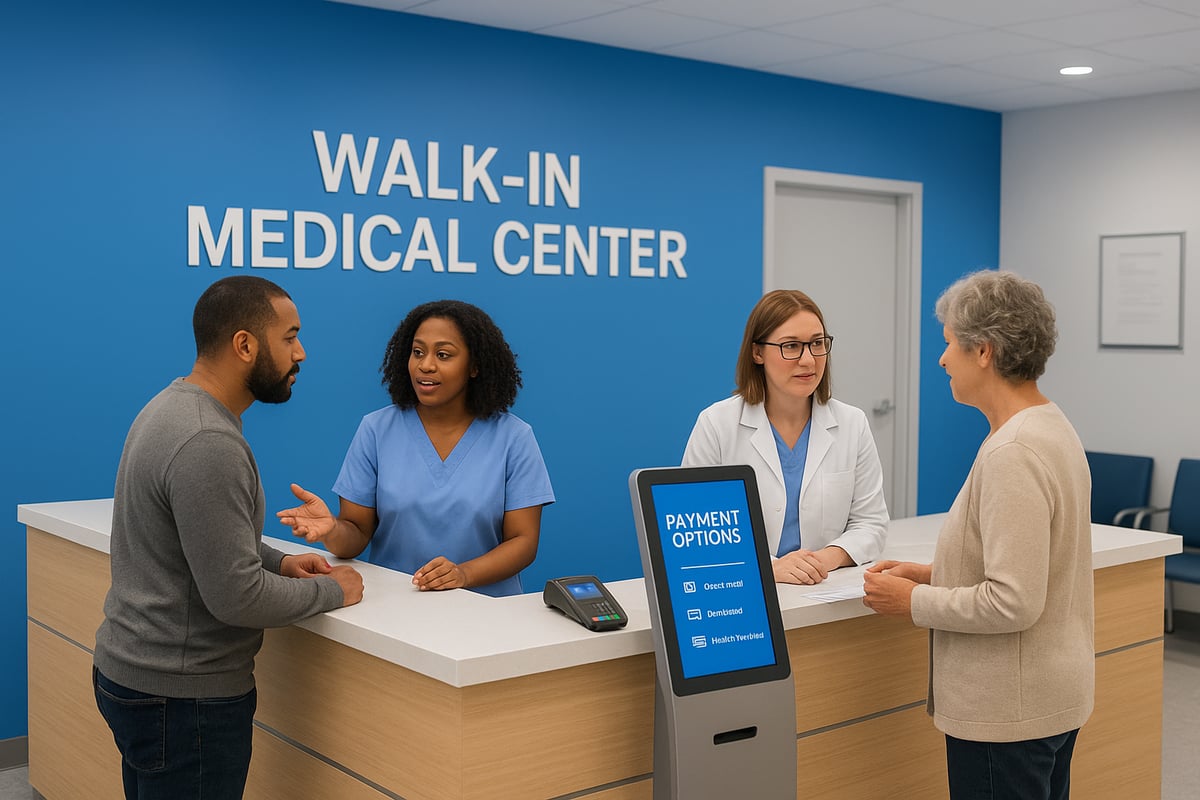
Navigating healthcare costs is a top concern for many patients. In 2026, primary walk in medical center facilities have made significant improvements in insurance acceptance, billing transparency, and payment flexibility. Understanding how these centers handle insurance and payments can help you make informed choices and avoid surprises when seeking care.
Insurance Coverage and Billing Practices
Most primary walk in medical center locations now accept a wide range of major insurance plans, making care more accessible for individuals and families. Streamlined insurance verification at check-in ensures patients know their coverage before services begin. Centers also provide up front pricing for common services, so you understand your costs right away.
Many facilities offer detailed estimates and explain any copays or deductibles. Self-pay options are available for those without insurance, often including sliding scale fees based on income. For more details about accepted plans and payment options, you can visit Insurance and fees for walk-in centers.
Navigating Out-of-Pocket Costs
At a primary walk in medical center, pricing transparency is a priority. Typical costs for services such as lab tests, physicals, or X-rays are clearly posted and explained during your visit. Common service prices can range from $10 for basic screenings up to $500 for more extensive tests. Patients are encouraged to check their insurance coverage for specific procedures prior to their appointment.
Flexible payment methods, including HSAs, FSAs, and payment plans, are widely accepted. This flexibility helps patients manage expenses and reduces the risk of unexpected bills. Always ask for a written estimate to compare costs and avoid confusion.
| Service Type | Typical Cost Range |
|---|---|
| Basic Lab Test | $10 – $50 |
| Physical Exam | $50 – $150 |
| X-ray | $75 – $250 |
| Advanced Tests | $200 – $500 |
Addressing Common Patient Concerns
Patients often have questions about what their insurance will cover at a primary walk in medical center. Before your visit, it is important to confirm that your plan is accepted and clarify what services are included. If your insurance does not cover a particular treatment, staff can explain self-pay rates or help you explore financial assistance.
If you receive a denied claim or spot a billing error, most centers provide step by step support for appeals. Bring your insurance card and any relevant documents to make the process smoother. Open communication with billing specialists ensures concerns are addressed promptly.
The Role of Digital Tools in Billing
Digital technology has transformed how primary walk in medical center facilities handle billing and payments. Online portals allow you to view statements, pay bills, and track insurance claims from any device. Mobile apps provide real time cost estimates and send reminders for outstanding balances.
These tools not only increase convenience but also give patients greater control over their healthcare finances. Secure digital records help you stay organized and make it easier to track spending for tax or reimbursement purposes. Adopting these innovations leads to a more transparent and stress free experience.
How to Choose the Right Walk-In Medical Center for Your Needs
Selecting the right primary walk in medical center can feel overwhelming with so many options in 2026. Understanding what matters most to you—whether it’s convenience, quality, or cost—can help you make an informed decision. Let’s break down the essential factors to consider so you get the best care for your needs.
Key Factors to Consider
When choosing a primary walk in medical center, start by looking at location and hours of operation. Proximity to your home or workplace ensures quick access when you need care. Many centers now offer extended evening and weekend hours, making it easier to fit visits into your schedule.
Review the range of services available. Some clinics provide only basic care, while others offer diagnostics, preventive screenings, and specialty services. Patient reviews can give insight into overall satisfaction and wait times. For a deeper understanding of how walk-in care compares to other options, see this Difference between urgent and walk-in care guide.
Evaluating Quality of Care
Quality should be a top priority when selecting a primary walk in medical center. Check the credentials of healthcare providers, such as physicians, nurse practitioners, and physician assistants. Board certification and years of experience are strong indicators of expertise.
Pay attention to cleanliness and safety protocols. A well-maintained facility reflects a commitment to patient health. Short wait times and efficient service are also important. Clear communication, both during and after your visit, helps ensure you understand your care plan and any follow-up steps.
Insurance and Payment Considerations
Before visiting any primary walk in medical center, confirm which insurance plans are accepted. Transparent billing practices and upfront cost estimates can help you avoid surprises. Understanding your copays, deductibles, and out-of-pocket maximums is crucial for budgeting your healthcare expenses.
Ask about self-pay options and financial assistance if you are uninsured or underinsured. Some centers offer sliding scale fees based on income, making care more accessible. Keep a copy of your insurance card and be prepared to verify benefits at check-in.
Accessibility and Inclusivity
A leading primary walk in medical center should accommodate diverse needs. Look for language support services, such as multilingual staff or translation assistance, especially if English is not your first language. Facilities should be wheelchair accessible and comply with ADA standards for patients with disabilities.
Telehealth options are now common, offering virtual visits for those who cannot attend in person. Culturally competent care and sensitivity to different backgrounds help foster trust and improve patient outcomes for everyone.
Tips for First-Time Visitors
When preparing for your first visit to a primary walk in medical center, bring your photo ID, insurance card, and a list of current medications. If you have relevant medical records, such as recent test results or vaccination history, include those as well.
Prepare a list of symptoms or questions to discuss during your appointment. Arrive early to complete any necessary paperwork. During your visit, ask about follow-up procedures and how results will be communicated to you so you leave feeling confident about your care.
The Future of Primary Walk-In Medical Centers: Trends and Predictions
The future of the primary walk in medical center is bright, driven by evolving care models, advanced technologies, and a growing emphasis on patient experience. As healthcare needs shift, these centers are adapting quickly, promising more convenient and comprehensive care for all.
Expansion of Integrated Care Models
Integrated care is reshaping the landscape of the primary walk in medical center. More centers are now part of larger health systems, allowing for seamless referrals and collaboration with specialists.
This trend supports better continuity of care. Patients can access a range of services from routine checkups to specialty consultations in one place.
Partnerships with hospitals, retail clinics, and community programs are expected to expand further. According to the Retail Clinics Market Growth Forecast, the growth of retail-based clinics is accelerating, signaling greater integration across healthcare networks.
Digital Health and Virtual Care
Digital innovation is at the forefront of the primary walk in medical center transformation. Telemedicine is now standard, enabling patients to consult with providers from home or work.
Centers are adopting digital check-ins, online scheduling, and mobile apps to streamline every step. The Impact of Technology on Walk-In Clinics highlights how these tools are improving patient flow and satisfaction.
Remote monitoring and digital health coaching are also expanding. These advancements help manage chronic conditions and maintain continuity between in-person and virtual visits.
Focus on Preventive and Population Health
A primary walk in medical center increasingly emphasizes prevention and community health. Outreach programs offer screenings, vaccinations, and education directly to local populations.
Data-driven strategies identify at-risk groups and tailor interventions accordingly. Preventive care is no longer limited to annual checkups but includes proactive follow-ups and reminders.
By focusing on population health, centers play a vital role in reducing hospitalizations and improving overall well-being in their communities.
Patient Empowerment and Self-Service
Empowering patients is a central goal for the modern primary walk in medical center. Patients now have easier access to their health records and can manage appointments through secure online portals.
Self-service kiosks speed up check-ins while personalized care plans guide patients in managing their health. Wearable devices and mobile apps allow for real-time symptom tracking and communication with care teams.
This empowerment fosters greater engagement, helping patients take charge of their health journey.
Responding to Public Health Challenges
Flexibility is essential for the primary walk in medical center when facing public health emergencies. These centers can quickly adapt by offering rapid testing, vaccination drives, and urgent care during outbreaks.
They also collaborate with local agencies to provide disaster relief and health education. Their adaptable service models ensure communities have reliable access to care in times of crisis.
Data-Driven Quality Improvement
Continuous improvement is a hallmark of the future primary walk in medical center. Centers use patient feedback, outcome data, and national benchmarks to refine services.
Regularly measuring wait times, satisfaction, and care quality leads to higher standards across the board. As these centers evolve, their commitment to quality ensures they remain a trusted choice for accessible, high-value care.
As you consider your healthcare options for 2026, remember that walk in medical centers are designed to fit your busy life—offering same day care, comprehensive services for all ages, and the support of in house specialists. If you value convenience, personalized attention, and modern medical advances, making your health a priority has never been easier. Whether you need a routine checkup, help with a sudden illness, or ongoing management of a chronic condition, you deserve care that works on your schedule. Ready to take the next step in your wellness journey? Book Appointment