Modern medicine is evolving at an extraordinary pace, presenting both challenges and opportunities for every physician physicians. Today’s professionals must keep up with new treatments, shifting regulations, and advances in digital health.
"Physician Physicians Guide: Your Essential Handbook 2026" was created to support you through these changes. This guide delivers the latest clinical updates, regulatory insights, technology integration strategies, patient communication skills, career advancement tools, and wellness resources.
With this handbook, you can streamline your workflow, boost patient care, and achieve greater career satisfaction. Make it your trusted reference as you navigate the future of healthcare.
Navigating the Evolving Healthcare Landscape
Modern medicine is constantly reshaped by new policies, care models, and regulatory demands. For physician physicians, staying ahead requires not just clinical skill, but also adaptability and awareness of the broader healthcare environment.

Shifting Healthcare Policies and Regulations
Healthcare policy is never static, and 2026 brings notable regulatory shifts. Physician physicians must track CMS updates, especially those affecting telehealth reimbursement and value-based care. In 2024, telehealth visits rose by 30 percent as regulations relaxed, demonstrating the rapid impact of policy on practice.
New mandates on health equity require physician physicians to document social determinants and address gaps in care. Value-based models now tie reimbursement to patient outcomes, not just services rendered. For example, bundled payments and quality benchmarks have become the norm in many specialties.
A proactive approach includes regular review of policy updates and participation in professional organizations that advocate for physician physicians. Understanding these changes ensures compliance and positions practices for success in a shifting landscape.
Adapting to New Models of Care Delivery
The last few years have seen a surge in team-based, patient-centered care models. Physician physicians are increasingly working within Patient-Centered Medical Homes (PCMHs) and Accountable Care Organizations (ACOs), where coordinated, interdisciplinary teams deliver seamless care.
Integration of behavioral health and specialty services into primary care settings enhances patient outcomes. Physician physicians at integrated care clinics report improved chronic disease management and patient satisfaction. For instance, clinics combining mental health and primary care have reduced emergency visits by offering comprehensive support.
To thrive, physician physicians must embrace collaboration, leverage the skills of nurse practitioners and pharmacists, and participate in shared decision-making. These models foster better care coordination and enable physician physicians to focus on complex clinical decisions.
Managing Administrative Burden
Administrative tasks can consume up to 16.6 percent of a physician’s workweek, according to the AMA in 2023. For physician physicians, reducing paperwork and optimizing EHR usage is essential for reclaiming time and preventing burnout.
Strategies include utilizing EHR templates, voice recognition tools, and AI-powered assistants to automate documentation. Physician physicians adopting these tools report faster charting and fewer errors. Practices are also delegating non-clinical tasks to support staff, freeing up more time for patient care.
Regular workflow assessments help physician physicians identify bottlenecks and implement process improvements. Embracing technology and task delegation can transform administrative challenges into opportunities for efficiency.
Staying Compliant: What Every Physician Needs to Know
Compliance remains a top priority for physician physicians. HIPAA regulations have been updated to address emerging cybersecurity threats, mandating stronger encryption and regular staff training. Physician physicians must also keep up with changes in mandatory CME and state licensure renewal requirements.
Common compliance pitfalls include outdated privacy policies, incomplete documentation, and lack of audit trails. Physician physicians should establish regular compliance reviews and utilize checklists to avoid errors. For example, integrating cybersecurity best practices into daily routines can protect patient information from breaches.
Staying informed about regulatory updates and participating in compliance training ensures that physician physicians safeguard their practices and maintain patient trust.
The Future of Physician Roles
The scope of practice for physician physicians is expanding rapidly. Telemedicine, population health, and leadership opportunities are reshaping traditional roles. Many physician physicians now split time between clinical care and non-clinical pathways, such as administration or quality improvement.
Recent workforce studies highlight a rise in physician physicians pursuing roles in health informatics, policy, and education. For more on evolving responsibilities, see Primary Physician Roles and Services, which explores the diverse functions central to modern practice.
Embracing new roles and continuous learning allows physician physicians to remain resilient and fulfill emerging needs within the healthcare system.
Essential Clinical Updates for 2026
Staying current with clinical guidelines is critical for every physician physicians seeking to provide optimal patient care in 2026. This year brings significant updates across primary and specialty care, evidence-based practice tools, health equity strategies, and preventive medicine initiatives. Understanding these changes helps physician physicians remain leaders in a rapidly evolving field.

Latest Guidelines in Primary Care
Primary care guidelines for 2026 reflect the ongoing evolution in chronic disease management. Hypertension protocols now prioritize early intervention, risk stratification, and lifestyle modification. Diabetes care has also seen major updates, with the 2026 ADA Diabetes Care Standards introducing new recommendations for screening and medication selection.
Physician physicians must compare society guidelines to select the best approach. For example, the latest cholesterol management protocol emphasizes non-statin options for high-risk patients. Staying informed ensures physician physicians deliver evidence-aligned care in the clinic each day.
Advances in Specialty Medicine
Specialty fields such as cardiology and oncology are undergoing rapid transformation. This year, breakthroughs include new heart failure therapies, targeted cancer treatments, and advances in infectious disease management. Personalized medicine is more accessible, with genetic profiling guiding nearly 40% of cancer therapies.
Physician physicians are now expected to integrate genomics into routine care, using molecular diagnostics to tailor treatment. These advances empower physician physicians to offer precision care and improved patient outcomes, keeping their practice at the forefront of innovation.
Integrating Evidence-Based Practice
Access to real-time clinical evidence is more important than ever. Mobile apps and online databases offer physician physicians instant updates on new studies and protocols. Tools like point-of-care guidelines and decision-support systems streamline workflow.
A recent case study highlighted that implementing evidence-based protocols led to a measurable decrease in hospital readmissions. Physician physicians who leverage these resources can ensure their clinical decisions are grounded in the latest research, enhancing patient safety and quality of care.
Addressing Health Disparities
Reducing health disparities remains a top priority for physician physicians. Providing culturally competent care involves understanding language barriers, beliefs, and values. Screening for social determinants of health, such as housing and food security, is now a routine part of patient assessment.
Community outreach programs have shown success in lowering readmission rates and improving access. Physician physicians play a vital role in advocating for and implementing interventions that address the root causes of health inequities, fostering better outcomes for all patient populations.
Preventive Medicine and Population Health
Preventive care is central to the mission of physician physicians in 2026. Updated vaccination schedules and public health campaigns target emerging threats and routine immunizations. Physicians are increasingly involved in chronic disease prevention, utilizing risk assessment tools and patient education.
According to the CDC, preventive care initiatives now reduce long-term healthcare costs by 20%. Physician physicians who champion these efforts help build healthier communities and demonstrate the value of proactive, population-based care.
Harnessing Medical Technology and Digital Tools
In 2026, physician physicians find themselves at the forefront of a digital revolution in healthcare. Leveraging new technologies is no longer optional, but essential for delivering efficient, high-quality care. This section explores the latest tools and strategies to help physician physicians thrive in an increasingly connected medical landscape.

Telemedicine and Virtual Care Best Practices
Telemedicine remains a transformative force for physician physicians, expanding access and flexibility in patient care. Mastering remote examination techniques, such as guiding patients through self-assessment or using connected devices, ensures clinical accuracy.
Patient engagement tools, including secure messaging and remote monitoring, enhance follow-up and chronic disease management. Notably, telehealth adoption doubled in rural communities between 2023 and 2025. Staying updated with reimbursement changes is vital—see the 2026 CMS Telehealth Reimbursement Updates for the latest on billing and coverage.
For physician physicians, integrating these practices streamlines workflows and improves patient satisfaction.
EHR Optimization and Data Analytics
Efficient use of electronic health records is a cornerstone for physician physicians seeking to optimize practice operations. Customizing EHR workflows, such as creating specialty-specific templates and leveraging voice recognition, reduces time spent on documentation.
Data analytics now empower physician physicians to identify at-risk populations and track outcomes. In 2026, 68% of practices report better patient outcomes through EHR-driven analytics. Consider using dashboards to visualize trends in preventive care, medication adherence, and appointments.
Continuous EHR training supports ongoing improvement, helping physician physicians adapt to evolving digital requirements.
Artificial Intelligence in Clinical Decision-Making
Artificial intelligence is rapidly shaping the daily routines of physician physicians. AI-powered diagnostic systems assist in triage, pattern recognition, and early disease detection, such as identifying sepsis or diabetic retinopathy before symptoms escalate.
These tools provide evidence-based recommendations, allowing physician physicians to make data-informed decisions quickly. For instance, AI can alert clinicians to abnormal lab results or suggest guideline-based interventions.
A growing number of physician physicians now rely on these systems to reduce errors and enhance diagnostic confidence, making AI a trusted partner in modern care.
Mobile Health Apps and Wearables
Mobile health apps and wearables are indispensable for physician physicians aiming to monitor patient progress beyond clinic walls. Top apps in 2026 support medication reminders, symptom tracking, and secure patient-provider communication.
Wearables, from smartwatches to glucose monitors, supply real-time health data. Physician physicians can use this information to adjust care plans and detect issues early.
List of recommended tools for physician physicians:
- Remote monitoring apps for chronic disease
- Wearable ECG and blood pressure monitors
- Patient engagement platforms with telehealth integration
These innovations support adherence, improve outcomes, and foster proactive care.
Cybersecurity and Data Privacy
With digital adoption comes the responsibility for cybersecurity, a top concern for physician physicians in 2026. Healthcare data breaches rose by 15% in the past year, highlighting the need for robust security protocols.
Best practices include regular password updates, multi-factor authentication, and staff training on phishing threats. Physician physicians must also stay informed about evolving regulations and ensure compliance with all data privacy standards.
By prioritizing cybersecurity, physician physicians protect both their patients and their professional reputation in a digital era.
Mastering Patient Communication and Relationship Building
In 2026, the expectations for physician physicians are higher than ever. Effective communication and strong relationships are the foundation of quality care. Mastering these skills not only improves patient outcomes but also enhances the daily experience of every physician physicians. Let’s explore the key elements that define exceptional patient interaction.
Principles of Patient-Centered Communication
Physician physicians must prioritize patient-centered communication to build trust and ensure understanding. Techniques such as active listening, open-ended questions, and displaying empathy are essential. Addressing health literacy and cultural differences can reduce misunderstandings and foster better outcomes.
For example, using the teach-back method, where patients repeat information in their own words, helps physician physicians confirm comprehension. This approach leads to fewer errors and stronger partnerships. Consistently applying these principles transforms routine visits into meaningful interactions.
Navigating Difficult Conversations
Difficult conversations are an inevitable part of every physician physicians' role. Delivering bad news or discussing uncertain prognoses requires sensitivity, clear language, and emotional intelligence. Setting realistic expectations and engaging in shared decision-making can prevent confusion and frustration.
Data shows that 70% of malpractice claims involve a breakdown in communication, highlighting the importance of these skills. Physician physicians who approach tough discussions with compassion and transparency help patients feel respected and supported, even in challenging moments.
Enhancing Patient Engagement and Adherence
Motivating patients to participate in their care is a crucial responsibility for physician physicians. Strategies like motivational interviewing and personalized goal setting encourage behavioral changes. Technology also plays a role—text reminders, patient portals, and mobile apps make it easier for patients to follow treatment plans.
For instance, text reminder systems have been shown to boost medication adherence by 25%. Physician physicians who leverage these tools create a collaborative environment, empowering patients to take an active role in their health journey.
Managing Conflict and Preventing Burnout
Dealing with conflict is a reality for physician physicians, whether it arises with patients, families, or colleagues. Using de-escalation techniques, maintaining professional boundaries, and practicing self-care are vital. Balancing the emotional demands of the profession requires intentional support and resources.
Peer support programs and institutional wellness initiatives can make a significant difference. By prioritizing their own well-being, physician physicians are better equipped to manage stress, prevent burnout, and maintain high standards of patient care.
Dominion Health: Comprehensive Primary Care Support
Dominion Health exemplifies the patient-centered approach that physician physicians strive for. With same-day appointments, integrated care, and in-house specialty services, patients of all ages in San Antonio receive coordinated, personalized attention.
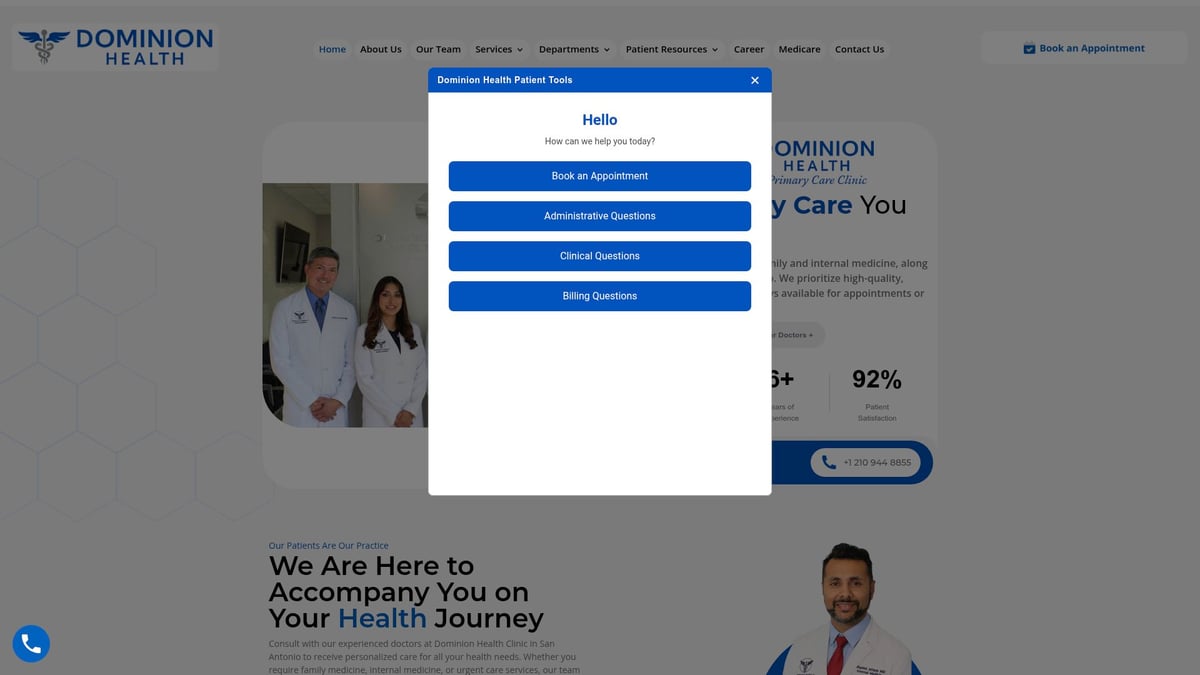
The clinic’s patient portal, virtual visits, and extended hours streamline communication, making it easy for physician physicians and patients to stay connected. Dominion Health’s team-based care model brings together expertise from various disciplines, ensuring seamless urgent, preventive, and chronic disease management. This environment supports the relationship-building and communication strategies crucial for modern physician physicians.
Career Development, Well-being, and Future-Proofing Your Practice
Navigating the dynamic world of medicine requires ongoing growth and adaptability. For physician physicians, investing in professional development, personal wellness, and innovative strategies ensures not only career satisfaction but also resilience in the face of change.
Lifelong Learning and Continuing Medical Education
Staying at the forefront of medical knowledge is essential for physician physicians. In 2026, the best CME resources blend flexibility and depth, including online platforms, interactive webinars, and microlearning modules. Many young doctors are embracing microcredentialing to keep skills sharp and relevant.
Popular CME platforms offer specialty certifications, allowing physician physicians to tailor learning to their interests and patient needs. Consider building a routine for regular updates, ensuring compliance with state requirements. Continuous education not only enhances patient care but also boosts confidence and adaptability in rapidly changing environments.
Building Leadership and Non-Clinical Skills
Developing non-clinical abilities is increasingly important for physician physicians aiming to advance their careers. Skills such as healthcare management, negotiation, and advocacy empower physicians to lead teams, influence policy, and drive organizational change.
Opportunities abound in administration, informatics, and healthcare policy. According to a 2025 survey, 22% of physician physicians pursue non-clinical roles, reflecting the value of versatile expertise. Participating in leadership workshops or mentorship programs can open doors to new career paths and foster professional growth within and beyond clinical settings.
Physician Wellness and Burnout Prevention
Physician physicians face unique challenges that can impact well-being. Evidence-based self-care strategies, such as mindfulness, peer support, and flexible scheduling, have been shown to reduce burnout. Organizations that prioritize wellness programs report a 10% drop in burnout rates.
Creating a culture of support is key. Engaging in regular self-assessment, seeking help when needed, and participating in institutional wellness initiatives can make a significant difference. By prioritizing health and balance, physician physicians can sustain their passion for medicine and deliver better patient care.
Financial Planning and Practice Management
Effective financial management is crucial for physician physicians at every career stage. Navigating compensation models, understanding student debt, and evaluating practice ownership versus employment are vital considerations. Hybrid practice models are gaining popularity, offering flexibility and stability.
For those exploring group practice or primary care settings, Primary Care Doctors for Adults illustrates the benefits of collaborative practice and comprehensive patient care. Careful financial planning and awareness of evolving healthcare business models help physician physicians secure long-term professional and personal success.
Embracing Change and Innovation
Adaptability is the cornerstone of a sustainable career for physician physicians. Embracing new technologies, staying attuned to shifting patient expectations, and cultivating resilience are essential strategies for future-proofing your practice.
Physician innovators are shaping the next decade by integrating digital tools, participating in medical research, and leading quality improvement initiatives. By fostering a mindset of lifelong learning and openness to change, physician physicians can thrive in a landscape defined by constant evolution.
As you navigate the ever-changing world of medicine, having access to up-to-date resources and comprehensive support can make all the difference. Our guide highlights how integrated, patient-centered care and timely expertise empower you to deliver your best—whether you’re adapting to new technologies, managing complex cases, or supporting your patients’ well-being. If you’re ready to experience coordinated care and same-day access for you or your loved ones, I encourage you to take the next step and Book Appointment with our dedicated team. Your journey toward better health and professional growth starts here.