As healthcare rapidly evolves, understanding the essentials of general family medicine in 2026 is more crucial than ever for families seeking comprehensive, lifelong care. Family medicine now plays a pivotal role in tackling complex health needs while delivering truly personalized care. By staying informed, you empower yourself to make smarter choices for your own health and that of your loved ones. This guide provides actionable insights, offering an in-depth look at the latest in general family medicine. You will discover the scope of services, the modern care team, the patient journey, cutting-edge technology, insurance considerations, and future trends—equipping you to navigate your healthcare confidently.
The Scope of General Family Medicine in 2026
General family medicine stands at the core of modern healthcare, offering accessible, continuous, and comprehensive care for individuals and families. In 2026, this field remains the foundation for primary care, adapting to new health challenges and serving diverse patient populations.

What is General Family Medicine?
General family medicine is a primary care specialty defined by its commitment to whole-person care across all ages and stages of life. Family physicians focus on prevention, early detection, and effective management of both acute and chronic illnesses.
Unlike specialties such as pediatrics or internal medicine, general family medicine provides a broad spectrum of services for infants, children, adults, and seniors. Families often rely on their family physician as the first point of contact for health needs, whether it's a sudden illness, routine checkup, or ongoing management of chronic conditions.
The approach is rooted in building long-term relationships, understanding patients' unique backgrounds, and delivering personalized care. According to the CDC in 2025, nearly 60% of Americans depend on general family medicine for their primary health needs, highlighting its pivotal role in the healthcare system.
Services Provided by Family Physicians
Family physicians deliver a wide range of services designed to meet the everyday and long-term health needs of their communities. Preventive care is central, including annual physicals, screenings, and immunizations to protect against diseases and detect issues early.
Acute care addresses sudden illnesses and injuries, offering swift treatment and follow-up. Chronic disease management forms a significant part of general family medicine, with physicians guiding patients through conditions such as diabetes, hypertension, and asthma.
Additional services include women's health, pediatric care, and geriatric support, all under one roof. Family physicians also coordinate with specialists when advanced care is needed, ensuring seamless communication and continuity. For example, a child may receive well-baby checkups, while a senior benefits from wellness exams, all within the same practice.
Statistics show that 80% of chronic disease management visits are handled by family doctors. To explore the full range of offerings, visit the Family medicine services overview.
The Patient-Centered Medical Home Model
The Patient-Centered Medical Home (PCMH) model has transformed general family medicine by fostering team-based, coordinated care. In this approach, physicians, nurse practitioners, physician assistants, nurses, and support staff work collaboratively to address the complete health needs of each patient.
This model emphasizes accessibility, comprehensive services, and strong communication among team members. Patients benefit from coordinated care plans, easier access to appointments, and proactive follow-up. For example, managing diabetes or mental health concerns often involves input from multiple professionals, ensuring no aspect of care is overlooked.
The PCMH model has proven benefits. Practices adopting this approach have seen improved patient outcomes and higher satisfaction rates. According to AHRQ, adoption of the PCMH model in family medicine has increased by 20% since 2022, reflecting its growing importance in delivering quality care.
Family Medicine for All Life Stages
General family medicine is unique in its ability to provide cradle to grave care. Family physicians care for children, teens, adults, and seniors, supporting patients through every transition in life.
This includes adolescent health, reproductive care, and guidance for aging and end-of-life planning. Prevention remains a focus at each stage, with screenings and wellness advice tailored to individual needs.
A family doctor often manages care for multiple generations, building deep relationships and understanding family health patterns. This comprehensive approach helps families navigate health changes together. Research shows that 75% of families prefer a single provider for all members, underscoring the trust and value placed on general family medicine.
The Modern Family Medicine Care Team
A strong care team is the backbone of general family medicine. Patients benefit from a collaborative environment where diverse professionals work together to deliver comprehensive, continuous care. In 2026, these teams are more essential than ever for meeting the complex needs of individuals and families.

Roles Within the Family Medicine Team
The core of general family medicine is a multidisciplinary team. Family physicians (MD or DO), nurse practitioners, and physician assistants serve as primary providers. Nurses, medical assistants, and care coordinators contribute essential clinical and administrative support.
Support staff manage billing, scheduling, and patient education, ensuring smooth operations. Effective teamwork helps create tailored care plans for each patient. For a closer look at how these professionals collaborate, visit Meet our family care team.
Collaboration is crucial. For example, a physician may diagnose a chronic illness, while a nurse practitioner manages follow-up care. Data from the AMA in 2025 reveals that 90% of family practices now employ multidisciplinary teams for optimal outcomes.
Training and Expertise
Providers in general family medicine undergo extensive training. Physicians complete a family medicine residency, typically three years, covering care for all ages and conditions. Nurse practitioners and physician assistants receive advanced clinical education and certification.
Ongoing learning is vital. All team members pursue continuing education to stay current with guidelines and technology. Accreditation and board certification ensure providers are equipped for evolving patient needs.
Residency programs, like Maine Dartmouth Family Medicine Residency, prepare new doctors for real-world challenges. More than 3,000 new family physicians are trained each year in the United States, strengthening the specialty’s future.
Patient Experience and Satisfaction
Patient experience is a key measure of success in general family medicine. Teams prioritize clear communication, empathy, and building trust with every patient. High satisfaction scores, such as MaineGeneral’s 4.7 out of 5 rating, reflect this commitment.
Accessibility is another priority. Practices offer same-day appointments and telehealth options to meet diverse needs. Many clinics report high patient retention rates, showing the value of ongoing relationships.
Patient-centered practices consistently achieve 15% higher satisfaction, according to national data. This approach ensures patients feel heard, respected, and supported at every visit.
Collaboration and Coordination of Care
Effective care in general family medicine relies on seamless collaboration. Teams coordinate referrals to specialists, hospitals, and community resources when advanced care is needed. This process includes handling paperwork and insurance authorizations efficiently.
For complex cases, providers work together to manage multiple conditions or transitions between care settings. Integration with behavioral health, pharmacy, and social services leads to better outcomes.
Research shows a 70% reduction in hospital readmissions when care is well-coordinated. This collaborative approach ensures patients receive the right care at the right time, improving long-term health and satisfaction.
The Patient Journey: From Appointment to Ongoing Care
Navigating the patient journey in general family medicine has become more streamlined and patient-focused than ever before. Every step, from scheduling your first visit to managing ongoing needs, is designed for convenience and clarity. Understanding this process empowers you to make informed choices and maximize the benefits of your care team.
Scheduling and Accessing Care
Booking an appointment in general family medicine is now easier than ever before. Patients can choose from several options, including calling the clinic, using online scheduling tools, or logging into secure patient portals. Many practices offer same-day and urgent care slots, ensuring that your immediate health needs are addressed quickly.
Preparation before your visit is key. Gather your health history, medication lists, and any questions for your provider. This helps the care team personalize your experience and streamlines your time at the clinic.
For new patients, understanding how to start the process is essential. Resources like becoming a new patient provide step-by-step guidance on registration, document submission, and what to expect during your first appointment. Most general family medicine practices now offer minimal wait times and prioritize advance scheduling to accommodate busy families.
What to Expect During Your Visit
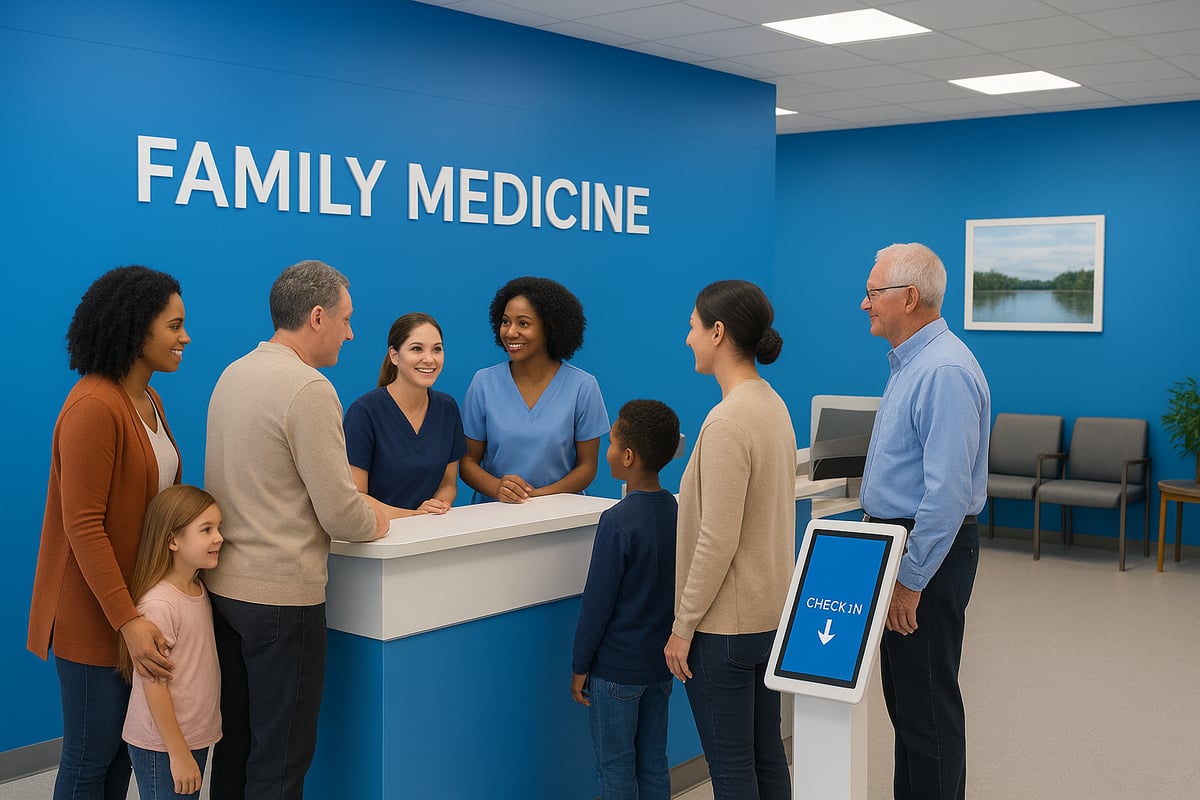
Your journey through general family medicine begins at check-in, where staff confirm your information and review your health history. The care team will measure your vital signs and may ask targeted questions based on your age, risk factors, or symptoms.
During the visit, comprehensive assessments are standard. These include physical exams, screenings for chronic conditions, and lab work when necessary. Providers in general family medicine emphasize shared decision-making, explaining options and involving you in care choices.
Patient education is also a core component. You can expect clear information about preventive care, lifestyle changes, and follow-up steps. Annual wellness visits are structured to maximize preventive screenings, with 95% of patients receiving recommended checks during these appointments. This proactive approach helps detect issues early and supports long-term health.
Managing Test Results and Follow-Up
After your appointment, managing test results is a critical aspect of general family medicine. Most practices use secure digital portals to communicate lab results, imaging findings, and provider notes. This ensures you receive timely updates, often within one to two weeks for standard tests.
Clear communication is prioritized. Practices inform patients about expected timelines for results, and urgent findings are relayed quickly by phone or secure message. Follow-up appointments are scheduled as needed, allowing your care plan to be adjusted based on new information.
General family medicine emphasizes continuity. If you have ongoing health concerns, your provider will work with you to monitor progress and modify treatments. This approach strengthens trust and supports better health outcomes for every patient.
Prescription Management and Refills
Effective prescription management is a cornerstone of general family medicine. Providers coordinate with pharmacies through electronic systems, allowing for fast and accurate medication orders. E-prescribing now accounts for 70% of prescriptions, reducing errors and improving safety.
To request a refill, patients can use the patient portal, call the office, or have their pharmacy send a request. Many practices, such as MaineGeneral, fulfill refills within 24 to 48 hours, ensuring you do not experience gaps in necessary medication.
Medication adherence is emphasized. Your care team provides tips on managing doses, understanding side effects, and safely storing medications. With the support of general family medicine providers, patients are empowered to manage their prescriptions and avoid potential complications.
Referrals and Specialist Coordination
In general family medicine, referrals to specialists are made when additional expertise or procedures are needed. Your primary care team will explain the reason for the referral, help with insurance pre-authorization, and handle paperwork to ensure a smooth transition.
Coordination is key. Family medicine teams communicate directly with specialists, sharing relevant records and updates to maintain continuity of care. This collaborative process is especially important for patients with chronic or complex conditions.
Approximately 60% of specialist referrals originate from general family medicine practices, highlighting their central role in managing comprehensive health needs. By facilitating seamless communication and follow-up, your primary care team ensures you receive the best possible care at every stage.
Innovations and Technology in Family Medicine
The future of general family medicine is being shaped by rapid advancements in technology and innovative care models. These developments are making healthcare more accessible, efficient, and patient-centered than ever before.
Telemedicine and Virtual Visits
Telemedicine has become a cornerstone of general family medicine, revolutionizing how patients connect with their care teams. Since the pandemic, virtual visits have grown exponentially, offering flexibility for follow-ups, minor illnesses, and chronic disease management.
Patients can now consult their family doctor from home, reducing travel and wait times. This approach benefits those in rural areas or with mobility challenges, ensuring equitable access to care. For example, medication management and routine check-ins are often handled through secure video platforms.
According to recent data, half of all family medicine visits now include a telehealth option. This shift highlights the essential role of telemedicine in general family medicine, allowing patients to receive timely, high-quality care wherever they are.
Electronic Health Records (EHR) and Patient Portals
Digital transformation is at the heart of general family medicine, with nearly all clinics now using certified electronic health records. EHRs streamline documentation, support care coordination, and enable powerful analytics for better health outcomes.
Patient portals have also become standard, allowing individuals to schedule appointments, access test results, and communicate securely with providers. Privacy remains a top priority, with robust security measures in place to protect sensitive information.
A leading example is the FollowMyHealth® Patient Portal, which empowers patients to stay informed and engaged in their care. In general family medicine, these digital tools enhance communication, efficiency, and patient satisfaction.
In-House Ancillary Services and Integrated Care
General family medicine practices increasingly offer in-house ancillary services, such as labs, imaging, and specialty support. These integrated resources enable faster diagnoses and seamless transitions between different types of care.
Having onsite services means patients can complete tests and receive results without leaving their primary clinic. This streamlined approach improves outcomes and reduces delays in treatment. For instance, clinics like Dominion Health provide rapid access to lab work and specialist consultations under one roof.
Recent statistics show that 40 percent of family practices now offer these valuable in-house services, reflecting a broader trend toward comprehensive, patient-centered general family medicine.
Dominion Health: Comprehensive Family Medicine Services in San Antonio
Dominion Health sets a benchmark for innovation in general family medicine in San Antonio, Texas. Their clinics deliver a full spectrum of care, from prevention and chronic disease management to urgent needs and specialty support.
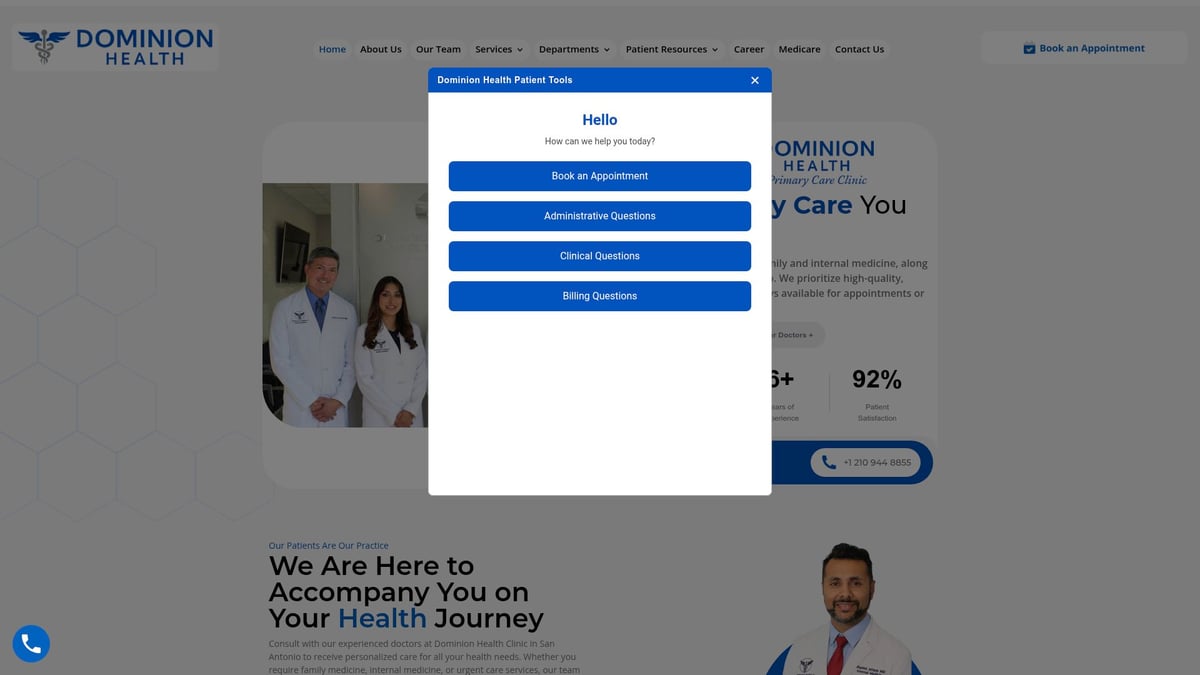
Patients benefit from in-house ancillary services, streamlined referrals, and access to sub-specialists, all coordinated by a dedicated care team. Dominion Health also offers same-day appointments, telemedicine options, and a patient-centered approach tailored to diverse communities.
With board-certified providers, advanced technology, and a strong commitment to accessibility, Dominion Health exemplifies how general family medicine is evolving to meet the needs of individuals and families in 2026.
Insurance, Billing, and Payment in Family Medicine
Navigating insurance, billing, and payment is a vital part of the general family medicine experience. Understanding these processes helps families avoid surprises and ensures access to the care they need. Let us break down the essentials to help you make informed decisions about your healthcare journey.
Understanding Insurance Coverage
Insurance coverage plays a significant role in accessing general family medicine. Most clinics accept a range of plans, including:
- Private insurance
- Medicare
- Medicaid
- Tricare
Before scheduling an appointment, it is essential to verify your coverage and understand your benefits. Insurance plans can affect which services, referrals, and medications are included. For example, many practices, such as MaineGeneral, accept all local private plans, making it easier for patients to stay within their network.
A recent report found that 90% of general family medicine patients use insurance for their visits. To learn more about what insurance covers and how billing works, review this Insurance and billing information resource for further details.
Billing Procedures and Patient Responsibilities
Billing in general family medicine is typically straightforward, but there are important details to know. Patients are usually responsible for:
- Co-pays at the time of service
- Meeting deductibles before coverage begins
- Covering out-of-pocket expenses for services not included in their plan
Diagnostic tests, lab work, and procedures may be billed separately from the main visit. Payment methods often include credit card, check, or online payment portals. For example, MaineGeneral processes billing through the medical center, but you may receive a separate bill for diagnostic services.
About 65% of patients pay their co-pay during the visit. Staying informed about billing practices in general family medicine helps avoid misunderstandings and ensures a smoother experience.
Financial Assistance and Self-Pay Options
Not everyone has comprehensive insurance, but general family medicine practices strive to make care accessible. Many offer financial assistance programs for uninsured or underinsured patients. To apply, you may need to:
- Complete a financial aid application
- Provide proof of income or financial hardship
- Set up a payment plan if needed
Some clinics, like MaineGeneral, provide a toll-free hotline to discuss options and guide patients through the application process. Around 20% of general family medicine patients inquire about self-pay or financial assistance each year. These resources help families receive necessary care without undue financial stress.
Navigating Insurance Authorizations and Referrals
Certain services in general family medicine require pre-authorization from your insurance provider. This often applies to specialist referrals, advanced imaging, or specific procedures. The process generally includes:
- Obtaining a referral from your primary care provider
- Submitting paperwork to your insurance company
- Waiting for approval before scheduling the service
Office staff often assist with communication and paperwork to streamline the process. Taking these steps reduces the risk of claim denials and delays in care. Data shows that 30% of referrals in general family medicine require prior authorization, making it important to work closely with your care team.
Future Trends and Challenges in Family Medicine
The landscape of general family medicine is rapidly shifting as new trends and challenges emerge. Providers, patients, and policymakers must adapt to a changing environment shaped by demographics, technology, workforce demands, and evolving policies. Understanding these factors helps families and clinicians navigate the future of healthcare with confidence.
Evolving Patient Needs and Demographics
General family medicine is experiencing a surge in demand due to significant demographic shifts. The population is aging, leading to more chronic conditions that require ongoing management. At the same time, there is a growing need for pediatric and women’s health services as family structures change. Practices must also address the needs of multicultural and multilingual communities, adapting care delivery to ensure everyone has access to quality healthcare.
For example, many clinics now offer multilingual staff and culturally sensitive care. This enables providers to serve a broader range of families and foster trust with patients from diverse backgrounds. Since 2020, geriatric care visits have increased by 40 percent, highlighting the importance of preparing for an older patient base in general family medicine.
Technology and Data-Driven Care
Innovation is transforming general family medicine through new technologies and data analytics. Artificial intelligence and predictive modeling help physicians identify health risks earlier and develop personalized treatment plans. Remote patient monitoring and wearable devices are becoming integral for chronic disease management, giving patients more control over their health.
Practices are investing in digital health tools that streamline appointments, improve medication adherence, and support virtual visits. With 60 percent of clinics planning to implement AI by 2027, the future will see data-driven care as the norm. These advancements allow general family medicine providers to deliver more proactive, efficient, and individualized care to every patient.
Workforce Development and Physician Shortages
A major challenge facing general family medicine is the growing shortage of primary care providers. Recruiting and retaining family physicians is increasingly difficult, especially in rural and underserved areas. Training programs are expanding, and team-based models now rely more on nurse practitioners and physician assistants to fill gaps.
Despite these efforts, the U.S. is projected to experience a 15 percent shortfall in family physicians by 2030. According to the Projected Primary Care Physician Shortages by 2037, this trend may threaten access to essential care for millions. Addressing these shortages requires innovative workforce strategies, including loan forgiveness for new graduates and flexible scheduling.
Policy, Access, and Health Equity
Policy changes play a crucial role in shaping the future of general family medicine. Efforts to improve access and reduce health disparities are expanding, with more clinics adopting patient-centered models and community outreach. Health equity programs have grown by 25 percent, helping underserved populations receive comprehensive care.
At the same time, public investment in primary care remains a concern. As highlighted in the Public Perception of Primary Care Spending, there is a gap between what the public thinks is spent on primary care and actual funding levels. Closing this gap is essential for sustaining accessible, high-quality general family medicine and ensuring better outcomes for all communities.
As you’ve seen, family medicine in 2026 offers a comprehensive, patient-centered approach for every stage of life, with innovations like same day appointments, in house services, and seamless coordination between providers. If you’re ready to take charge of your family’s health, there’s no better time to connect with a trusted care team that puts your needs first. Whether you’re seeking preventive care, help managing chronic conditions, or support for a sudden illness, you deserve personalized attention and convenience. Let’s make your health a priority—Book Appointment today and experience the difference in modern family medicine.