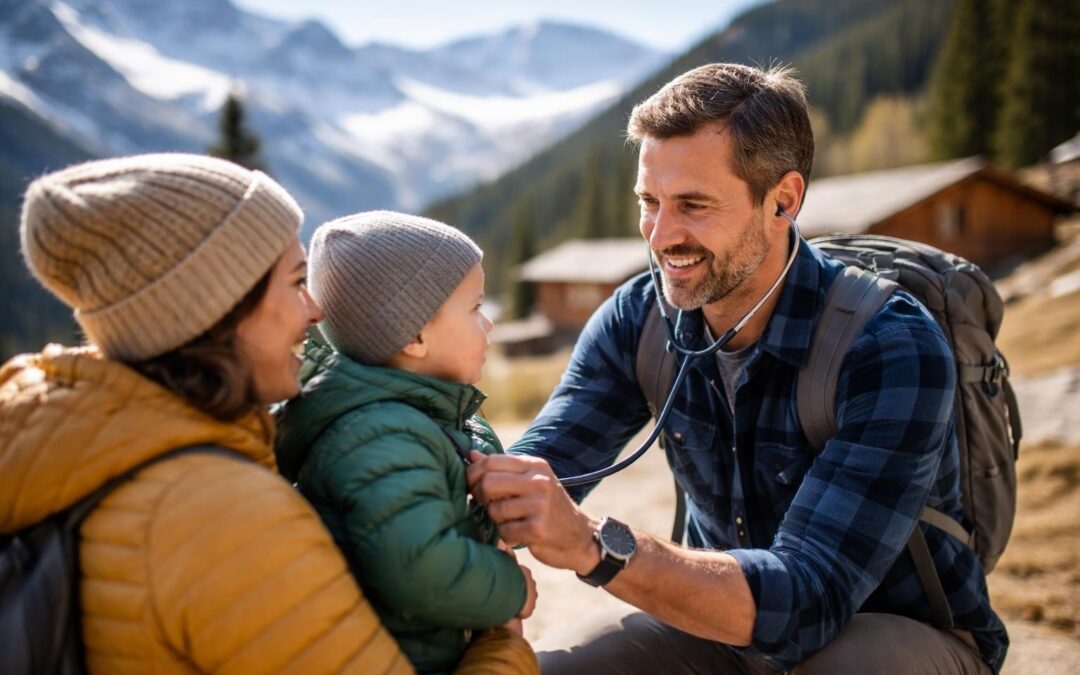
Mountain family medicine represents a specialized approach to primary care that addresses the unique health challenges faced by communities living in elevated, often remote regions. Healthcare providers practicing in these areas must balance traditional family medicine principles with the environmental, logistical, and health-specific challenges inherent to mountainous terrain. From altitude-related conditions to limited access to specialized care, mountain-based practitioners develop comprehensive skill sets that extend far beyond conventional urban or suburban practice. This specialized field requires adaptability, resourcefulness, and a deep understanding of both general medicine and the distinctive needs of populations living at higher elevations.
Understanding the Scope of Mountain Family Medicine
Mountain family medicine encompasses a broad spectrum of healthcare services designed to meet the comprehensive needs of patients across all age groups in elevated regions. Practitioners must be prepared to handle everything from routine preventive care to acute emergencies, often with limited immediate access to specialty consultations or advanced imaging facilities.
The practice model differs significantly from traditional family medicine due to geographic isolation and environmental factors. Providers often serve as the first and sometimes only medical resource for miles, requiring expanded clinical competencies and decision-making autonomy. This means physicians must be comfortable managing conditions that would typically warrant specialist referral in more accessible locations.
Core Competencies Required
Mountain family medicine practitioners develop expertise across multiple domains:
- Altitude physiology and related conditions including acute mountain sickness, high-altitude pulmonary edema, and chronic adaptations
- Emergency medicine skills for trauma, environmental injuries, and acute medical conditions
- Obstetric and pediatric care in settings with limited backup support
- Chronic disease management with emphasis on self-management and telehealth
- Mental health services addressing isolation, seasonal affective patterns, and substance use challenges
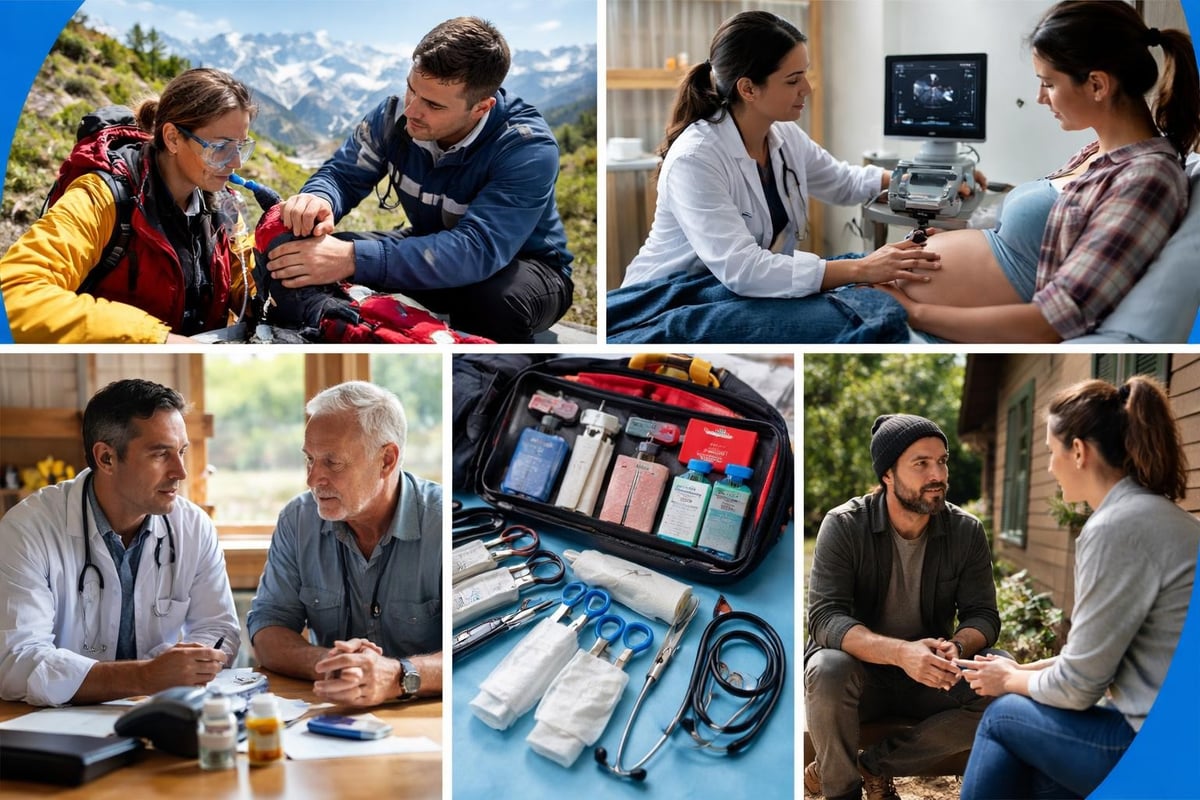
The integration of these competencies allows mountain family medicine practitioners to provide continuity of care that urban practices might distribute across multiple specialists. This comprehensive approach proves particularly valuable in remote areas where patient transportation to regional medical centers involves significant time and expense.
Environmental Health Challenges in Mountain Regions
Mountain environments present distinctive health challenges that family medicine providers must anticipate and manage proactively. Altitude itself affects human physiology in profound ways, influencing everything from oxygen saturation to medication metabolism. Providers practicing mountain family medicine regularly encounter conditions rarely seen at lower elevations.
Air quality in mountainous regions varies considerably from urban lowlands. While air pollution impacts respiratory health globally, mountain communities may face unique challenges including increased UV radiation exposure, wildfire smoke in forested areas, and temperature inversions that trap pollutants in valleys. These environmental factors require specialized knowledge for accurate diagnosis and treatment.
Altitude-Related Medical Conditions
| Condition | Onset | Symptoms | Management Approach |
|---|---|---|---|
| Acute Mountain Sickness | 6-12 hours | Headache, nausea, fatigue | Descent, oxygen, acetazolamide |
| High-Altitude Pulmonary Edema | 2-4 days | Dyspnea, cough, chest tightness | Immediate descent, oxygen, nifedipine |
| High-Altitude Cerebral Edema | 2-4 days | Confusion, ataxia, altered consciousness | Emergency descent, dexamethasone |
| Chronic Mountain Sickness | Months to years | Polycythemia, headache, cognitive decline | Relocation or phlebotomy |
Temperature extremes common to mountain environments create additional considerations for mountain family medicine providers. Hypothermia and frostbite prevention, recognition, and treatment become routine rather than exceptional. Conversely, high-altitude sun exposure increases skin cancer risk, making dermatological surveillance an essential component of preventive care.
Access to Care and Service Delivery Models
Geographic barriers represent perhaps the most significant challenge in mountain family medicine. Patients may travel hours to reach healthcare facilities, making routine preventive care difficult and emergency response particularly complex. This reality has driven innovation in service delivery models that maximize accessibility while maintaining quality.
Same-day appointment availability becomes critically important in mountain communities where patients cannot easily return for follow-up visits. Practices offering immediate access reduce the likelihood of delayed care and preventable complications. The ability to see patients promptly, combined with comprehensive on-site services, minimizes the need for multiple trips or referrals to distant specialists.
Integrated Care Delivery Components
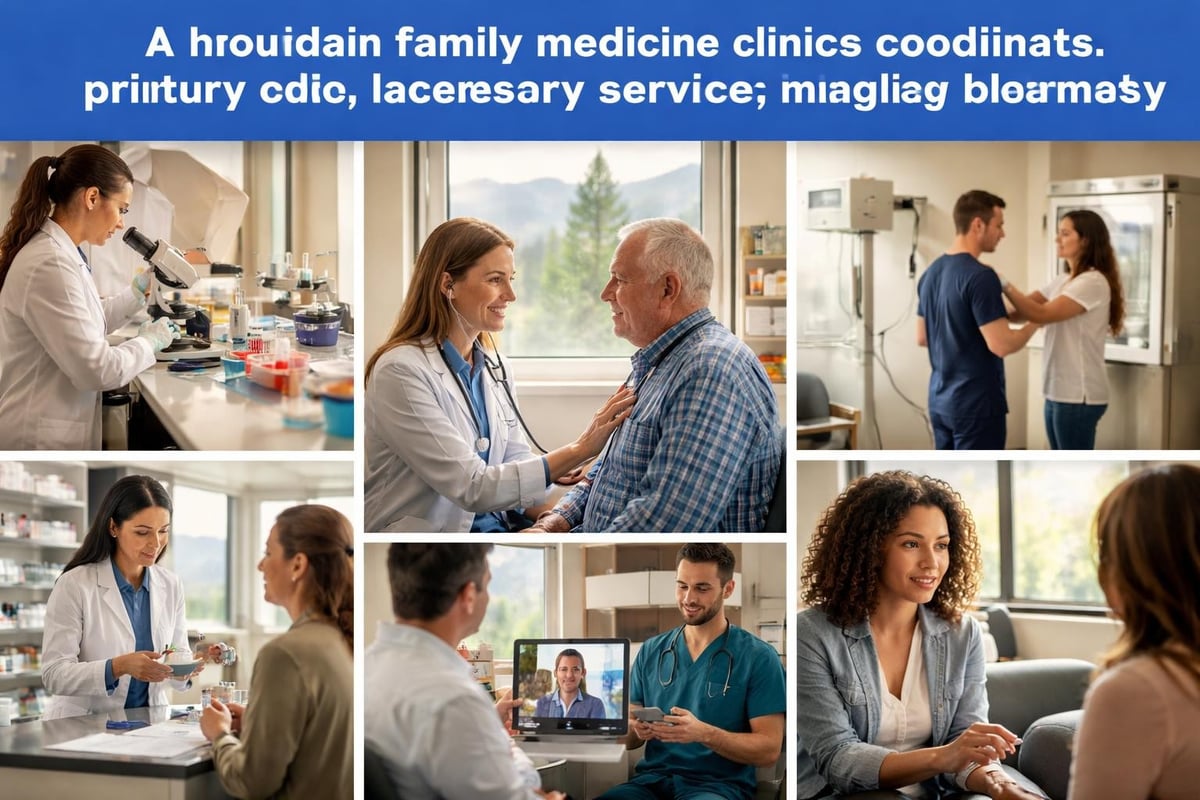
Modern mountain family medicine practices increasingly adopt integrated models that bring multiple services under one roof:
- Primary care services for all age groups with extended same-day scheduling
- Ancillary services including laboratory, imaging, and basic procedures
- Pharmacy services reducing patient travel for medication access
- Behavioral health integration addressing mental health needs within primary care
- Telehealth connections linking patients with subspecialty expertise
- Care coordination managing referrals and ensuring continuity across providers
This integrated approach proves especially valuable for managing chronic conditions common in mountain populations. Diabetes, cardiovascular disease, and respiratory conditions require regular monitoring and adjustment. Having laboratory services, medication management, and specialist consultation available through coordinated channels improves outcomes while reducing patient burden.
Managing Chronic Conditions in Mountain Settings
Mountain family medicine providers encounter unique considerations when managing chronic diseases. Altitude affects medication metabolism, requiring dosage adjustments for certain pharmaceuticals. Lower oxygen tensions impact patients with respiratory and cardiovascular conditions, necessitating more aggressive management strategies than might be needed at sea level.
The physical demands of mountain living also influence treatment planning. Patients may engage in activities like skiing, hiking, or working in outdoor occupations that require specific medical considerations. A comprehensive approach to chronic disease management must account for these lifestyle factors while maintaining evidence-based treatment protocols.
Common Chronic Conditions and Mountain-Specific Considerations
Cardiovascular disease management requires attention to altitude-related hemodynamic changes. Blood pressure medications may need adjustment due to altitude-induced physiologic adaptations. Exercise prescriptions must account for reduced oxygen availability and increased cardiac workload at elevation.
Respiratory conditions including asthma and COPD present heightened challenges. Lower atmospheric oxygen concentrations exacerbate symptoms, while cold, dry mountain air triggers bronchoconstriction. Mountain family medicine providers must balance aggressive treatment with realistic expectations about symptom control at altitude.
Diabetes management involves awareness of how altitude affects glucose metabolism and insulin requirements. Patients engaging in mountain activities face increased hypoglycemia risk due to unpredictable physical exertion. Close monitoring and patient education become paramount.
Mental Health Services in Mountain Communities
Mental health represents a critical component of comprehensive mountain family medicine. Geographic isolation, seasonal weather patterns, and limited social resources contribute to elevated rates of depression, anxiety, and substance use disorders in many mountain communities. The stigma surrounding mental health services often proves more pronounced in small, tight-knit communities where privacy concerns limit treatment-seeking behavior.
Integration of behavioral health services within primary care settings helps overcome these barriers. When mental health screening and treatment occur alongside routine medical care, patients experience less stigma and improved access. Mountain family medicine practices that embed behavioral health providers create pathways to care that might otherwise remain inaccessible.
Mental health challenges in remote situations parallel those encountered in mountain communities, where isolation and limited resources require creative intervention strategies. Telehealth has expanded access to psychiatric care and specialized counseling services, connecting mountain residents with providers who might be hundreds of miles away.
Substance Use Disorders
Mountain communities face particular challenges with alcohol and opioid use disorders. Limited social infrastructure, economic factors, and isolation contribute to substance abuse patterns requiring comprehensive intervention. Mountain family medicine providers must be prepared to offer:
- Screening and brief intervention during routine visits
- Medication-assisted treatment for opioid use disorder
- Connection to recovery support services and peer support
- Coordination with mental health specialists
- Family-based interventions addressing intergenerational patterns
Pediatric and Family Care Considerations
Mountain family medicine extends across the entire lifespan, with pediatric care presenting distinctive challenges in remote settings. Limited access to pediatric specialists means family physicians must maintain broad competencies in childhood conditions, developmental screening, and acute pediatric emergencies.

Prenatal and obstetric care in mountain regions requires careful risk assessment and transport planning. While many uncomplicated pregnancies can be managed locally, providers must identify high-risk situations requiring delivery at higher-level facilities. This necessitates strong relationships with regional obstetric centers and well-defined transfer protocols.
Age-Specific Health Priorities
| Age Group | Priority Conditions | Mountain-Specific Factors |
|---|---|---|
| Pediatric (0-12) | Respiratory infections, injuries, developmental screening | Limited specialist access, seasonal isolation |
| Adolescent (13-17) | Mental health, sports injuries, reproductive health | Risk-taking in outdoor activities, substance exposure |
| Adult (18-64) | Chronic disease, occupational health, preventive care | Physical demands of mountain lifestyle, environmental exposures |
| Geriatric (65+) | Falls, cognitive decline, multiple chronic conditions | Winter isolation, transportation barriers, polypharmacy |
Preventive Care and Health Maintenance
Preventive medicine forms the foundation of effective mountain family medicine practice. Given the challenges of accessing care, maximizing the value of each patient encounter becomes essential. Comprehensive preventive services during routine visits reduce the need for future urgent care and emergency department utilization.
Vaccination coverage requires particular attention in mountain communities where outbreaks can spread rapidly through isolated populations. Seasonal influenza vaccination programs, childhood immunization schedules, and adult boosters must be actively promoted and readily available. Mobile vaccination clinics and community partnerships extend reach beyond the clinic walls.
Cancer screening presents logistical challenges when specialized imaging or procedures require travel to distant facilities. Mountain family medicine practices increasingly bring screening services in-house through partnerships with mobile mammography units, telecolonoscopy programs, and point-of-care testing technologies. This localization of preventive services dramatically improves screening rates and early detection.
Technology Integration and Telehealth
Technology has transformed mountain family medicine by bridging geographic barriers that once limited specialty access. Telehealth platforms connect patients with subspecialists for consultations that would previously require hours of travel. From dermatology to psychiatry, virtual visits expand the scope of care available locally while maintaining the continuity and trust of the established patient-provider relationship.
Electronic health records facilitate care coordination across the continuum, particularly important when patients require services at regional medical centers. Bidirectional information sharing ensures mountain family medicine providers maintain oversight of their patients' complete medical histories. This coordination prevents gaps in care and medication errors that could otherwise occur during transitions.
Remote monitoring technologies enable chronic disease management without requiring frequent office visits. Patients with heart failure, diabetes, or hypertension can transmit vital signs and symptoms electronically, allowing providers to adjust treatments proactively. This technology proves especially valuable during winter months when mountain travel becomes hazardous.
Building Resilient Healthcare Systems
Mountain family medicine requires infrastructure designed for resilience and sustainability. Practices must prepare for weather events that disrupt transportation and communication while maintaining essential services. Backup power systems, medication stockpiles, and cross-trained staff ensure continuity during emergencies.
Workforce recruitment and retention present ongoing challenges. Mountain communities must offer competitive compensation, professional development opportunities, and quality of life benefits to attract skilled providers. Successful practices often emphasize the unique rewards of mountain medicine, including close patient relationships, diverse clinical experiences, and the satisfaction of serving underserved populations. Resources available through platforms like Dominion health’s comprehensive services demonstrate how modern primary care models can thrive in challenging environments.
Key Components of Sustainable Mountain Practices
Physician well-being requires attention to work-life balance and burnout prevention. Solo or small group practices may struggle with call coverage and time off, necessitating regional cooperation and locum tenens support. Professional isolation can be mitigated through virtual peer consultation groups and continuing education partnerships.
Community engagement strengthens the practice's role as a healthcare anchor. Participation in local health initiatives, school health programs, and emergency preparedness planning builds trust and expands the practice's impact beyond clinical encounters. Mountain family medicine thrives when integrated into the community's social fabric.
Financial sustainability depends on diverse revenue streams and efficient operations. Participation in value-based payment models, creative service offerings like occupational medicine or sports medicine, and strategic partnerships with regional health systems provide stability. Careful attention to payer mix and collection processes ensures viability.
Emergency Preparedness and Trauma Care
Mountain family medicine providers must maintain emergency and trauma skills that exceed typical primary care competencies. Remote locations mean prolonged transport times to definitive care, requiring providers to stabilize and manage patients through the critical initial phases of emergencies.
Common trauma mechanisms in mountain regions include motor vehicle accidents on winding roads, falls from heights during recreational activities, and crush injuries in industrial or agricultural settings. Penetrating trauma from hunting accidents and hypothermia from exposure represent additional scenarios requiring immediate intervention.
The comprehensive primary care approach found in well-equipped mountain practices includes emergency capabilities that urban urgent care centers might lack. Having necessary equipment, medications, and trained personnel on-site reduces mortality and morbidity in time-sensitive emergencies.
Quality Improvement and Outcome Measurement
Continuous quality improvement drives excellence in mountain family medicine despite resource constraints. Outcome tracking across common conditions demonstrates clinical effectiveness and identifies opportunities for enhancement. Population health metrics including cancer screening rates, diabetes control, and immunization coverage provide objective measures of practice performance.
Patient experience data offers insights into access barriers, communication effectiveness, and service gaps. Regular surveys and patient advisory councils bring community voices into quality improvement planning. This feedback loop ensures services align with community needs and preferences.
Participation in regional quality collaboratives connects mountain practices with peers facing similar challenges. Sharing best practices, benchmarking performance, and collaborative problem-solving accelerate improvement across the healthcare network. These partnerships strengthen individual practices while elevating overall care quality in mountain regions.
Mountain family medicine represents healthcare delivery at its most comprehensive and challenging, requiring providers to master diverse skills while serving communities with limited alternatives. From managing altitude-related conditions to coordinating specialty care across distances, these practices deliver essential services that keep mountain communities healthy. When you need primary care that understands the unique demands of comprehensive family medicine, Dominion health offers same-day appointments, in-house ancillary services, and subspecialty support for patients of all ages, ensuring you receive timely, coordinated care when you need it most.