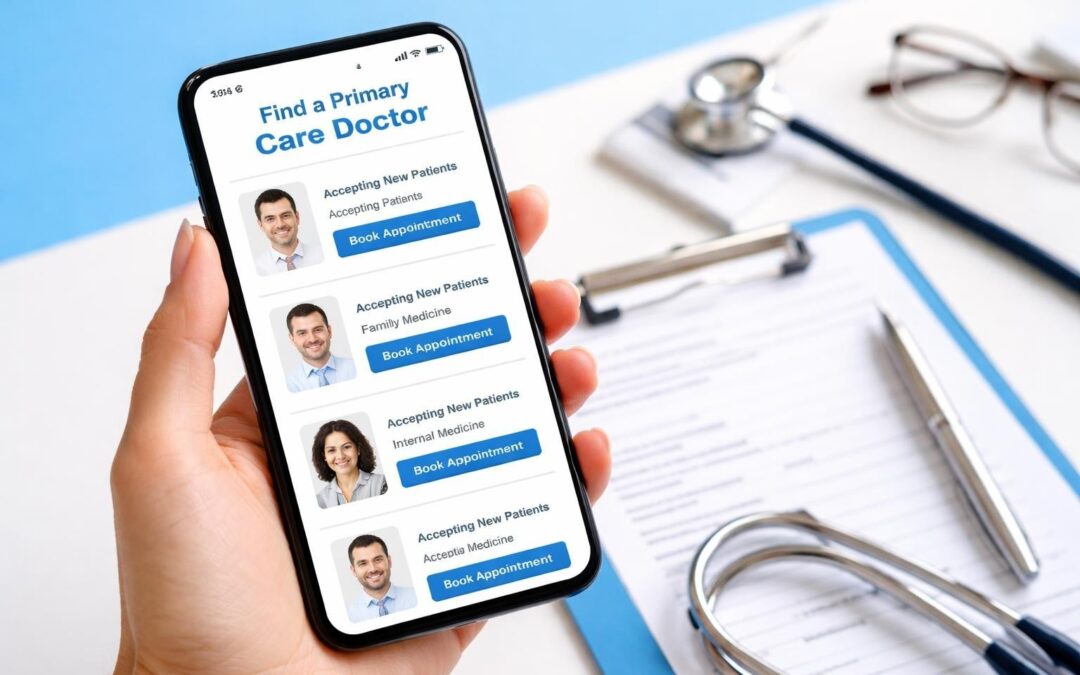
Finding quality healthcare starts with establishing a relationship with a primary care physician who understands your medical history and personal health goals. Whether you've recently moved to a new area, your longtime physician retired, or you're simply dissatisfied with your current care, searching for new doctors accepting new patients can feel overwhelming. The landscape of healthcare has transformed significantly, with many practices limiting their patient panels while others actively seek to grow their practices. Understanding how to navigate this process efficiently ensures you receive the comprehensive care you deserve without unnecessary delays or frustration.
Understanding the Current Healthcare Landscape
The availability of new doctors accepting new patients varies dramatically by geographic location, insurance network, and medical specialty. Primary care physicians in particular face high demand, with many established practices reaching capacity and closing their patient rosters. This situation has created a competitive environment where patients must act quickly when opportunities arise.
Several factors contribute to this challenge. An aging population requires more comprehensive medical services, while physician burnout and retirement have reduced the available workforce. Additionally, administrative burdens and insurance complexities have led some practitioners to limit their caseloads to maintain quality care standards.
However, opportunities exist for motivated patients. Many newly established practices, recently graduated physicians, and relocated doctors actively welcome new patient relationships. The key lies in knowing where to look and how to evaluate these opportunities effectively.

Strategic Approaches to Finding Available Physicians
Leveraging Multiple Search Methods
Successful patient searches typically combine several strategies simultaneously. Start by contacting your insurance provider directly, as they maintain updated lists of in-network providers accepting new enrollments. These representatives can filter results by location, specialty, and current availability status.
Online physician directories offer another valuable resource. Platforms maintained by professional medical associations and healthcare systems provide detailed profiles, including education, board certifications, and patient acceptance status. When finding primary care doctors currently accepting new patients, verify information through direct phone calls, as online databases may lag behind real-time availability.
Community health centers and urgent care facilities often know which local practices have openings. Building relationships with these organizations can provide insider knowledge about upcoming availability or newly opened practices in your area.
Timing Your Search Strategically
The timing of your search significantly impacts success rates. New practices typically open during spring and fall months, coinciding with physician relocation patterns and medical residency completion cycles. January also presents opportunities as practices reassess their patient panels following the previous year.
Contact practices during mid-morning hours (Tuesday through Thursday) when administrative staff have time to provide detailed information about wait times and appointment availability. Avoid Monday mornings and Friday afternoons when offices handle higher call volumes.
Evaluating Physician Credentials and Compatibility
Essential Qualification Checks
Board certification represents a critical benchmark for physician competency. This credential demonstrates completion of rigorous training, passing comprehensive examinations, and commitment to ongoing education. Verify certifications through the American Board of Medical Specialties database or state medical boards.
Hospital affiliations reveal important information about a physician's network and resources. Doctors affiliated with reputable hospitals typically meet stringent credentialing requirements and can facilitate seamless transitions if hospitalization becomes necessary.
Malpractice history deserves careful review. While isolated claims don't necessarily indicate poor care, patterns of complaints or disciplinary actions warrant serious consideration. State medical boards maintain public records of disciplinary actions and license status.
| Credential Type | What to Verify | Where to Check |
|---|---|---|
| Board Certification | Current status, specialty area | ABMS.org, State Medical Board |
| Medical License | Active status, restrictions | State Medical Board |
| Hospital Privileges | Affiliated institutions, departments | Hospital websites, physician profile |
| Malpractice History | Claims, settlements, disciplinary actions | State Medical Board, NPDB |
Assessing Practice Philosophy and Communication Style
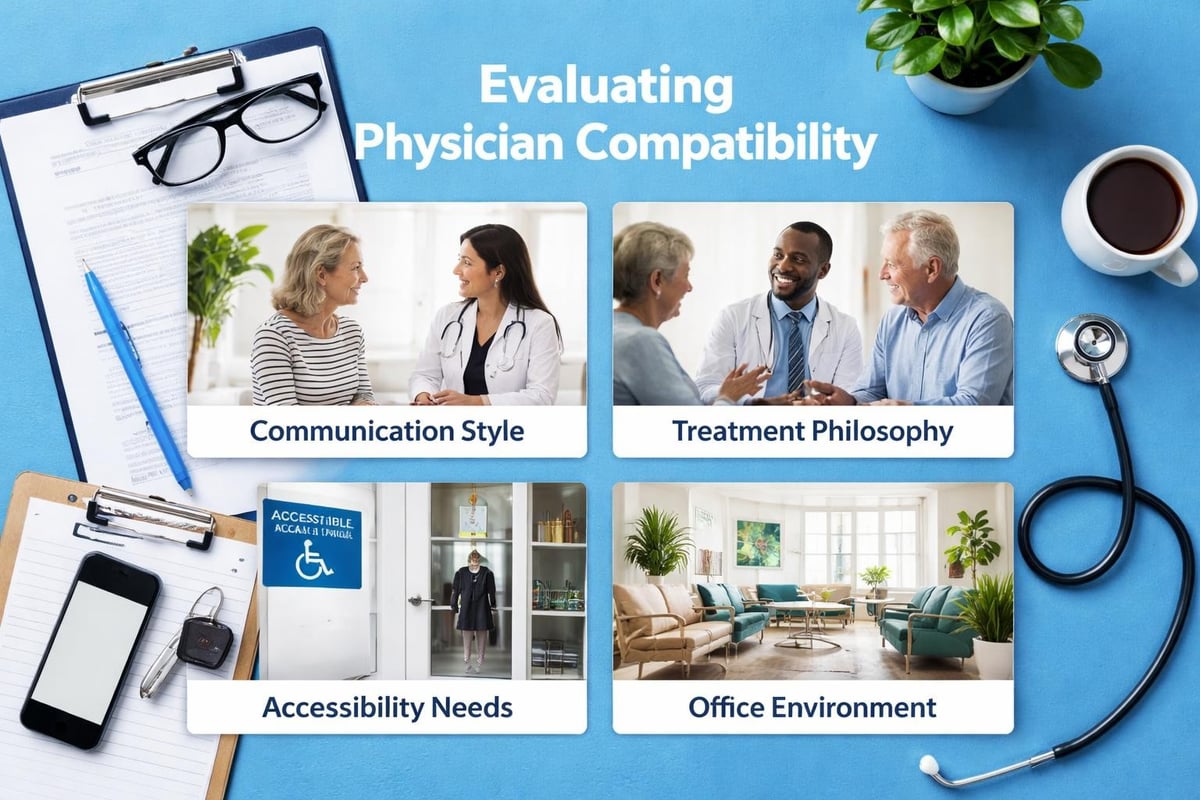
Beyond technical qualifications, personal compatibility determines long-term satisfaction with your healthcare relationship. When choosing doctors accepting new patients, consider communication preferences, treatment philosophies, and accessibility requirements.
Schedule an initial consultation or meet-and-greet appointment before committing fully. Many practices offer brief introductory sessions allowing prospective patients to assess office environment, staff professionalism, and physician demeanor. Prepare specific questions about preventive care approaches, chronic disease management, and after-hours availability.
Navigating Insurance and Administrative Requirements
Verifying Coverage Details
Insurance compatibility extends beyond simple network participation. Confirm whether physicians accept your specific plan tier, understand referral requirements, and clarify any pre-authorization processes for common services. Some practices participate in certain insurance products while excluding others from the same carrier.
Request detailed information about:
- Copayment amounts for various visit types
- Deductible application to primary care services
- Out-of-pocket maximums and how services count toward limits
- Coverage limitations for preventive versus diagnostic services
- Prior authorization requirements for specialist referrals or procedures
Contact both the physician's office and your insurance company to verify information independently. Discrepancies between these sources require resolution before scheduling appointments to avoid unexpected bills.
Understanding Practice Policies
Each medical practice establishes unique policies governing patient relationships. Review these guidelines carefully before committing to a new provider relationship. Important policies include:
- Appointment scheduling procedures and typical wait times
- Cancellation policies and associated fees
- After-hours contact protocols for urgent questions
- Prescription refill processes and timing requirements
- Medical record release procedures and associated costs
- Payment policies including deposits or payment plans
Practices offering comprehensive primary care services often provide detailed policy documentation during initial registration. Review these materials thoroughly and clarify any concerns before your first appointment.
Maximizing Your Initial Appointment
Preparing Comprehensive Medical Information
First appointments with new doctors accepting new patients require thorough preparation to establish accurate baseline health records. Gather complete medical documentation including:
- Previous medical records from former physicians
- Current medication lists with dosages and frequencies
- Immunization records and dates
- Surgical history with operative reports if available
- Family medical history spanning three generations
- Allergy documentation including reactions experienced
Many practices provide patient portals allowing document uploads before appointments. Submitting information electronically saves valuable appointment time and ensures physicians review materials before your visit.
Establishing Clear Communication Expectations
Initial visits set the foundation for ongoing doctor-patient relationships. Communicate clearly about your healthcare priorities, concerns, and expectations. Discuss preferred communication methods for routine questions, test results, and prescription management.
Address specific concerns openly:
- Preferred appointment scheduling (same-day availability versus planned visits)
- Communication preferences (phone calls, patient portal messages, email)
- Involvement in decision-making processes
- Preventive care priorities and screening preferences
- Chronic condition management approaches if applicable
Recognizing Quality Care Indicators
Practice Organization and Efficiency
Well-managed medical practices demonstrate consistent organizational excellence. Observe office operations during your search for new doctors accepting new patients. Professional environments typically feature:
| Quality Indicator | What to Observe | Red Flags |
|---|---|---|
| Wait Times | Minimal delays, advance notice of scheduling issues | Routine 30+ minute waits without explanation |
| Staff Professionalism | Courteous, knowledgeable, responsive | Dismissive attitudes, frequent errors |
| Technology Integration | Patient portals, electronic records, digital communications | Paper-only systems, communication barriers |
| Facility Maintenance | Clean, modern, well-maintained spaces | Outdated equipment, cleanliness concerns |
Efficient practices respect patient time while maintaining thoroughness. Consistent delays or disorganized processes often reflect deeper systemic issues affecting care quality.
Comprehensive Service Offerings
Modern primary care extends beyond basic office visits. Evaluate whether practices provide coordinated services meeting diverse healthcare needs. Comprehensive clinics often include:
- On-site laboratory services for immediate testing
- Diagnostic imaging capabilities
- Minor procedure facilities
- Preventive care programs
- Chronic disease management support
- Care coordination with specialists
- Same-day appointment availability for urgent concerns
Integrated service models reduce the need for multiple facility visits, streamline communication between providers, and improve overall care coordination. Facilities like Dominion health exemplify this comprehensive approach through in-house ancillary services and subspecialty support.

Addressing Common Barriers and Solutions
Overcoming Long Wait Lists
Many desirable practices maintain waiting lists for new patient acceptance. Don't let this discourage your search. Request placement on wait lists while continuing to explore other options. Practices often experience unexpected openings due to patient relocations or insurance changes.
Consider these alternatives when facing extended waits:
- Newly established practices by recently relocated or graduated physicians
- Practice expansions where additional providers join existing groups
- Community health centers serving underserved populations
- Concierge medicine options if budget permits
- Telehealth-first practices offering virtual primary care
Flexibility regarding appointment timing increases acceptance likelihood. Offering availability during traditionally less desirable slots (early mornings or late afternoons) may expedite scheduling.
Managing Geographic Constraints
Rural areas particularly struggle with physician shortages, limiting options for new doctors accepting new patients. Creative solutions help overcome these challenges:
- Extended travel radius: Consider practices within 30-45 minutes for primary care
- Telehealth integration: Many practices offer video visits supplementing occasional in-person appointments
- Health system networks: Large healthcare organizations often maintain multiple locations with shared records
- Seasonal scheduling: Plan routine visits during trips to urban centers if you spend time in multiple locations
When geographic limitations prove insurmountable, community health centers often prioritize serving underserved populations, including those in rural areas lacking adequate provider access.
Special Considerations for Different Life Stages
Family Medicine Across Generations
Families seeking unified care benefit from practices serving all age groups. Pediatric capabilities, adolescent medicine experience, adult preventive care, and geriatric expertise under one roof simplify healthcare management for multi-generational households.
When evaluating family medicine practices, confirm:
- Well-child visit scheduling and vaccination programs
- Adolescent confidential care policies
- Women's health services including prenatal care
- Chronic disease management for aging parents
- Coordination with pediatric or geriatric specialists when needed
Specialized Population Needs
Certain populations require specific expertise or cultural competencies. LGBTQ+ patients benefit from practices demonstrating inclusive policies and knowledgeable staff. Immigrant communities may prioritize multilingual services and cultural sensitivity. Individuals with disabilities need accessible facilities and accommodating scheduling practices.
Research practice demographics and stated values through websites and patient reviews. Don't hesitate to inquire directly about experience serving your specific community or addressing your particular healthcare needs.
Leveraging Technology in Your Search
Digital Tools and Resources
Technology streamlines the search for new doctors accepting new patients. Utilize these digital resources:
- Insurance provider websites with real-time network directories
- Health system online scheduling platforms showing immediate availability
- Physician rating websites offering patient experience insights
- Social media for community recommendations and practice updates
- Telemedicine platforms expanding access beyond geographic boundaries
Cross-reference information across multiple sources. Online data occasionally contains outdated information, making direct practice contact essential for confirming current acceptance status and appointment availability.
Patient Portal Advantages
Practices offering robust patient portals demonstrate technological investment benefiting long-term care management. Portal features typically include:
- Secure messaging with healthcare providers
- Appointment scheduling and management
- Prescription refill requests
- Test result access with explanatory notes
- Medical record downloads for personal archives
- Bill payment and insurance information management
These tools enhance communication efficiency and patient engagement in personal healthcare decisions.
Building Long-Term Healthcare Relationships
Establishing Trust and Continuity
The search for new doctors accepting new patients ultimately aims to establish lasting, productive healthcare relationships. Continuity of care improves health outcomes through:
- Comprehensive understanding of personal medical history
- Recognition of subtle health changes over time
- Coordinated chronic disease management
- Efficient preventive care scheduling
- Reduced need for repeated explanations or testing
Invest time initially to find the right fit rather than settling for convenience alone. Changing physicians frequently disrupts continuity and may compromise care quality.
Maintaining Active Participation
Successful healthcare partnerships require active patient participation. Schedule regular preventive visits even when feeling healthy. Communicate openly about symptoms, concerns, and lifestyle factors affecting health. Follow through with recommended screenings, vaccinations, and specialist referrals.
Primary care physicians serve as healthcare quarterbacks, coordinating various aspects of medical treatment. Supporting this role through consistent engagement and honest communication maximizes relationship benefits.
Making Your Final Decision
After researching options and conducting preliminary evaluations, synthesize information to make informed decisions. Prioritize factors most important to your situation:
For immediate medical needs: Prioritize practices offering same-day appointments and comprehensive on-site services
For chronic condition management: Seek physicians with specific expertise and coordinated care programs
For preventive focus: Choose practices emphasizing wellness programs and patient education
For family care: Select practices serving all ages with pediatric and geriatric capabilities
Trust your instincts about personal compatibility while maintaining realistic expectations. Perfect practices rarely exist, but finding physicians aligned with your priorities and values creates foundations for successful long-term healthcare relationships.
The effort invested in thoroughly researching and evaluating new doctors accepting new patients pays dividends through improved health outcomes, reduced frustration, and greater confidence in your healthcare decisions.
Finding quality healthcare doesn't need to be a frustrating experience when you know where to look and what questions to ask. Securing an appointment with the right primary care physician establishes the foundation for comprehensive health management throughout all life stages. Dominion health welcomes new patients of all ages and offers same-day appointments along with in-house ancillary services and subspecialty support, providing the coordinated, accessible care you deserve. Contact Dominion health today to schedule your initial appointment and experience the difference comprehensive primary care makes in your health journey.