Finding reliable, accessible healthcare that meets your family's diverse needs has never been more critical. Clinic primary care serves as the foundation of the American healthcare system, offering comprehensive medical services that address everything from routine checkups to complex chronic conditions. As healthcare continues to evolve in 2026, understanding how modern primary care practices deliver efficient, patient-centered treatment can help you make informed decisions about your health and that of your loved ones.
Understanding Modern Clinic Primary Care
Clinic primary care represents the first point of contact between patients and the healthcare system. This approach emphasizes continuous, comprehensive care that addresses the majority of health concerns across all life stages. Unlike specialized medicine that focuses on specific organs or conditions, primary care takes a holistic view of patient health.
What Sets Primary Care Clinics Apart
Modern primary care practices have evolved significantly beyond the traditional doctor's office model. Today's clinics integrate multiple services under one roof, creating a seamless healthcare experience. This integration reduces the need for referrals to outside facilities and minimizes the time patients spend traveling between appointments.
Key features of comprehensive clinic primary care include:
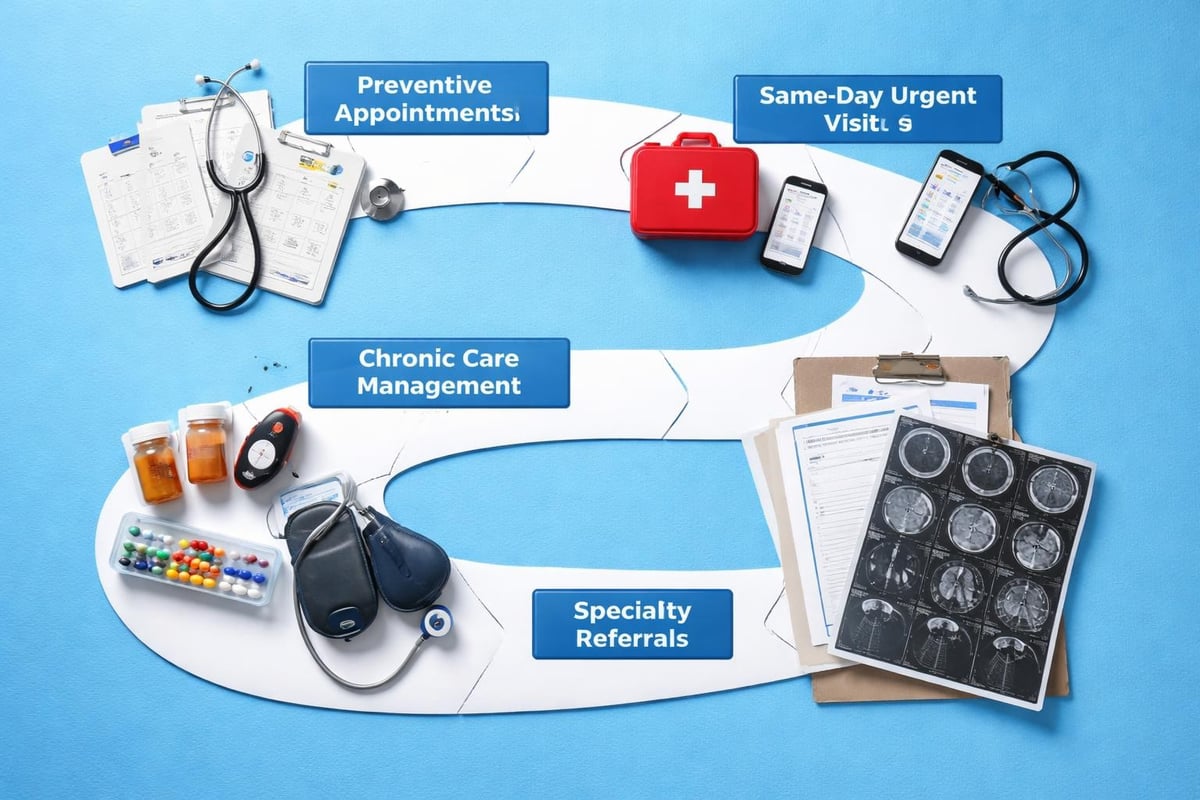
- Same-day appointment availability for urgent concerns
- Preventive care services including screenings and vaccinations
- Chronic disease management for conditions like diabetes and hypertension
- Mental health support and counseling services
- In-house laboratory and diagnostic testing
- Access to specialty consultations without leaving the facility
The convenience factor cannot be overstated. When patients can access multiple services in a single location, they're more likely to maintain consistent care, leading to better health outcomes over time.

The Role of Preventive Care in Primary Clinics
Preventive medicine forms the cornerstone of effective clinic primary care. Rather than waiting for illness to develop, proactive healthcare focuses on maintaining wellness and catching potential problems early when they're most treatable. Research-backed preventive guidelines help clinicians determine which screenings and interventions benefit patients most at different life stages.
Age-Specific Preventive Services
Different age groups require tailored preventive care approaches. Pediatric patients need regular developmental assessments and immunizations, while adults benefit from cardiovascular risk screening and cancer detection tests. Older adults require focused attention on fall prevention, cognitive health, and medication management.
| Age Group | Priority Preventive Services | Screening Frequency |
|---|---|---|
| Children (0-18) | Immunizations, developmental assessments, vision/hearing tests | Annual well-child visits |
| Adults (19-64) | Blood pressure, cholesterol, diabetes screening, cancer screenings | Every 1-3 years depending on risk |
| Seniors (65+) | Bone density, cognitive function, fall risk, comprehensive medication review | Annual wellness visits |
This structured approach ensures no critical preventive measure falls through the cracks. Primary care providers maintain detailed health records that track when screenings are due, making it easier for patients to stay current with recommendations.
Managing Chronic Conditions Through Primary Care
Approximately 60% of American adults live with at least one chronic condition, making ongoing disease management a critical function of clinic primary care. Conditions like diabetes, heart disease, asthma, and arthritis require consistent monitoring and treatment adjustments to prevent complications.
Coordinated Care Teams
Modern primary care practices employ multidisciplinary teams to address chronic conditions comprehensively. A patient with diabetes, for example, might work with a physician, nurse practitioner, diabetes educator, nutritionist, and podiatrist-all coordinating through the primary care clinic.
This team-based model offers several advantages:
- Consistent Communication: All providers access shared medical records, ensuring everyone knows the current treatment plan
- Reduced Redundancy: Tests and procedures aren't unnecessarily repeated across different providers
- Patient Education: Multiple professionals reinforce healthy behaviors and self-management strategies
- Proactive Intervention: Regular monitoring catches problems before they escalate into emergencies
Americans increasingly rely on their personal physicians for medical guidance, highlighting the trust and continuity that primary care relationships build over time.
Same-Day Access and Urgent Care Integration
One of the most significant advantages of modern clinic primary care is the availability of same-day appointments for urgent concerns. This capability bridges the gap between routine care and emergency room visits, providing appropriate care at the right level of urgency.
When to Choose Same-Day Primary Care
Many conditions require prompt attention but don't warrant an emergency room visit. Same-day primary care appointments effectively address these situations while maintaining continuity with your regular provider.
Common reasons for same-day clinic primary care visits:
- Respiratory infections and persistent coughs
- Urinary tract infections and related symptoms
- Minor injuries like sprains or small lacerations
- Skin conditions requiring medical evaluation
- Digestive issues causing significant discomfort
- Medication side effects needing immediate review
- Sudden changes in chronic condition symptoms
The ability to see your regular healthcare team for urgent issues means they already know your medical history, current medications, and health goals. This familiarity leads to more accurate diagnoses and personalized treatment recommendations.
Ancillary Services Within Primary Care Settings
Integrated ancillary services distinguish comprehensive clinic primary care from traditional practices. When diagnostic testing, imaging, and therapeutic services exist in-house, patients experience faster diagnoses and more efficient treatment initiation.
In-House Laboratory Services
Immediate access to lab results transforms how quickly healthcare providers can diagnose and treat conditions. Instead of waiting days for results from external laboratories, in-house testing often provides answers within hours or even minutes.
| Service Type | Traditional Model | Integrated Clinic Model |
|---|---|---|
| Blood Work | 2-3 days for results | Same-day or next-day results |
| Urinalysis | 24-48 hours | 15-30 minutes |
| EKG | Referral to cardiologist | Immediate testing and interpretation |
| X-rays | Separate imaging center | On-site with rapid physician review |
This efficiency particularly benefits patients with acute conditions requiring rapid diagnosis or those managing chronic diseases needing frequent monitoring. Trusted sources of evidence help primary care teams make informed decisions based on test results.
Physical Therapy and Rehabilitation
Musculoskeletal complaints represent one of the most common reasons patients seek primary care. Having physical therapy services within the same facility allows for seamless transitions from diagnosis to treatment, improving patient compliance and outcomes.
Subspecialty Support and Coordinated Referrals
While primary care addresses the vast majority of health concerns, certain conditions benefit from subspecialist expertise. Advanced clinic primary care models include on-site specialists or streamlined referral processes that maintain care coordination.
The Value of Integrated Specialty Access
When specialists work within or closely with primary care clinics, several benefits emerge. The primary care provider maintains oversight of the patient's overall health while the specialist addresses specific complex issues. This arrangement prevents the fragmentation that often occurs when patients see multiple disconnected providers.
Subspecialties commonly integrated with primary care include:
- Cardiology: For complex heart conditions requiring specialized management
- Endocrinology: Supporting patients with difficult-to-control diabetes or thyroid disorders
- Dermatology: Addressing chronic skin conditions and suspicious lesions
- Orthopedics: Managing musculoskeletal injuries and joint conditions
- Mental Health: Providing psychiatry and counseling services for complex cases
Communication between primary and specialty providers ensures treatment plans align and don't inadvertently conflict. This coordination proves especially important for patients taking multiple medications or managing several conditions simultaneously.

Building Long-Term Relationships with Your Healthcare Team
Continuity of care represents one of the most valuable aspects of clinic primary care. When patients see the same providers over years or even decades, those relationships enable more personalized, effective healthcare. Clinical resources for primary care emphasize the importance of effective communication in building these therapeutic relationships.
How Continuity Improves Health Outcomes
Your primary care team accumulates detailed knowledge about your health history, family patterns, lifestyle factors, and personal preferences. This understanding allows them to detect subtle changes that might signal emerging problems, anticipate potential complications based on your risk factors, and recommend preventive measures tailored to your specific situation.
Research consistently demonstrates that patients with a regular source of care experience better health outcomes, lower healthcare costs, and higher satisfaction with their medical experiences. They're more likely to receive recommended preventive services, maintain better control of chronic conditions, and avoid unnecessary emergency room visits.
Pediatric to Geriatric Care Under One Roof
Family-focused clinic primary care serves patients across the entire lifespan, from newborns to seniors. This comprehensive approach allows families to receive care in one location, simplifying scheduling and creating opportunities for holistic family health management.
Advantages of Multi-Generational Care
When a single practice cares for all family members, providers can consider genetic patterns, shared environmental factors, and family dynamics in their recommendations. They might notice cardiovascular disease running through multiple generations and intensify preventive screening for younger family members, or recognize that caring for an aging parent affects the mental health of adult children.
Benefits of all-ages clinic primary care:
- Convenient scheduling for multiple family members
- Understanding of family health patterns and genetic risks
- Simplified medical record access for guardians and caregivers
- Consistent preventive care approach across generations
- Established relationships that ease healthcare transitions
Children who grow up seeing the same practice often continue as adults, maintaining decades-long relationships that support optimal health across life stages.
Technology Integration in Modern Primary Care
Digital health tools have revolutionized how clinic primary care operates in 2026. Electronic health records, patient portals, telemedicine capabilities, and remote monitoring devices create new opportunities for engagement between visits.
Patient Portals and Communication
Secure messaging through patient portals allows communication with healthcare teams without phone tag. Patients can request prescription refills, ask non-urgent questions, review test results, and schedule appointments at their convenience. This accessibility particularly benefits working adults who struggle to make phone calls during business hours.
Remote monitoring proves valuable for chronic disease management. Patients with hypertension might use connected blood pressure monitors that automatically transmit readings to their care team, enabling timely intervention if readings trend upward. Similarly, diabetics can share glucose data that helps providers adjust insulin dosing between appointments.
Quality Metrics and Continuous Improvement
Leading primary care practices track quality metrics to ensure they deliver evidence-based care consistently. These measurements include preventive screening rates, chronic disease control markers, patient satisfaction scores, and access metrics like average time to appointment.
Practice profiles from various settings demonstrate how different clinics approach quality improvement while addressing their unique community needs.
What Quality Indicators Mean for Patients
When clinics measure and improve their performance, patients benefit through:
- Higher rates of recommended preventive services
- Better chronic disease management outcomes
- Reduced wait times for appointments
- Improved communication and coordination
- Evidence-based treatment protocols
Transparency about quality metrics helps patients make informed choices about where to receive care. Many practices now publish their performance data, allowing comparison with regional and national benchmarks.
Mental Health Integration in Primary Settings
Mental health concerns affect millions of Americans, yet access to psychiatric care remains limited in many areas. Progressive clinic primary care models integrate behavioral health services, addressing the mind-body connection that influences overall wellness.
Primary care providers are often the first to recognize signs of depression, anxiety, or other mental health conditions. When counseling and psychiatric services exist within the same practice, warm handoffs occur seamlessly. Patients avoid the stigma some feel when referred to standalone mental health facilities, and integrated care teams collaborate on treatment approaches that address both physical and psychological factors.
Navigating Insurance and Healthcare Costs
Understanding healthcare costs and insurance coverage can feel overwhelming. Quality primary care practices employ knowledgeable staff who help patients understand their benefits, estimate costs, and identify programs that reduce financial barriers to care.
Many clinics now offer transparent pricing information and payment plans for services not fully covered by insurance. This financial transparency helps patients make informed decisions about their care and avoid unexpected bills.
Comprehensive clinic primary care provides the foundation for lifelong health through preventive services, chronic disease management, same-day access, and coordinated specialty support. When you establish care with a practice that offers integrated services for all ages, you gain a healthcare partner invested in your long-term wellbeing. Dominion health provides exactly this type of comprehensive primary care clinic, serving patients of all ages with in-house ancillary services, subspecialty support, and same-day appointment availability. Schedule your first visit today to experience the difference that truly coordinated, patient-centered care makes.