Finding quality healthcare that fits your schedule and budget can feel overwhelming. When you search for a "direct care provider near me," you're likely seeking a healthcare experience that prioritizes accessibility, personalized attention, and transparent pricing. The direct care model has transformed how patients access primary care services, offering a refreshing alternative to traditional insurance-dependent practices. This comprehensive guide explores what direct care means, how to find the right provider in your area, and why this model continues to gain popularity among patients of all ages.
Understanding the Direct Care Model
The concept of direct care encompasses two distinct but related healthcare approaches. According to federal legal definitions, direct care traditionally refers to assistance provided by workers in long-term care settings. However, the modern direct care model in primary care settings represents something entirely different.
What Makes Direct Care Different
Direct care in primary practice eliminates the traditional insurance intermediary between you and your healthcare provider. This streamlined approach creates a direct financial and personal relationship.
Key characteristics include:
- Monthly membership fees instead of fee-for-service billing
- Extended appointment times for thorough consultations
- Direct access to your provider via phone, text, or email
- Transparent pricing with no hidden costs
- Focus on preventive care and wellness
The model emphasizes building long-term relationships between patients and providers. This continuity of care leads to better health outcomes because your provider knows your complete medical history, lifestyle factors, and health goals.
Types of Direct Care Services
When searching for a "direct care provider near me," you'll encounter various service models. Some practices operate entirely on membership fees, while others combine direct care principles with traditional insurance acceptance for specialized services.
| Service Model | Payment Structure | Best For |
|---|---|---|
| Pure Direct Primary Care | Monthly membership only | Patients seeking insurance-free primary care |
| Hybrid Direct Care | Membership plus insurance billing | Comprehensive care with specialty coordination |
| Concierge Medicine | Higher membership fees | Enhanced access and luxury amenities |
| Direct Specialty Care | Per-service or membership | Specific conditions requiring specialist care |
Benefits of Choosing a Direct Care Provider
The advantages of the direct care model extend far beyond convenient appointment scheduling. Patients consistently report higher satisfaction rates and better health outcomes.
Enhanced Accessibility and Convenience
Same-day appointments represent one of the most valuable benefits when you find the right direct care provider near me. Traditional practices often schedule appointments weeks in advance, forcing patients to urgent care centers or emergency rooms for acute issues.
Direct care practices typically offer:
- Same-day or next-day appointment availability
- Extended office hours including early morning and evening
- Longer appointment times (30-60 minutes versus 7-15 minutes)
- Direct communication with your provider between visits
- Minimal wait times in the office
This accessibility proves particularly valuable for families with young children, working professionals with limited flexibility, and individuals managing chronic conditions requiring frequent monitoring.
Cost Transparency and Predictability
Understanding healthcare costs before receiving services eliminates financial anxiety. The direct care model provides clear, upfront pricing that helps patients budget effectively.
Most direct care providers charge monthly membership fees ranging from $50 to $200 per person, depending on age and services included. This predictable cost structure covers unlimited primary care visits, basic procedures, and communication with your provider.
Many practices also offer discounted rates on:
- Laboratory testing performed in-house
- Common medications dispensed directly
- Minor procedures and treatments
- Diagnostic imaging when available on-site
Personalized, Comprehensive Care
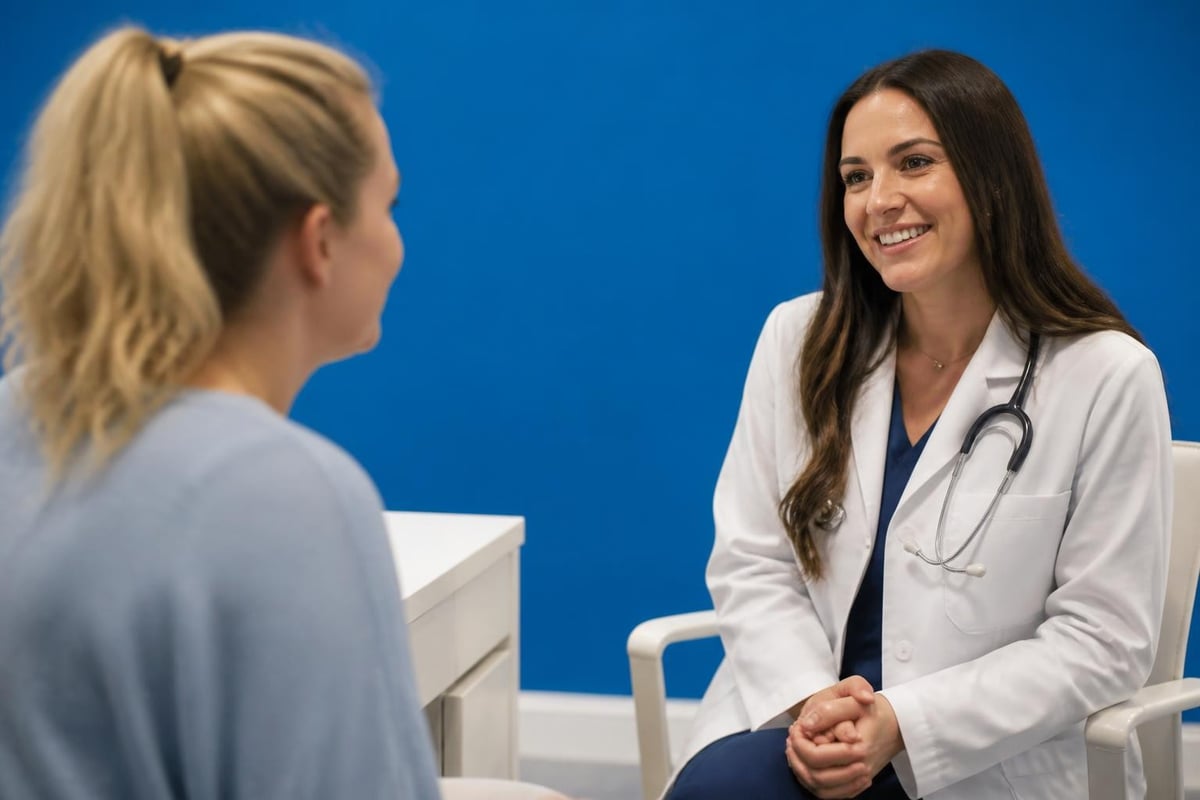
The time your provider spends with you during each visit directly impacts the quality of care you receive. Direct care appointments typically last 30 minutes or longer, allowing thorough discussions about symptoms, concerns, and prevention strategies.
This extended face time enables providers to:
- Conduct comprehensive physical examinations
- Address multiple concerns in one visit
- Explain diagnoses and treatment plans thoroughly
- Develop personalized wellness strategies
- Build meaningful therapeutic relationships
Finding the Right Direct Care Provider Near Me
Your search for a direct care provider near me should consider several important factors beyond proximity. The ideal practice aligns with your healthcare needs, communication preferences, and budget.
Evaluating Provider Credentials and Experience
Start by verifying board certification and licensure for any provider you consider. Most direct care practices maintain transparent online profiles detailing provider education, training, and areas of expertise.
Important questions to ask:
- How many years has the provider practiced medicine?
- What is their board certification status?
- Do they have experience treating your specific health conditions?
- What continuing education do they pursue regularly?
- How many patients do they currently serve?
Patient panel size significantly affects accessibility. Direct care practices typically limit enrollment to 600-800 patients per provider, compared to 2,000-3,000 in traditional practices. This smaller ratio ensures adequate availability and personalized attention.

Assessing Services and Capabilities
Comprehensive primary care extends beyond routine check-ups. When evaluating a direct care provider near me, consider the full scope of services offered.
| Service Category | Examples | Why It Matters |
|---|---|---|
| Preventive Care | Annual physicals, immunizations, screenings | Catches issues early |
| Chronic Disease Management | Diabetes, hypertension, asthma monitoring | Prevents complications |
| Acute Care | Same-day sick visits, minor injuries | Avoids ER visits |
| In-House Services | Lab work, EKG, minor procedures | Convenience and cost savings |
| Specialty Coordination | Referrals, communication with specialists | Integrated care |
Practices with in-house ancillary services provide significant convenience. On-site laboratory testing, diagnostic procedures, and basic imaging eliminate the need for multiple appointments at different facilities. This integration streamlines care and reduces overall healthcare costs.
Understanding the Financial Commitment
While direct care often reduces overall healthcare spending, understanding the complete financial picture helps you make informed decisions. Request detailed information about membership fees, what they include, and what services require additional payment.
Cost considerations include:
- Monthly membership fees for each family member
- Services covered within the membership
- Discounted pricing for additional services
- Whether you still need insurance for hospitalization and specialists
- Potential tax advantages through Health Savings Accounts
Many patients maintain high-deductible health insurance plans for catastrophic coverage while using direct care for routine primary care needs. This combination often costs less than traditional comprehensive insurance while providing superior access to primary care.
Making the Most of Direct Care Services
Once you've selected a direct care provider near me, maximizing the value of your membership requires active engagement. The model works best when patients take advantage of all available services and communication channels.
Leveraging Extended Access
Direct communication with your provider between appointments represents one of the most underutilized benefits. Most direct care practices encourage patients to reach out with questions, concerns, or updates rather than waiting for the next scheduled visit.
Effective ways to use extended access:
- Text or email your provider about new symptoms
- Request prescription refills directly
- Ask clarifying questions about treatment plans
- Share home monitoring data (blood pressure, glucose levels)
- Schedule virtual check-ins for minor concerns
This ongoing dialogue helps providers catch potential issues early and adjust treatment plans promptly. It also strengthens the patient-provider relationship, leading to better adherence to medical recommendations.
Prioritizing Preventive Care
The direct care model removes financial barriers to preventive services. With unlimited visits included in your membership, scheduling regular preventive appointments becomes easier and more affordable.
Recommended preventive care schedules vary by age and risk factors, but generally include:
- Annual comprehensive physical examinations
- Age-appropriate cancer screenings
- Cardiovascular risk assessments
- Immunization updates
- Mental health check-ins
- Nutritional counseling
Regular engagement with preventive services often identifies health concerns before they become serious, potentially saving thousands of dollars in treatment costs and improving long-term outcomes.

The Role of In-House Ancillary Services
Modern direct care practices increasingly offer comprehensive services beyond traditional primary care visits. In-house ancillary services enhance convenience while reducing overall healthcare costs.
Common In-House Capabilities
Advanced direct care practices provide various diagnostic and treatment services on-site. This integration eliminates referrals to outside facilities for routine procedures, saving time and money.
Typical in-house services include:
- Complete laboratory testing (blood work, urinalysis, cultures)
- Electrocardiograms (EKG) for heart health assessment
- Minor surgical procedures (skin biopsies, lesion removal)
- Joint injections for pain management
- Nebulizer treatments for respiratory conditions
- IV hydration therapy
- Point-of-care testing for rapid results
Having these capabilities available during your appointment means getting answers and starting treatment immediately rather than waiting days for external lab results or scheduling additional appointments.
Subspecialty Support and Coordination
While direct care providers handle most primary care needs, certain conditions require specialist expertise. Quality direct care practices maintain relationships with subspecialists to ensure seamless coordination when referrals become necessary.
Effective specialty coordination includes:
- Direct communication between your primary provider and specialists
- Shared medical records for continuity
- Clear treatment plans coordinated across providers
- Follow-up management by your primary care team
- Advocacy for appropriate, cost-effective specialty care
This collaborative approach prevents duplicated tests, conflicting treatment recommendations, and fragmented care that often occurs in traditional healthcare settings.
Direct Care for Different Life Stages
One significant advantage of finding the right direct care provider near me is the ability to receive care throughout your lifespan. Practices serving all ages eliminate the need to switch providers as children grow or family circumstances change.
Pediatric Direct Care
Children benefit tremendously from the extended appointment times and accessibility offered by direct care practices. Parents can address multiple concerns during well-child visits without feeling rushed.
Pediatric direct care advantages:
- Same-day sick visits prevent minor illnesses from worsening
- Extended well-child appointments allow thorough developmental assessments
- Direct provider communication answers parenting questions quickly
- In-house lab testing reduces traumatic experiences at outside facilities
- Consistent provider relationships support optimal development monitoring
Many parents report that direct access to their pediatrician via text or phone reduces anxiety and prevents unnecessary emergency room visits for conditions manageable at home with guidance.
Adult and Senior Care
Adults managing chronic conditions particularly benefit from the comprehensive approach of direct care. Conditions like diabetes, hypertension, and heart disease require regular monitoring, medication adjustments, and lifestyle counseling-all areas where direct care excels.
| Age Group | Primary Care Focus | Direct Care Benefits |
|---|---|---|
| 18-39 | Preventive care, reproductive health | Convenient access, wellness support |
| 40-64 | Chronic disease prevention, health optimization | Comprehensive screenings, lifestyle management |
| 65+ | Multiple chronic conditions, medication management | Coordinated care, frequent monitoring |
Senior patients especially appreciate the unhurried appointments that allow discussion of multiple medications, coordination with specialists, and attention to quality-of-life concerns beyond just treating disease.
Technology and Direct Care
Modern direct care practices leverage technology to enhance accessibility and communication while maintaining the personal touch that defines the model. Understanding available digital tools helps you maximize your membership value.
Virtual Care Options
Telehealth capabilities expanded dramatically during recent years, and direct care practices have embraced these tools for appropriate situations. Virtual appointments work well for follow-ups, prescription refills, minor illness assessment, and mental health consultations.
When virtual visits work best:
- Discussing lab results and treatment adjustments
- Managing chronic conditions with stable symptoms
- Addressing minor acute illnesses (cold, flu, allergies)
- Mental health counseling and support
- Medication side effect discussions
- Post-procedure follow-ups
However, direct care providers maintain the judgment to determine when in-person examination is necessary for accurate diagnosis and treatment.
Patient Portals and Communication Platforms
Secure messaging systems enable direct communication with your provider while maintaining privacy and documentation. These platforms typically allow:
- Secure messaging with your care team
- Prescription refill requests
- Appointment scheduling and rescheduling
- Access to test results and medical records
- Educational resources tailored to your conditions
The ability to communicate asynchronously means you can send messages when convenient without playing phone tag, and providers can respond thoughtfully during designated messaging time.
Questions to Ask Before Joining
Before committing to a direct care provider near me, thorough investigation ensures the practice aligns with your needs and expectations. Prepare specific questions addressing your priorities and concerns.
Membership and Services
- What exactly does the monthly membership fee cover?
- Are there different membership tiers with varying benefits?
- What services require additional fees beyond membership?
- How are those additional fees determined and communicated?
- Can I schedule appointments for same-day acute issues?
- What happens if I need care when the office is closed?
- Do you offer virtual visits, and are they included in membership?
Provider Availability and Communication
- How quickly can I typically get an appointment?
- What is the average appointment length?
- How do I contact my provider between visits?
- What is the typical response time for messages?
- How many patients does each provider manage?
- Who covers when my primary provider is unavailable?
Insurance and Outside Services
Understanding how your direct care membership interacts with insurance and outside services prevents confusion and unexpected costs. Some patients maintain traditional insurance for hospital care and specialists while using direct care for primary care needs.
- Do you bill insurance for any services?
- Will you coordinate with my insurance for specialist referrals?
- Do you provide documentation for HSA/FSA reimbursement?
- What relationships do you have with local specialists and hospitals?
- How do you handle referrals and coordinate with specialists?
The Future of Direct Care
The direct care movement continues growing as patients seek alternatives to traditional insurance-based healthcare. Industry trends suggest this model will expand and evolve in coming years.
Growing Acceptance and Availability
More physicians are transitioning to direct care models, increasing availability for patients searching for a direct care provider near me. This growth reflects physician burnout in traditional practices and desire for more meaningful patient relationships.
Factors driving growth include:
- Physician dissatisfaction with insurance-based medicine
- Patient demand for accessible, affordable care
- Demonstrated success in improving health outcomes
- Recognition by employers as a cost-effective benefit
- Technology enabling efficient practice management
As the model matures, expect to see increased standardization, quality measures, and integration with broader healthcare systems.
Employer-Sponsored Direct Care
Forward-thinking employers increasingly offer direct care memberships as employee benefits. These arrangements typically provide free or subsidized membership for employees and their families, improving workforce health while reducing overall healthcare costs.
Employer-sponsored models benefit from:
- Improved employee health and productivity
- Reduced absenteeism through preventive care
- Lower healthcare claims for the employer
- Enhanced employee satisfaction and retention
- Simplified benefits administration
If your employer doesn't currently offer this option, advocating for direct care benefits might improve your company's healthcare offering.
Transitioning to Direct Care
Making the switch from traditional insurance-based care to a direct care provider near me requires some planning and adjustment. Understanding the transition process helps set realistic expectations.
Transferring Medical Records
Your new direct care provider needs access to your complete medical history for optimal care. Most practices handle the records transfer process, but you can facilitate it by:
- Signing release forms promptly
- Providing complete lists of previous providers
- Gathering recent test results and imaging reports
- Compiling current medication lists with dosages
- Documenting known allergies and adverse reactions
Some patients maintain copies of important medical documents in personal health files, which can speed up the transition process.
Establishing Your Care Relationship
Your first appointment with a direct care provider typically lasts longer than standard visits, often 60-90 minutes. This comprehensive initial consultation allows thorough review of your medical history, current health status, and goals.
During your first visit, expect to:
- Complete detailed health history questionnaires
- Discuss current medications and supplements
- Review past medical conditions and treatments
- Undergo comprehensive physical examination
- Establish preventive care schedules
- Set health goals and wellness plans
- Learn about communication preferences and protocols
This investment of time upfront establishes a strong foundation for your ongoing care relationship.
Adjusting Your Healthcare Strategy
Integrating direct care into your overall healthcare strategy may require rethinking insurance coverage. Many direct care patients maintain high-deductible health plans for catastrophic coverage while using their membership for all primary care needs.
This approach offers several advantages:
- Lower monthly insurance premiums
- Comprehensive primary care access through membership
- Protection against major medical expenses
- Potential Health Savings Account eligibility
- Overall healthcare cost reduction
Consulting with a benefits advisor or insurance broker helps optimize your coverage strategy when adding direct care to your healthcare plan.
Finding the right direct care provider transforms your healthcare experience through enhanced accessibility, personalized attention, and transparent costs. The model's emphasis on strong patient-provider relationships and preventive care leads to better health outcomes and greater satisfaction. When you're ready to experience comprehensive primary care with same-day appointments and in-house ancillary services, Dominion health offers the direct care approach families throughout our community trust for their healthcare needs.