
San Antonio's healthcare landscape has evolved significantly over the past decade, with families seeking comprehensive medical solutions that serve multiple generations under one roof. The family clinics of San Antonio represent a vital component of the city's healthcare infrastructure, offering accessible, patient-centered care that addresses everything from routine checkups to urgent medical needs. As the population continues to grow and diversify, understanding the role these clinics play in maintaining community health becomes increasingly important for residents making informed healthcare decisions.
Understanding the Family Clinic Model
Family clinics operate on a fundamentally different principle than specialized medical practices. These facilities prioritize continuity of care, meaning a single provider or team can treat patients across their entire lifespan.
The comprehensive approach eliminates the fragmentation that often occurs when families visit multiple doctors for different age groups or conditions. Parents appreciate not having to coordinate separate appointments with pediatricians for children and internists for themselves.
Core Services Available
Family clinics of San Antonio typically offer an extensive range of medical services designed to meet diverse patient needs:
- Preventive Care: Annual physicals, immunizations, health screenings, and wellness counseling
- Acute Care: Treatment for infections, injuries, allergic reactions, and sudden illnesses
- Chronic Disease Management: Ongoing care for diabetes, hypertension, asthma, and heart conditions
- Pediatric Services: Well-child visits, developmental assessments, and adolescent care
- Geriatric Care: Senior health management, mobility issues, and cognitive health monitoring
- Women's Health: Reproductive health, prenatal guidance, and menopause management
The integration of these services creates efficiency for families who value their time and prefer building long-term relationships with their healthcare providers.

Same-Day Access and Emergency Support
One distinguishing feature of modern family practices is their commitment to timely access. Many patients face frustration when traditional medical offices cannot accommodate urgent needs, forcing them to visit expensive emergency rooms for non-life-threatening conditions.
Progressive clinics have addressed this gap by implementing same-day appointment systems. This approach significantly reduces healthcare costs while improving patient satisfaction and outcomes.
| Access Type | Traditional Model | Modern Family Clinic |
|---|---|---|
| Routine Appointment | 2-4 weeks wait | 1-3 days wait |
| Urgent Care Needs | ER or urgent care center | Same-day appointment |
| Follow-up Visits | 1-2 weeks | Within 48 hours |
| After-Hours Support | Answering service only | Nurse hotline or telehealth |
This responsiveness matters particularly for parents managing childhood illnesses or adults dealing with sudden symptom changes that require professional evaluation.
Ancillary Services and Comprehensive Care
The family clinics of San Antonio have expanded beyond basic examination rooms to include diagnostic and therapeutic services that previously required separate facility visits.
In-house ancillary services represent a significant advancement in patient convenience and care coordination. When laboratory work, imaging, and other diagnostic tests occur at the same location as the primary visit, results come back faster and treatment begins sooner.
Common In-House Capabilities
- Laboratory Services: Blood work, urinalysis, cultures, and rapid diagnostic testing
- Imaging: X-rays, ultrasounds, and sometimes CT scans for immediate diagnostic clarity
- Pharmacy Services: On-site medication dispensing that eliminates trips to separate pharmacies
- Physical Therapy: Rehabilitation services for injuries, post-surgical recovery, and chronic pain
- Nutrition Counseling: Dietary guidance for weight management, diabetes, and heart health
- Mental Health Support: Integrated behavioral health for depression, anxiety, and stress management
The comprehensive family services available in San Antonio demonstrate the community's commitment to accessible healthcare across multiple dimensions of family well-being.
Specialty Support Networks
No single facility can house every medical specialty, but effective family clinics maintain strong referral networks with specialists. This coordination ensures patients receive expert care when conditions exceed primary care scope while maintaining the family physician as the central coordinator.
Subspecialty support typically includes:
- Cardiology for heart conditions requiring advanced intervention
- Endocrinology for complex hormone and metabolic disorders
- Orthopedics for surgical bone and joint issues
- Gastroenterology for digestive system complications
- Dermatology for skin conditions beyond routine treatment
The referral process works most effectively when the primary care provider maintains communication with specialists, reviewing test results and adjusting ongoing treatment plans based on specialist recommendations.
Patient-Centered Approach to Healthcare
Modern family medicine emphasizes the relationship between provider and patient as the foundation of effective treatment. This philosophy recognizes that medical decisions involve more than clinical data; they encompass patient values, lifestyle factors, and personal circumstances.

Building Long-Term Relationships
When patients see the same provider over years or decades, that physician develops deep understanding of their medical history, genetic predispositions, and response patterns to various treatments. This knowledge proves invaluable during diagnostic processes and treatment planning.
Children particularly benefit from continuity. A pediatrician who has followed a child from infancy understands their baseline health, growth patterns, and family dynamics in ways that inform better clinical decisions.
For adults managing chronic conditions, consistent provider relationships improve medication adherence and lifestyle modification success. Patients feel more comfortable discussing sensitive health concerns with familiar, trusted professionals.
Family-Focused Care Coordination
The family clinics of San Antonio recognize that health issues rarely affect individuals in isolation. Chronic illness in one family member creates stress and logistical challenges for the entire household.
Family-focused practices consider these interconnections:
- Scheduling flexibility that accommodates work and school schedules
- Educational resources that help family members support each other's health goals
- Communication strategies that respect patient privacy while involving appropriate family members in care decisions
- Genetic screening and preventive guidance based on family health history
Resources like the Healthy Beginnings Family Care Center provide additional support for families navigating new healthcare challenges, particularly around pregnancy and early childhood development.
Choosing the Right Family Clinic
San Antonio residents have numerous options when selecting a primary care provider. Making an informed choice requires evaluating several key factors beyond simple geographic convenience.
Location and Accessibility
While proximity matters, accessibility encompasses more than physical distance. Consider parking availability, public transportation access, and whether the facility meets mobility needs for elderly or disabled family members.
Evening and weekend hours significantly impact working families who struggle to attend daytime appointments. Clinics offering extended hours demonstrate commitment to patient convenience.
Insurance and Payment Options
Healthcare costs represent a significant family expense. Understanding which clinics accept your insurance plan prevents unexpected bills and ensures affordable access to necessary care.
| Consideration | Questions to Ask |
|---|---|
| Insurance Acceptance | Does the clinic accept your specific plan? |
| In-Network Status | Are all providers in-network or only some? |
| Payment Plans | Are flexible payment options available for uninsured services? |
| Price Transparency | Does the clinic provide cost estimates before services? |
For families seeking information about specific providers, resources like Healthgrades offer background on physician credentials and patient reviews.
Technology Integration
Modern healthcare increasingly relies on technology to improve communication and care coordination. Evaluate whether prospective clinics offer:
- Patient Portals: Online access to test results, appointment scheduling, and prescription refills
- Telehealth Options: Virtual visits for minor concerns and follow-up consultations
- Electronic Health Records: Comprehensive digital records that facilitate care coordination
- Automated Reminders: Systems that help patients remember appointments and preventive screenings
- Secure Messaging: Ability to communicate non-urgent questions to care teams between visits
These digital tools enhance patient engagement and make healthcare management more convenient for busy families.
The Value of Preventive Medicine
While acute care addresses immediate medical needs, preventive services form the foundation of long-term health and cost savings. The family clinics of San Antonio emphasize prevention through regular screenings, immunizations, and health education.
Age-Appropriate Screenings
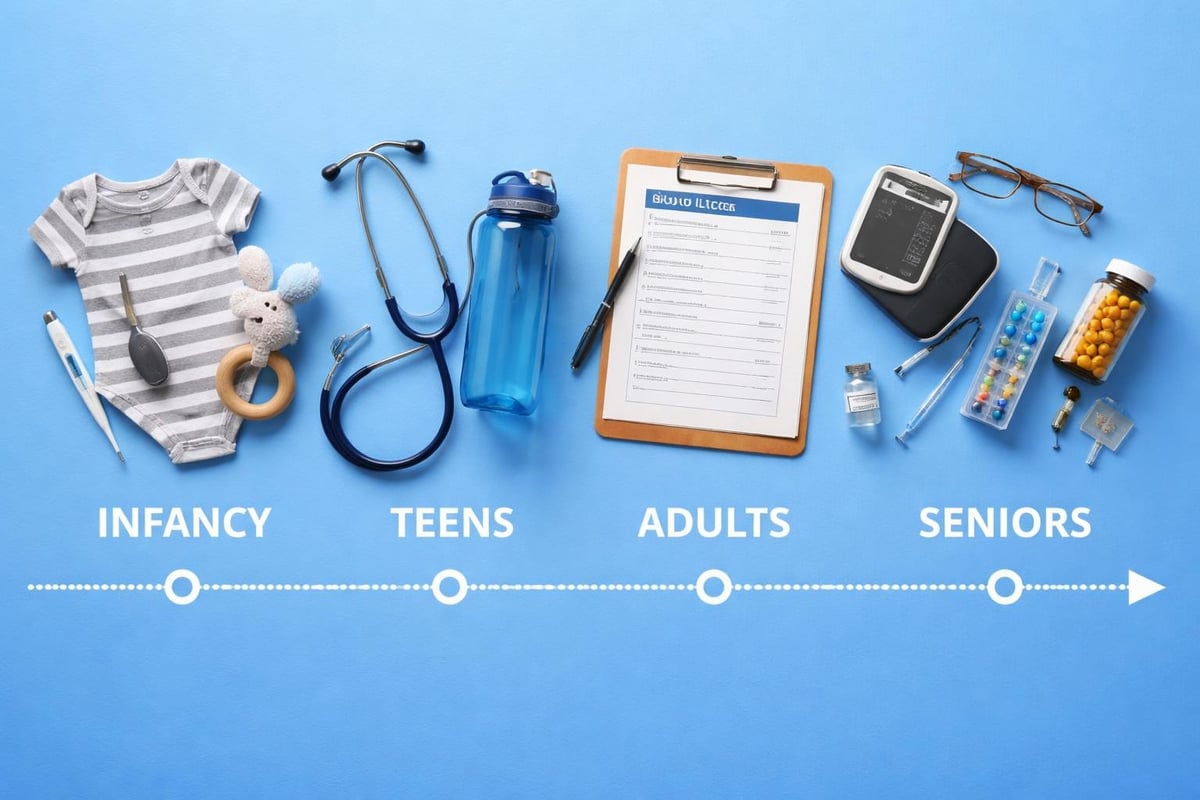
Different life stages require specific preventive measures:
Infancy and Early Childhood
- Developmental milestone assessments
- Vision and hearing screenings
- Lead exposure testing in high-risk areas
- Growth and nutrition monitoring
Adolescence
- Sports physicals for athletic participation
- Mental health screening for depression and anxiety
- Substance use education and counseling
- Reproductive health guidance
Adulthood
- Blood pressure monitoring starting in young adulthood
- Cholesterol screening beginning at age 20
- Diabetes screening for those with risk factors
- Cancer screenings based on age and family history
Senior Years
- Bone density testing for osteoporosis
- Cognitive function assessments
- Fall risk evaluation and prevention
- Medication reviews to prevent harmful interactions
Organizations like the FACT Institute provide specialized support for families managing unique healthcare needs, complementing the services available through primary care clinics.
Immunization Programs
Vaccination remains one of medicine's most effective preventive tools. Family clinics maintain current immunization schedules for all age groups, ensuring protection against preventable diseases.
Beyond childhood vaccines, adults require periodic boosters and age-specific immunizations. Annual flu vaccines, shingles prevention for those over 50, and pneumonia vaccines for seniors all contribute to maintaining community health.
Coordinating Care Across Multiple Providers
Even with comprehensive primary care, some patients require specialist input or hospital-based treatments. Effective care coordination prevents gaps in treatment and reduces medical errors.
The Role of Primary Care in Care Management
Primary care physicians serve as healthcare quarterbacks, maintaining oversight of all treatments and ensuring different providers work toward compatible goals. This coordination proves especially critical for patients seeing multiple specialists.
When specialists recommend treatments or medications, the primary care provider reviews these suggestions within the context of the patient's complete health picture. This oversight catches potential drug interactions and ensures treatments for different conditions don't conflict.
Electronic Health Record Integration
Seamless information sharing between providers depends on interoperable electronic health records. Advanced healthcare systems allow authorized providers to access patient information regardless of which facility initially generated the records.
This integration eliminates redundant testing, reduces administrative burden on patients, and ensures all providers base decisions on complete, current information.
For comprehensive information about healthcare resources in San Antonio, detailed provider directories help patients navigate the complex healthcare landscape.
Addressing Special Population Needs
Family clinics of San Antonio serve diverse populations with varying healthcare requirements. Culturally competent care that respects patient backgrounds and preferences enhances treatment effectiveness and patient satisfaction.
Multilingual Services
San Antonio's significant Spanish-speaking population requires healthcare providers who communicate effectively in patients' preferred languages. Many family clinics employ bilingual staff and provide interpretation services for less common languages.
Language concordance between patients and providers improves:
- Diagnostic accuracy through better symptom communication
- Treatment adherence when patients fully understand instructions
- Patient satisfaction and trust in healthcare relationships
- Health literacy and preventive care engagement
Pediatric Considerations
Children require developmentally appropriate communication and examination techniques. Family physicians with pediatric training understand how to build rapport with young patients and involve parents appropriately in care decisions.
Adolescents particularly benefit from providers who balance parental involvement with age-appropriate privacy, creating safe spaces for discussing sensitive topics like mental health, relationships, and substance use.
Geriatric Care Expertise
Older adults face unique challenges including multiple chronic conditions, complex medication regimens, and cognitive changes. Family physicians experienced in geriatric care address these needs through:
- Comprehensive medication reviews to minimize polypharmacy risks
- Fall prevention strategies and home safety assessments
- Cognitive screening for early dementia detection
- Advance care planning discussions about end-of-life preferences
Resources addressing family planning and reproductive health complement the comprehensive services offered by primary care practices, ensuring patients access specialized support when needed.
Insurance Navigation and Healthcare Costs
Understanding insurance coverage and managing healthcare expenses represent significant challenges for many families. Family clinics that provide transparent pricing and insurance assistance improve access to necessary care.
Insurance Verification and Prior Authorization
Before scheduling costly procedures or specialist visits, effective clinics verify insurance coverage and obtain necessary prior authorizations. This proactive approach prevents surprise bills and claim denials.
Staff trained in insurance navigation help patients understand:
- Which services require copayments versus full cost-sharing
- Whether procedures need pre-authorization
- In-network versus out-of-network cost differences
- Appeals processes for denied claims
Payment Plans and Financial Assistance
For services not fully covered by insurance, flexible payment plans make healthcare more accessible. Some clinics offer sliding-scale fees based on income or connect patients with financial assistance programs.
Transparency about costs before services are rendered allows families to make informed decisions and budget for healthcare expenses.
Quality Metrics and Patient Outcomes
Not all healthcare providers deliver equivalent results. Evaluating clinic quality helps families choose providers most likely to deliver excellent care.
Key Quality Indicators
| Metric | Importance |
|---|---|
| Patient Satisfaction Scores | Reflects communication, access, and overall experience |
| Preventive Care Rates | Indicates emphasis on wellness and disease prevention |
| Chronic Disease Control | Measures effectiveness managing diabetes, hypertension, etc. |
| Hospital Readmission Rates | Shows quality of discharge planning and follow-up care |
| Staff Credentials and Training | Ensures providers maintain current medical knowledge |
Publicly available quality data allows patients to compare providers and make evidence-based choices about their healthcare.
Continuous Quality Improvement
Leading family practices participate in quality improvement initiatives, regularly reviewing outcomes and implementing evidence-based protocols. This commitment to excellence distinguishes superior clinics from those providing merely adequate care.
Patient feedback systems that actively solicit and respond to concerns demonstrate organizational commitment to continuous improvement.
Technology and Telehealth Integration
The rapid adoption of telehealth during recent years has permanently transformed healthcare delivery. Family clinics of San Antonio increasingly incorporate virtual care options that expand access while maintaining quality.
When Telehealth Works Best
Virtual visits prove particularly effective for:
- Follow-up appointments to review test results or assess treatment progress
- Mental health counseling and medication management
- Minor acute issues like cold symptoms or mild rashes
- Chronic disease monitoring between in-person visits
- Medication refills and prescription adjustments
Physical examinations and procedures obviously require in-person visits, but telehealth handles many common medical needs effectively while saving patients time and travel.
Digital Health Tools
Beyond video visits, comprehensive clinics leverage technology through:
- Remote Monitoring: Devices that track blood pressure, blood sugar, or heart rhythms and transmit data to providers
- Patient Education: Digital libraries of health information tailored to specific conditions
- Appointment Reminders: Automated systems reducing missed appointments
- Prescription Management: Electronic prescribing that sends orders directly to pharmacies
These tools enhance care quality while improving efficiency for both patients and providers.
Navigating San Antonio's healthcare landscape requires understanding the comprehensive services family clinics provide and how they coordinate care across all life stages. Whether you need same-day treatment for an acute illness, ongoing management of chronic conditions, or preventive care to maintain long-term wellness, Dominion health offers the comprehensive primary care services families deserve. Our experienced team provides care for all ages with in-house ancillary services and subspecialty support, ensuring you receive coordinated, convenient healthcare when you need it most.