Finding the right healthcare provider is one of the most important decisions you'll make for yourself and your family. Your health clinic should serve as a trusted partner in managing wellness, preventing disease, and addressing medical concerns promptly when they arise. With today's complex healthcare landscape, understanding what makes a primary care facility exceptional can help you make informed choices that impact your long-term health outcomes. The difference between adequate care and outstanding care often comes down to accessibility, comprehensive services, and a patient-centered approach that prioritizes your unique needs.
What Defines Quality Primary Care
Quality primary care extends far beyond treating symptoms when you're sick. Your health clinic should function as the central hub for all your healthcare needs, coordinating everything from preventive screenings to specialist referrals. The best practices share common characteristics that set them apart from average facilities.
According to research on traits shared by top-performing primary care practices, exceptional clinics demonstrate consistent excellence across multiple dimensions:
- Patient access and same-day availability
- Care coordination across all services
- Team-based approaches to patient management
- Technology integration for seamless communication
- Focus on preventive care and patient education
- Strong relationships between providers and patients
These elements work together to create an environment where patients receive comprehensive, coordinated care rather than fragmented services. When evaluating your health clinic options, look for facilities that demonstrate commitment to these principles through their operational practices and patient outcomes.
The Importance of Accessibility
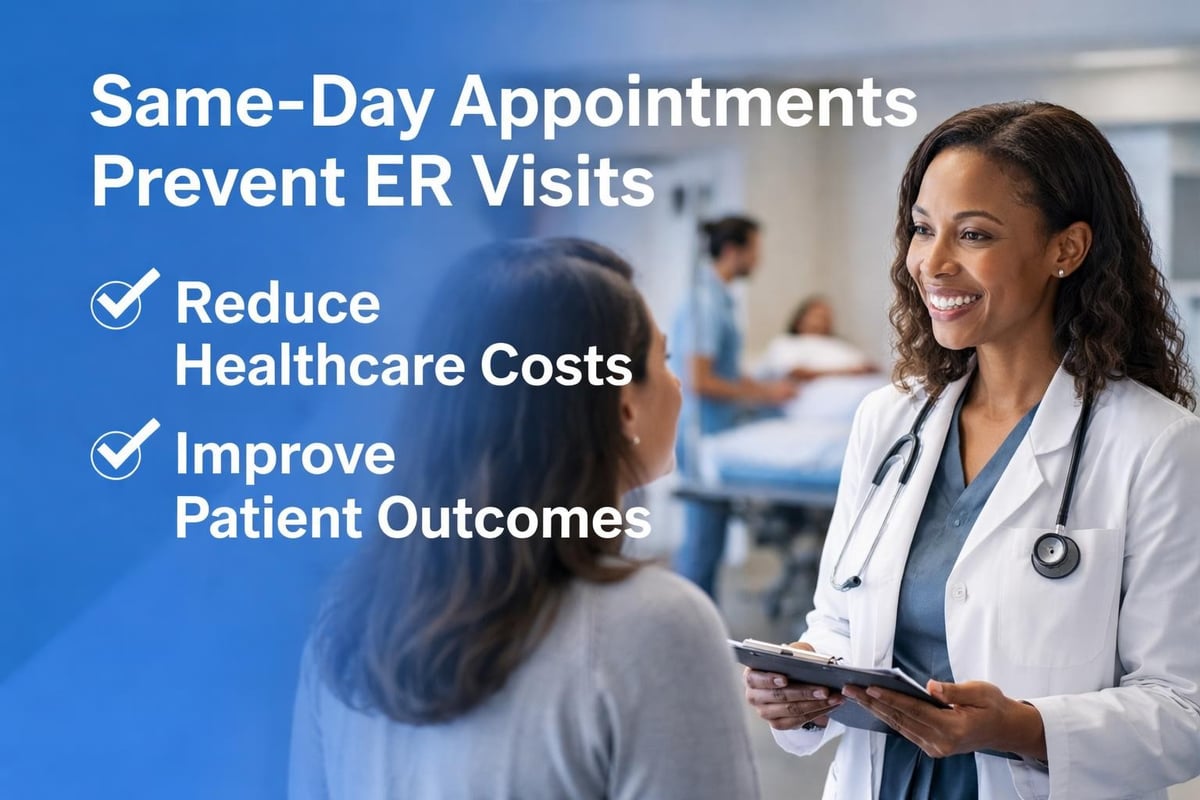
Same-day appointments represent a critical differentiator in primary care. Medical concerns don't follow a schedule, and waiting days or weeks to see a provider can lead to worsening conditions, unnecessary emergency room visits, and increased healthcare costs.
A clinic that offers same-day access demonstrates several key commitments:
- Adequate staffing levels to accommodate urgent needs
- Flexible scheduling systems that prioritize patient needs
- Efficient workflow management that maximizes provider availability
- Patient-centered philosophy that values timely intervention
Comprehensive Ancillary Services Under One Roof
The convenience of in-house ancillary services cannot be overstated. When your health clinic provides laboratory testing, imaging, vaccinations, and other services on-site, you benefit from streamlined care coordination and faster results.
| Service Type | Benefits | Impact on Care |
|---|---|---|
| Laboratory Testing | Immediate sample collection, faster results | Quicker diagnosis and treatment initiation |
| Diagnostic Imaging | Same-visit scans, integrated interpretation | Reduced wait times, coordinated care plans |
| Vaccinations | Convenient immunization access | Better prevention compliance rates |
| Minor Procedures | In-office treatment options | Fewer referrals, lower costs |
Having these services available eliminates the hassle of traveling to multiple locations, coordinating between different facilities, and experiencing delays in test results. Your provider can order necessary tests during your visit, receive results quickly, and adjust treatment plans accordingly.
Integration with Subspecialty Support
While primary care addresses most health concerns, certain conditions require specialized expertise. Your health clinic should maintain strong relationships with subspecialists who can provide expert consultation when needed.
The most effective model involves coordinated subspecialty support where specialists work collaboratively with your primary care team. This approach ensures:
- Seamless referrals without bureaucratic delays
- Shared electronic health records for complete information access
- Clear communication channels between providers
- Coordinated treatment plans that avoid conflicting recommendations
- Follow-up care managed through your primary clinic
This integrated approach prevents the common problem of fragmented care where patients feel lost between multiple providers who don't communicate effectively.
Family-Centered Care Across All Ages
A truly comprehensive primary care clinic serves patients throughout their entire lifespan. From pediatric care to geriatric medicine, your health clinic should accommodate the needs of every family member.
Pediatric Primary Care
Children require specialized attention from providers experienced in developmental milestones, childhood illnesses, and age-appropriate preventive care. Quality pediatric services include:
- Well-child visits and growth monitoring
- Immunization schedules aligned with CDC recommendations
- Developmental screening and early intervention referrals
- Acute illness management for common childhood conditions
- Parent education and support resources
Having patient education resources available in accessible formats helps parents make informed decisions about their children's health.
Adult Primary Care
Adult patients benefit from comprehensive primary care that addresses both immediate health concerns and long-term wellness strategies. Effective adult care encompasses:
- Chronic disease management (diabetes, hypertension, asthma)
- Preventive screenings based on age and risk factors
- Mental health support and referrals
- Lifestyle counseling for nutrition, exercise, and stress management
- Medication management and coordination
The transition from pediatric to adult care represents a critical period where having a trusted clinic for the entire family simplifies continuity of care.

Senior Care Considerations
Older adults often manage multiple chronic conditions requiring careful coordination. Your health clinic should provide geriatric-focused services including:
- Medication reconciliation to prevent dangerous interactions
- Fall risk assessments and prevention strategies
- Cognitive screening and dementia support
- Care coordination with home health services
- Advanced care planning discussions
The team-based approach to primary care proves particularly valuable for senior patients who benefit from coordinated efforts of nurses, pharmacists, and social workers alongside their physician.
Patient Education and Empowerment
Informed patients achieve better health outcomes. Your health clinic should prioritize patient education through multiple channels and formats.
Effective patient education strategies include:
- Clear verbal explanations during appointments
- Written materials tailored to literacy levels
- Video resources for visual learners
- Online portals with condition-specific information
- Group education classes for chronic disease management
- Culturally appropriate materials in multiple languages
UCLA Health’s approach to patient education demonstrates how comprehensive video libraries and accessible resources through patient portals can significantly enhance understanding and engagement.
The Role of Technology in Patient Engagement
Modern primary care leverages technology to improve communication and access. Look for clinics that offer:
| Technology Feature | Patient Benefit |
|---|---|
| Patient Portal | 24/7 access to test results, medications, and records |
| Telehealth Options | Remote consultations for appropriate conditions |
| Online Scheduling | Convenient appointment booking |
| Secure Messaging | Direct communication with care team |
| Mobile Apps | Health tracking and medication reminders |
These technological tools complement in-person care and provide patients with greater control over their healthcare experience.
Safety and Quality Standards
Patient safety represents a fundamental obligation of any healthcare facility. Primary care safety strategies address both clinical and operational aspects of care delivery.
When evaluating your health clinic, consider their commitment to:
- Accurate diagnosis through thorough evaluation and appropriate testing
- Medication safety including prescribing, dispensing, and monitoring
- Infection control protocols and clean facilities
- Clear communication to prevent misunderstandings
- System redundancies to catch potential errors
- Continuous quality improvement initiatives
Accreditation and certification from recognized healthcare organizations provide external validation of a clinic's commitment to quality standards. These credentials demonstrate adherence to established best practices and regular review processes.
Measuring Outcomes and Satisfaction
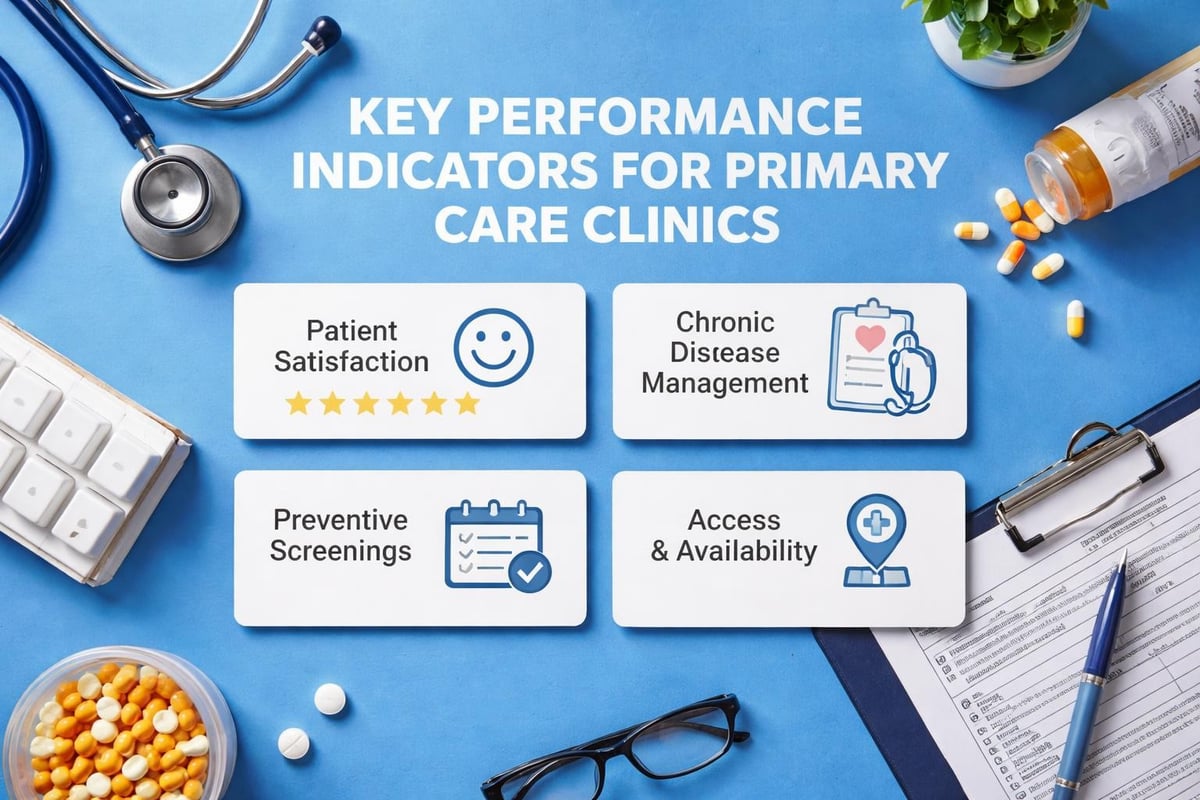
Transparent reporting of patient outcomes and satisfaction metrics indicates a clinic's confidence in their care quality. Ask potential clinics about:
- Patient satisfaction scores
- Clinical outcome measures for chronic diseases
- Preventive care completion rates
- Average wait times for appointments
- After-hours availability and response times
The Patient-Provider Relationship
The foundation of excellent primary care rests on strong therapeutic relationships between patients and their healthcare providers. Your health clinic should foster an environment where these relationships can develop and thrive.
Essential elements of effective patient-provider relationships include:
- Continuity of care with the same provider over time
- Adequate appointment duration for thorough discussions
- Active listening and validation of patient concerns
- Shared decision-making about treatment options
- Respectful communication that acknowledges patient preferences
- Cultural competency and sensitivity to diverse backgrounds
Patient- and family-centered care approaches recognize that healthcare decisions should reflect individual values, beliefs, and circumstances rather than a one-size-fits-all model.
Communication Beyond Appointments
Quality care extends beyond scheduled visits. Your health clinic should provide multiple avenues for ongoing communication:
- Nurse triage lines for questions between appointments
- Clear after-hours protocols for urgent concerns
- Care coordination support for specialist referrals
- Follow-up calls after procedures or hospitalizations
- Proactive outreach for preventive care reminders
This comprehensive communication framework ensures patients never feel abandoned or uncertain about accessing care when needed.
Making Your Selection
Choosing your health clinic requires careful consideration of multiple factors that align with your specific needs and preferences. Start by creating a prioritized list of what matters most to your family.
Essential evaluation criteria might include:
- Geographic location and convenience
- Accepted insurance plans
- Provider credentials and experience
- Range of available services
- Appointment availability and wait times
- Office environment and staff friendliness
- Patient reviews and testimonials
Schedule introductory visits to potential clinics before committing. Many practices offer meet-and-greet appointments where you can tour the facility, meet providers, and ask questions without the pressure of an acute medical need.
Questions to Ask During Your Evaluation
Come prepared with specific questions that reveal how your health clinic operates:
- What is your typical wait time for same-day appointments?
- Which ancillary services are available on-site?
- How do you coordinate care with specialists?
- What after-hours support do you provide?
- How do you handle prescription refills and routine requests?
- What patient education resources do you offer?
- Do you use electronic health records and patient portals?
The responses to these questions will provide insight into whether a clinic's operational philosophy matches your expectations for accessible, comprehensive care.
Insurance and Financial Considerations
Understanding the financial aspects of your health clinic relationship prevents unexpected costs and ensures sustainable access to care. Primary care typically represents one of the most cost-effective components of healthcare when utilized appropriately.
Key financial questions to address:
- Which insurance plans does the clinic accept?
- What are typical copays for different visit types?
- How are ancillary services billed?
- Does the clinic offer payment plans for uninsured patients?
- What preventive services are covered at no cost under your plan?
Most insurance plans cover annual preventive visits and many screenings without cost-sharing, making regular primary care an economically sound investment in long-term health. Comprehensive patient education materials can help you understand which preventive services you should be receiving based on your age, gender, and risk factors.
Value-Based Care Models
Many modern primary care practices participate in value-based care arrangements that align incentives with patient outcomes rather than volume of services. These models often result in:
- More time spent on preventive care
- Better chronic disease management
- Reduced unnecessary emergency room visits
- Lower overall healthcare costs
- Improved patient satisfaction
Ask whether your health clinic participates in any value-based programs, as these arrangements often indicate a commitment to quality over quantity.
Selecting the right primary care partner significantly impacts your family's health trajectory, access to timely treatment, and overall healthcare experience. The ideal facility combines comprehensive services, same-day availability, subspecialty coordination, and patient-centered approaches that prioritize your unique needs. Whether you need routine preventive care, management of chronic conditions, or urgent medical attention, having a trusted primary care home ensures you receive coordinated, high-quality care when you need it most. Dominion health provides comprehensive primary care services for patients of all ages, with in-house ancillary services and subspecialty support available for same-day appointments, ensuring your entire family receives exceptional, accessible healthcare.