General physicians serve as the cornerstone of healthcare delivery, providing comprehensive medical care to patients across all age groups and health conditions. These dedicated professionals build long-term relationships with their patients, coordinating everything from routine preventive care to complex chronic disease management. In an increasingly specialized medical landscape, general physicians remain your first point of contact for health concerns, offering accessible, personalized care that addresses your unique needs. Their broad training enables them to handle a wide spectrum of medical issues while knowing exactly when to coordinate with specialists for optimal patient outcomes.
The Critical Role of General Physicians in Modern Healthcare
General physicians function as medical generalists who treat the whole person rather than focusing on a single organ system or disease category. Their comprehensive approach means they can diagnose and manage conditions affecting multiple body systems simultaneously, understanding how various health factors interact and influence each other.
These practitioners maintain extensive knowledge across internal medicine, pediatrics, gynecology, minor surgery, and mental health. This breadth of expertise allows them to address approximately 90% of patient concerns without requiring specialist referrals, making healthcare more efficient and cost-effective.
Continuity of Care That Transforms Health Outcomes
One of the most valuable aspects of working with general physicians is the continuity they provide throughout your life. Unlike specialists who you might see for isolated issues, your general physician maintains your complete medical history and understands your health trajectory over years or even decades.
This longitudinal relationship enables earlier detection of subtle health changes that might indicate emerging problems. Your physician recognizes patterns in your symptoms, medication responses, and lifestyle factors that inform better clinical decisions. Research consistently demonstrates that patients with established relationships with their general physicians experience better health outcomes, lower hospitalization rates, and higher satisfaction with their care.

Comprehensive Services Provided by General Physicians
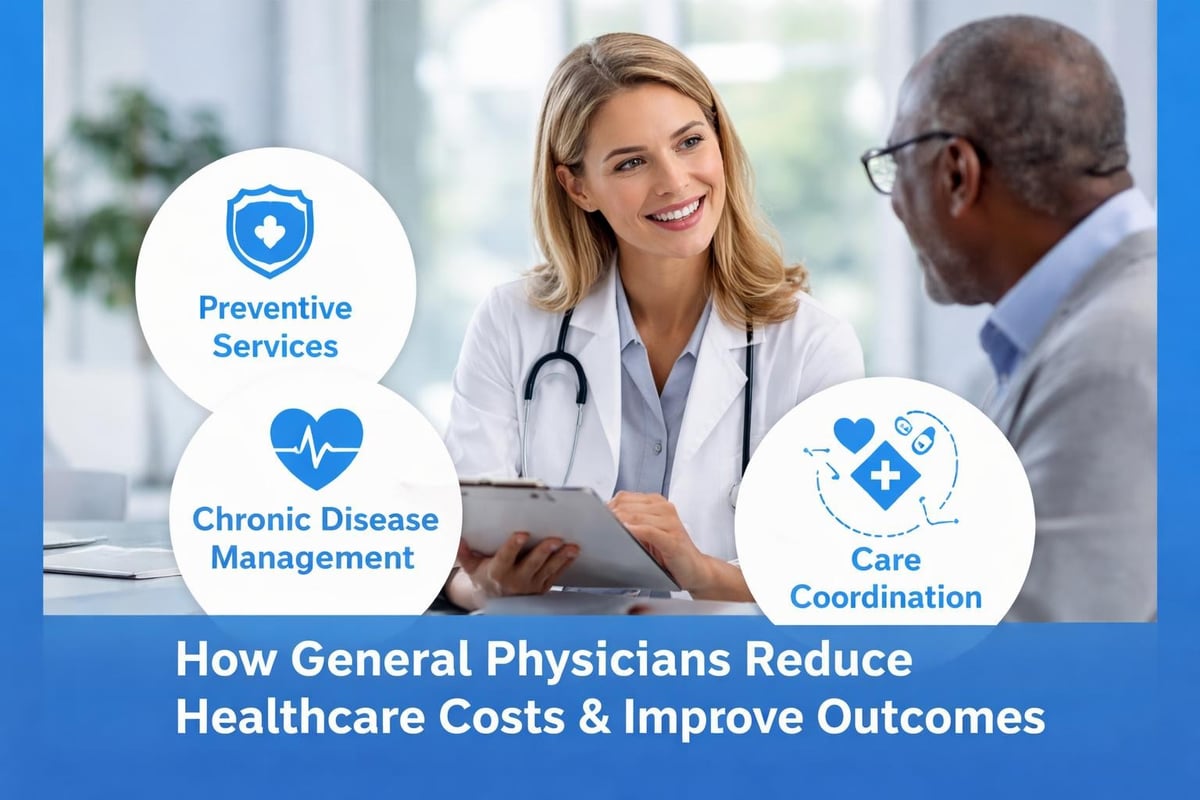
The scope of practice for general physicians extends far beyond treating colds and performing annual checkups. These medical professionals deliver a remarkably broad range of services designed to maintain health, prevent disease, and manage chronic conditions effectively.
Preventive Care and Health Maintenance
Preventive medicine represents one of the most important functions of general physicians. They provide:
- Annual physical examinations that establish health baselines and detect problems early
- Immunization programs for children, adults, and travelers
- Cancer screenings including mammograms, colonoscopies, and skin examinations
- Cardiovascular risk assessments with cholesterol testing and blood pressure monitoring
- Diabetes screening and metabolic health evaluations
- Mental health screenings for depression, anxiety, and substance use disorders
The Choosing Wisely initiative provides valuable guidance to help physicians recommend only necessary preventive services, avoiding overuse of tests that may not benefit patients while ensuring critical screenings are not missed.
Acute Illness Treatment
When you develop sudden health problems, general physicians diagnose and treat a wide array of acute conditions:
- Respiratory infections including bronchitis, pneumonia, and sinusitis
- Gastrointestinal issues such as food poisoning, gastritis, and irritable bowel syndrome
- Urinary tract infections and kidney problems
- Skin conditions including rashes, infections, and allergic reactions
- Minor injuries, sprains, and lacerations requiring sutures
- Ear infections, conjunctivitis, and other common ailments
Many primary care clinics now offer same-day appointments for urgent concerns, ensuring patients receive timely care without resorting to expensive emergency room visits for non-emergency conditions. This accessibility is particularly valuable for working families who need quick resolution of health issues.
Chronic Disease Management
Perhaps the most significant contribution general physicians make is in managing chronic health conditions that require ongoing attention. According to data from the Centers for Disease Control and Prevention, approximately 60% of American adults have at least one chronic disease, and 40% have two or more.
General physicians coordinate comprehensive management for conditions including:
| Chronic Condition | Management Approach | Coordination Needs |
|---|---|---|
| Diabetes | Medication adjustment, lifestyle counseling, complication screening | Endocrinology, ophthalmology, podiatry |
| Hypertension | Blood pressure monitoring, medication management, dietary guidance | Cardiology when complications arise |
| Asthma/COPD | Inhaler therapy, pulmonary function testing, trigger identification | Pulmonology for severe cases |
| Arthritis | Pain management, mobility assessment, inflammation control | Rheumatology, orthopedics |
| Depression/Anxiety | Medication management, therapy referrals, progress monitoring | Psychiatry, psychology |
The Coordination Function of General Physicians
Beyond direct patient care, general physicians serve as healthcare coordinators who ensure all aspects of your medical treatment work together harmoniously. This coordination becomes increasingly important as healthcare grows more fragmented and specialized.
Managing Specialist Referrals
When your condition requires specialist expertise, your general physician determines which specialist is appropriate, provides essential background information, and interprets specialist recommendations within the context of your overall health. They ensure specialist treatments do not conflict with other medications or conditions you have.
After specialist consultations, your general physician integrates new treatments into your comprehensive care plan, monitors for side effects or interactions, and maintains communication with specialists to track your progress. This central coordination prevents duplicated tests, contradictory treatments, and gaps in care that can occur when multiple providers work independently.

Medication Management and Safety
General physicians maintain complete medication records and actively manage your prescriptions to prevent dangerous interactions. They regularly review all medications, including over-the-counter drugs and supplements, looking for opportunities to simplify regimens and reduce pill burden.
The Agency for Healthcare Research and Quality provides evidence-based resources that help physicians optimize medication safety and effectiveness. By maintaining this comprehensive oversight, general physicians prevent the medication errors that frequently occur when specialists prescribe without full knowledge of what other doctors have ordered.
Choosing the Right General Physician for Your Needs
Selecting a general physician represents one of the most important healthcare decisions you will make. The right fit ensures you receive personalized, effective care that addresses your unique circumstances and health goals.
Factors to Consider
Board certification and training confirm your physician has completed rigorous education and continues meeting professional standards. Organizations like the American Academy of Family Physicians provide resources to verify credentials and find qualified practitioners.
Practice accessibility matters tremendously for maintaining consistent care. Consider office location, available appointment times, same-day scheduling for urgent issues, and after-hours contact options. Primary care should be convenient enough that you actually use it when needed rather than delaying care due to logistical challenges.
Communication style varies among physicians, so finding someone whose approach resonates with you improves satisfaction and adherence to treatment plans. Some patients prefer detailed explanations of every option, while others want concise recommendations. The best general physicians adapt their communication to patient preferences.
Questions to Ask Potential Physicians
- What percentage of patients can you accommodate for same-day urgent appointments?
- How do you coordinate care with specialists and ensure I understand all treatment recommendations?
- What ancillary services are available in your practice or building?
- How do you handle after-hours emergencies or urgent questions?
- What is your approach to preventive care and health maintenance?
Ancillary Services That Enhance Primary Care
Modern primary care practices increasingly offer ancillary services on-site, eliminating the need for patients to travel to multiple locations for comprehensive care. These integrated services improve convenience while ensuring better communication among providers.
Common In-House Services
Advanced primary care clinics may provide:
- Laboratory testing with rapid results for blood work, urinalysis, and cultures
- Imaging services including X-rays, ultrasounds, and sometimes CT scans
- Physical therapy for musculoskeletal injuries and post-surgical rehabilitation
- Nutrition counseling for weight management, diabetes, and cardiovascular health
- Mental health services with counselors or therapists integrated into primary care
- Minor procedures such as skin biopsies, joint injections, and wound care
Having these services under one roof with your general physician streamlines care coordination and reduces the fragmentation that complicates treatment. Results reach your physician immediately, enabling faster clinical decisions and treatment adjustments.
The Future of General Physicians in Healthcare
The healthcare landscape continues evolving, but the fundamental need for general physicians remains constant and arguably grows stronger. As medical knowledge expands and subspecialization increases, someone must maintain the big picture of patient health and coordinate increasingly complex care.
Technological Integration
General physicians increasingly leverage technology to enhance care delivery. Electronic health records enable better information sharing, while telemedicine expands access to patients who face transportation or mobility challenges. Clinical decision support tools, informed by resources like UpToDate, help physicians apply the latest evidence to patient care decisions.
Patient portals allow secure messaging with your physician, prescription refills, test result access, and appointment scheduling outside traditional office hours. These tools strengthen the patient-physician relationship by facilitating more frequent, convenient communication.
Value-Based Care Models
Healthcare payment increasingly rewards quality outcomes rather than volume of services. This shift benefits general physicians whose preventive focus and care coordination naturally align with value-based models. By keeping patients healthier and avoiding unnecessary hospitalizations or specialist visits, effective primary care demonstrates clear value.
Building a Productive Partnership with Your General Physician
The patient-physician relationship works best as a partnership where both parties contribute actively to maintaining your health. While your physician brings medical expertise, you provide essential information about your symptoms, lifestyle, and preferences that inform treatment decisions.
Maximizing Your Appointments
Preparation enhances the productivity of visits with your general physician:
- Document your symptoms including when they started, what makes them better or worse, and associated factors
- List all medications including over-the-counter drugs, supplements, and herbal remedies
- Bring relevant medical records from other providers or previous testing
- Prepare questions and prioritize them in case time runs short
- Be honest about lifestyle factors, medication adherence, and concerns
Between-Visit Communication
Effective healthcare extends beyond scheduled appointments. Contact your physician's office when you notice new symptoms, experience medication side effects, or have questions about treatment plans. Many concerns can be addressed through portal messages or brief phone consultations, preventing minor issues from becoming major problems.
The Impact of General Physicians on Population Health
Beyond individual patient care, general physicians significantly influence community health outcomes. Their frontline position enables early detection of disease outbreaks, identification of environmental health hazards, and delivery of public health interventions.
General physicians serve essential roles in:
- Vaccinating communities against preventable diseases
- Identifying and reporting communicable disease cases
- Providing prenatal care that improves maternal and infant health
- Managing opioid prescribing to combat addiction
- Screening for social determinants of health like food insecurity or housing instability
The World Health Organization recognizes strong primary care systems anchored by general physicians as foundational to population health and healthcare sustainability. Countries with robust primary care networks consistently demonstrate better health outcomes at lower costs compared to specialist-heavy systems.
Special Populations Served by General Physicians
The comprehensive training of general physicians enables them to care for diverse patient populations with varying needs. This versatility makes primary care accessible to everyone regardless of age or health status.
Pediatric Care
General physicians provide well-child visits, developmental assessments, immunizations, and treatment of childhood illnesses. They recognize when children need pediatric subspecialty evaluation while handling routine care efficiently.
Geriatric Medicine
Older adults benefit tremendously from general physicians who understand the complexities of aging, including multiple chronic conditions, polypharmacy risks, cognitive decline, and functional limitations. These physicians coordinate care teams that may include home health, social services, and multiple specialists.
Women's Health
Many general physicians provide gynecological care including contraception, prenatal care, breast health, and menopause management. This integrated approach allows women to address reproductive health alongside general medical needs with a single trusted provider.
| Age Group | Primary Care Focus | Common Services |
|---|---|---|
| Children (0-12) | Growth monitoring, immunizations, acute illness | Well-child visits, ear infections, asthma management |
| Adolescents (13-17) | Preventive care, sports physicals, mental health | Immunizations, acne treatment, depression screening |
| Young Adults (18-39) | Prevention, reproductive health, lifestyle | Contraception, STI screening, wellness counseling |
| Middle Age (40-64) | Chronic disease prevention, screening | Cancer screenings, metabolic syndrome management |
| Seniors (65+) | Chronic disease management, function preservation | Medication management, fall prevention, dementia screening |
General physicians remain essential partners in maintaining health across your lifetime, providing accessible, comprehensive care that addresses your unique needs while coordinating with specialists when necessary. Whether you need preventive services, treatment for acute illness, or management of chronic conditions, establishing a relationship with a skilled general physician creates the foundation for optimal health outcomes. Dominion health offers comprehensive primary care for patients of all ages, with in-house ancillary services and subspecialty support available when you need it, including same-day appointments for urgent concerns.