
The landscape of physicians care is transforming rapidly as 2026 approaches, driven by new technologies, evolving patient expectations, and innovative care models. Navigating these changes can be overwhelming for patients and families who want the best possible care.
Staying informed about physicians care is now more important than ever. From expanded telemedicine options to patient-centered approaches, understanding the latest trends empowers you to make better decisions for your health.
This guide offers a comprehensive look at physicians care in 2026. You will discover what defines quality care, how to access essential services, what to expect from modern clinics, and how to choose the right provider. Take charge of your healthcare journey with the insights ahead.
The Evolving Role of Physicians Care in 2026
The landscape of physicians care is rapidly transforming as we approach 2026. Patients and families expect more than basic treatment—they seek seamless access, comprehensive support, and a relationship with their healthcare providers. Understanding how physicians care has evolved is essential for making informed choices about your health and well-being.

Defining Physicians Care: Beyond the Basics
Physicians care in 2026 is far more than just treating illnesses when they arise. It now includes urgent care for sudden injuries, primary care for ongoing health needs, preventive screenings, and expert management of chronic diseases. The scope of physicians care has expanded to offer telemedicine visits, wellness programs, and occupational health services for employees.
Many clinics integrate specialty care and ancillary services, ensuring patients can access everything from pediatric visits to physical therapy under one roof. For example, competitor clinics now offer same-day urgent care for children and virtual consultations for adults, making physicians care more accessible and comprehensive.
The shift from episodic visits to continuous, relationship-based care is clear. Providers focus on building trust and understanding each patient's health journey. For those seeking a deeper understanding of core offerings, Understanding Primary Care Services provides an excellent overview of this essential aspect of physicians care.
This evolution ensures that physicians care supports patients at every stage, whether for routine checkups, managing diabetes, or coordinating specialty referrals.
Key Trends Reshaping Physicians Care
Several major trends are redefining what patients expect from physicians care in 2026. Clinics now offer extended hours, including evenings and weekends, meeting the demand for flexibility. Telemedicine and video visits have become standard, allowing patients to consult with providers from home or work.
There is a growing emphasis on holistic health. Physicians care now addresses mental health, weight management, immunizations, and preventive screenings as part of a comprehensive approach. Patients also benefit from digital self-service tools, such as mobile waitlists, online forms, and easy digital scheduling.
Patient-centered and compassionate care is at the forefront. Providers prioritize clear communication and empathy, ensuring every patient feels heard and respected. These advances make physicians care more convenient, responsive, and tailored to individual needs.
A comparison of traditional and modern physicians care:
| Feature | Traditional Care | 2026 Physicians Care |
|---|---|---|
| Hours | 9-5, weekdays | Evenings, weekends |
| Telemedicine | Rare | Standard offering |
| Self-service Tools | Minimal | Mobile, digital |
| Holistic Health | Limited | Integrated |
| Patient Experience | Variable | Central focus |
The Impact of Value-Based and Patient-Centered Models
The move from fee-for-service to value-based care has had a profound impact on physicians care. This model rewards providers for improving patient outcomes rather than simply increasing the number of visits or procedures. As a result, clinics are investing more in care coordination, ensuring seamless communication between primary care doctors, specialists, and support staff.
Patient reviews and satisfaction ratings are now critical indicators of quality. Many clinics proudly showcase ratings like 4.8 out of 5 stars, based on thousands of verified reviews. This transparency encourages providers to deliver efficient, compassionate, and high-quality care.
Modern physicians care is defined by its focus on relationship-building, efficiency, and positive patient experiences. Patients benefit from prompt attention, clear follow-up, and a healthcare journey that prioritizes their long-term well-being. The evolution of physicians care in 2026 sets a new standard for accessible, coordinated, and personalized healthcare.
Navigating Physicians Care Services: What Patients Can Expect
The landscape of physicians care in 2026 is designed for accessibility, comprehensiveness, and patient-centeredness. As a patient or family member, understanding the array of services available and how to access them can empower you to make informed choices for your health.
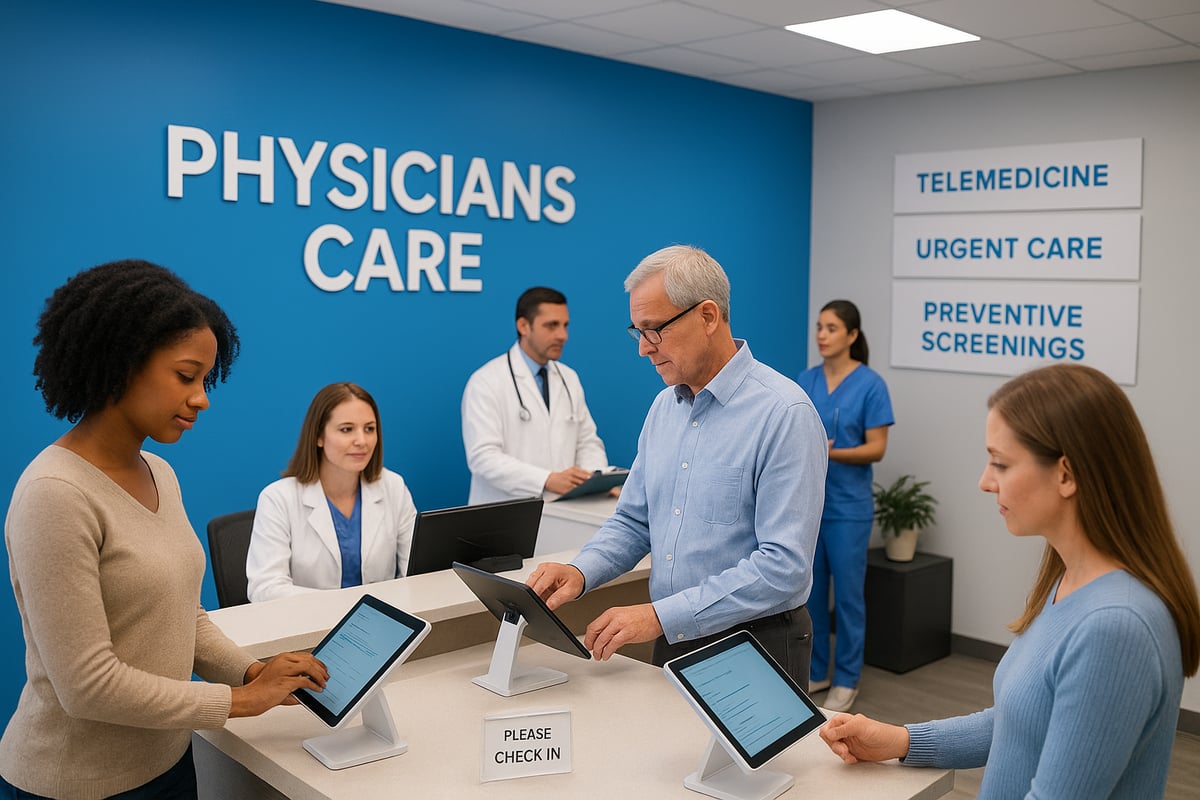
Core Services Offered in 2026
Physicians care now covers a wide spectrum of needs, making it a central hub for both acute and ongoing health management.
Walk-in clinics handle injuries such as sprains, minor fractures, and cuts. They diagnose and treat common illnesses like strep throat, flu, and infections. Managing chronic conditions, such as diabetes or hypertension, is now routine within physicians care settings.
Diagnostic services are a cornerstone. Many clinics feature on-site X-rays, blood tests, strep and flu tests, allergy panels, and drug screenings. Preventive care is also prioritized: annual physicals, immunizations, and wellness visits are easily accessible. School, sports, and camp physicals are offered to support families year-round.
Occupational health, including Department of Transportation (DOT) exams and workplace screenings, is integrated into many clinics. For added convenience, telemedicine and video visits are now standard features. Patients can consult providers remotely for routine or urgent issues. To learn more about telemedicine options, see Telemedicine and Virtual Visits.
Physicians care ensures that every patient, regardless of age or background, can access the right level of care when needed.
Specialized and Emerging Services
In 2026, physicians care extends far beyond basic treatment. Clinics offer specialized services to address the full continuum of health.
Mental health support is now commonly integrated, with behavioral health professionals collaborating alongside medical providers. Patients benefit from counseling, medication management, and referrals within a familiar setting.
Chronic disease management services have expanded. Patients with asthma, COPD, or heart disease receive tailored plans, remote monitoring, and regular follow-ups. Women’s health, geriatrics, and pediatrics are key focuses. Clinics provide well-woman exams, menopause support, pediatric vaccinations, and senior wellness assessments.
Weight loss and lifestyle medicine programs are increasingly available. Patients can access nutrition counseling, exercise planning, and metabolic assessments. Education is emphasized, with resources for self-management and health literacy.
This holistic approach means physicians care is not just reactive, but proactive, supporting long-term wellness for every patient.
Service Access and Availability
Access to physicians care has become more flexible and transparent. Patients can choose between walk-in, same-day, or scheduled appointments to suit their needs.
Extended hours are now standard at many locations, with evening, weekend, and even holiday availability. Geographic expansion ensures that multiple clinics are accessible within communities, reducing travel time and increasing convenience.
Virtual care options have broadened, allowing patients to connect with providers from home or work. Digital check-in and mobile waitlists streamline the arrival process, minimizing time spent in waiting rooms. Some clinics post real-time wait times online, empowering patients to plan visits more effectively.
A focus on transparency extends to communication, too. Staff provide clear information about services, wait times, and follow-up steps. With these advancements, physicians care prioritizes patient comfort, accessibility, and convenience at every step.
Patient Experience and Quality of Care
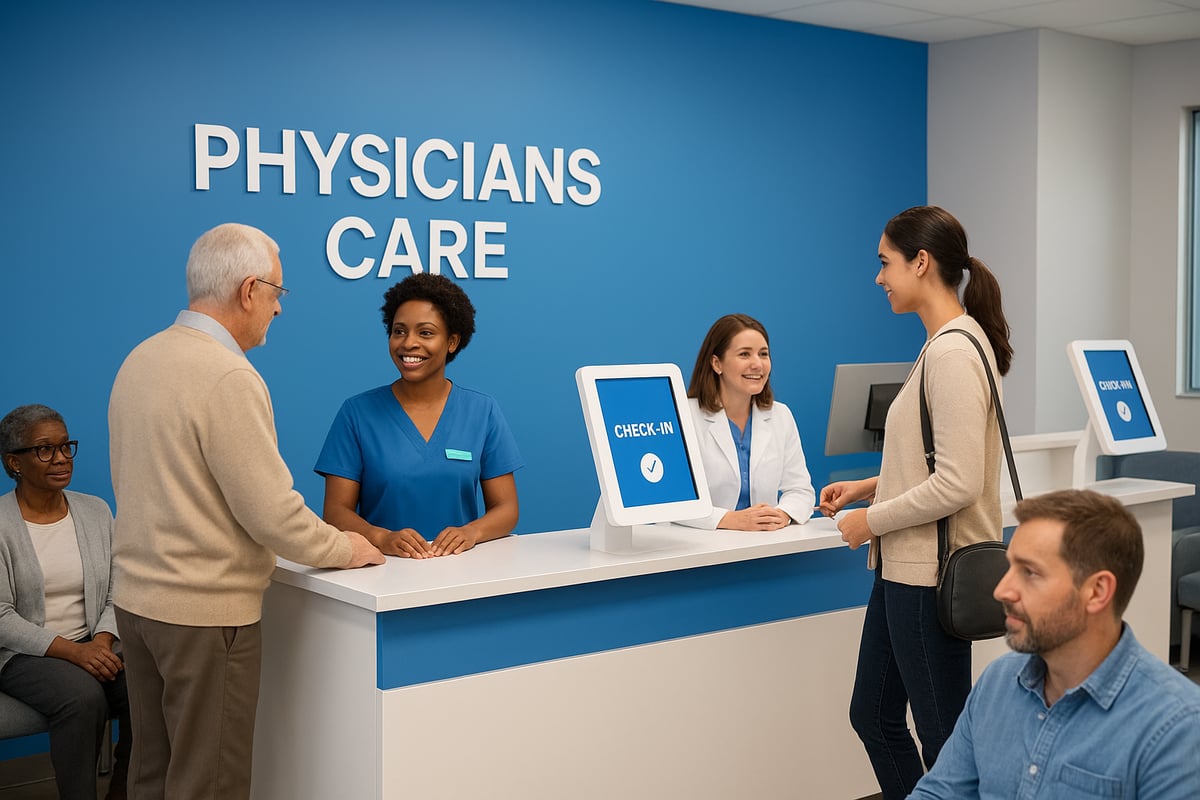
A positive patient experience is at the heart of high-quality physicians care in 2026. Today’s clinics go beyond treating illness, focusing on how patients feel throughout their healthcare journey. From arrival to follow-up, every detail counts, and clinics strive to make each step welcoming and efficient.
What Defines a Positive Patient Experience?
Several factors define a positive encounter at a physicians care provider. Short wait times help patients feel valued instead of frustrated. Friendly, attentive staff and spotless facilities build trust and comfort. Most importantly, the quality of physicians care, including accurate diagnosis and effective treatment, sets the standard for excellence.
Patients increasingly rely on satisfaction scores and verified reviews to select where they receive physicians care. Scores such as 4.7 out of 5 for cleanliness and 4.6 for bedside manner reflect a clinic’s commitment to service. Clear communication, patient advocacy, and personalized follow-up further enhance the experience.
Clinics that take a holistic approach, integrating preventive and chronic care, often stand out. For example, those following a Comprehensive Family Medicine Overview model demonstrate continuous, relationship-based physicians care that resonates with families seeking long-term support.
Addressing Common Patient Concerns
Patients commonly worry about long waits, especially during peak times at physicians care clinics. Many clinics now offer mobile waitlists and digital check-in to keep lines moving. By providing real-time updates, patients can better plan their visits and reduce stress.
Another frequent concern is distinguishing between urgent and emergency care. Clinics educate patients about which conditions are suitable for physicians care and when to seek emergency services. This guidance helps manage expectations and ensures proper treatment.
Clear explanations about diagnoses, treatment plans, and next steps are essential. Providers in physicians care settings now prioritize accessible communication, including language services and ADA-compliant facilities. Patient rights and advocacy resources are often available, empowering individuals to make informed choices about their physicians care.
The Role of Technology in Enhancing Experience
Technology plays a pivotal role in improving the patient journey in physicians care. Digital paperwork and mobile check-in streamline the registration process. Online portals grant patients instant access to health records, test results, and appointment scheduling.
Telehealth platforms have become a cornerstone of physicians care, enabling remote consultations for routine and urgent needs. Integration with electronic health records ensures seamless communication between patients and providers, supporting continuity of care.
Clinics also use app-based scheduling and mobile notifications to keep patients informed. These innovations reduce wait times, enhance transparency, and contribute to a smooth, efficient experience in physicians care clinics.
Insurance, Payments, and Cost Transparency in 2026
Navigating the financial aspects of physicians care in 2026 is essential for patients and families. Understanding insurance, payment options, and cost transparency can help you avoid surprises and make informed decisions about your health.

Understanding Insurance Coverage
Insurance coverage for physicians care is broader and more flexible in 2026. Most clinics accept a wide range of insurance plans, including Aetna, Blue Cross Blue Shield, Cigna, Humana, Medicaid, Medicare, PPO, and TRICARE. Verifying your insurance before any visit is crucial. This ensures you understand what is covered and helps you estimate any out-of-pocket costs.
Coverage affects both in-person and telemedicine visits. For example, many insurance plans now include virtual visits as part of their standard benefits, reducing barriers to accessing physicians care from home. Patients can use online tools to verify their benefits and estimate costs ahead of time.
For more details on accepted plans, coverage guidelines, and what to expect, consult the Insurance and Fees Information page for up-to-date resources. Staying informed about your insurance options empowers you to maximize your physicians care benefits and avoid unexpected charges.
Self-Pay and Transparent Pricing
Not everyone has insurance, and some may prefer to use self-pay options for physicians care. Clinics in 2026 publish detailed fee schedules, making costs clear upfront. For example, a typical office visit may cost around $150, while a video visit could be $70. Additional charges for labs, X-rays, or procedures are listed transparently, helping patients plan ahead.
Transparent pricing is a growing standard, and many clinics offer financial assistance or sliding scale fees for those in need. Patients can request a written estimate before receiving care, ensuring there are no surprises. By understanding self-pay options, you can confidently access physicians care, knowing exactly what you will owe.
Patients should also look for clinics that display their prices online or in the office. This commitment to transparency builds trust and supports better decision-making when choosing physicians care providers.
Navigating Financial Assistance and Billing
Managing billing and payments for physicians care has become more patient-friendly in 2026. Clinics provide support staff to help answer billing questions, verify insurance, and explain your financial responsibilities. If you need help, financial assistance programs or payment plans are often available.
Online payment portals make it easy to pay bills, track balances, and access statements. To protect patients from unexpected costs, the No Surprise Act offers extra safeguards, ensuring that you receive clear explanations of charges before and after care.
If you encounter a billing issue or need help understanding your statement, do not hesitate to reach out to your physicians care provider. Being proactive with billing questions and knowing your rights helps you stay in control of your health care finances.
Technology and Innovation in Physicians Care
The landscape of physicians care in 2026 is defined by rapid technological advancement. Patients now expect seamless integration of digital tools in their healthcare journey. From virtual visits to AI-driven insights, innovation is shaping every aspect of the patient experience.
Telemedicine and Virtual Visits
Telemedicine has become a core service in physicians care, making healthcare more accessible than ever. Patients can schedule video visits for both urgent and routine needs, often within minutes. This approach reduces wait times and eliminates travel barriers, ensuring continuity of care for those with mobility or time constraints.
Clinics now offer on-demand virtual visits, typically priced around $70. These visits use secure platforms that support real-time communication, digital prescriptions, and follow-up scheduling. Many providers have expanded availability to evenings and weekends, allowing patients to seek physicians care outside traditional hours.
For patients, the process is straightforward. After booking online or through an app, they receive a secure link for their consultation. Technology requirements are minimal—a smartphone or computer with a camera and internet connection is usually sufficient.
Digital Health Tools and Patient Portals
Digital innovation extends far beyond virtual visits. In 2026, most physicians care clinics offer robust patient portals. These platforms empower patients to schedule appointments, complete digital forms, and check in remotely, reducing time spent in waiting rooms.
Patient portals also provide access to medical records, test results, and secure messaging with providers. Integration with wearable devices and health apps enables real-time monitoring of vital signs and physical activity, supporting proactive physicians care for chronic conditions.
Mobile check-in kiosks and online waitlists further streamline the experience. These tools give patients flexibility and transparency, allowing them to manage their healthcare on their terms. Clinics that prioritize digital accessibility are setting new standards in patient satisfaction.
Data Security, Privacy, and Compliance
As reliance on digital systems in physicians care grows, so does the importance of data security and privacy. Clinics must adhere to HIPAA regulations, ensuring all patient information is stored and transmitted securely. Secure platforms with encrypted communications are now standard across the industry.
Patient education is a key component of privacy protection. Clinics inform patients about their digital rights, consent protocols, and best practices for protecting their health data. Ongoing staff training and regular audits help maintain the highest standards of compliance.
For patients, this focus on security builds trust in digital physicians care. Knowing that their information is protected encourages adoption of telehealth and digital tools, ultimately supporting better health outcomes.
The Future: AI, Remote Monitoring, and Personalized Care
Looking ahead, physicians care is poised for even greater transformation. Artificial intelligence is being deployed for triage, diagnosis support, and patient education. Remote monitoring devices offer real-time data for chronic condition management, enabling providers to intervene quickly if issues arise.
Personalization is at the forefront of these innovations. By analyzing patient history and health trends, clinics can tailor care plans to individual needs. Data analytics enhance decision-making, while AI-driven tools make physicians care more efficient and precise.
For a deeper look at these emerging trends, see Healthcare Trends for 2026 and Beyond, which details how technology is shaping the future of care delivery.
Physicians care in 2026 is defined by innovation, security, and patient empowerment. Embracing these changes allows patients and providers to work together for healthier outcomes.
Choosing the Right Physicians Care Provider in 2026
Selecting the best physicians care provider in 2026 can feel overwhelming, given the range of services, technologies, and patient expectations. With evolving healthcare models and new trends, making an informed choice is more important than ever for patients and families.
Factors to Consider When Selecting a Provider
When evaluating physicians care providers, location and accessibility are crucial. Look for clinics close to home or work with convenient hours, including evenings or weekends.
Assess the range of physicians care services offered. Some clinics provide urgent, preventive, and chronic disease management, while others excel in telemedicine or specialty care. Review provider credentials, experience, and licensure to ensure high standards.
Facility reputation is also key. Cleanliness, efficiency, and positive patient feedback signal a provider’s commitment to quality care. Consider whether the clinic invests in up-to-date technology and prioritizes patient safety.
Evaluating Patient Reviews and Satisfaction
Patient reviews provide valuable insight into physicians care quality. Verified reviews on trusted platforms reflect real experiences, helping you gauge consistency in service and outcomes.
Focus on ratings for wait times, staff friendliness, and bedside manner. Consistently high scores, such as 4.8 out of 5 stars, indicate a provider’s dedication to patient-centered care. Look for specific feedback that mentions prompt attention, clear communication, and compassionate support.
Comparing feedback across multiple clinics can help you identify those with a strong reputation and a track record of positive patient experiences.
Comparing Costs and Insurance Acceptance
Understanding costs and insurance compatibility is essential when choosing physicians care. Clinics should offer transparent pricing for both self-pay and insured patients. Review published fee schedules, ask about additional costs for labs or procedures, and verify accepted insurance plans.
| Feature | Example Option A | Example Option B |
|---|---|---|
| Office Visit Fee | $150 | $130 |
| Video Visit Fee | $70 | $85 |
| Insurance Plans | Aetna, Cigna | BCBS, Humana |
With the healthcare industry moving toward value-based care, financial transparency and patient outcomes are increasingly linked. For more on this shift, see Charting the Path Forward to Value-Based Care.
Access, Convenience, and Communication
Efficient access and clear communication set leading physicians care providers apart. Clinics with online scheduling, walk-in availability, and mobile check-in tools make appointments simple and reduce wait times.
Virtual visits and telemedicine have become standard, offering flexibility for routine and urgent needs. Patient portals, secure messaging, and digital records support ongoing communication and easy access to health information.
Language services and ADA-compliant facilities ensure inclusivity, so every patient can engage confidently with their healthcare team.
Special Considerations for Families, Seniors, and Chronic Patients
Families, seniors, and those managing chronic conditions need physicians care that adapts to unique needs. Pediatric and geriatric services, chronic disease management programs, and preventive care options are essential features to seek out.
Accessibility matters. Look for clinics with accommodations for special needs, such as wheelchair access or support for sensory sensitivities. Comprehensive support and education resources empower patients to take charge of their health.
Staying informed about Top Health Care Trends for 2026 can help you choose a provider aligned with innovation and future-focused care. By weighing these factors, you can confidently select physicians care that meets your health goals.
Frequently Asked Questions About Physicians Care in 2026
Navigating physicians care in 2026 can raise many questions for patients and families. Below, we address the most common concerns to help you make informed decisions and get the most out of your healthcare experience.
What conditions can be treated at physicians care clinics versus emergency rooms?
Physicians care clinics handle non-life-threatening conditions such as sprains, minor fractures, infections, cold and flu, rashes, and mild asthma. For severe chest pain, difficulty breathing, major injuries, or symptoms of stroke, always visit an emergency room. Use clinics for routine and urgent issues that don't require hospital-level intervention.
How do I know if I need urgent care or primary care?
Urgent care is best for sudden illnesses or injuries that need prompt attention but are not emergencies. Primary care manages ongoing health needs, chronic conditions, and preventive care. If you are unsure, many physicians care clinics offer guidance by phone or online to help you choose the right level of care.
What should I bring to my appointment in 2026?
Bring a photo ID, insurance card, a list of current medications, and relevant medical records. For telemedicine visits, ensure you have a charged device and a quiet, private location. Some clinics may require digital forms completed ahead of time, which can speed up your visit.
How do telemedicine appointments work, and what are the limitations?
Telemedicine allows you to see a provider remotely via video or phone. Schedule through your clinic's portal, then connect at the set time. Limitations include the inability to perform physical exams or certain tests, so in-person visits may be required for complex issues. Physicians care clinics will advise when a virtual visit is appropriate.
How can I check wait times and availability at nearby clinics?
Most clinics now offer real-time wait time updates and appointment slots via their websites or mobile apps. Use these tools to find the next available opening, join virtual waitlists, or select a convenient location. This helps you plan your visit and minimize waiting.
What are my rights regarding billing and insurance coverage?
Patients have the right to clear information about accepted insurance plans, expected out-of-pocket costs, and billing procedures. Clinics must comply with the "No Surprise Act" to protect you from unexpected charges. Understanding social factors, such as those measured by the Balanced Area Deprivation Index (bADI), can also affect access and outcomes in physicians care.
How do I access my medical records and test results?
You can obtain records and results through your clinic's patient portal, usually available online or via mobile app. Request assistance from staff if you need printed copies or support in navigating digital systems. Physicians care providers prioritize secure access and patient privacy.
What steps should I take if I have a complaint or concern about my care?
Start by discussing concerns directly with your provider or clinic manager. If unresolved, use the clinic's formal complaint process, which may include patient advocacy resources. Your feedback helps improve physicians care quality for all patients.
As we navigate the evolving landscape of physicians care in 2026, having access to same day appointments, in house specialty support, and a clinic that welcomes patients of all ages truly makes a difference for your family’s health. With new technologies, expanded services, and a focus on compassionate care, you deserve a provider who puts your needs first. If you’re ready to experience a seamless, patient centered approach—whether for a routine checkup, urgent concern, or ongoing support—take the next step with confidence.
Book Appointment
and get expert care tailored for you and your loved ones.