Navigating the world of family medicine can feel overwhelming, but the right guidance can make your journey to better health simple and clear. The family physician office is your central hub for lifelong care, offering support at every stage, from childhood checkups to managing chronic conditions.
This essential handbook is designed to help you understand, select, and make the most of your family physician office in 2026. Inside, you will discover what family physicians do, how to choose the right office, what to expect during visits, the latest trends shaping care, and proven ways to get the most from your healthcare experience.
Primary care is more important than ever. Stay informed about new developments, build confidence in your healthcare choices, and take action with practical, expert guidance tailored for today's families.
Understanding the Role of a Family Physician Office
Navigating your health journey starts with understanding what a family physician office truly offers. These medical practices form the backbone of primary care, serving as the first point of contact for individuals and families across all ages. With a focus on prevention, continuity, and personalized attention, the family physician office is designed to guide you through every stage of life with expertise and compassion.

Defining Family Medicine Today
Family medicine stands apart as a unique medical specialty dedicated to comprehensive, ongoing care for patients of all ages. Unlike other primary care providers, such as internists or pediatricians, a family physician office delivers a full spectrum of services under one roof.
| Provider Type | Patient Ages Treated | Focus Areas | Continuity of Care |
|---|---|---|---|
| Family Physician | All ages | Preventive, acute, chronic | Lifelong |
| Pediatrician | Children/Teens | Childhood diseases | Childhood |
| Internist | Adults | Adult conditions | Adulthood |
A family physician office is equipped to address everything from routine checkups to complex chronic illnesses. This approach ensures continuity of care, which is vital for building trust and improving outcomes. For example, a family physician might manage a child's immunizations, then later assist that same patient with adult health screenings or senior care.
Family physicians emphasize a holistic, patient-centered approach. They consider not just physical symptoms but emotional and social factors as well. As of 2024, over 200,000 family physicians serve communities across the U.S. (AAFP), demonstrating the field’s reach and significance.
The value of a long-term relationship with your family physician office cannot be overstated. This ongoing connection fosters a deeper understanding of your health history and goals, leading to more personalized and effective care.
Core Services Provided by Family Physician Offices
The range of services offered by a family physician office is extensive. Preventive care is foundational, including annual physicals, immunizations, and screenings for conditions such as high blood pressure or cancer. Chronic disease management is another core function, with tailored plans for diabetes, hypertension, and asthma.
Acute care is also a critical part of the family physician office. Patients often seek help for infections, minor injuries, or urgent symptoms. Women’s health, men’s health, and pediatric care are all available, making the office a true hub for family needs. Mental and behavioral health support is increasingly integrated, allowing for early intervention and ongoing support.
Coordination with specialists and hospitals is streamlined through your family physician office, ensuring seamless transitions when advanced care is needed. For example, a patient may begin care as a toddler, receive adolescent health guidance, and continue with adult wellness checks all within the same office.
To learn more about the wide array of offerings, visit the General Family Medicine Services resource, which details the essential services families can expect.
The Evolving Role in Community Health
A family physician office is not just a place for individual care, but a leader in community health initiatives. Family physicians often spearhead efforts to address health disparities and promote wellness through education and outreach.
These offices play a central role in public health, organizing vaccination drives and participating in local health campaigns. Family physician offices are the most visited medical practice type in the U.S., highlighting their accessibility and trust within communities.
During the COVID-19 pandemic, many family physician offices adapted rapidly to maintain safe, effective care. Their flexibility and commitment proved vital in supporting both patients and broader public health needs.
By combining clinical excellence with active community involvement, your family physician office helps ensure healthier outcomes for everyone.
Choosing the Right Family Physician Office in 2026
Selecting a family physician office is a critical decision that shapes your healthcare experience for years. The right choice ensures continuity, personalized attention, and access to a broad spectrum of services.

Key Factors to Consider
When evaluating a family physician office, begin by reviewing the credentials and board certifications of all providers. Board certification demonstrates a commitment to ongoing education and high-quality care.
Location is another key factor. Proximity to your home or workplace, easy parking, ADA accessibility, and extended office hours all contribute to convenience. Offices with flexible scheduling, including early morning, evening, or weekend appointments, can accommodate busy lifestyles.
Assess the availability of same-day or urgent care appointments. A family physician office that offers prompt access for acute needs can prevent unnecessary emergency room visits. Inquire about in-house services like laboratory testing, imaging, and telemedicine, as these features save time and streamline care.
Insurance compatibility is essential. Confirm the office participates in your health plan, provides transparent billing, and explains out-of-pocket costs clearly. Patient satisfaction scores and online reviews offer insight into the overall experience. According to a Healthgrades survey, 80% of patients research online reviews before making their choice.
Consider this example table for comparing two family physician offices:
| Feature | Office A | Office B |
|---|---|---|
| Board Certified | Yes | Yes |
| Same-Day Appointments | Yes | No |
| In-House Lab/Imaging | Yes | Limited |
| Telemedicine | Yes | Yes |
| Extended Hours | Yes | No |
| Patient Satisfaction | 93% | 88% |
To deepen your understanding of how family physician offices operate, explore this Family Practice Group Overview for insights into office structures and service models.
Navigating the Selection Process
Start your search by gathering recommendations from friends, family, and your insurance provider. Use online directories and review platforms to create a shortlist of family physician office options that align with your needs.
Contact each office to ask about provider qualifications, scope of care, and appointment availability. Prepare questions such as:
- What languages do staff speak?
- Are digital services like patient portals and online scheduling available?
- Is the office equipped for telemedicine visits?
- How are urgent concerns handled after hours?
Cultural competence and language access are increasingly important in 2026. Ensure the family physician office can address your cultural needs and communicate effectively.
Evaluate the office's technology. Patient portals, digital communication, and online scheduling simplify access to your health information and appointments. These tools also support engagement and transparency.
Remember, the right family physician office will offer not only medical expertise but also a supportive environment where you feel heard and cared for. Reviewing ratings and visiting the office in person helps you gauge the atmosphere and staff approach.
Taking a structured approach ensures you select a family physician office that supports your health and fits seamlessly into your life.
What to Expect During Your Family Physician Office Visits
Navigating your family physician office visit can be straightforward when you know what to expect. Understanding each step, from preparation to follow-up, empowers you to make the most of every appointment and ensures your healthcare needs are addressed efficiently.
Preparing for Your Appointment
Being well-prepared for your family physician office visit sets the stage for a productive experience. Start by gathering your medical history, insurance card, and a current list of medications. Setting clear goals and questions in advance helps you focus on your top health concerns.
Appointments at a family physician office vary. You might visit for an annual physical, a follow-up, or an acute issue like a cough. Knowing the type of appointment helps you organize your thoughts and expectations.
New Patient Visit Checklist:
- Bring ID, insurance card, and medication list
- Note allergies and past surgeries
- List current symptoms or concerns
- Prepare questions for the doctor
- Arrive early for paperwork
For more detailed guidance on how to make the most of your visit, explore the Primary Care Office Visits Guide, which offers practical tips and insights for every stage of your appointment.
The Visit Experience: Step-by-Step
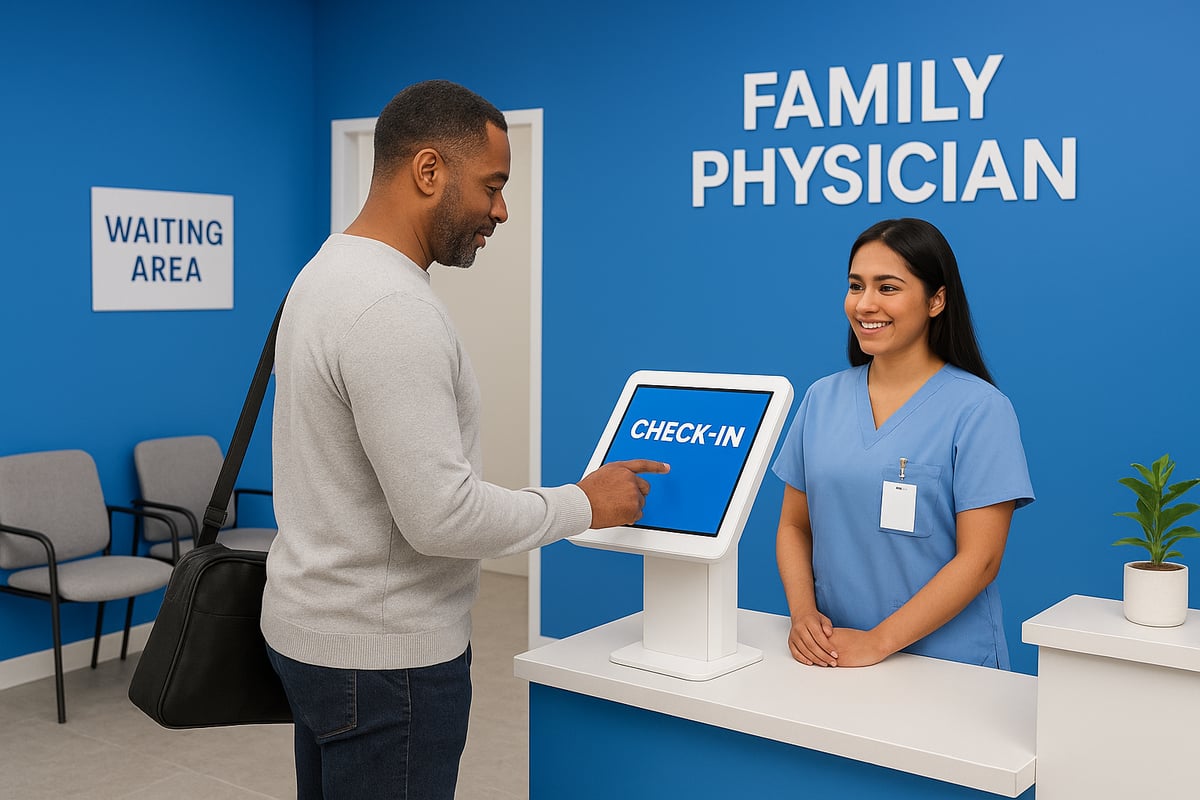
The typical family physician office visit begins with check-in. Staff will confirm your information, and you may complete forms or update records. Next, a nurse or medical assistant takes vital signs, such as blood pressure and temperature.
When you meet your physician, you will discuss your health concerns, review your medical history, and undergo a physical exam. The family physician office uses electronic health records to document your visit and coordinate your care seamlessly.
Many offices offer in-house procedures, including blood draws, vaccinations, and minor treatments. If you are managing a chronic condition, like diabetes, your physician will review your progress and adjust your care plan as needed. Each step is designed to prioritize your comfort and ensure your health needs are met.
After the Visit: Follow-Up and Ongoing Care
Once your family physician office visit concludes, understanding your care plan is essential. You will receive instructions for medications, lifestyle changes, or further testing if needed. Patient portals play a key role, allowing you to access test results, request refills, and find educational materials online.
Scheduling follow-ups, referrals to specialists, or telemedicine check-ins can often be managed through the office portal. Adhering to your prescribed plan and attending recommended appointments supports better outcomes. Notably, patients who use patient portals are 30% more likely to follow treatment recommendations, highlighting the value of staying connected to your family physician office.
Trends and Innovations in Family Physician Offices for 2026
Staying ahead of the curve is crucial for any family physician office as healthcare rapidly evolves. In 2026, several key trends are shaping how these practices deliver care, enhance patient experience, and respond to community needs. From telemedicine to sustainability, understanding these innovations helps patients and providers alike make informed decisions for the future.
Telemedicine and Virtual Care Integration
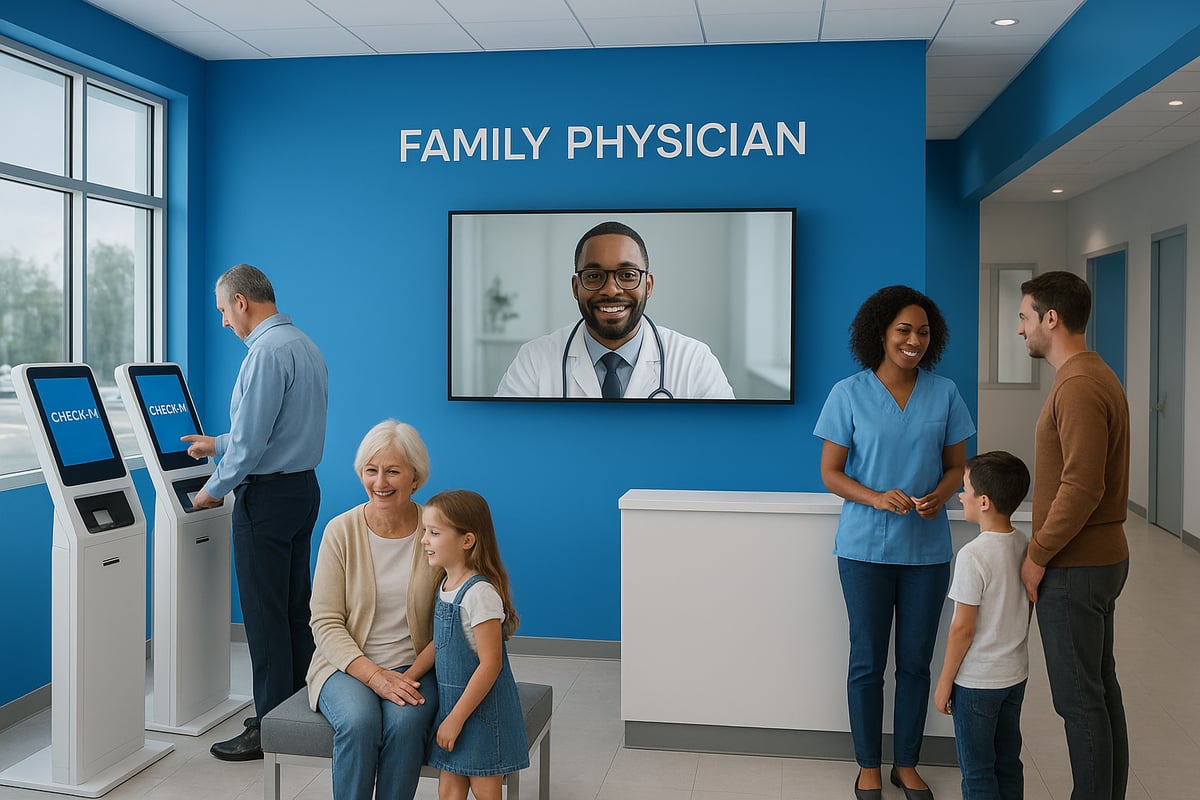
Telemedicine continues to transform the family physician office, making healthcare more accessible than ever. Video visits, secure messaging, and remote monitoring tools allow patients to connect with their providers from home or on the go. This not only saves time, it also expands access for rural communities and busy families.
For example, a patient managing diabetes can now schedule routine check-ins virtually, share glucose readings through an app, and receive timely feedback. As of 2024, 65% of family practices offer telemedicine services, enabling proactive management of both acute and chronic conditions. For a deeper dive into these advancements, see Comprehensive Family Medicine Innovations.
Family physician office teams are embracing these tools to ensure continuity of care and timely intervention, regardless of location.
Advanced Diagnostics and In-House Services
Innovations in diagnostics are elevating the capabilities of every family physician office. Onsite labs and imaging services reduce wait times and support quicker decision-making. Point-of-care testing now provides same-day results for common conditions, streamlining diagnosis and treatment.
New technologies, such as multi-cancer blood tests and genetic screening, are being incorporated into routine care. These advancements mean patients receive more comprehensive assessments without needing multiple appointments at different facilities.
For example, a family physician office might offer cholesterol screening, X-rays, and rapid strep testing all under one roof, improving convenience and patient satisfaction.
Personalized and Preventive Medicine
A growing trend in the family physician office is the shift toward personalized and preventive medicine. Data analytics and digital health records enable providers to assess risk factors and create tailored care plans for each patient.
Preventive screenings are now customized based on family history, lifestyle, and genetic information. This approach helps detect issues earlier and supports long-term health. Wellness programs, including medical weight loss and smoking cessation, are becoming standard offerings.
Patients benefit from a family physician office that focuses on prevention, ensuring a healthier future for every member of the family.
Patient Experience and Technology
Technology is revolutionizing the patient journey at the family physician office. Online scheduling, digital forms, and secure patient portals make it easy to manage appointments, access test results, and communicate with care teams.
Enhanced privacy and robust security measures protect sensitive health information. Automated reminders and digital check-ins reduce administrative hassles and improve appointment attendance.
A family physician office that invests in technology ensures patients receive efficient, convenient, and personalized care at every touchpoint.
Community Health and Outreach
The modern family physician office is a vital hub for community health. Providers lead public health initiatives, such as vaccination drives, health fairs, and screenings, to address local needs and reduce health disparities.
Collaboration with schools, businesses, and nonprofits extends the reach of care beyond the office walls. For instance, a family physician office may organize free flu shot clinics or host wellness workshops for neighborhood residents.
This commitment strengthens the bond between the practice and the community, fostering trust and ongoing engagement.
Sustainability and Green Practices
Sustainability is becoming a priority for the forward-thinking family physician office. Digital paperwork, energy-efficient lighting, and reduced waste practices are now common features.
According to recent data, 40% of new medical offices implement green initiatives, contributing to both environmental health and operational efficiency. These efforts include recycling programs, telemedicine adoption to cut travel emissions, and partnerships with local organizations for community wellness.
Patients increasingly value a family physician office that cares for both individual and planetary health, reflecting a holistic approach to medicine.
Maximizing Your Relationship with Your Family Physician Office
Building a strong partnership with your family physician office is essential for lifelong wellness. This relationship thrives on open communication and mutual respect. Start by sharing your health goals, medical history, and any concerns. When you feel comfortable voicing your needs, your provider can tailor care more effectively. Use in-person visits, secure messaging, or patient portals to stay connected. According to the Family Medicine Factbook 2024, family physicians play a pivotal role in the U.S. healthcare system, making trust and transparency critical. Remember, your family physician office is your ally on your health journey.
Building Long-Term Trust and Communication
Trust is the foundation of any effective relationship with your family physician office. Establishing honest, ongoing dialogue helps your care team understand your unique needs. Share updates about your lifestyle, symptoms, and health preferences at each visit. If you have questions or concerns, speak up. The more your physician knows, the better they can support you. Consider bringing a written list of questions to appointments. With regular, transparent communication, your family physician office becomes a reliable partner in your wellbeing, adapting care as your needs evolve over time.
Proactive Health Management Strategies
Taking charge of your health is easier when you use the resources at your family physician office. Schedule regular check-ups and screenings, and track your health metrics such as blood pressure or weight. Digital tools, like patient portals and mobile reminders, can help you manage medications and appointments. New trends, including online scheduling and virtual visits, make proactive care more accessible, as detailed in Trends Impacting Family Practices 2025. By staying engaged, you empower your family physician office to deliver timely, personalized care that fits your lifestyle.
Making the Most of Ancillary and Support Services
Your family physician office often offers services beyond routine medical care. These may include nutrition counseling, behavioral health support, and chronic disease management programs. Take advantage of in-house urgent care or telehealth for flexibility. Ask about available resources if you have specific needs, such as mental health support or specialty referrals. Combining in-person and virtual services can provide a more comprehensive approach to your health. By utilizing these ancillary offerings, you maximize the value and convenience your family physician office provides throughout every stage of life.
Navigating Insurance, Billing, and Fees
Understanding insurance and billing is crucial in your relationship with a family physician office. Start by reviewing which plans the office accepts and what costs you might incur. Transparent billing practices help minimize surprises and build trust. If you have questions about copays or coverage, ask the office staff for clarification. Many offices offer financial assistance or flexible payment options. Keeping track of your expenses and using staff as a resource ensures you receive the care you need without unnecessary stress. A well-informed approach to billing strengthens your partnership with your family physician office.
Advocating for Your Health in 2026
Advocacy means taking an active role in your care at your family physician office. Stay informed about new treatments, preventive guidelines, and office wellness programs. Participate in community events or patient surveys to help improve services. Use digital tools to access your health records, ask questions, and give feedback. When you engage in shared decision-making, you and your physician can make choices that reflect your values and preferences. In 2026, empowered patients are shaping the future of healthcare, and your family physician office is here to support your journey every step of the way.
The Future of Family Physician Offices: What to Watch For
The future of the family physician office is evolving rapidly, shaped by innovation, changing patient needs, and new models of care. As we look ahead to 2026, several trends are emerging that will redefine how these offices serve communities and deliver care.
Expanding Scope of Practice
Family physician office teams are taking on a broader range of responsibilities, managing everything from minor in-office procedures to coordinating complex care for chronic conditions. Integration with behavioral health and specialty care is becoming standard, allowing patients to receive more services under one roof.
Many family doctors are now leading multidisciplinary care teams, guiding patients through every stage of life. Workforce trends show a steady growth in new physicians entering the field, as seen in the Family Medicine Match Results 2024. This expansion ensures that the family physician office remains a central hub for comprehensive, patient-centered care.
Technology-Driven Care Models
Technology is transforming the family physician office, making care smarter and more personalized. The adoption of AI-assisted diagnostics and decision support tools is on the rise, with 50% of practices planning to implement these innovations by 2026. Personalized medicine, powered by genetics and big data, is also becoming more accessible.
These advances are supported by a growing workforce, as highlighted in Primary Care Physician Statistics 2025. With more physicians and better technology, the family physician office can offer faster, more accurate care while keeping patient information secure and accessible.
Evolving Patient Expectations
Patients now expect more from their family physician office, seeking convenience, transparency, and digital access to their health information. There is a clear shift toward preventive care and wellness, rather than waiting for illness to occur.
Subscription-based and direct primary care models are gaining popularity, offering patients enhanced flexibility and clearer billing. As expectations evolve, family physician office teams are adapting by providing online scheduling, virtual visits, and real-time communication to meet these new demands.
Preparing for Change
To make the most of the changing landscape, patients should stay informed about new treatments, technologies, and care options available at their family physician office. Engaging in ongoing education, participating in wellness programs, and providing feedback through patient surveys all help shape better care.
By building a strong partnership with your family physician office, you ensure that your healthcare experience remains proactive, personalized, and aligned with the latest advancements. Staying involved and adaptable is key as the future of primary care unfolds.
As you look ahead to managing your health in 2026, having a trusted family physician office makes all the difference. You deserve care that’s accessible, comprehensive, and tailored for every stage of life—whether you need preventive checkups, same day appointments, or support from in house specialists. If you’re ready to put these insights into action and experience a patient centered approach firsthand, let’s take the next step together. You can easily Book Appointment and start building the long term partnership your health deserves.