Primary care has become essential in 2026, as the healthcare landscape evolves at a rapid pace. More people now understand that prioritizing their health starts with regular, high-quality care.
A pcp office visit is now a cornerstone of proactive health management. With new technology, expanded services, and a focus on prevention, these visits deliver greater convenience and empower patients to take charge of their well-being.
By understanding the modern process, you gain better outcomes and more confidence in your healthcare journey. This expert guide will explain what a pcp office visit involves in 2026, how to prepare, what to expect, how to follow up, and strategies to get the most value from every appointment.
The Evolution of PCP Office Visits: Trends and Innovations in 2026
The pcp office visit has undergone a remarkable transformation from 2020 to 2026. What was once a straightforward, in-person appointment is now a dynamic, technology-driven experience. Today’s patients expect more than just routine check-ups—they seek convenience, personalization, and proactive care every step of the way.
Telemedicine and Hybrid Care Models
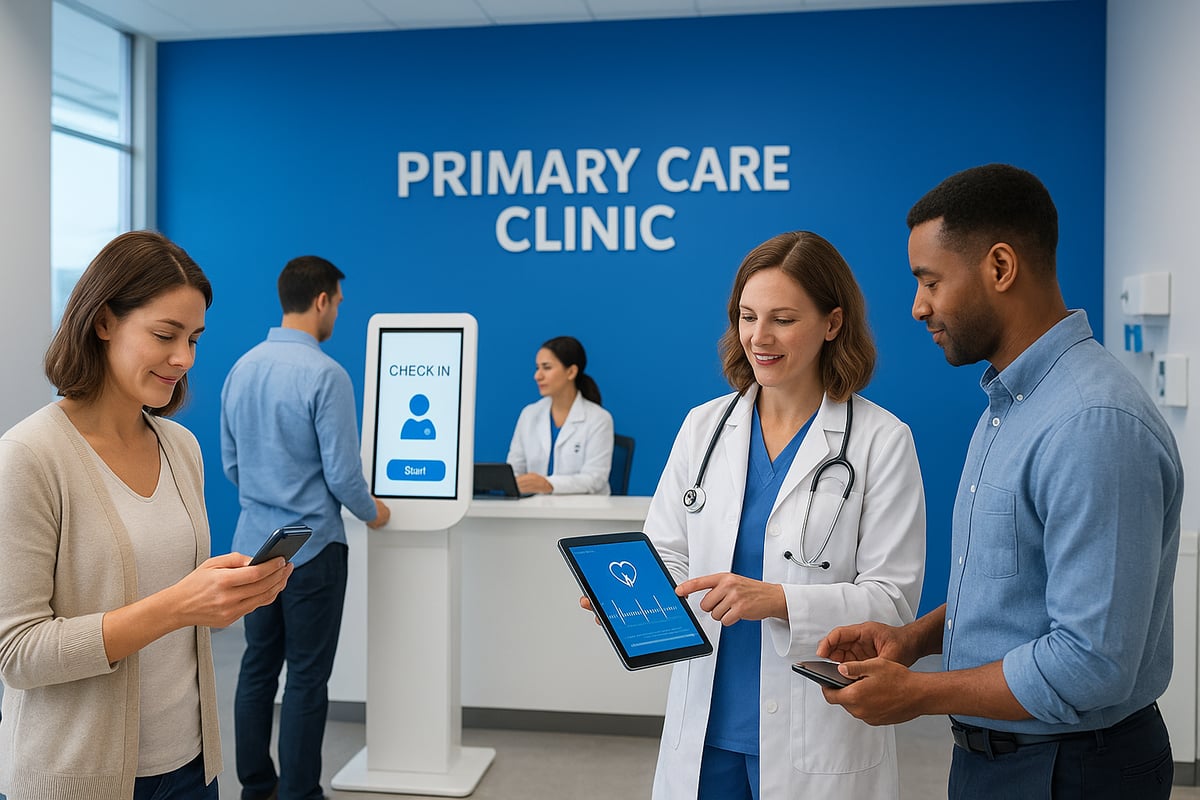
Telemedicine has emerged as a cornerstone of the modern pcp office visit. By 2026, nearly 30% of all U.S. medical visits are projected to occur virtually, according to Telemedicine to Account for 30% of U.S. Medical Visits by 2026. Hybrid care models blend in-person and remote visits, giving patients flexible options for connecting with their providers. This shift increases access, reduces travel time, and supports ongoing health monitoring.
| Visit Type | Adoption Rate (2026) |
|---|---|
| In-Person | 70% |
| Virtual/Telehealth | 30% |
Patients can now schedule, attend, and follow up on their pcp office visit from almost anywhere, making healthcare more accessible than ever.
Advanced Health Technology Integration
A defining feature of the 2026 pcp office visit is the seamless use of advanced health technology. Artificial intelligence (AI) tools analyze symptoms and risk factors, aiding providers in early detection and personalized care planning. Wearable devices continuously track vital signs, activity levels, and sleep patterns, offering real-time data during appointments. Electronic health records (EHRs) synchronize information, ensuring providers have a comprehensive view of each patient’s history.
This integration leads to more accurate diagnoses and reduces administrative burdens, allowing clinicians to focus on patient interaction.
Preventive Care and Holistic Wellness
Preventive care is now central to every pcp office visit. Providers assess lifestyle factors, mental health, and social determinants, creating holistic wellness plans tailored to each individual. Annual screenings, immunizations, and risk assessments are prioritized, helping patients detect and address issues early.
Clinics offer in-house labs, imaging, and specialty consults during the same visit, streamlining the care process. This approach means faster results, fewer referrals, and higher patient satisfaction scores.
Patient-Centered and Personalized Care
Modern pcp office visits emphasize shared decision-making and personalized treatment. Patients and providers collaborate to set health goals, review options, and select interventions that align with personal values and preferences. Enhanced accessibility—such as multilingual staff, patient portals, and same-day appointments—ensures that care is inclusive and responsive.
Recent data shows significant improvements in patient outcomes and satisfaction linked to these innovations. Patients report feeling more empowered and engaged in their health journey.
A 2026 Patient Journey: Case Study
Consider Maria, a 45-year-old patient managing hypertension. She schedules her annual pcp office visit via a clinic app, completes a digital pre-visit questionnaire, and syncs her wearable device data ahead of time. During her hybrid appointment, the provider reviews her blood pressure trends, discusses lifestyle adjustments, and orders in-house labs. Maria receives her results and a tailored care plan within hours, all accessible through a secure online portal. This streamlined process illustrates the future-forward, patient-centric nature of the modern pcp office visit.
The evolution of the pcp office visit in 2026 reflects a commitment to innovation, accessibility, and better health outcomes for all.
Preparing for Your PCP Office Visit: Steps for Success
Preparing for a pcp office visit in 2026 can help you get the most out of your time with your provider. With healthcare evolving rapidly, a little planning goes a long way. Knowing what to expect and how to organize your information will make your experience smoother and more productive.

Understanding Your Health Needs and Goals
Before your pcp office visit, clarify why you are scheduling the appointment. Are you coming in for a routine check-up, chronic disease management, new symptoms, or preventive care? Pinpointing your goals helps both you and your provider focus on what matters most.
Make a list of symptoms, concerns, and any questions you want to discuss. Write these down or store them in your phone for easy access during your pcp office visit. Review your medical history and current medications so you can communicate clearly if asked about your background.
For example, a patient with diabetes preparing for an annual pcp office visit might list recent blood sugar readings, note any changes in medication, and bring questions about nutrition or exercise. This proactive approach ensures you cover all important topics during your time together.
Gathering Medical Records and Health Data
Bringing accurate medical information to your pcp office visit saves time and enables better care. Collect past records, recent test results, and your vaccination history. Organize these in a folder or scan them into your patient portal for easy sharing.
If you use wearable devices, such as a smartwatch or fitness tracker, review your data before your pcp office visit. Many providers now integrate this real-time information into your health record. Double-check that your records are up to date and complete.
For first-time visits, following a checklist can be especially helpful. Preparing for your first visit offers practical steps to ensure you have everything you need. Organized records make your pcp office visit more efficient and help your provider deliver personalized care.
Insurance, Billing, and Appointment Logistics
Understanding insurance details is vital for a stress-free pcp office visit. Review your coverage, copays, and whether you need referrals for specific services. This prevents surprises and helps you plan for any out-of-pocket costs.
Schedule your pcp office visit using online booking systems or by calling the clinic. Many offices now offer telehealth appointments, same-day visits, and digital reminders. Bring your insurance card, a photo ID, and any referral documents to your appointment.
Keep a checklist handy:
- Insurance card and photo ID
- List of current medications
- Referral or authorization forms
- Payment method for copays
Being prepared with the right documents streamlines your check-in process and keeps your pcp office visit focused on your health.
Maximizing Communication and Comfort
Effective communication is key during any pcp office visit. Write down questions and practice how you want to ask them. If you feel nervous or unsure, consider bringing a trusted friend or family member for support.
Notify your provider about allergies, lifestyle factors, and any mental health concerns. If you need translation services, request them ahead of time to ensure understanding throughout your pcp office visit.
For a smooth experience, use a checklist:
- List of questions or topics
- Support person if needed
- Notation of allergies and lifestyle details
- Request for translation services
Being proactive empowers you to get the most value from every pcp office visit, making your healthcare journey more comfortable and productive.
What to Expect During a PCP Office Visit in 2026
Visiting your primary care provider in 2026 is a streamlined, tech-enabled experience that puts patients at the center of care. The pcp office visit has evolved to offer more convenience, personalization, and efficiency than ever before. Whether you are new to this model or a returning patient, understanding each stage of the process ensures you gain maximum value from your appointment.
The Check-In and Pre-Visit Process
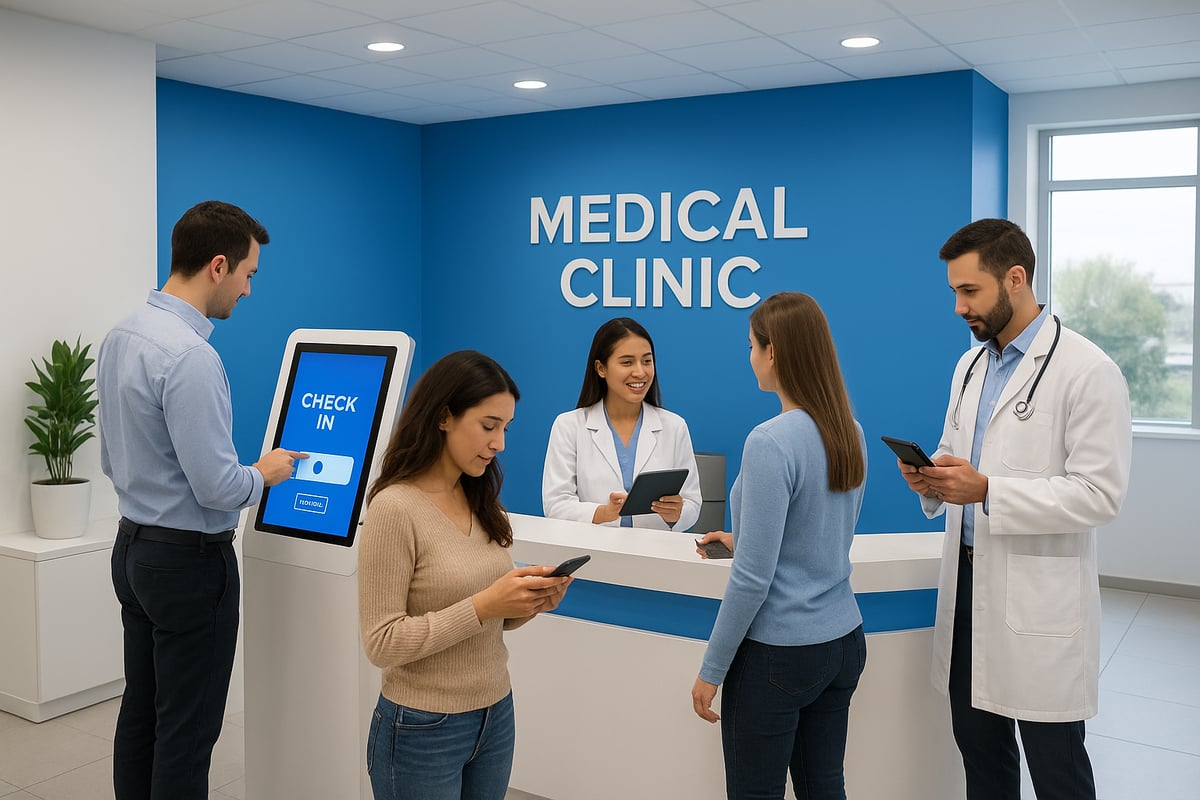
Your pcp office visit begins as soon as you arrive or log in remotely. Digital check-in kiosks and mobile apps allow you to confirm your appointment, update insurance details, and complete pre-visit questionnaires within minutes. This process is designed to minimize wait times and collect essential information before you see your provider.
Smart medical devices record your vitals, such as blood pressure and temperature, either in the clinic or through wearable technology synced to your health profile. Patients can securely review and consent to data sharing, ensuring privacy is respected at every step. By providing information ahead of time, the pcp office visit becomes more focused and efficient, letting you address your health priorities without unnecessary delays.
This digital-first approach not only speeds up the administrative process but also helps your care team prepare for your specific needs. As a result, each pcp office visit starts with a clear understanding of your health context, making your time with the provider more valuable.
The Clinical Encounter: Assessment and Discussion
During the clinical portion of your pcp office visit, your provider reviews your symptoms, medical history, and lifestyle factors. Advanced tools powered by artificial intelligence assist with screening and risk assessments, helping your PCP quickly identify potential issues and tailor their questions.
Wearable data and electronic health records are integrated into the discussion. This means your provider can see trends in your sleep, heart rate, or activity levels, offering a more holistic view of your health. Shared decision-making is a priority, with you and your provider setting goals and discussing treatment options together.
For adults seeking comprehensive ongoing care, primary care doctors for adults can explain how these innovations are used to personalize every pcp office visit. This collaborative approach empowers you to take an active role in your healthcare, ensuring the plan fits your lifestyle and preferences.
In-House Services and Ancillary Testing
One of the standout features of the modern pcp office visit is the availability of in-house ancillary services. Many clinics now offer onsite labs, imaging, and even specialty consults during the same appointment. This integrated model means you can complete necessary tests and receive initial results without scheduling multiple visits.
Benefits of in-house services during a pcp office visit include:
- Faster diagnosis and treatment initiation
- Reduced need for outside referrals
- Improved patient satisfaction and convenience
| In-House Service | Availability (2026) | Patient Benefit |
|---|---|---|
| Lab tests | 90% of clinics | Immediate results |
| Imaging (X-ray, US) | 75% of clinics | Onsite diagnosis |
| Specialist consults | 60% of clinics | Coordinated care |
By consolidating services, your pcp office visit is more comprehensive, helping you spend less time navigating the healthcare system and more time focusing on your well-being.
The Role of Technology in Enhancing Care
Technology is central to the pcp office visit in 2026. Real-time access to electronic health records lets you and your provider review your full medical history, recent test results, and ongoing care plans together. Patient portals provide secure communication for follow-up questions and sharing educational materials.
Remote monitoring devices, such as glucose meters and blood pressure cuffs, enable your provider to track chronic conditions between visits. Virtual follow-ups are now standard for many situations, making it easy to check in without returning to the clinic.
Predictive analytics use your health data to identify early warning signs and personalize preventive care. For example, after receiving instant lab results through a secure app, you might discuss adjustments to your care plan in a virtual consult. These innovations ensure every pcp office visit is proactive, data-driven, and tailored to your needs.
Post-Visit: Follow-Up, Results, and Ongoing Care
After your pcp office visit, ongoing care and communication are essential to achieving the best health outcomes. Modern primary care in 2026 makes follow-up easier, faster, and more informative than ever before. Patients now play an active role in understanding results, managing prescriptions, and staying connected with their providers for continuous wellness.
Receiving and Understanding Your Results
Following a pcp office visit, test results and provider notes are typically delivered through secure patient portals. You might receive a notification on your phone or email when new information is available. This approach allows you to review results at your convenience, whether at home or on the go.
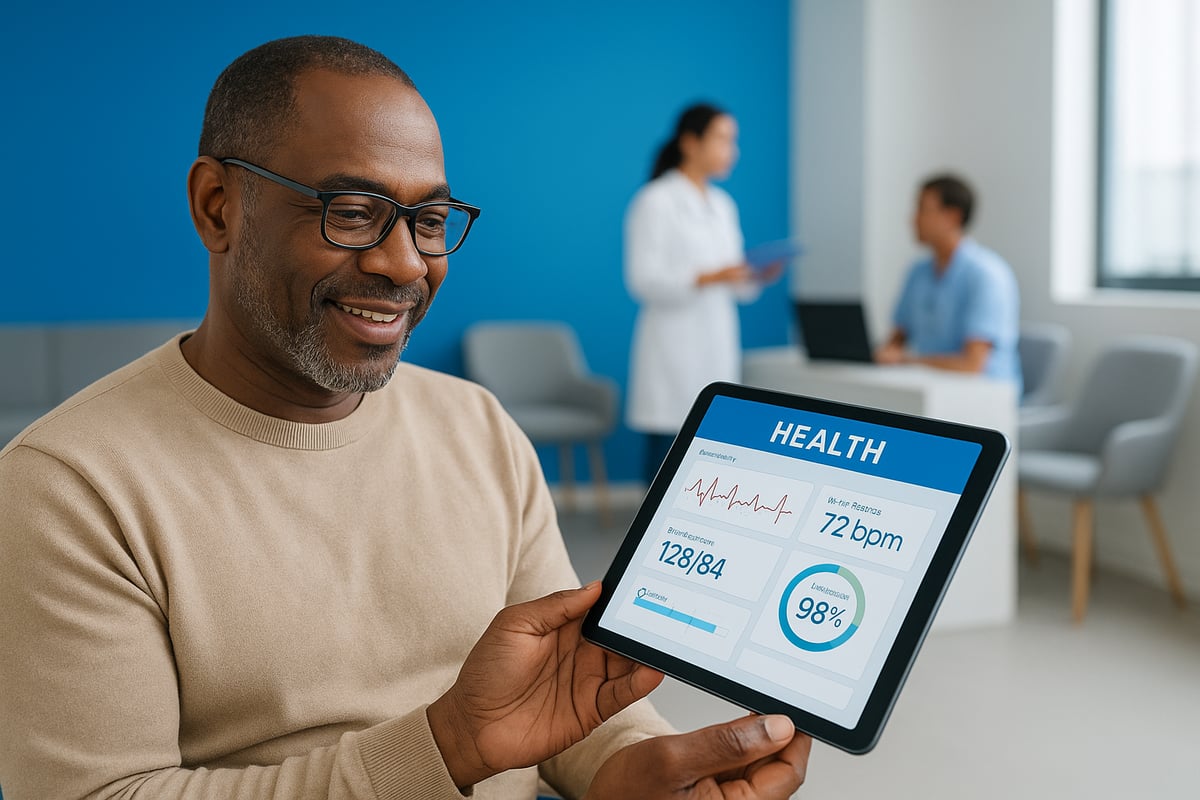
Your provider will often include explanations, context, and next steps. If you have lab or imaging results, the portal may provide charts, visual summaries, and plain-language descriptions. For example, after a routine check-up, a patient receives digital lab results showing cholesterol levels, with color-coded indicators and a short video from the provider explaining what the numbers mean.
If anything is unclear, you can request clarification or schedule a virtual consult to discuss your results further. Understanding your outcomes empowers you to make informed decisions about your health after every pcp office visit.
Managing Prescriptions and Referrals
Prescription management is streamlined after a pcp office visit in 2026. Most clinics use e-prescribing, which automatically sends your medication orders to your preferred pharmacy. This reduces wait times and minimizes errors.
Referrals to specialists or ancillary services are coordinated electronically as well. Your PCP can instantly share your health records and results with other providers, ensuring continuity of care. According to recent data, over 95% of clinics now use e-prescribing and digital referral systems for seamless follow-up.
| Service | 2026 Adoption Rate (%) |
|---|---|
| E-prescribing | 97 |
| Digital Referrals | 94 |
If you need to track prescription status or appointment confirmations, your clinic’s portal provides real-time updates. The entire process is designed to keep you informed and reduce the administrative burden of a typical pcp office visit.
Staying Engaged Between Visits
Engagement does not end after your pcp office visit. Many patients set up remote monitoring for chronic conditions using connected devices, such as blood pressure cuffs or glucose meters, which sync data directly to the clinic. Preventive screenings and wellness check-ins can be scheduled in advance, with reminders sent via mobile apps.
Mobile health tools help manage medication schedules, monitor symptoms, and provide educational content tailored to your care plan. If you need to consult your provider, secure messaging and video calls are available, allowing for flexible support without another in-person trip. Explore how telemedicine and virtual care options can keep you connected with your PCP for ongoing health management.
Active participation between visits helps you track progress, address concerns early, and maximize the long-term benefits of each pcp office visit.
Addressing Questions and Concerns
Clear communication is crucial after a pcp office visit. Clinics now offer several ways to reach your provider. Secure messaging through the patient portal is ideal for brief questions or updates. For more complex issues or new symptoms, 24/7 telehealth lines and video appointments are available.
For example, if you need a medication adjustment, you can schedule a quick video follow-up with your PCP, often within the same day. This convenience ensures that your concerns are addressed promptly, reducing anxiety and supporting better outcomes after every pcp office visit.
If you ever feel unsure or need additional support, do not hesitate to reach out. Your care team is committed to guiding you through each step of your health journey.
Choosing the Right PCP and Clinic for Your Needs
Selecting the right provider is essential for a positive pcp office visit experience in 2026. With so many clinics and providers available, understanding what to look for can help you make an informed decision and maximize your healthcare outcomes.
Key Factors When Choosing a PCP and Clinic
When preparing for your next pcp office visit, consider these essential elements:
- Provider credentials and board certifications
- Clinic specialties and areas of expertise
- Location convenience and parking options
- Languages spoken by staff
- Patient reviews and satisfaction scores
A clinic that aligns with your personal and family health needs can lead to better communication, trust, and outcomes.
Comprehensive Care and Ancillary Services
Modern clinics are expanding their in-house services, making your pcp office visit more efficient. Facilities that offer labs, imaging, and sub-specialty consults onsite reduce the need for outside referrals, saving you time and streamlining your care.
Comprehensive clinics also handle preventive screenings and chronic disease management during a single appointment, making healthcare more accessible and less fragmented.
Accessibility: Appointments and Telemedicine
Accessibility remains a top priority for patients scheduling a pcp office visit. Look for clinics with same-day or next-day appointment availability, online booking, and telemedicine options for added flexibility.
Multiple locations within your community can also reduce travel time and make follow-up visits easier to manage.
Patient-Centered Philosophy and Communication
A successful pcp office visit depends on the clinic’s approach to personalized care. The best clinics prioritize patient-centered values, such as shared decision-making, cultural competence, and clear communication styles.
Consider how the clinic supports diverse patient backgrounds and whether they offer translation services or tailored care plans to meet your unique needs.
Comparing Clinics: What Matters Most
To illustrate, see how two clinics might compare for a family seeking a new pcp office visit provider:
| Feature | Clinic A | Clinic B |
|---|---|---|
| Same-day visits | Yes | No |
| In-house services | Labs, imaging, specialists | Labs only |
| Telemedicine | Available | Limited |
| Languages spoken | English, Spanish, Mandarin | English only |
| Patient reviews | 4.8/5 | 4.2/5 |
Recent healthcare trends for 2026 show patients are increasingly satisfied with clinics that deliver comprehensive, accessible, and personalized care.
Before your next pcp office visit, review your insurance details and office visit fees. Transparent policies, like those provided on Insurance and office visit fees, can help you avoid surprises and plan your care with confidence.
Choosing the right PCP and clinic is more than a routine task—it is a strategic step toward better health outcomes, convenience, and peace of mind with every pcp office visit.
As we navigate the evolving landscape of primary care in 2026, understanding how to get the most out of your PCP office visits empowers you to make confident, informed choices about your health. If you’re ready to experience the benefits of comprehensive care, from same day appointments to in house ancillary services and expert specialty support, we’re here to help. Let’s take the next step together toward proactive, personalized healthcare.
Book Appointment