Did you know that family health concerns are rising faster than ever as we move into 2026? The need for comprehensive family medicine has never been more urgent. This approach serves as the cornerstone of lifelong wellness for both individuals and families, offering continuous, coordinated care at every stage of life.
In this essential guide, you will find up-to-date insights on comprehensive family medicine, from core services and key benefits to the latest innovations and tips for choosing the right provider. Ready to improve your family’s health? Explore this guide and take the first step toward lasting wellness.
What Is Comprehensive Family Medicine?
Family health needs are more complex than ever, making comprehensive family medicine essential for long-term wellness in 2026. This approach combines prevention, diagnosis, treatment, and ongoing care for every life stage, reflecting the needs of today's multigenerational families.

Definition and Scope of Family Medicine
Comprehensive family medicine is a medical specialty focused on delivering complete healthcare to individuals and families across all ages. It uses a holistic approach, combining preventive care, timely diagnosis, effective treatment, and long-term management of health conditions. This specialty ensures patients receive continuous care from childhood through old age.
Family medicine stands out for its coordination across specialties, helping patients navigate complex health systems. Unlike internal medicine, which typically serves adults, comprehensive family medicine covers pediatric to geriatric care under one roof. For example, family medicine clinics in Highlands Ranch offer services for children, adults, and seniors, making them a cornerstone for the area's 79% homeowner population, which reflects its family-oriented character.
To learn more about foundational principles, visit this General Family Medicine Overview page for additional insights.
The Role of Family Physicians
Family physicians in comprehensive family medicine play a central role in preventive care, chronic disease management, acute illness treatment, and patient education. They build long-term trust with families, often serving as the first point of contact in the healthcare system.
A family physician may manage diabetes, hypertension, and wellness checks for multiple generations within the same family, ensuring continuity and familiarity. These doctors work closely with specialists when needed, coordinating care for complex cases. In both rural and suburban communities, their broad expertise and accessibility make them invaluable resources for maintaining community health.
Comprehensive vs. Traditional Primary Care
Comprehensive family medicine differs from traditional primary care by offering an expanded range of services. This includes mental health evaluations, women’s health, preventive screenings, and minor office procedures, all integrated into routine care. Many clinics provide in-house labs and imaging for added convenience.
Integrated care models enable patients to access multiple services in one location, reducing the need for outside referrals and improving overall outcomes. For example, a clinic offering behavioral health support alongside routine checkups exemplifies the patient-centered nature of comprehensive family medicine, leading to higher satisfaction and better health results.
Why Comprehensive Care Matters in 2026
The demand for comprehensive family medicine is rising due to increasing chronic diseases, an aging population, and greater emphasis on preventive care. Advances in technology have shaped patient expectations, making same-day appointments and virtual care essential features.
In Highlands Ranch, where the average age is 41, families benefit from a provider who can address diverse needs across generations. Comprehensive family medicine offers accessible, coordinated care through a single trusted provider, supporting better health outcomes for the entire household.
Core Services Offered in Comprehensive Family Medicine
Comprehensive family medicine delivers a wide range of essential health services for every stage of life. By focusing on prevention, chronic disease management, acute care, and specialized health needs, these clinics support families and individuals in staying healthy and thriving. Let us explore the core services that set comprehensive family medicine apart.
Preventive Care and Wellness
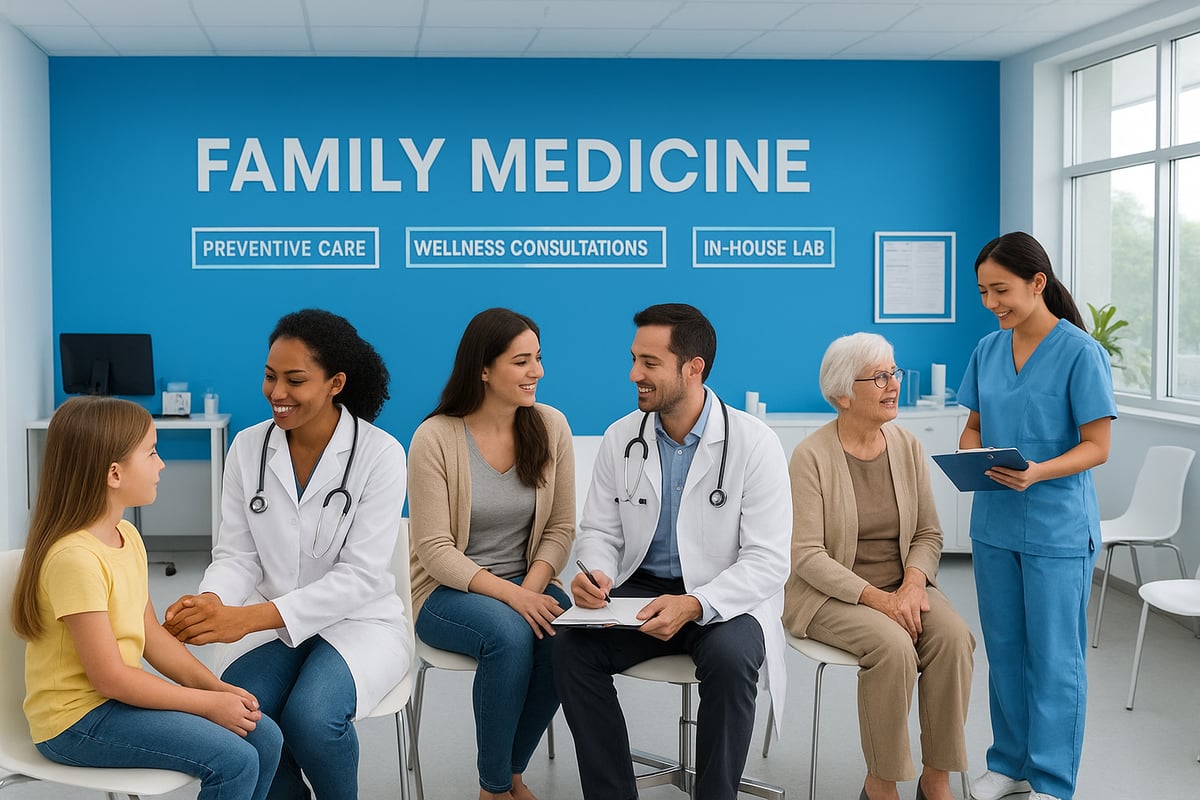
Preventive care is the backbone of comprehensive family medicine. Routine exams, vaccinations, and screenings are offered for all ages, supporting early detection and long-term health. Clinics provide wellness visits, cancer screenings, and health risk assessments designed to identify issues before they become serious.
For example, patients benefit from mammography, cholesterol testing, and immunizations. Regular check-ups help families stay ahead of potential health concerns. Modern clinics emphasize preventive services, empowering patients to make informed choices. With comprehensive family medicine, prevention is personalized, proactive, and accessible for everyone in the household.
Chronic Disease Management
Managing chronic conditions is a core pillar of comprehensive family medicine. Family physicians develop coordinated care plans for diabetes, hypertension, asthma, thyroid disorders, and obesity. Patients receive medication management, lifestyle counseling, and ongoing support.
In-house lab monitoring ensures that care is timely and data-driven. For instance, a diabetic patient benefits from regular glucose checks and adjustments to treatment. Clinics also collaborate with specialists when needed. To learn more about how these services are delivered, visit Chronic Disease Management Services. Thanks to comprehensive family medicine, hospitalizations are reduced and quality of life improves.
Acute Illness and Injury Care
Families rely on comprehensive family medicine for prompt care when illness or injury strikes. Clinics address colds, flu, infections, and minor injuries with same-day appointments or walk-in options. Services like rapid flu tests and minor procedures are available on-site, ensuring quick diagnosis and treatment.
This accessible approach is especially valuable for children and seniors, who may need urgent care without delay. By providing immediate attention and follow-up, comprehensive family medicine helps patients recover faster and avoid unnecessary emergency visits.
Women’s, Men’s, and Children’s Health
Comprehensive family medicine recognizes the unique needs of each family member. Specialized care includes gynecological exams, men’s health screenings, pediatric check-ups, and adolescent medicine. Age-specific preventive services are tailored to support every stage of life.
Examples include Pap smears for women, prostate exams for men, and childhood immunizations. Education and counseling are integrated into visits, helping patients understand their health. By addressing women’s, men’s, and children’s health within one clinic, comprehensive family medicine offers convenience and continuity for the entire family.
In-House Ancillary Services and Subspecialty Support
Comprehensive family medicine clinics often feature in-house labs, imaging, behavioral health, and specialty services. This integration streamlines care, reduces wait times, and improves communication among providers. For example, patients can receive bone density scans, allergy testing, and counseling without leaving the clinic.
Coordinated care between primary and specialty providers ensures that treatment plans are consistent and effective. Ancillary services enhance the value of comprehensive family medicine, making high-quality care accessible and efficient for all patients.
The Patient Experience: What to Expect from Comprehensive Family Medicine
Visiting a comprehensive family medicine clinic means more than just routine checkups. Patients can expect a supportive, coordinated, and accessible approach that meets the unique needs of every family member. From the first appointment, the focus is on building lasting relationships and delivering care that adapts to the rhythms of modern life.

Personalized, Family-Centered Care
At the heart of comprehensive family medicine is a commitment to personalized, family-centered care. Providers take time to understand each patient’s medical history, preferences, and wellness goals. This approach fosters trust and ensures that care plans are tailored for every family member, from children to seniors.
Long-term relationships mean your doctor is familiar with your health journey and can offer guidance that reflects your unique needs. In comprehensive family medicine, shared decision-making is standard practice. Patients are encouraged to ask questions, discuss options, and participate actively in their care.
The patient-provider connection is a cornerstone of satisfaction. Many families appreciate the continuity and reassurance that comes from seeing the same trusted physician over the years. For more on the benefits of group practice models and patient experience, see Family Practice Group Benefits.
Convenience and Accessibility
Comprehensive family medicine clinics prioritize convenience and accessibility for busy families. Flexible scheduling options, such as same-day appointments and extended evening or weekend hours, make it easier to get care when you need it most.
Virtual care options are increasingly available, allowing patients to connect with their provider from home or work. Online appointment booking and secure messaging streamline communication and reduce wait times. These features set comprehensive family medicine apart, as not all clinics offer virtual visits or after-hours care.
Patients benefit from a system that adapts to their lifestyle, ensuring healthcare fits seamlessly into daily routines. This adaptability means more families can access preventive and acute care without unnecessary delays.
Care Coordination and Continuity
One of the hallmarks of comprehensive family medicine is seamless care coordination and continuity. Family physicians manage referrals to specialists, oversee follow-up appointments, and maintain integrated electronic health records for all family members.
This level of organization reduces the risk of duplicated tests or missed information, especially when managing chronic conditions across generations. For example, a family doctor may coordinate asthma care for a child while also managing heart health for a parent, ensuring both receive timely, appropriate interventions.
Integrated records and ongoing provider relationships lead to improved health outcomes, as information is always up to date and accessible. Patients experience fewer gaps in care and greater peace of mind knowing their provider sees the whole picture.
Insurance, Payment, and Transparency
Navigating insurance and payment is straightforward in comprehensive family medicine settings. Clinics typically offer insurance verification before appointments, accept a wide range of plans, and provide self-pay options for those without coverage.
Transparent communication about costs is a priority. Many clinics feature online insurance check tools and publish clear fee schedules, so patients know what to expect before care begins. This openness builds trust and helps families make informed decisions about their healthcare.
Patients are encouraged to verify their insurance coverage directly with the clinic to avoid surprises. This proactive approach ensures everyone receives the care they need without confusion or unexpected expenses.
Innovations and Trends in Family Medicine for 2026
As healthcare evolves, comprehensive family medicine is at the forefront of innovation. In 2026, new technologies and care models are transforming the way families receive care. These changes are making services more accessible, personalized, and effective for every generation.

Digital Health and Telemedicine
Digital innovation is reshaping comprehensive family medicine. In 2026, virtual visits are standard for many routine concerns, from minor illnesses to medication renewals. Secure digital health records allow families to access information anytime, improving transparency and communication.
Remote monitoring tools, such as wearable devices, help physicians track health data in real time. This technology increases access and convenience for patients, especially those with mobility or transportation challenges.
The Comprehensive Primary Care Initiative highlights how these digital advancements are strengthening primary care nationwide. By integrating telemedicine and remote tools, comprehensive family medicine providers deliver timely, effective care while maintaining continuity for every member of the family.
Preventive and Personalized Medicine
Comprehensive family medicine is moving toward more preventive and personalized care in 2026. Physicians use advanced genetic screenings and risk assessments to identify potential health issues early. Personalized care plans are developed based on each patient's unique needs, genetics, and lifestyle.
Examples include tailored diabetes prevention programs and genetic screening for hereditary cancers. These innovations shift the focus from treating illness to proactively managing health. Families benefit from early detection, targeted interventions, and ongoing support.
Personalized medicine empowers individuals to take charge of their wellness. Comprehensive family medicine clinics are at the center of this transformation, guiding patients through every stage of preventive care.
Integrated Behavioral and Mental Health Services
Mental health is now recognized as a core component of comprehensive family medicine. In 2026, behavioral health screenings are a routine part of annual checkups. Family physicians offer counseling and support for conditions like depression, anxiety, and stress.
Integrated care models mean mental and physical health are managed together. Patients can access therapy, medication management, and crisis intervention all within the same clinic. This approach removes barriers to care and reduces stigma.
Families appreciate the convenience and trust that comes from addressing mental health alongside other medical needs. Comprehensive family medicine ensures every aspect of wellness is covered for all ages.
Chronic Disease Technology and Remote Monitoring
Managing chronic diseases is easier than ever with technology embedded in comprehensive family medicine. Wearable devices and mobile apps allow patients to monitor blood pressure, glucose, and other key health indicators at home.
Data from these devices sync directly to clinic records, enabling physicians to adjust care plans quickly. This continuous monitoring reduces hospitalizations and emergency visits, especially for conditions like diabetes, hypertension, and asthma.
Patients are more engaged in their care, receiving alerts and reminders for medication, activity, and appointments. Comprehensive family medicine providers use these innovations to deliver proactive, coordinated management for chronic illness.
Community Health and Population Management
Comprehensive family medicine in 2026 focuses not just on individuals, but on the health of entire communities. Data analytics help clinics identify health trends and at-risk populations, leading to targeted outreach and education programs.
Examples include wellness workshops, vaccination drives, and school-based health initiatives tailored to local needs. In places like Highlands Ranch, where wellness and prevention are priorities, these efforts support healthier, safer families.
Population health management ensures resources are used efficiently and outcomes are measured. Comprehensive family medicine providers play a key role in building resilient, thriving communities for the future.
How to Choose the Right Comprehensive Family Medicine Provider
Selecting the best comprehensive family medicine provider is essential for your family's long-term health and wellness. The right choice ensures access to a broad range of healthcare services, personalized support, and a trustworthy partnership for every stage of life.
Key Criteria for Selection
When evaluating comprehensive family medicine providers, consider several critical criteria. First, check for board certification and the provider’s experience in serving diverse patient needs. A provider’s range of services is crucial, as clinics offering preventive care, chronic disease management, and women’s health deliver true comprehensive family medicine. Accessibility, such as flexible scheduling and convenient location, matters for busy families.
Patient reviews often highlight provider-patient compatibility and bedside manner. For instance, many Highlands Ranch residents recommend physicians who combine expertise with approachability. Evaluating the impact of implementing comprehensive care to improve outcomes can help you understand the practical benefits of a holistic approach.
Evaluating Clinic Services and Facilities
A strong comprehensive family medicine clinic provides in-house services that streamline your care experience. Look for clinics with on-site labs, imaging, and even a pharmacy—these features save time and improve coordination. Advanced technology, such as electronic health records and patient portals, enhances communication and convenience.
Not all clinics offer virtual visits or walk-in appointments, so compare your options. Here is a quick comparison:
| Feature | Clinic A | Clinic B | Clinic C |
|---|---|---|---|
| On-site Lab | Yes | No | Yes |
| Imaging | Yes | Yes | No |
| On-site Pharmacy | Yes | No | No |
| Virtual Care | Yes | Yes | No |
Choosing a provider with these integrated services ensures a smoother comprehensive family medicine experience.
Insurance, Costs, and Payment Options
Understanding your financial responsibilities is important when selecting a comprehensive family medicine provider. Verify that the clinic accepts your insurance and ask about self-pay options if needed. Many clinics now offer online insurance verification tools, letting you confirm coverage before your visit.
Transparent communication about costs, including fee schedules and billing practices, builds trust. Some clinics provide detailed estimates upfront, reducing unexpected expenses. Taking these steps helps you choose a provider committed to accessible and affordable comprehensive family medicine.
Patient Reviews and Community Reputation
Patient feedback and community reputation offer valuable insights into a clinic’s strengths. Read online reviews to gauge satisfaction with care, staff responsiveness, and overall environment. Clinics recognized as neighborhood favorites or repeatedly rated highly by residents signal consistent quality.
In Highlands Ranch, comprehensive family medicine practices have been voted community favorites in several recent years. This local recognition reflects long-term commitment and satisfaction. Trusting your family's care to a respected provider ensures confidence in every healthcare interaction.
The Impact of Comprehensive Family Medicine on Community Health
Comprehensive family medicine plays a pivotal role in shaping healthier communities. Its reach extends beyond individual care, influencing wellness, equity, and cost across entire populations. Let us explore how comprehensive family medicine transforms community health in practical, measurable ways.
Promoting Lifelong Wellness
Comprehensive family medicine supports lifelong wellness by focusing on prevention, education, and continuity of care. Families benefit from regular check-ups, age-appropriate screenings, and proactive health guidance, all tailored to individual needs.
For example, ongoing preventive care such as immunizations and cancer screenings helps reduce chronic illness rates. In communities like Highlands Ranch, where high homeownership reflects family orientation, comprehensive family medicine creates a foundation for generational health. With trusted providers guiding wellness decisions from childhood through senior years, families are empowered to make informed choices that last a lifetime.
Supporting Vulnerable and Diverse Populations
One of the strengths of comprehensive family medicine lies in its commitment to inclusivity. Clinics deliver care to all ages, backgrounds, and cultures, addressing health disparities and improving access for underserved groups.
Services often include bilingual support, culturally sensitive education, and tailored care for seniors, children, and those with special needs. By ensuring everyone receives appropriate care, comprehensive family medicine builds healthier, more resilient communities. These efforts help break down barriers, so every family member feels seen, heard, and supported throughout their healthcare journey.
Reducing Healthcare Costs and Improving Outcomes
Comprehensive family medicine is a proven model for reducing unnecessary hospitalizations and lowering healthcare spending. Preventive services, coordinated chronic disease management, and early intervention all lead to fewer emergency visits and better outcomes.
For instance, clinics that participate in advanced care models—like those described in the Primary Care First Model Options—demonstrate how comprehensive family medicine can streamline care, improve patient satisfaction, and manage costs. By emphasizing efficient, proactive care, communities benefit from healthier populations and more sustainable healthcare systems.
Building Stronger Patient-Provider Relationships
At the heart of comprehensive family medicine is the enduring relationship between patients and their providers. This continuity fosters trust, open communication, and better adherence to care plans.
Many families return to the same provider for generations, creating a sense of partnership and shared responsibility for health. This strong bond encourages patients to seek preventive care, follow recommendations, and engage in their wellness plans. As a result, comprehensive family medicine not only supports individual health but also strengthens the fabric of the entire community.
The Future of Comprehensive Family Medicine: What to Watch for in 2026 and Beyond
As healthcare evolves, comprehensive family medicine is set to transform the way patients and providers interact, manage care, and address wellness. In 2026 and beyond, advancements in technology, patient engagement, and preventive strategies will redefine what it means to deliver holistic, accessible care for every generation. Let’s explore the trends shaping the future of this vital specialty.
Evolving Patient Expectations and Technology
Patients in 2026 expect healthcare to be as seamless and intuitive as their favorite digital platforms. Comprehensive family medicine is responding by integrating mobile health apps, virtual communication tools, and real-time appointment scheduling. These innovations empower patients to manage appointments, access health records, and communicate with providers from anywhere, at any time.
The rise of tech-savvy, digital-native families is pushing clinics to offer more personalized digital experiences. Secure messaging, remote monitoring, and wearable integration are quickly becoming standard. This shift means comprehensive family medicine must continue adapting to meet evolving patient preferences, ensuring care remains accessible and relevant.
Expanding Roles of Family Physicians
Family physicians are expanding their roles far beyond traditional clinical care. In the era of comprehensive family medicine, they are becoming leaders in community wellness, health education, and population health management. Their responsibilities now include spearheading public health campaigns, advocating for preventive care, and guiding families through complex health decisions.
Recent updates to the Medicare Physician Fee Schedule, such as those highlighted in the Final 2026 MPFS brings primary care payment boost and other wins, are supporting these expanded roles by improving compensation and incentivizing high-quality, patient-centered care. This evolution ensures comprehensive family medicine remains sustainable and impactful for years to come.
Focus on Preventive, Holistic, and Integrative Care
The future of comprehensive family medicine lies in its commitment to preventive, holistic, and integrative care models. Clinics are blending medical treatment with behavioral health, nutrition counseling, and lifestyle coaching to address the full spectrum of patient needs. This approach supports long-term wellness, reduces chronic disease risk, and improves quality of life for individuals and families.
Women’s health, as a core component, receives special attention through services like those described in Women’s Health in Family Medicine. By incorporating age-specific screenings, mental health support, and health education, comprehensive family medicine delivers truly individualized care that adapts to every stage of life.
Preparing for Public Health Challenges
Comprehensive family medicine is also preparing to address significant public health challenges, from pandemics to mental health crises and surges in chronic diseases. By leveraging data analytics, robust care coordination, and rapid response protocols, clinics can respond swiftly to emerging threats.
Family physicians play a pivotal role in organizing vaccination drives, delivering health education, and ensuring community resilience. Their adaptability and commitment to continuous improvement position comprehensive family medicine as the cornerstone of a healthier, more prepared society.
As you’ve seen, comprehensive family medicine is more than just routine checkups—it’s about ongoing, personalized care that supports you and your loved ones through every stage of life. With same day appointments, in house services, and a team dedicated to your family’s well being, you can take the guesswork out of healthcare and focus on what matters most. If you’re ready to experience the difference of truly comprehensive care, I encourage you to take the next step for your family’s health.
Book Appointment