Did you know that by 2026, over 80% of families will rely on primary clinics as their first step for health concerns? As the landscape of clinic family care evolves, families face more choices and challenges than ever.
This guide is designed to empower you with everything you need to know about clinic family care. We will cover its foundations and benefits, how to select the right clinic, what services you can expect, navigating care for all ages, understanding insurance and costs, and upcoming trends.
Let this guide be your trusted companion for making confident, informed healthcare decisions for your family.
Understanding Clinic Family Care: Foundations & Benefits
Clinic family care stands at the heart of modern healthcare for families. As the first point of contact for most non-emergency health issues, it provides a trusted foundation for well-being. Understanding the core principles and benefits of clinic family care empowers families to make informed choices for every generation.

Defining Clinic Family Care
Clinic family care refers to comprehensive medical services provided by primary care clinics for individuals of all ages, from newborns to seniors. Unlike specialty practices that focus on a single age group or condition, clinic family care offers a holistic approach, encompassing preventive, acute, and chronic care under one roof.
Primary care clinics play a unique role in supporting families. They act as the first stop for about 75% of non-emergency health concerns, according to the CDC. This central position means families receive timely attention for routine checkups, vaccinations, sudden illnesses, and ongoing management of chronic diseases.
One of the defining features of clinic family care is the continuity it fosters. Long-term relationships develop between providers and patients, leading to a deeper understanding of family health histories and personalized care plans. For example, a clinic may track a child's growth, a parent's blood pressure, and a grandparent's medication needs, ensuring care is coordinated and efficient.
When compared to pediatricians or internists, clinic family care stands out for its broad scope. While pediatricians focus on children and internists on adults, family care providers address the needs of all family members, making transitions between life stages seamless. For more on how this model works in practice, visit the General Family Medicine Overview.
This model of care benefits families by simplifying healthcare navigation and providing a familiar, supportive environment for every member.
Key Benefits for Families
Choosing clinic family care brings significant advantages for families of all sizes and backgrounds. The convenience of one-stop care means everyone, from infants to seniors, can visit the same clinic for checkups, vaccinations, or urgent care needs.
Preventive screenings and early interventions are easier to coordinate when the entire family's records are managed in one place. This approach leads to improved health outcomes, as issues like high blood pressure or childhood asthma are detected and managed promptly.
Communication also improves through clinic family care, since providers can track inherited conditions and tailor advice based on family health history. Cost savings are another benefit, with families reducing unnecessary specialist or emergency visits by addressing most needs in a primary care setting.
Patient-centered care is a hallmark of this approach. Providers adapt care plans to each family's unique situation, whether managing a chronic illness or supporting a child's development. Consider a family where both parents have diabetes and a child has allergies. Through clinic family care, the clinic coordinates medication, dietary advice, and specialist referrals, saving time and reducing stress.
Ultimately, clinic family care delivers accessible, efficient, and personalized healthcare for every stage of life.
Choosing the Right Clinic for Your Family
Selecting the best clinic family care provider is a crucial step in protecting your loved ones’ health and well-being. With so many options in 2026, families must weigh a variety of factors to ensure they receive accessible, high-quality care tailored to every stage of life.
Essential Criteria for Clinic Selection
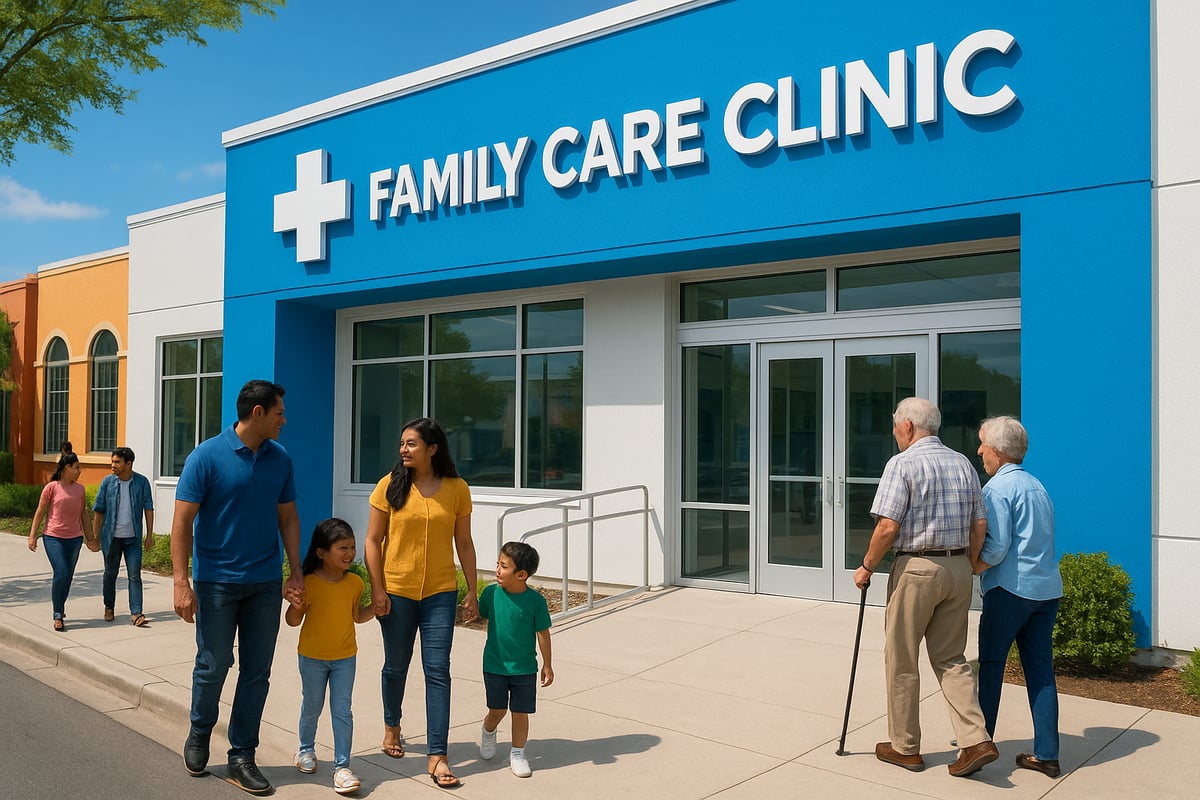
When evaluating clinic family care options, location and accessibility rank high on the list. A clinic close to home or work, with extended hours and accessible transportation, simplifies routine visits and urgent needs.
Equally important is the range of services offered. Look for clinics that provide everything from wellness exams and immunizations to chronic disease management and specialty referrals. Choosing a provider with integrated services, such as Family Practice Group Services, can streamline care and reduce the need for multiple appointments across different locations.
Reputation and provider qualifications also matter. Board certifications, patient reviews, and high satisfaction scores indicate a commitment to quality care. Many families prefer clinics offering same-day or virtual appointments, making it easier to access clinic family care without disrupting daily schedules.
On-site ancillary services, such as labs, imaging, and nutrition counseling, add another layer of convenience. Insurance acceptance and transparent billing help families avoid unexpected costs.
To illustrate, consider the following comparison:
| Criteria | Clinic A | Clinic B |
|---|---|---|
| Location | Near residential area | Downtown, limited parking |
| Services | Full-scope family care, urgent | Basic primary care only |
| Reputation | High patient satisfaction | Mixed reviews |
| Appointments | Same-day and virtual available | Limited hours |
| Ancillary Services | Lab, imaging, nutrition on-site | None |
By carefully reviewing these factors, families can identify the clinic family care provider best suited to their unique needs.
Questions to Ask Before Deciding
Before committing to a clinic family care provider, ask targeted questions to clarify the scope and style of care. Inquire about which providers are currently accepting new patients and the range of specialties they cover. Understanding the process for urgent care or after-hours needs ensures your family will be supported when it matters most.
Ask how the clinic coordinates referrals to specialists. Seamless communication between your clinic family care team and outside providers is vital for managing complex or ongoing health issues.
Language services and translation options can make a significant difference for families whose first language is not English. Confirm the clinic’s approach to preventive care and wellness, as a proactive philosophy often leads to better long-term outcomes.
Patient satisfaction rates serve as another useful benchmark. A 92% satisfaction rate is considered excellent for primary care settings, indicating strong patient-provider relationships and effective communication.
By asking these questions, you empower your family to make informed decisions about clinic family care. This diligence helps ensure you receive accessible, coordinated, and patient-centered services for every life stage.
Comprehensive Services Offered in Family Care Clinics
Clinic family care offers a robust suite of services to meet the evolving needs of families. From prevention to urgent care, these clinics provide the convenience, expertise, and continuity families require for lifelong health.
Preventive and Wellness Services
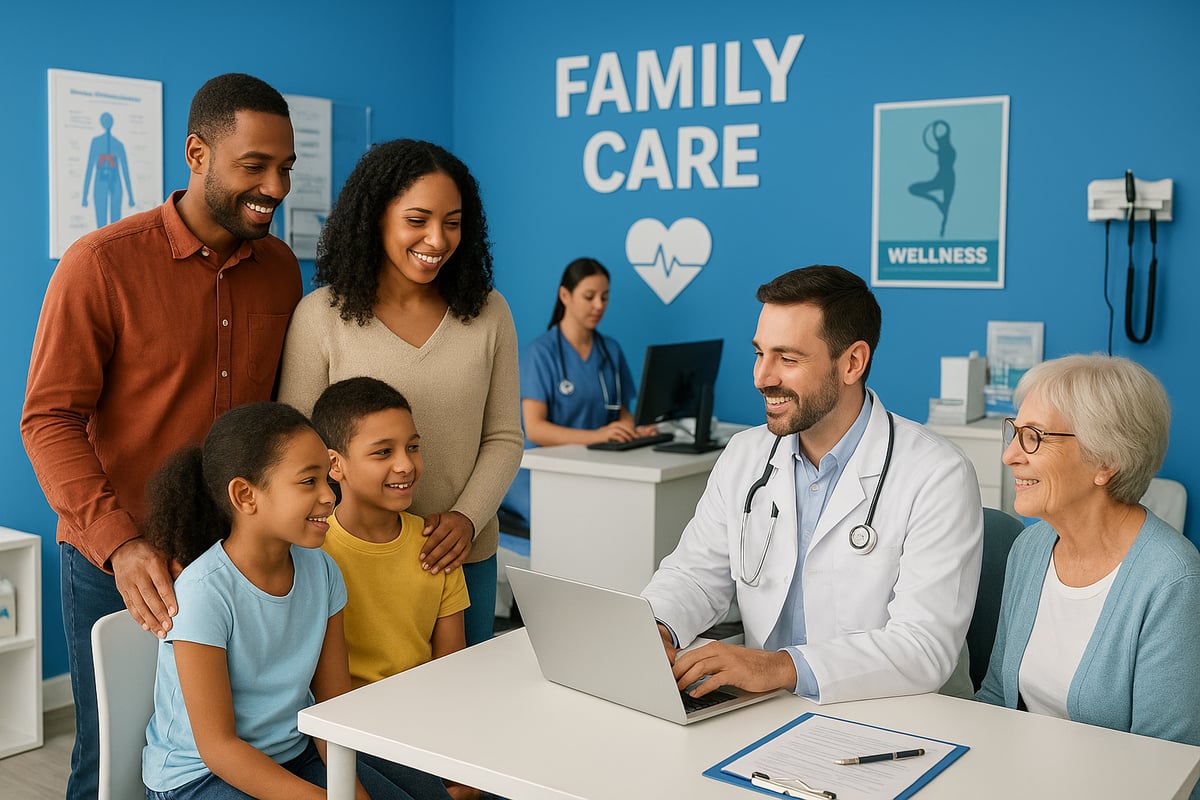
Preventive care forms the cornerstone of clinic family care. Annual wellness exams, physicals, and a complete immunization schedule are available for every age group. These clinics offer preventive screenings for heart health, diabetes, and certain cancers, allowing for early detection and intervention.
Women’s health receives special attention, with services including Pap smears, family planning, and menopause support. For a deeper look at these offerings, see Navigating Women’s Health in Clinics. Nutrition counseling and weight management programs round out the preventive toolkit, helping families build healthy habits.
Regular screenings empower families to identify health risks early, promoting well-being and reducing long-term costs.
Chronic Disease Management
For families managing chronic illnesses, clinic family care delivers comprehensive support. Ongoing care for conditions like diabetes, hypertension, asthma, and COPD is coordinated through personalized care plans. Providers monitor progress with regular check-ins and follow-ups, adapting treatment as needs change.
Patient education is a priority, covering medication management, lifestyle adjustments, and symptom monitoring. On-site labs and imaging services enable timely diagnostics, streamlining the management process.
Research shows that patients with consistent follow-up visits in clinic family care settings experience 30 percent better outcomes for chronic diseases, highlighting the value of this integrated approach.
Acute and Urgent Care
Clinic family care is designed to address acute health needs quickly and efficiently. Same-day appointments are available for non-life-threatening issues like colds, flu, and minor injuries. This rapid response reduces unnecessary emergency room visits and minimizes disruptions for families.
Clinics often coordinate with urgent care services for after-hours concerns, ensuring continuity. Virtual care options further improve access, letting families consult providers from home when needed.
By utilizing clinic family care for sudden illnesses or injuries, families benefit from faster treatment and lower costs compared to emergency settings.
Behavioral and Mental Health Support
Modern clinic family care recognizes the vital role of mental health in overall wellness. Many clinics integrate behavioral health professionals who offer counseling and therapy services for stress, anxiety, depression, and family dynamics.
Providers collaborate to ensure seamless support, blending primary care with mental health management. This integrated model helps families address challenges holistically.
In fact, one in five families now utilize behavioral health services through their primary clinic, reflecting a growing commitment to comprehensive care for both mind and body.
Specialty Referrals and Ancillary Services
A key advantage of clinic family care is access to specialty and ancillary services under one roof. Clinics facilitate smooth referrals to specialists in cardiology, endocrinology, orthopedics, and more, ensuring coordinated care for complex needs.
On-site resources like lab testing, imaging, physical therapy, and nutrition services streamline the patient experience. Providers communicate closely, keeping care plans aligned and reducing the burden on families.
For example, a patient requiring both primary and specialist follow-up can have appointments and diagnostics coordinated through their clinic family care team, reducing stress and improving outcomes.
Navigating Family Care for Every Life Stage
Families thrive when their healthcare adapts to each unique stage of life. Clinic family care is designed to support the health journey of every family member, from infancy to the golden years. This section explores how a clinic family care approach ensures personalized, continuous, and coordinated services for all generations.

Pediatric and Adolescent Care
Children and teens need specialized attention as they grow, and clinic family care ensures they receive comprehensive support at every stage. Regular well-child visits help track development, administer immunizations, and catch potential health concerns early. These visits also include developmental screenings, school and sports physicals, nutrition guidance, and behavioral health support.
Clinic family care practitioners are skilled in managing common childhood illnesses such as asthma, allergies, and infections. For example, a child with both asthma and food allergies benefits from coordinated care, as their provider can monitor symptoms, adjust medications, and educate the family within one setting.
Families appreciate having a consistent provider who understands their child’s medical history and unique needs. This continuity helps build trust and encourages open communication, making it easier to address concerns as children transition into adolescence.
Adult and Women’s Health
Adults rely on clinic family care for routine exams, preventive screenings, and chronic disease management. These services include blood pressure checks, cholesterol assessments, diabetes testing, and cancer screenings. Women’s health needs are also met, with family planning, pregnancy support, menopause care, and osteoporosis screening available through the same clinic.
A proactive approach to lifestyle counseling, including nutrition advice, exercise recommendations, and smoking cessation, empowers adults to make informed choices. For instance, a patient attending an annual checkup may discover early signs of hypertension, allowing for timely intervention and long-term health benefits.
Clinic family care providers offer personalized plans that align with each patient’s life stage and goals. This patient-centered approach fosters a sense of partnership, ensuring adults and women receive the attention and guidance necessary for optimal well-being.
Geriatric and Senior Care
As family members age, their healthcare needs become more complex. Clinic family care addresses these challenges by focusing on age-related conditions such as arthritis, memory loss, and fall prevention. Providers conduct thorough medication reviews to prevent harmful interactions and support safe, effective treatment plans.
Seniors benefit from regular wellness checks and ongoing monitoring of chronic diseases. Clinics often coordinate with geriatric specialists and connect caregivers with resources to ease the burden of support. For example, an older adult experiencing memory changes can access cognitive assessments and care planning, while their family receives guidance on managing daily routines.
The integrated nature of clinic family care ensures seniors maintain independence and quality of life. By prioritizing early intervention, clinics help prevent hospitalizations and promote healthier aging.
Family Health History and Preventive Strategies
Understanding and sharing family health history is vital for effective clinic family care. Providers use this information to assess genetic risk factors and develop personalized preventive plans. Tracking conditions such as heart disease, diabetes, or cancer within a family helps guide screenings and early interventions.
Engaging the entire family in wellness initiatives, such as group education sessions or healthy lifestyle challenges, builds a culture of prevention. According to the Family Medicine Factbook 2024, 60 percent of chronic diseases have a familial component, highlighting the importance of comprehensive family history.
Clinic family care teams leverage this knowledge to deliver targeted guidance and empower families to take control of their health outcomes.
Coordinating Care for Multi-Generational Families
One of the greatest advantages of clinic family care is its ability to serve multiple generations under one roof. When grandparents, parents, and children visit the same clinic, providers gain a holistic view of family health dynamics and risk factors.
This shared understanding enhances communication among providers and family members. It also streamlines care coordination, especially for families managing both chronic and acute needs. For example, a grandparent, parent, and child can schedule appointments together, ensuring everyone receives timely attention and consistent health advice.
Clinic family care fosters a sense of community and support, making it easier for families to navigate health challenges at every life stage.
Insurance, Costs, and Accessing Family Care
Understanding how insurance, costs, and convenience work together is crucial for families seeking the best clinic family care. Navigating the financial aspects of healthcare can be overwhelming, but clear information empowers you to make informed decisions for your loved ones. This section provides a concise roadmap to help you access, afford, and maximize the value of clinic family care.
Understanding Insurance Coverage
When choosing clinic family care, it's important to know which types of insurance are accepted. Most clinics work with private insurance, Medicare, and Medicaid, but coverage details can vary. Always verify your benefits before scheduling a visit to avoid unexpected expenses.
| Insurance Type | Accepted by Most Clinics? | Key Considerations |
|---|---|---|
| Private | Yes | Check network status |
| Medicare | Yes | Confirm provider participation |
| Medicaid | Varies | Review eligibility and services |
| Self-Pay | Yes | Ask about discounts and programs |
Out-of-pocket costs may include copays, deductibles, or self-pay fees. Billing transparency is essential, so ask for estimates and review financial assistance options if needed. For families with mixed coverage, such as Medicare for a grandparent and private insurance for parents, coordinating care at one clinic simplifies billing and record-keeping. For more details on insurance options and cost structures, visit the Insurance and Fees for Family Care page.
Maximizing Value and Reducing Costs
Clinic family care is designed to help families save money while maintaining quality care. Using preventive visits—such as annual wellness exams and screenings—can help you avoid higher costs from urgent or emergency care down the road. Choosing in-network providers and clinics ensures you benefit from negotiated rates and insurance coverage.
Many clinics offer bundled services and wellness programs that further reduce expenses. According to recent data, families who consistently use primary care clinics save up to 20 percent annually on healthcare costs. This is achieved through early intervention, efficient management of chronic conditions, and avoiding unnecessary specialist visits. By leveraging the full range of clinic family care services, you can take control of your family's health and budget.
Access and Convenience Features
Modern clinic family care prioritizes accessibility for all families. Online appointment scheduling and secure patient portals let you book visits, access records, and communicate with providers anytime. Telemedicine options allow for remote consultations and follow-ups, offering flexibility for busy schedules or mobility challenges.
Extended hours, same-day appointments, and multilingual support ensure that care is available when and how you need it. Many clinics are designed with accessibility in mind, providing ramps, clear signage, and assistance for patients with disabilities. These features make it easier than ever to access clinic family care and maintain your family's well-being at every stage of life.
The Future of Clinic Family Care: Trends & Innovations for 2026
The landscape of clinic family care is transforming rapidly as we move toward 2026. New technologies, evolving patient expectations, and a greater focus on holistic well-being are reshaping how families access and experience care. Staying informed about these trends will help your family make proactive, confident health decisions.
Advancements in Telemedicine and Virtual Care
Telemedicine is now a cornerstone of clinic family care, offering convenient access to providers for routine checkups, chronic disease management, and urgent concerns. Families can use secure video visits and remote monitoring devices to stay connected with their care teams, reducing the need for in-person appointments.
Virtual care platforms also support after-hours consultations and specialist referrals. According to the 2026 Global Health Care Outlook, clinics are integrating advanced AI and digital tools to personalize care, improve diagnostics, and streamline patient communication.
Technology-Driven Patient Engagement
Clinics are leveraging technology to deepen patient engagement and empower families in their health journeys. Patient portals now offer instant access to health records, test results, and provider messaging.
AI-driven appointment reminders, health education modules, and medication trackers help families stay on top of their care. Interactive digital tools are making clinic family care more transparent, accessible, and responsive to individual needs.
Expanding Scope of Services
The scope of clinic family care is broadening significantly. Many clinics now provide integrated behavioral health, nutrition counseling, and even specialty services within their walls.
Families benefit from coordinated care for physical, mental, and emotional well-being. On-site labs, imaging, and therapy services mean fewer outside referrals and faster results, making clinic family care truly comprehensive.
Personalized and Preventive Medicine
Personalization is at the heart of future-focused clinic family care. Genetic screening, risk assessments, and individualized care plans are becoming routine parts of preventive care.
Clinics are using family health data to tailor recommendations and interventions, improving outcomes for every generation. As highlighted in 10 Healthcare Trends to Watch in 2026, value-based care and AI-driven risk analysis are shaping a more proactive, precise approach to family wellness.
Community and Population Health Initiatives
Family clinics are playing an active role in community health by partnering with local organizations to address social determinants. Outreach programs target underserved populations, offering screenings, education, and preventive services.
These initiatives are improving wellness outcomes and ensuring that clinic family care remains accessible to all. Clinics are also using data analytics to identify community health needs and measure the impact of their programs.
Preparing your family for the future of healthcare means embracing these innovations, engaging with digital tools, and building lasting relationships with your clinic family care team. Stay proactive and informed to ensure your family’s health and well-being in 2026 and beyond.
As you think about your family's healthcare needs for 2026, it's clear that having a trusted clinic offering same day access, comprehensive services, and support for every age group makes all the difference. With everything from preventive care and chronic disease management to in house ancillary services and specialty referrals, you can feel confident that your loved ones are in good hands. If you're ready to take the next step toward seamless, patient centered care, I encourage you to Book Appointment and experience the benefits of dedicated family care firsthand.