Imagine a world in 2026 where your family's health needs are met instantly, no waiting or scheduling required. This guide is designed to help you confidently choose a family care walk in clinic as your trusted partner for wellness. Here, you'll discover how to select the right clinic, what to expect during each visit, and how to get the most from modern healthcare innovations. Ready to unlock the benefits of walk-in care for your loved ones? Start your journey to seamless, expert support today.
Understanding Family Care Walk-In Clinics
Imagine needing care for your family and finding a solution that fits your schedule, offers expert support, and welcomes you without the need for an appointment. That’s exactly what a family care walk in clinic provides in 2026. These clinics are designed for accessibility, flexibility, and comprehensive care, making them an essential part of modern healthcare for busy families.
What Are Family Care Walk-In Clinics?
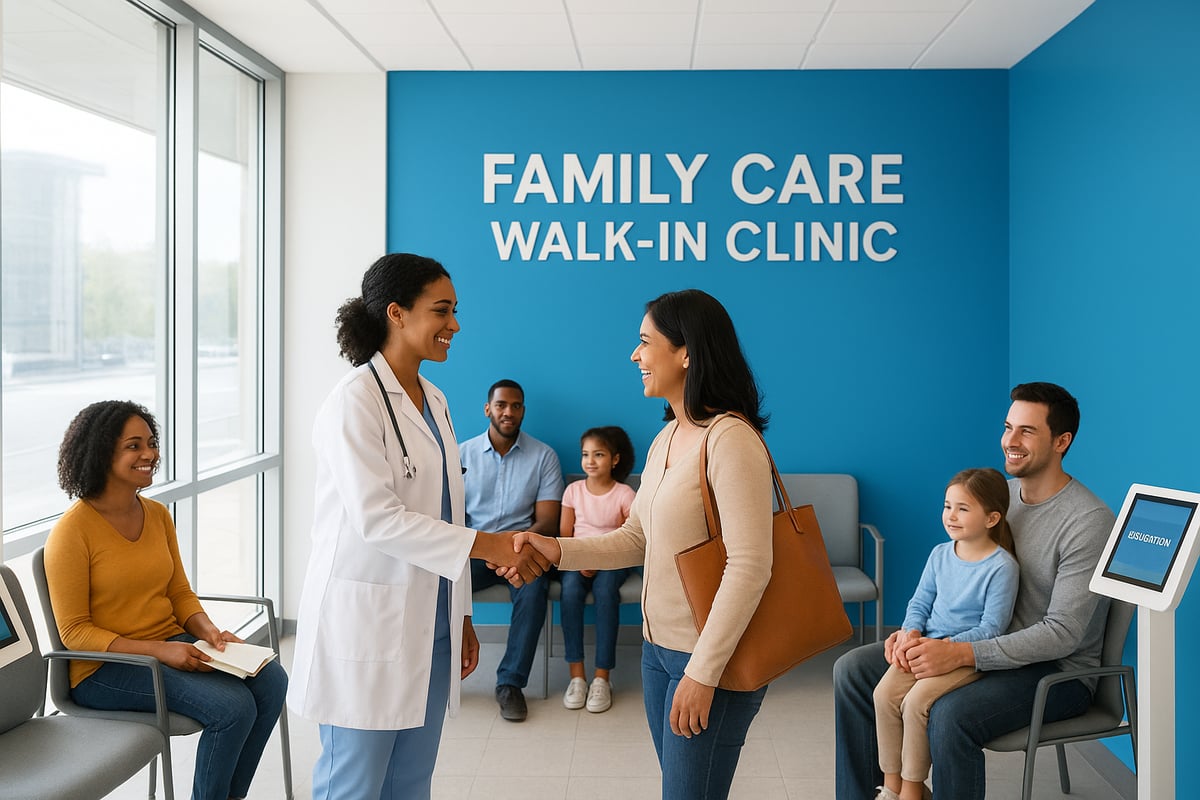
A family care walk in clinic is a healthcare facility offering immediate, non-emergency treatment for a wide range of conditions, without the need for a prior appointment. These clinics are distinct from urgent care centers and emergency rooms, focusing on accessible services for all ages. While urgent care centers often handle more serious but non-life-threatening issues and emergency rooms address critical, life-threatening conditions, a family care walk in clinic bridges the gap by managing acute illnesses, minor injuries, preventive care, and ongoing chronic disease support.
Here’s a quick comparison:
| Care Type | Appointment Needed | Hours | Conditions Treated | Cost Level |
|---|---|---|---|---|
| Walk-In Clinic | No | Extended | Colds, flu, minor injuries, screenings | $$ |
| Urgent Care | No | Extended | More severe but not life-threatening | $$$ |
| ER | No | 24/7 | Critical emergencies | $$$$ |
The family care walk in clinic model is tailored for families, seniors, and busy professionals. With extended hours and a no-appointment-needed approach, these clinics serve urban areas with high patient flow and rural communities where healthcare access can be limited. For example, an urban clinic may see a steady stream of after-school pediatric visits, while a rural clinic might provide vital preventive services to seniors.
According to the Urgent Care Association, over 89 million visits to walk-in clinics were recorded in 2023, highlighting their growing role. To explore the specific services offered, visit Primary walk-in clinic services for a detailed overview.
Key Benefits for Families in 2026
In 2026, the family care walk in clinic is more valuable than ever for families seeking convenience and reliable care. These clinics offer same-day access for all ages, reducing the stress of scheduling and long waits. Cost-effectiveness stands out, as families often pay less for non-emergency care compared to emergency rooms.
Comprehensive services are available under one roof, from acute illness management to routine wellness exams and chronic disease support. The family care walk in clinic also integrates digital health records and telemedicine, allowing families to communicate with providers, access test results, and manage appointments online.
Preventive and ongoing care is a priority. Families can receive vaccinations, screenings, and health education, supporting long-term wellness. For instance, a family managing a child’s asthma and seasonal flu can receive coordinated care in one visit, improving outcomes and peace of mind.
Notably, 70% of families now prefer walk-in clinics for non-emergency care, according to the 2024 Health Consumer Survey. This shift underscores the trust and reliance placed on the family care walk in clinic as a central wellness resource for modern households.
Core Services and Innovations in 2026
Imagine walking into a family care walk in clinic and knowing your entire family’s needs will be met, regardless of age or concern. In 2026, these clinics have become the cornerstone of convenient, comprehensive healthcare. Let’s explore the essential services and ground-breaking innovations that define the modern family care walk in clinic.
Standard Services Offered
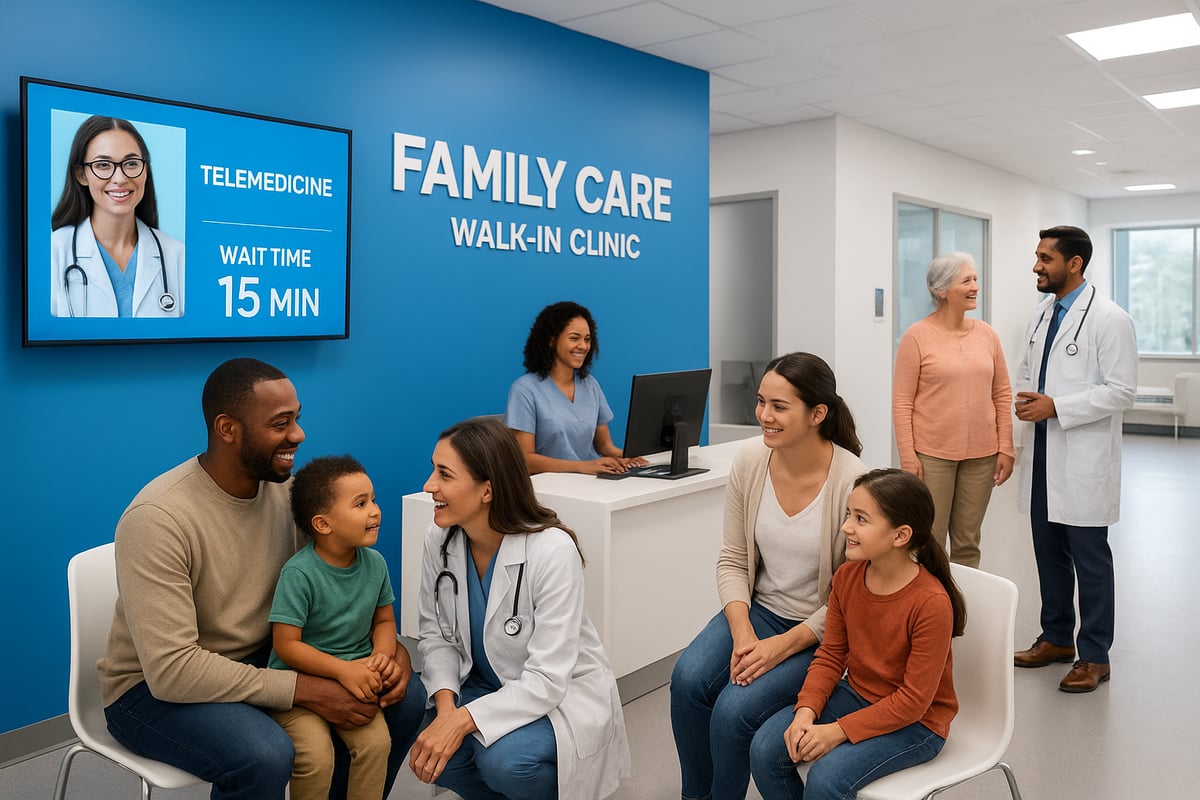
A family care walk in clinic in 2026 serves as a one-stop destination for a wide range of health needs. Whether you’re dealing with a sudden illness or managing a chronic condition, these clinics are equipped to help.
Common services include:
- Acute illness and injury care for issues like colds, flu, sprains, or minor fractures.
- Preventive care, such as immunizations, wellness exams, and health screenings.
- Ongoing management of chronic diseases like diabetes, hypertension, and asthma.
- Comprehensive women’s and pediatric care—learn more about women’s and pediatric health services.
- On-site laboratory work and imaging for quick diagnostics.
Picture a parent bringing in a feverish child after school. The family care walk in clinic provides immediate testing, diagnosis, and care—in a single visit. Extended hours and walk-in availability make it easy for busy families, seniors, and professionals alike to access timely support.
These clinics are designed for accessibility, with no-appointment-needed models and integrated digital health records. For families, this means streamlined care and peace of mind.
2026 Innovations Transforming Walk-In Clinics
Innovation is at the heart of the 2026 family care walk in clinic experience. Clinics now leverage cutting-edge tools to enhance care and efficiency.
Key technological advancements include:
- AI-driven triage and symptom assessment, helping patients quickly determine the best course of care.
- Seamless telemedicine integration, allowing remote consultations and follow-ups.
- Digital patient portals that provide easy access to health records, test results, and direct communication with providers.
- Enhanced infection control protocols, shaped by recent public health experiences.
- Smart scheduling and virtual queue technology for reduced wait times.
Here’s a snapshot of innovation adoption:
| Innovation | Adoption Rate (2025) |
|---|---|
| AI Triage | 55% |
| Telemedicine Integration | 70% |
| Digital Patient Portals | 80% |
| Virtual Queue Systems | 65% |
Imagine checking in via your phone, viewing real-time wait times, and receiving a text when it’s your turn. The family care walk in clinic now blends in-person and virtual care, supporting families wherever they are.
These digital features not only improve convenience but also empower patients to engage more proactively with their health.
Dominion Health: Comprehensive Family Care in San Antonio
Dominion Health exemplifies the future of the family care walk in clinic, offering a full spectrum of services for every member of the family. Their approach centers on accessibility, convenience, and patient satisfaction.
Highlights of Dominion Health’s offerings:
- Primary and urgent care services for acute and chronic needs.
- Same-day appointments and extended hours, ensuring families get care when they need it most.
- In-house imaging, lab services, women’s health, and weight management under one roof.
- Telemedicine and digital tools for modern, seamless patient experiences.
- High satisfaction rates and support for most major insurance plans.
Consider a family managing both a parent’s diabetes and a child’s sudden injury. Dominion Health coordinates care for both, with digital records ensuring smooth transitions between providers. The family care walk in clinic becomes a trusted partner in their ongoing wellness journey.
By prioritizing integrated care and leveraging technology, Dominion Health sets a high standard for family-centered healthcare in 2026.
Step-by-Step Guide: Your Walk-In Clinic Visit in 2026
Navigating your family care walk in clinic visit in 2026 is straightforward and stress-free. By following a clear step-by-step process, you can ensure your family receives timely, expert care every time. Here’s how to make the most of every visit, from deciding when to go to managing aftercare.
Step 1: Identifying When to Use a Walk-In Clinic
The first step is knowing when a family care walk in clinic is the right choice. Walk-in clinics are ideal for non-life-threatening issues such as minor injuries, coughs, sore throats, mild asthma flare-ups, or routine health checks.
If you are unsure whether to choose a walk-in clinic, urgent care, or the emergency room, consider the severity and urgency of your symptoms. For instance, a child’s ear infection, mild fever, or sprained ankle can often be handled at a family care walk in clinic. However, chest pain, severe bleeding, or difficulty breathing require immediate emergency attention.
For more detailed information on what constitutes urgent but not emergent care, consult urgent care for families. This resource can help you make informed decisions for your family's health.
Remember, these clinics are designed to handle a wide range of common family health needs, making them a convenient and reliable option for most situations.
Step 2: Preparing for Your Visit
Preparation makes your family care walk in clinic experience smoother and faster. Start by gathering essential documents such as insurance cards, a photo ID, and any relevant medical history. Many clinics offer digital check-in through patient portals, allowing you to upload documents and fill out forms before arriving.
Make a list of your symptoms and any medications your family members are taking. Bring vaccination records, especially for children. Using the clinic’s mobile app, you can often upload these records in advance, ensuring efficient service upon arrival.
If a family member has specific health needs, such as allergies or chronic conditions, note these details. With digital innovations in 2026, clinics can access this information quickly, streamlining care for your family care walk in clinic visit. This preparation saves time and helps healthcare professionals deliver personalized care.
Step 3: The Clinic Experience
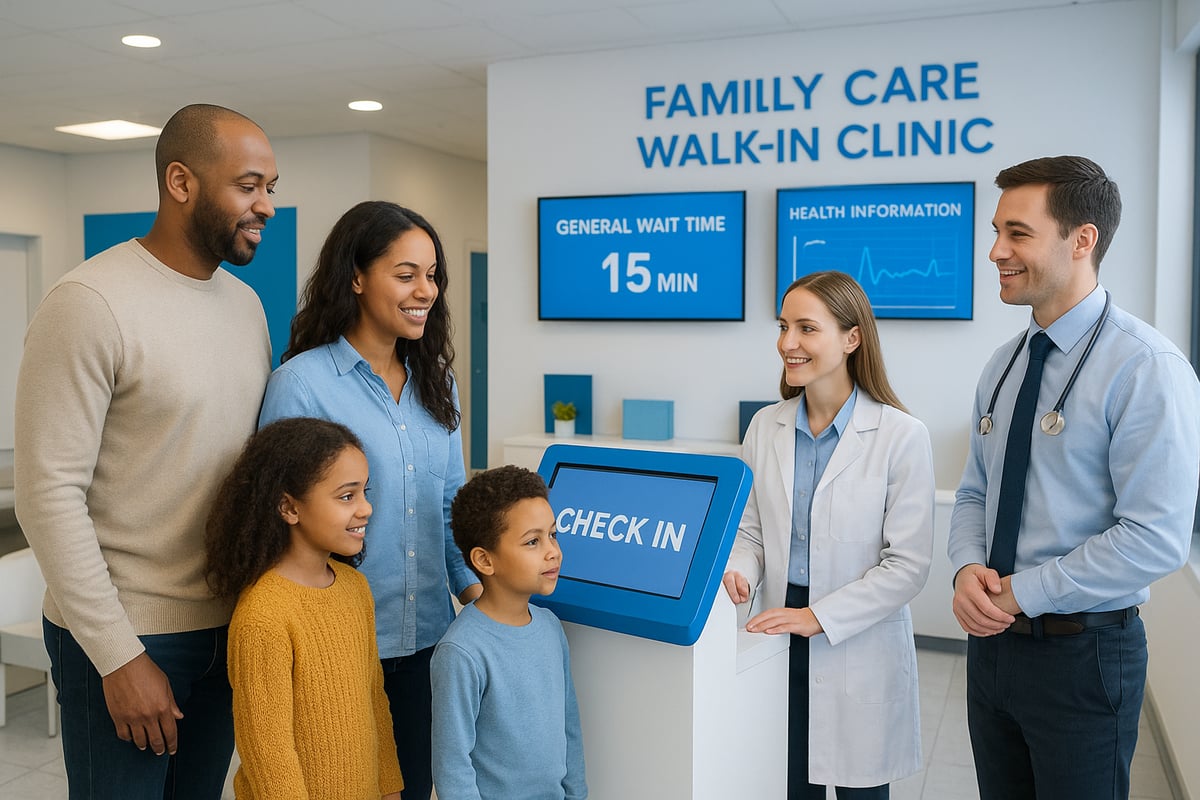
Upon arrival at the family care walk in clinic, you will likely encounter a digital check-in station or virtual queue system. These technologies reduce wait times and allow you to track your place in line in real time. Symptom screening may be conducted digitally, ensuring prompt attention to urgent needs.
You will meet with nurse practitioners, physician assistants, or physicians who specialize in family medicine. On-site diagnostics, such as lab tests and imaging, are available for immediate results. For example, if your child has a sore throat, a rapid strep test can provide answers within minutes.
Throughout your visit, the staff ensures a comfortable and efficient experience. The integration of digital records and real-time updates makes your family care walk in clinic visit seamless, with clear communication at each step.
Step 4: Aftercare and Follow-Up
After your appointment, the family care walk in clinic provides detailed care instructions, often delivered digitally. You can access summaries of your visit, prescriptions, and test results through an online patient portal.
If follow-up care is needed, scheduling is simple using the clinic’s digital tools. Referrals to specialists or connections to your primary care provider can be arranged quickly. Many clinics offer telemedicine follow-ups, allowing your family to manage ongoing health needs from home.
Staying engaged with your family care walk in clinic after the visit ensures continuity of care, supports chronic condition management, and keeps your family’s wellness on track.
Choosing the Right Family Care Walk-In Clinic
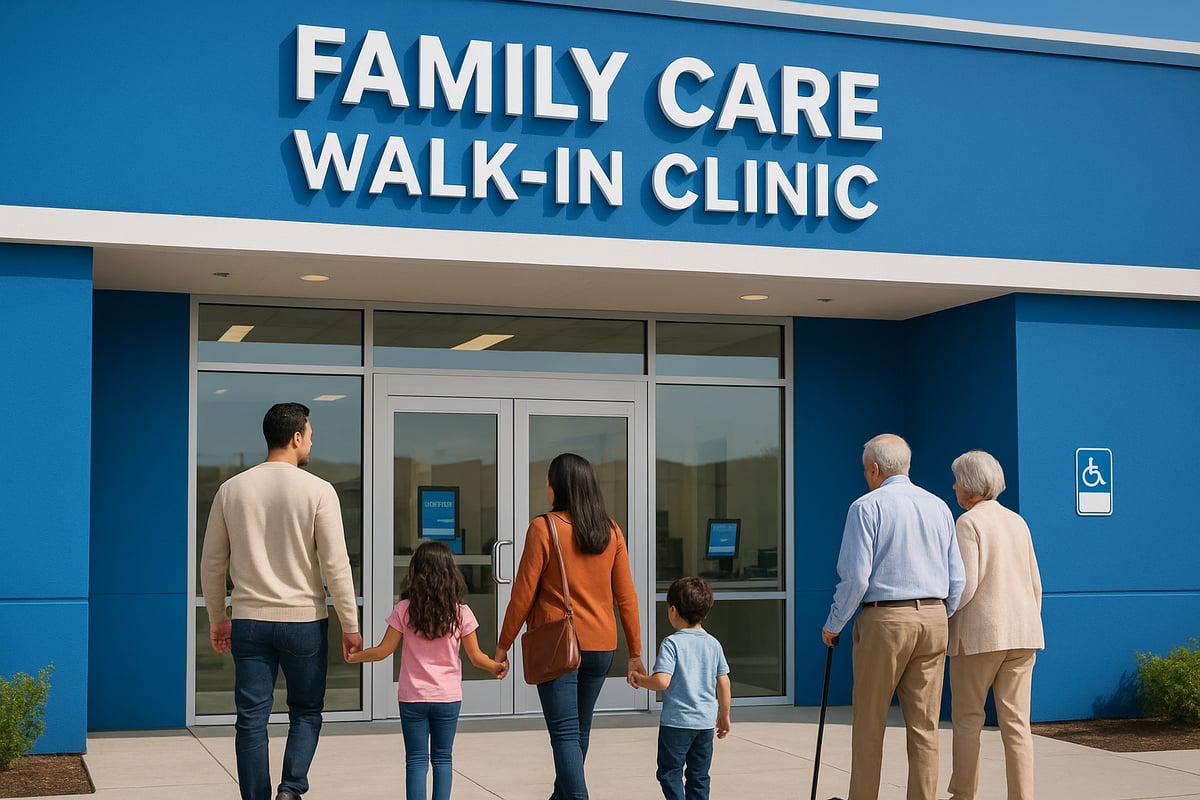
Selecting the right family care walk in clinic can make a significant difference in your family’s health journey. With so many options available in 2026, knowing what to look for ensures you receive timely, comprehensive, and coordinated care whenever you need it.
Key Factors to Consider
When evaluating a family care walk in clinic, start by considering its location and accessibility. Is it close to your home or your children’s school? Extended hours and weekend availability can be essential for busy families.
Next, review the range of services offered. The ideal family care walk in clinic should provide acute care, preventive screenings, chronic disease management, pediatric and women’s health, and on site diagnostics. This comprehensive approach means your family can get most of their needs met in one place.
Insurance acceptance and transparent pricing are critical. Confirm the clinic works with your insurance and provides clear information about costs, especially for services outside standard visits.
Reputation matters, too. Check patient reviews, satisfaction ratings, and any industry accreditations. Clinics with a strong track record in family medicine often deliver more consistent, reliable care.
Technology adoption can enhance your experience. Digital scheduling, telehealth options, and secure patient portals make accessing care easier and more convenient.
Here’s a quick comparison of two clinics for pediatric asthma management:
| Factor | Clinic A | Clinic B |
|---|---|---|
| Location | Near home | 20 minutes away |
| Hours | 8am-8pm, 7 days | 9am-5pm, weekdays |
| Pediatric Asthma | Yes, on site specialist | General care only |
| Digital Tools | Patient portal, telehealth | Limited digital access |
| Insurance Accepted | Most major plans | Limited plans |
For more on what comprehensive family medicine can offer, see this overview of general family medicine care.
Questions to Ask Before Your Visit
Before visiting a family care walk in clinic, prepare a list of essential questions to ensure it meets your needs:
- What types of conditions and ages are treated on site?
- Are pediatric and senior care services available?
- Is there access to specialists or coordinated follow up care?
- What are the typical wait times, and are virtual appointments an option?
- How does the clinic handle digital health records and communication?
- What insurance plans are accepted, and how are payments managed?
For families with diverse needs, such as managing a child’s chronic asthma and an older adult’s diabetes, these questions can help identify a clinic that provides both immediate and long term support. Evaluating these aspects helps you choose a family care walk in clinic that serves as a true partner in your family’s health.
Maximizing Your Family’s Wellness Through Walk-In Clinics
The journey to lifelong wellness begins with a proactive approach to healthcare. A family care walk in clinic is more than just a place for urgent needs, it can become a trusted partner in your family’s health journey. By using your local clinic as a wellness resource, you open doors to ongoing support, preventive care, and a healthier future for everyone in your household.
Building a Long-Term Relationship with Your Clinic
Establishing a long-term relationship with your family care walk in clinic brings real advantages. When your family visits the same clinic for annual checkups, minor illnesses, or chronic condition management, healthcare professionals get to know your health history. This continuity of care means more personalized treatment and better outcomes for every family member.
Coordinated care is another benefit. A family care walk in clinic often integrates with specialists and primary care providers, making it easier to manage complex health needs. For example, if your child has asthma or your parent needs blood pressure monitoring, the clinic can coordinate follow-up visits, lab work, and specialist referrals.
Digital tools now make staying connected with your clinic seamless. Many family care walk in clinics offer patient portals, secure messaging, and online appointment scheduling. These features let you track test results, communicate with providers, and manage prescriptions all in one place.
Families also appreciate the convenience of same-day and after-hours visits for everything from sports injuries to flu symptoms. According to Urgent Care Center Growth Statistics, walk-in clinics are seeing higher patient volumes as more families recognize their value for ongoing wellness needs.
By making your family care walk in clinic your first stop for everyday health, you ensure that care is accessible, coordinated, and tailored to your family’s unique needs.
Preventive Health and Community Resources
A family care walk in clinic is not only a place for treatment, it’s a hub for preventive health and community support. Clinics routinely offer vaccinations, wellness screenings, and annual exams for all ages. These services help detect health issues early and keep your family on track with recommended care.
Engaging in preventive care at your family care walk in clinic can make a measurable difference. For instance, families who schedule yearly flu shots or participate in diabetes screenings benefit from early intervention and lower risk of complications. Many clinics also host educational workshops, nutrition classes, and health fairs, making it easy to stay informed about wellness.
Community initiatives are a growing part of the clinic experience. Some clinics partner with local organizations to provide resources such as mental health support, parenting workshops, or chronic disease management programs. This approach fosters a sense of belonging and empowers families to take charge of their health.
Data shows that preventive visits at walk-in clinics have increased by 30%, reflecting a shift toward proactive care (2025 CDC Report). For more insights on the evolving role of urgent care in preventive health, see the Urgent Care Industry White Paper.
By taking advantage of preventive services and community programs, your family care walk in clinic becomes a cornerstone for lifelong wellness.
The Future of Family Care Walk-In Clinics: Trends and Predictions for 2026
Imagine stepping into a family care walk in clinic in 2026, where technology, personalized medicine, and seamless care experiences have become the new standard. As families seek better access and outcomes, these clinics are rapidly evolving to meet changing needs. Let's explore the most significant trends shaping the future of family care walk in clinic services and how you can prepare for this transformation.
Technological Advancements
The family care walk in clinic of 2026 thrives on cutting-edge technology. AI-powered diagnostic tools now assist clinicians with rapid, evidence-based assessments. These systems analyze symptoms, medical history, and even wearable device data to personalize care for every patient.
Telehealth integration has expanded dramatically, allowing families to access a family care walk in clinic virtually for routine consultations, chronic disease management, or follow-up visits. Patients can connect their health apps and smartwatches directly to the clinic's digital portal, enabling real-time health monitoring and personalized recommendations.
Some clinics now use remote patient monitoring for conditions like diabetes and hypertension. This empowers families to stay proactive, with alerts and advice delivered straight to their devices. In this digital landscape, the family care walk in clinic experience is more accessible and responsive than ever before.
Evolving Care Models
Care delivery is shifting toward hybrid models that blend walk-in, primary, and specialty services under one roof. The family care walk in clinic of 2026 often partners with mental health professionals, nutritionists, and chronic care coordinators to provide comprehensive, whole-family support.
Value-based care is becoming the norm, focusing on measurable health outcomes and patient satisfaction. Clinics track wellness metrics, preventive screenings, and follow-up rates to ensure high-quality care. Many leading operators, as highlighted by the Top Urgent Care Operators 2025, are adopting these models to stay ahead.
Mental health services are now seamlessly integrated into the family care walk in clinic environment. Families can access counseling, behavioral health screenings, and stress management resources in a familiar, supportive setting. This holistic approach strengthens the clinic's role as a true wellness companion for all ages.
Impact on Families and Communities
The family care walk in clinic is making healthcare more equitable and accessible, especially in underserved areas. Mobile and pop-up clinics are bridging gaps for rural families, bringing essential care closer to home. These innovations are helping reduce disparities in preventive and chronic disease management.
Recent Urgent Care Utilization Trends show shifting patient behaviors, with families increasingly choosing walk-in options for convenience and affordability. As more clinics adopt hybrid and tech-enabled models, access to care continues to improve for diverse communities.
For example, rural families can now rely on mobile family care walk in clinic units equipped with telehealth, lab services, and preventive screenings. This helps ensure that geography no longer limits a family's ability to receive timely, quality care.
Preparing for the Future
To make the most of future-ready family care walk in clinic services, families should embrace digital tools and prioritize preventive care. Create a family health plan that incorporates regular walk-in visits for screenings, vaccinations, and wellness checks.
Stay informed about new clinic features, such as online scheduling, symptom checkers, and telemedicine options. Use patient portals to manage records, track progress, and communicate with your care team. By being proactive, you can maximize the benefits of a family care walk in clinic and ensure ongoing wellness.
In 2026 and beyond, the family care walk in clinic is poised to become your family's most reliable wellness partner. By understanding these trends and preparing accordingly, you can navigate the evolving healthcare landscape with confidence.
As you look ahead to keeping your family healthy in 2026, remember that walk in clinics offer flexible, comprehensive care without the wait or hassle. Whether you need same day visits for a sudden illness, ongoing management for chronic conditions, or preventive screenings, you can count on a clinic that puts your family’s needs first—all in one convenient location. If you’re ready to experience seamless support and expert care for all ages, it’s easy to take the next step. Simply Book Appointment to begin your journey to better wellness today.