
Choosing the right family practice group can redefine your healthcare experience. In 2026, the landscape of primary care is rapidly changing, making it more important than ever to find a provider that truly meets your needs.
This guide will help you understand the value of a family practice group, from coordinated care to innovative services. You will discover how to select the best option for your family and maximize the benefits of patient-centered care.
Ready to take control of your health journey? Explore our expert insights and practical steps to ensure lifelong, comprehensive care for you and your loved ones.
Understanding Family Practice Groups: What They Are and Why They Matter
Choosing a healthcare provider is a pivotal decision, impacting every stage of life. A family practice group stands apart as a medical home that brings together diverse expertise and coordinated care under one roof. Unlike solo practices or urgent care centers, a family practice group focuses on comprehensive, ongoing relationships with patients across all ages.
A family practice group is built on a team-based approach. Physicians, nurse practitioners, physician assistants, and dedicated support staff collaborate to deliver seamless care. This model ensures that patients benefit from the collective knowledge and skills of multiple professionals, not just a single doctor. As a result, families can count on consistent care, regardless of who is available for their appointment.
Continuity and coordination are at the heart of a family practice group. Shared patient records and regular team communication mean that every provider is up to date on your health history and treatment plan. This leads to better chronic disease management for conditions like diabetes and hypertension, as well as fewer unnecessary hospital admissions. In fact, research shows that group practices improve patient satisfaction and quality of care, as highlighted in this scoping review of advantages for patients.
Accessibility is another key strength of a family practice group. Many offer extended hours, multiple specialties in one location, and telemedicine options for added convenience. Imagine a patient who needs an annual screening, develops a sudden illness, and requires follow-up care. In a family practice group, all these needs can be met efficiently, often with same-day appointments and on-site diagnostics.
Statistics reinforce the value of this model. According to the American Academy of Family Physicians, 60 percent of Americans receive their care from a family practice group. This widespread adoption is a testament to the trust and satisfaction patients experience.
Family practice groups also adapt to the unique needs of their communities. Whether responding to local health challenges, offering multilingual support, or tailoring wellness programs, these groups are committed to improving population health. Their flexibility and focus on prevention help families stay healthy and supported throughout every stage of life.
In summary, a family practice group is more than just a clinic. It is a partnership for lifelong health, built on teamwork, accessibility, and a deep understanding of community needs.

The Benefits of Choosing a Family Practice Group for Your Healthcare Needs
Selecting a family practice group unlocks a wide range of advantages for patients and their loved ones. By working with a dedicated care team, you gain access to coordinated, patient-focused services that support lifelong health. Let’s explore how a family practice group delivers value through comprehensive care, exceptional convenience, and cost savings.

Comprehensive, Patient-Centered Care
A family practice group provides a holistic approach to health, treating individuals and families of every age. The multidisciplinary team addresses physical, mental, and preventive health needs, ensuring that care plans are tailored to each patient’s unique circumstances.
Personalized care is a hallmark of the family practice group model. Providers create individualized wellness strategies that consider your history, lifestyle, and future goals. Annual wellness visits, routine screenings, and early detection of chronic conditions are all part of the preventive focus.
For example, a family practice group might coordinate immunizations for children, blood pressure checks for adults, and health education for seniors—all under one roof. This continuity builds trust, as 90% of patients report higher comfort with group care, according to Healthgrades.
Long-term relationships are fostered through regular interactions and open communication. Patients often see the same providers year after year, strengthening the sense of partnership. To learn more about how these teams prioritize patient well-being, visit the About Our Family Practice Group page.
Access, Convenience, and Same-Day Services
Convenience is a major benefit of choosing a family practice group. With multiple locations and flexible scheduling, patients can find appointments that fit busy lives. Many groups offer same-day services for urgent needs, reducing the wait times and stress often associated with emergency rooms.
Telemedicine and virtual visits are now standard features, allowing patients to consult with providers from home or work. In-house diagnostics, such as labs and imaging, streamline the process so you get answers faster.
Consider a scenario where a child develops a fever. Instead of waiting hours at an ER, the family practice group offers a same-day appointment, on-site testing, and a care plan within a single visit. According to recent data, 72% of patients choose group practices for this very convenience.
The integrated services and efficient workflows of a family practice group mean that you spend less time navigating the healthcare system and more time focusing on your health.
Cost-Effectiveness and Insurance Flexibility
A family practice group can help families manage healthcare costs with transparency and flexibility. Most groups accept a wide range of insurance plans and provide clear billing practices, so you always know what to expect.
By coordinating care and focusing on prevention, a family practice group reduces unnecessary referrals and specialist visits. This approach leads to lower out-of-pocket expenses compared to episodic care or frequent emergency room use. For chronic conditions like diabetes or asthma, the group’s collaborative model ensures that treatment is both comprehensive and cost-effective.
Support staff are available to assist with insurance verification and answer your billing questions. Preventive care and early intervention also help reduce long-term expenses by addressing issues before they become serious.
According to the American Medical Association, group practices cut unnecessary specialist referrals by 30%, directly impacting patient savings. The family practice group’s commitment to affordability and access empowers you to prioritize health without financial strain.
Essential Services Offered by Leading Family Practice Groups in 2026
Choosing a family practice group means gaining access to a broad range of essential health services that support your well-being at every stage of life. In 2026, leading groups provide integrated care, advanced diagnostics, and patient-centered programs designed to keep families healthy, prevent illness, and manage chronic conditions. For a detailed look at the full scope of offerings, you can review Comprehensive Family Health Services provided by top providers.

Preventive and Wellness Care
Preventive care is at the heart of every family practice group. Services include routine check-ups, immunizations, and regular screenings for illnesses such as cancer, heart disease, and diabetes. Wellness programs focus on nutrition counseling, weight management, and lifestyle coaching for all ages.
- Annual physicals for children, adults, and seniors
- Immunizations for flu, HPV, and more
- Screenings for cholesterol, blood pressure, and cancer
For example, comprehensive annual physicals are offered across age groups, supporting early detection and reducing hospitalizations by up to 20 percent, according to CDC data. These proactive steps help families stay ahead of potential health issues.
Chronic Disease Management
A family practice group specializes in managing ongoing health needs such as diabetes, hypertension, and asthma. Patients benefit from coordinated treatment plans, medication management, and regular follow-up care from a dedicated team.
- Personalized plans for chronic conditions
- Medication monitoring and adjustments
- Ongoing education for self-management
Integrated care teams track patient progress, ensuring interventions are timely and effective. This model leads to improved outcomes and empowers patients with knowledge and support to manage their conditions daily.
Women’s, Men’s, and Pediatric Health
Comprehensive care in a family practice group spans women’s, men’s, and pediatric health needs. Women receive well-woman exams, reproductive health services, and prenatal care, while men benefit from screenings and counseling tailored to their unique risks. Pediatricians provide ongoing care from infancy through adolescence, including immunizations and developmental assessments.
- Well-woman exams, prenatal care, and contraception
- Men’s health screenings and preventive advice
- Pediatric visits for growth, development, and vaccines
Serving as a medical home, the family practice group ensures all members of the family receive age-specific, coordinated care under one roof.
Urgent Care and Same-Day Access
When immediate health concerns arise, a family practice group offers urgent care and same-day services for minor injuries, infections, or sudden illnesses. On-site diagnostics and rapid test results mean families get answers quickly, without long emergency room waits.
- Walk-in appointments for acute symptoms
- In-house labs and imaging for fast results
- Quick treatment for conditions like flu, strep, or minor injuries
By providing prompt care for non-life-threatening issues, the family practice group reduces the burden on emergency services and ensures families receive convenient, efficient treatment when they need it most.
How to Choose the Right Family Practice Group: Step-by-Step Guide
Selecting the right family practice group can significantly influence your healthcare journey. With so many options available, making a confident decision requires a clear, structured approach. This step-by-step guide will help you evaluate your choices, prioritize your family's unique needs, and find a group that delivers quality, coordinated care for every stage of life.
Step 1: Assess Your Family’s Needs
Begin by identifying the specific requirements of your household. Consider the age range of family members, any ongoing medical conditions, and personal health priorities. For example, families with young children may need comprehensive pediatric care, while households with seniors might prioritize chronic disease management.
Evaluate whether anyone in your family requires language support, cultural sensitivity, or accommodations for disabilities. Accessibility plays a vital role in ensuring everyone receives effective care from your chosen family practice group.
List your must-have services, such as women’s health, mental health support, or preventive screenings. By mapping out these essentials, you create a clear foundation for comparing different groups. This early reflection ensures your family practice group will meet both immediate and long-term health needs.
Step 2: Research Practice Credentials and Reputation
Once you have defined your needs, focus on the credentials and standing of each family practice group. Start by verifying board certifications for physicians and advanced practitioners. Confirm the group’s experience with specific conditions or patient populations relevant to your family.
Patient reviews and satisfaction ratings provide valuable insight into real-world experiences. In fact, 85% of patients trust online reviews when selecting providers. Look for consistent feedback about communication, responsiveness, and overall patient care.
Explore whether the family practice group is affiliated with respected health networks or hospitals. A strong reputation often reflects a commitment to quality and safety. By combining objective credentials with patient perspectives, you can confidently narrow your options.
Step 3: Evaluate Location, Hours, and Access
Convenience is a major factor when choosing a family practice group. Assess the proximity of each location to your home, workplace, or your children’s school. Consider parking availability and access to public transportation, especially if you have mobility concerns or limited transportation options.
Review office hours to ensure they align with your family’s schedule. Practices offering extended hours, weekend appointments, or same-day visits provide flexibility for urgent or unexpected needs. Many leading groups also integrate telemedicine, allowing you to connect with your provider virtually.
For immediate medical attention, some family practice groups offer in-house urgent care. You can learn more about these options by visiting their Urgent Care and Same-Day Access services. This level of access can prevent unnecessary emergency room visits and ensures your family receives timely support.
Step 4: Review Services and Technology Integration
A comprehensive family practice group should provide a wide spectrum of services. Look for preventive care, chronic disease management, pediatric and women’s health, and streamlined referrals to specialists when necessary. Compare the range of offerings between groups to ensure all your needs are covered.
Technology plays a pivotal role in modern care delivery. Electronic health records facilitate secure sharing of information and reduce errors. Patient portals provide convenient access to test results, appointment scheduling, and direct communication with your care team.
Telemedicine services further expand access, especially for follow-up visits or minor concerns. A technologically advanced family practice group enhances the coordination and continuity of your care, making it easier to manage your health proactively.
Step 5: Understand Insurance and Billing Policies
Before making a final decision, clarify each family practice group’s insurance and billing procedures. Verify that your insurance plan is accepted and ask about payment options or financial assistance for uninsured family members. Transparent billing practices build trust and help you avoid unexpected expenses.
Some groups offer detailed cost estimates before procedures or visits, giving you greater control over your healthcare budget. Support with insurance verification and claims can also reduce administrative stress.
Choose a family practice group that prioritizes clear communication around costs and provides resources to help you navigate coverage questions. This step ensures that high-quality care remains accessible and affordable for your entire family.
Dominion Health: Comprehensive Family Practice Group in San Antonio
Dominion Health stands out as a leading family practice group dedicated to serving San Antonio and surrounding communities. This trusted provider offers a welcoming environment where patients of all ages receive coordinated, lifelong care. If you are looking for a family practice group that combines experience with innovation, Dominion Health delivers on every front.
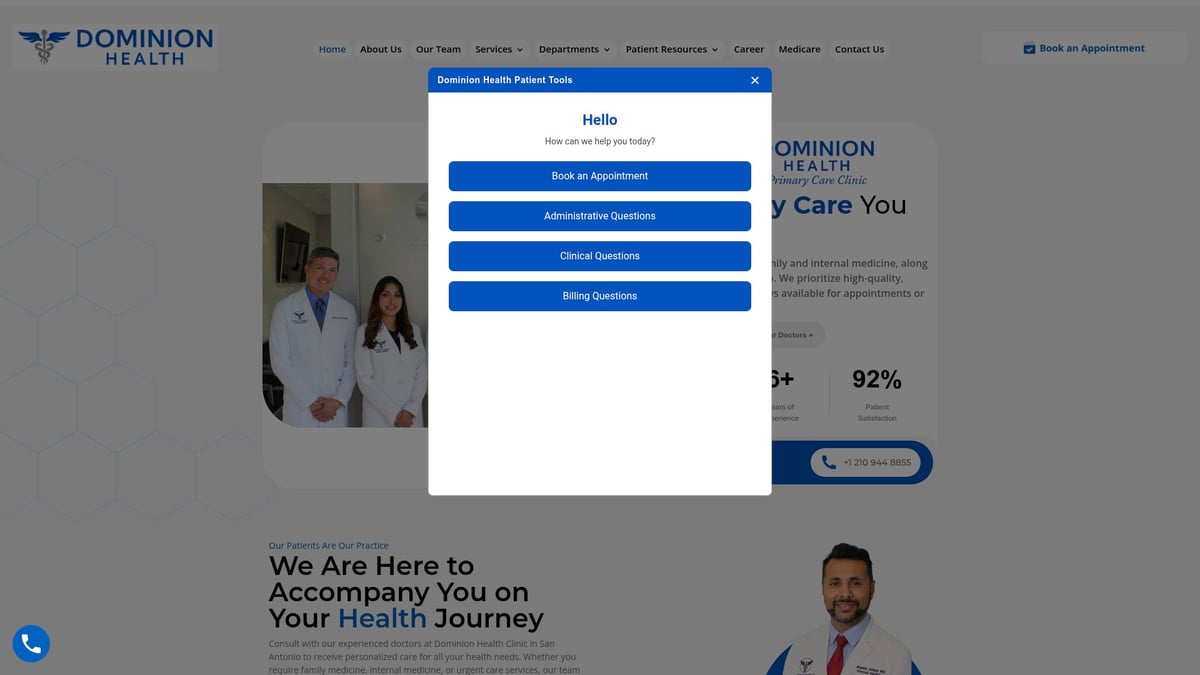
Dominion Health provides a full spectrum of primary care services. These include family medicine, internal medicine, pediatrics, women’s health, and geriatric care. The group also offers in-house ancillary services, such as diagnostic imaging, laboratory testing, urgent care solutions, and telemedicine, making it a true one-stop destination for your health needs.
The team consists of over eight board-certified physicians and advanced practitioners. Patients benefit from their collective expertise and commitment to best practices. Dominion Health’s reputation is reflected in a 92% patient satisfaction rate, making it a preferred family practice group in the region.
Accessibility is a central focus. Dominion Health operates multiple convenient locations, offers extended office hours, and provides same-day appointments for urgent needs. The patient-centered approach includes personalized care plans, multilingual support, and insurance assistance to ensure every individual feels supported and understood.
For example, a family with young children, adults, and seniors can rely on Dominion Health to coordinate all their care under one roof. From annual checkups and chronic disease management to specialized services like women’s health in family practice, every aspect of care is seamlessly integrated. This commitment to comprehensive solutions makes Dominion Health a standout choice for anyone seeking a reliable family practice group in San Antonio.
The Future of Family Practice Groups: Trends and Innovations for 2026
The healthcare landscape is changing rapidly, and the family practice group model is evolving to meet new patient needs. In 2026, technology, patient-centered care, and proactive health management are transforming how families experience primary care. Understanding these trends helps you choose a family practice group that stays ahead of the curve and delivers the best possible care.
Digital Health and Telemedicine Expansion
Digital innovation is at the heart of the modern family practice group. Virtual visits have become routine, allowing families to connect with providers from home or work. Online scheduling, secure messaging, and remote monitoring tools make it easier to manage appointments, prescriptions, and follow-ups.
Telemedicine is more than just a convenience; it expands access for rural, busy, or mobility-limited patients. By 2026, 65% of visits in a family practice group are projected to use telehealth in some form. Remote monitoring devices let care teams track blood pressure, glucose, or heart rhythms in real time, leading to early interventions and fewer complications.
These advancements also improve efficiency and reduce wait times. For example, a family practice group can quickly triage acute symptoms, refill medications, or review lab results virtually. According to a recent report on future health trends impacting family practice, digital health is now a defining feature of high-performing practices. By embracing these tools, your family practice group ensures timely, coordinated care for every member of your household.
Integrated Behavioral and Mental Health Services
Mental health is now recognized as a vital part of overall wellness. Leading family practice group teams include behavioral health specialists who work alongside primary care providers to address emotional, psychological, and social needs.
Integrated care means patients can access counseling, mental health screenings, and medication management during regular visits. This collaborative approach helps identify issues like depression, anxiety, or stress early, allowing for prompt intervention. Having behavioral health services within the family practice group reduces stigma and makes care more accessible.
Care teams use standardized screening tools and shared records to coordinate treatment plans. This integration leads to improved outcomes, especially for patients managing chronic conditions or life transitions. Families benefit from seamless support, whether facing school challenges, postpartum changes, or elder care concerns. By choosing a family practice group with integrated mental health services, you gain a partner committed to your family's total well-being.
Population Health and Personalized Medicine
Family practice group care in 2026 is shaped by data analytics and a focus on population health. Practices use electronic health records to identify at-risk groups, track vaccination rates, and monitor chronic disease trends across their patient population.
Personalized medicine is another emerging trend. Genetic screening and advanced diagnostics allow your family practice group to tailor prevention strategies and treatments to each individual. For example, a patient with a family history of heart disease may receive earlier cholesterol checks or dietary counseling.
Addressing community health disparities is a key mission. Family practice groups collaborate with local organizations to offer targeted outreach, screenings, and health education. According to a study on trends in family physicians’ scope of practice, many providers are expanding their expertise in response to evolving community needs. This ensures your family practice group is prepared to handle both common and complex health challenges for every member of your family.
Patient Engagement and Self-Management Tools
Empowering patients is central to the future of the family practice group. Mobile apps and wearable devices let families track vital signs, medication adherence, and physical activity at home. Secure patient portals provide instant access to lab results, visit summaries, and health reminders.
Self-management tools encourage proactive health behaviors. For instance, patients with hypertension can log daily blood pressure readings, while those with diabetes can upload glucose data for review by their care team. These features strengthen the partnership between patients and providers.
Regular digital check-ins and educational resources help families stay informed and engaged. Your family practice group uses these tools to support long-term wellness, reduce hospitalizations, and improve satisfaction. As technology continues to advance, expect even more ways to stay connected to your care team and manage your health with confidence.
Maximizing Your Experience with a Family Practice Group
Choosing a family practice group is just the first step in your journey toward better health. To truly benefit, it is essential to engage actively and build a lasting partnership with your care team. By taking a proactive role, you can ensure your needs are met and experience the full value of coordinated care from your family practice group.
Building a Long-Term Relationship with Your Care Team
A strong relationship with your family practice group is the foundation of effective healthcare. When you see the same providers over time, they gain a deeper understanding of your health history, preferences, and concerns.
This continuity makes it easier to spot early warning signs and track changes in your well-being. Families who maintain regular visits with the same care team often report greater trust and satisfaction. For instance, many patients appreciate how their family practice group remembers their unique needs and follows up on past issues.
To strengthen this partnership:
- Schedule routine check-ins, even when you feel healthy.
- Share updates about life changes or new symptoms.
- Be honest about your health goals and challenges.
Long-term relationships with your care team foster open communication, making it easier to discuss sensitive topics. Over generations, families develop a sense of comfort and security, knowing their family practice group is always there to support them.
Preparing for Appointments and Managing Records
Maximizing each visit starts with preparation. Before your appointment, gather important health information and think about any questions or concerns. Many family practice groups offer online patient portals, making it easy to review test results, update records, and communicate with your provider.
Consider these steps for effective appointment prep:
- List all current medications and supplements.
- Bring a summary of recent health events or changes.
- Write down key questions or symptoms to discuss.
| Preparation Task | Details |
|---|---|
| Medications List | Include dosages and frequency |
| Health Events | Note any hospital visits or changes |
| Questions | Prioritize most urgent concerns |
Using digital tools provided by your family practice group can streamline communication and ensure your records are up to date. Accessing your information online helps you stay engaged and informed about your care.
Organizing your medical history and preparing questions in advance empowers you to make the most of every appointment. This approach not only saves time but also enables your care team to address your needs efficiently.
Navigating Referrals and Specialist Care
Your family practice group plays a crucial role in coordinating care beyond routine visits. When you need to see a specialist, the group manages referrals, shares your records securely, and helps develop a clear care plan. This seamless process reduces confusion and ensures all providers stay informed.
For example, if you require a cardiology consultation, your family practice group will:
- Confirm insurance coverage and schedule the referral.
- Send relevant records and test results to the specialist.
- Follow up afterward to integrate recommendations into your treatment plan.
Efficient coordination also helps avoid duplicate tests and unnecessary procedures. In fact, studies show that family physicians help reduce low-value care and unnecessary spending, a benefit explored in the analysis of family physicians’ impact on low-value care spending.
By working closely with your family practice group, you gain a trusted advocate who supports you throughout every stage of care. This collaborative approach leads to better health outcomes, less stress, and a more positive healthcare experience.
As you consider the best path for your family’s health in 2026, remember that a dedicated family practice group offers the coordinated, same day care and comprehensive services we’ve explored together. With in house support from a team of skilled providers and access to the latest in primary care, you can feel confident you’re making a proactive choice for lifelong wellness. If you’re ready to experience personalized, high quality care for you and your loved ones, take the next step and Book Appointment today.
Article written using RankPill.